Fish That Start With N [Extensive Freshwater & Saltwater Fish Name List]

When you think about fish names that start with the letter N, neon tetras are likely to pop up in your head. But there are a lot more fish names that begin with N than you can imagine!

This article lists common fish names that start with N, especially in the cichlid community.

Our Top 5 Best Fish Names Beginning With Letter N

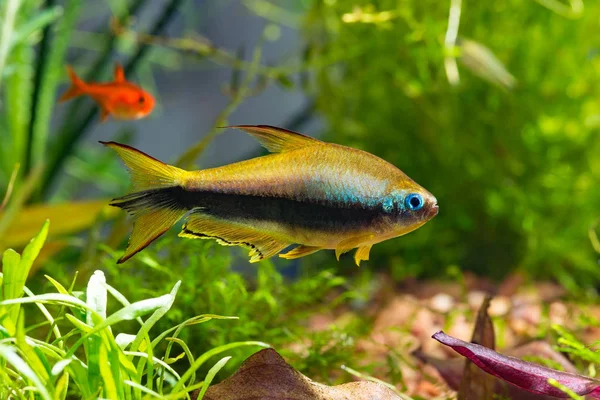
Neon Tetra (Paracheirodon innesi)

This freshwater fish is a popular pet fish in the aquarium hobby. Neon tetra dates as far back as the 1930s. It is among the oldest tropical fish in the aquarium trade.
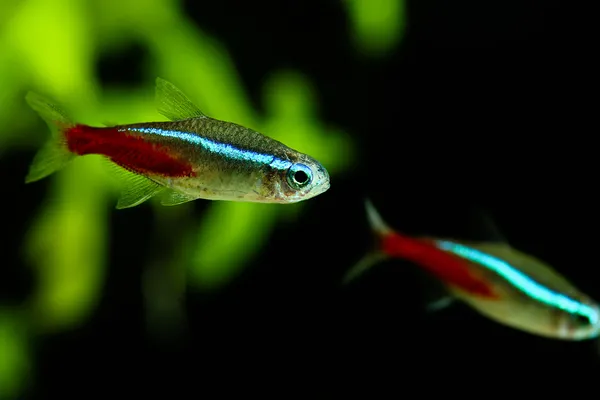
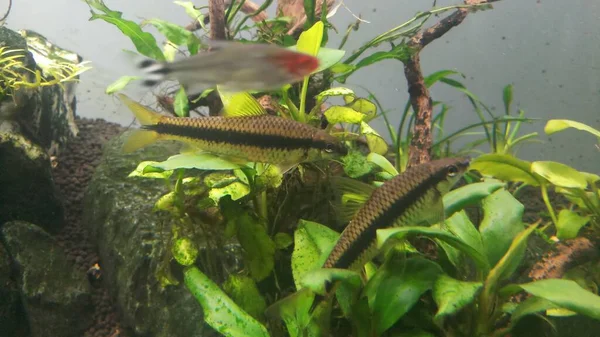
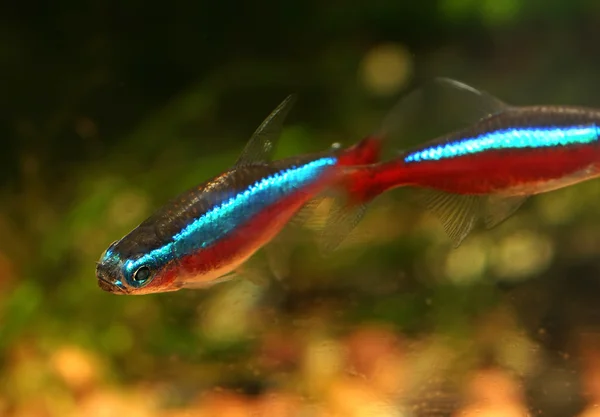
shot taken from an aquarium of two Neon Tetra as one of the fish names that start with N

It is a shoaling fish with unique colors. Its torpedo-like body is usually about one and a half-inch long. It has a bright neon blue stripe that runs from its nose tip and fades off as it reaches its caudal fin. It also has a silvery-white belly.

You want to keep at least a dozen. When choosing tankmates, you want to select tankmates with a peaceful personality. You also want to avoid larger tetras or any bigger tankmate that can eat your pet fish.

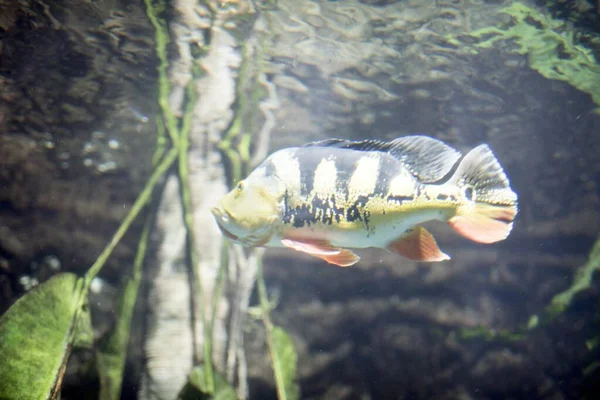
Nicaragua Cichlid (Hypsophrys nicaraguensis)

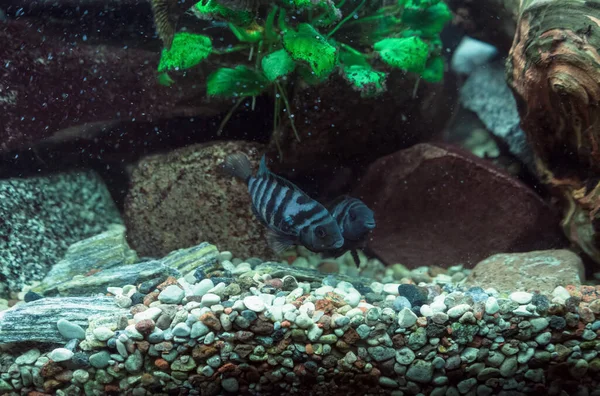
This fish is native to Central America. It is one of the most feisty cichlids as it is pretty territorial. The males grow impressively larger than the females. They can reach a maximum length of 10 inches.
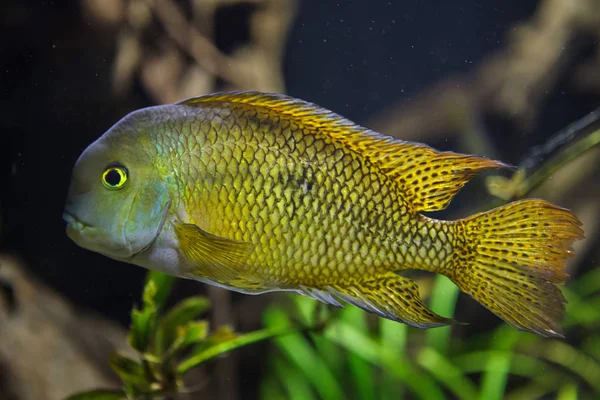
close up shot of a Nicaragua Cichlid in aquarium

This fish is best kept with a mate. You can pair them with other cichlids, but you want to keep them in a large tank. A tank that is about 6 feet long should be ideal.

This omnivore eats almost anything you offer it in the fish tank. But in the wild, it eats plant matter, detritus, insects, and insect larvae.

Needlefish (Xenentodon cancila)

This fish species of a cute species native to the shallow waters of Chesapeake Bay. It looks like white fish but has a silver color and a slender body, and its long jaws are filled with needle like teeth.
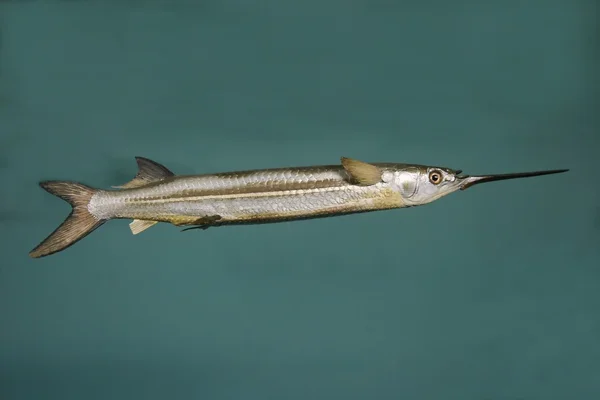
a photo of an Needlefish (Xenentodon cancila) in aquarium

The Xenentodon cancila is a freshwater fish from South Asia. It is relatively smaller than its cousins in the ocean. The usual length of the needlefish is about 15 inches.

This fish is not a good choice for a beginner hobbyist. It is better suited for advanced hobbyists.

Nichols’ Mouthbrooder (Pseudocrenilabrus nicholsi)

This is a cool and active fish species to keep in the aquarium. It is a cichlid species native to the Congo basin in Africa.

One cool thing about this cichlid is how protective it is about its eggs and fry. Mouthbrooders hold their eggs and fry in their mouth. They do so throughout the incubation period as it is the safest way to protect their younger ones.

Another cool thing about these cichlids is how the color of their head tells their mood. The color of their heads changes depending on their mood. It changes from bright yellow to mustard. Although they are small fish, they can be very aggressive, especially to other cichlids.

But they will coexist peacefully with members of their own species. You want to keep one male for every three females you have in the tank.

Needle Fin Eater (Belonophago tinanti)

The needle fin eater is a predatory fish native to Africa’s Ubangi River and Congo basin. It is a relatively large fish that grows up to 16 inches. It has a very slender body with a single dorsal fin.

Most needle fin eaters eat smaller fish. You might also find them nipping at the fins of larger fish in the mid-top area of the tank. They do this with their long jaws, which contain many needle like teeth.

You want to pair it with a larger fish that hangs out at the bottom of the tank. You also want to avoid keeping smaller fish in the same tank with them so that they do not end up as food for your needle fin eaters.

List of Fish Beginning With N

Check out our list of fish names that start with N for more fish names. Some are cute freshwater fish that thrive in lakes and ponds, while others are saltwater fish that inhabit the ocean. Their scientific names are placed beside their common fish names to distinguish them from similar species.

Freshwater Fish Beginning With N

  • Naked-Back Knifefish (Gymnotus sp.)
  • Nandus (Nandus nandus)
  • Nase (Chondrostoma nasus)
  • Needle Fin Eater (Belonophago tinanti)
  • Needlefish (Xenentodon cancila)
  • Neon tetra (Paracheirodon innesi)
  • New World Rivuline (Aplocheilus lineatus)
  • New Zealand Smelt (Retropinna retropinna)
  • Nicaragua Cichlid (Hypsophrys nicaraguensis)
  • Nichols’ Mouthbrooder (Pseudocrenilabrus nicholsi)
  • Nigerian Red Krib (Pelvicachromis taeniatus)
  • Nile Bichir (Polypterus bichir)
  • Nile Puffer (Tetraodon fahaka)
  • Njassae Synodontis Catfish (Synodontis njassae)
  • Nkata Cichlid (Copadichromis nkatae)
  • Nobol Distichodus (Distichodus noboli)
  • Noodlefish (Salanx chinensis)
  • Norbert’s Dwarf Cichlid (Apistogramma norberti)
  • North American Darter (Percina pantherina)
  • North American Freshwater Catfish (Ictalurus furcatus)
  • Northern Hog Sucker (Hypentelium nigricans)
  • Northern Pike (Esox lucius)
  • Northern Sawfish (Pristis microdon)
  • Northern Squawfish (Ptychocheilus oregonensis)
  • Northern Stargazer (Astroscopus guttatus)
  • Nurseryfish (Kurtus indicus)
  • Nyassa Blue Cichlid (Metriaclima zebra)
  • Nyerere’s Victoria Cichlid (Haplochromis nyererei)

Saltwater Fish Beginning With N

  • North Pacific Daggertooth (Anotopterus nikparini)
  • Northern Anchovy (Engraulis mordax)
  • Northern Clingfish (Gobiesox maeandricus)
  • Northern Lampfish (Stenobrachius leucopsarus)
  • Northern Sea Robin (Prionotus carolinus)
  • Notothen (Dissostichus mawsoni)
  • Nurse Shark (Ginglymostoma cirratum)

Related:
Fish Names That Start With N

source https://aquariumlabs.com/fish-that-start-with-n/

Fish That Start With F [Extensive Freshwater & Saltwater Fish Name List]

Fish names that start with f are numerous. They include false bumblebee catfish, feather barbel catfish, filament tetra, etc.

Some are saltwater fish that live deep in the salty seas or stay within coral reefs. Others are freshwater fish that love well-planted freshwaters and easy-flowing rivers.

Their common names may not sound anything like their scientific names, and that is why you need to know everything about your pets.

Check out our list of fish names that start with the letter F. You can start by checking out our top 5 fish names beginning with the letter F.

Our Top 5 Fish Names Beginning With Letter F

Fire Eels (Mastacembelus erythrotaenia)

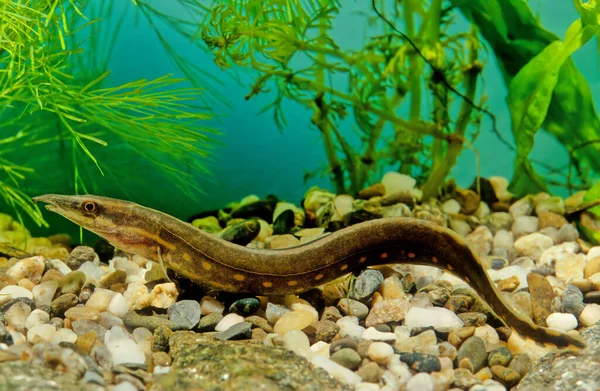
This is one of our best picks that start with F, and it is a relatively large species of spiny eels. It is endemic to freshwaters of southeast Asia, but it is also one of the much-traded pets in the aquarium hobby.

Fire Eels in aquarium

Unlike true electric eels, this spiny fish is not a true eel. It is a fish with an elongated body and a fine pointed snout. It has a compact body that flattens into the caudal fin to form an extended tail fin. Fire eels have a base color of dark brown or grey with a lighter color variation for the underbelly.

It is the largest fish species in the Mastacembelidae family. It can grow up to 39.6 inches. It is usually housed in larger aquariums, and it does well in a well-planted community tank, as it is an omnivore. Their food in the wild includes plant matter, insect larvae, small crustaceans, etc. They also eat smaller fish.

But you do not want to pair them with other bottom dwellers like the fighting loach as they tend to be aggressive to smaller tankmates.

Flying Fox (Epalzeorhynchus kallopterus)

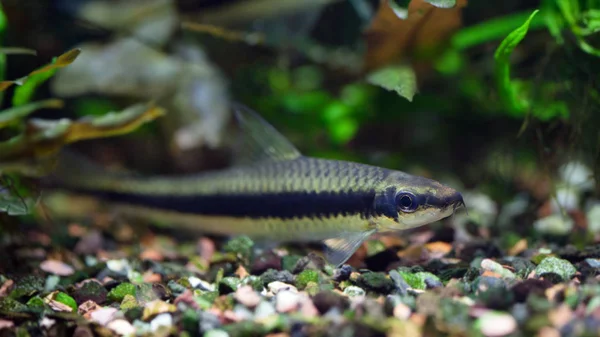
This is a southeast Asian cyprinid commonly kept as a pet in the hobby. It is an ornamental fish and is a prolific omnivore. It is usually known as an algae eater and is often mistaken for the Siamese algae eater.

shot of Flying Fox in aquarium

Flying foxes can grow up to 6 inches but are frequent victims of stunting in aquariums. Their average length in the aquarium is 4 inches. They are bottom dwellers and will do well in an adequately lit tank as they forage for algae. You also want to use gravel for the substrate.

They are compatible with many other fish but may become territorial against their kind if you keep a group in a fish tank.

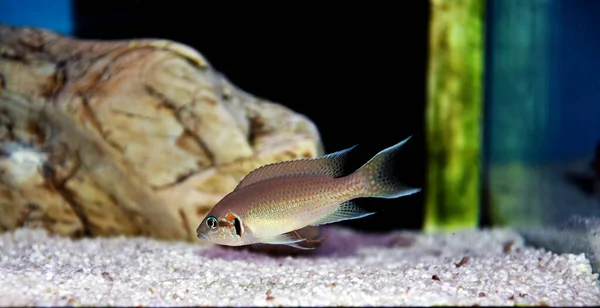
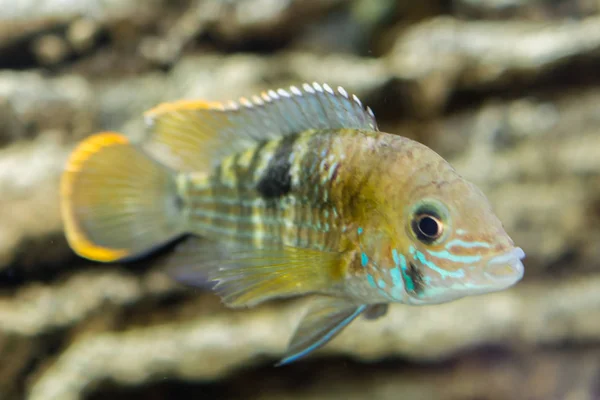
Fairy Cichlids (Neolamprologus brichardi)

Lyretail cichlid is another common name for this beautiful fish. Many other aquarists may refer to it as Princess Cichlid, Princess of Burundi, and Brichard’s lamprologus. Fairy cichlids are beautiful fish indeed, but they do not have wings or the magical powers of fairies.

Photo of small fairy cichlids in aquarium

Fairy cichlid belongs to the Neolamphrologus genus, which is endemic to the hard waters of the Lake Tanganyika in East Africa. It has a compact body with a long tail fin like the shape of a lyre. It usually has two dark spots beside the eyes. Unlike many smaller fish that grow only about 2 inches, lyretail cichlids grow 4 inches.

They are usually hostile and will become even more aggressive during the spawning season as they protect their eggs.

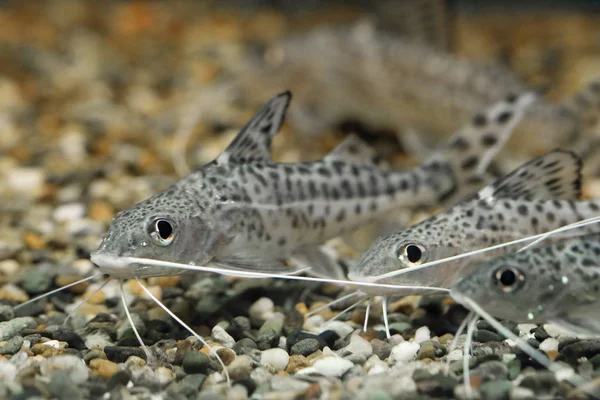
Featherfin Catfish (Synodontis eupterus)

This fish is native to the Chad Basin, the Volta and Niger Rivers, and even the basins of the White Nile.

Photo of three eatherfin Catfish together

They usually grow up to the maximum length of 12 inches, and of course, they grow barbels like normal catfish. It likes a well-planted fish tank or one with a dim light as it is a shy fish.

They like to swim at the bottom of the tank while exploring the hides and covers below. Although they are bottom dwellers, you do not want to mix your Featherfin synodontis with other aggressive pets like Malawi or Tanganyikan cichlids.

You do not also want to keep them with other predatory bottom dwellers to prevent a scenario where they become food to the larger pet fish.

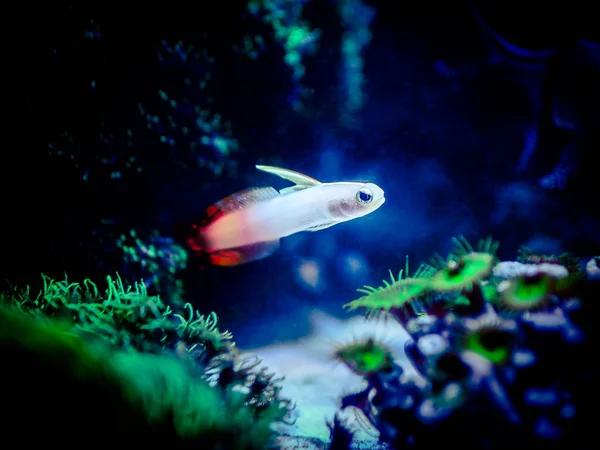
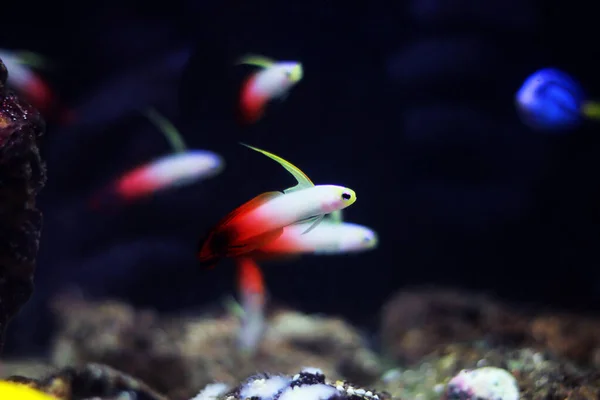
Fire Goby (Nemateleotris magnifica)

This is not the least of our top picks with fish names that start with the letter F. Fire gobies are the marvel of the Indian and Pacific oceans.

They have a cool pink and somewhat yellow tail and a white head. They are fun saltwater fish, and they swim pretty fast. Some people even call them Dartfish.

Beautiful and focus shot of a small Fire Goby

You will typically find them living in burrows, either as a peaceful pair or alone. But you can find juveniles in peaceful groups. As omnivores, their food should include meat and plant matter.

Thinking about cute saltwater pets? Fire gobies are at the top of the list.

List of Fish Beginning with F

Check out the lists below:

Freshwater Fish Beginning with F

  • Fairy Cichlid (Neolamprologus brichardi)
  • False Bumblebee Catfish (Leiocassis stenomus)
  • False Moray (Chlopsis bicolor)
  • Fathead Bichir (Polypterus weeksii)
  • Feather-Barbel Catfish (Opsodoras stubelii)
  • Featherfin (Hemigrammus unilineatus)
  • Featherfin Synodontis (Synodontis eupterus)
  • Festivum (Mesonauta festivus)
  • Fighting Loach (Nemacheilus notostigma)
  • Filament Tetra (Bryconaethiops microstoma)
  • Fingerfish (Monodactylus argenteus)
  • Fire Bar Danio (Devario maetaengensis)
  • Fire Eel (Mastacembelus erythrotaenia)
  • Fire Stingray (Potamotrygon henlei)
  • Fire Tail (Epalzeorhynchus bicolor)
  • Fire-Tailed Gudgeon (Hypseleotris galii)
  • Firemouth Cichlid (Thorichthys meeki)
  • Five-Banded Barb (Barbus pentazona)
  • Five-Bar Cichlid (Neolamprologus tretocephalus)
  • Five-Spot African Cichlid (Thysochromis ansorgii)
  • Flag Cichlid (Laetacara curviceps)
  • Flag-Tailed Catfish (Dianema urostriata)
  • Flag-Tailed Corydoras (Corydoras robineae)
  • Flagfish (Jordanella floridae)
  • Flagtail (Kuhliidae sandvicensis)
  • Flame Tetra (Hyphessobrycon flammeus)
  • Flat-Whiskered Catfish (Pinirampus pirinampu)
  • Flathead Catfish (Pylodictis olivaris)
  • Flier (Centrarchus macropterus)
  • Florida Gar (Lepisosteus platyrhincus)
  • Fly River Rainbowfish (Melanotaenia sexlineata)
  • Fly-Speckled Hardyhead (Craterocephalus stercusmuscarum)
  • Flying Fox (Epalzeorhynchus kallopterus)
  • Forehead Brooder (Kurtus indicus)
  • Fork Tailed Lamprologus (Neolamprologus furcifer)
  • Four-Barred Tigerfish (Datnioides quadrifasciatus)
  • Four-Eyed Fish (Anableps sp.)
  • Four-Spine Cichlid (Neolamprologus tetracanthus)
  • Four-Stripe Julie (Julidochromis regani)
  • Freiberg’s Peacock (Aulonocara jacobfreibergi)
  • Freiberg’s Peacock Cichlid (Aulonocara jacobfreibergi)
  • Freidrichsthal’s Cichlid (“Cichlasoma” freidrichsthalii)
  • Freshwater Barracuda (Ctenolucius hujeta)
  • Freshwater Bat Fish (Myxocyprinus asiaticus)
  • Freshwater Eel (Anguilla rostrata)
  • Freshwater Hatchetfish (Carnegiella marthae)
  • Freshwater Moray Eel (Echidna rhodochilus)
  • Freshwater Ray (Potamotrygon hystrix)
  • Freshwater Shark (Glyphis glyphis)
  • Frogfish (Antennarius striatus)
  • Frogmouth Catfish (Chaca chaca)
  • Fusilier Fish (Caesionidae Family)

Saltwater Fish Beginning with F

  • False Brotula (Parabrotula plagiophthalmus)
  • False Cat Shark (Pseudotriakis microdon)
  • False Trevally (Lactarius lactarius)
  • Fangtooth (Anoplogaster cornuta)
  • Fathead Sculpin (Cottunculus microps)
  • Fierasfer (Carapus sp.)
  • Filefish (Stephanolepis hispidus)
  • Finback Cat Shark (Eridacnis radcliffei)
  • Firefish (Nemateleotris decora)
  • Fire Goby (Nemateleotris magnifica)
  • Flabby Whale Fish (Cetomimus gillii)
  • Flagblenny (Emblemaria atlantica)
  • Flagfin (Latropiscis purpurissatus)
  • Flashlight Fish (Anomalops katoptron)
  • Flatfish (Pleuronectiformes [Order])
  • Flathead (Platycephalidae [Family])
  • Flounder (Paralichthys albigutta)
  • Flying Fish (Parexocoetus brachypterus)
  • Flying Gurnard (Dactylopterus volitans)
  • Footballfish (Himantolophus groenlandicus)
  • French Angelfish (Pomacanthus paru)
  • Frigate Mackerel (Auxis thazard)
  • Frilled Shark (Chlamydoselachus anguineus)

Related:
Fish Names That Start With F - Featured Image

source https://aquariumlabs.com/fish-that-start-with-f/

Fish That Start With D [Extensive Freshwater & Saltwater Fish Name List]

Dwarf sucker catfish (Otocinclus vittatus) is an example of a fish name that starts with the letter D. Many other freshwater and saltwater fishes kept as pets in aquariums are also examples. 

Whether you are interested in these fish for advertisements or making a list of alphabetized fish names, this article can help you learn the fish names that start with D and more!

Check out our top 5 picks. Pay attention to each common name as you do!

Our Top 5 Fish Names Beginning With Letter D

Dwarf Cichlid (Apistogramma nijsseni)

Dwarf cichlid is a family name for many a lot of Apistogramma species. Apistogramma is a genus, and many species, including the A. cacatuoidesA. macmasteri, and a few others, have been selectively bred by aquarium hobbyists.

close up photo of yellow Dwarf Cichlid as one of the fish names that start with D

They usually grow up to a maximum length of 3 inches, and most of the species under the genus are sexually dimorphic. A distinctive feature about them is that they are brightly colored fish.

They are very active bottom dwellers. If you are looking for tankmates, top dwellers are a perfect choice for them. They are also very interactive. You will notice that they spot you from afar and are always ready to greet you as you approach the tank.

They are pretty cool to keep.

Dartfish (Nemateleotris magnifica)

Dartfish is a popular ornamental saltwater option in the aquarium hobby. Other common names for this beauty are fire goby, Magnificent dartfish, fire dartfish, and red fire goby. As its scientific name suggests, it is a truly magnificent fish.

Photos of Dartfish in aquarium

If you are interested in having a colorful pet in your aquarium, this fish species is the fish to keep.

You cannot keep plenty firefish as they often become aggressive toward other fish of the same family. But you can buy a bonded pair.

You can feed them brine shrimp and Mysis shrimp, but you want to feed them only twice a day. They also eat the zooplankton in the aquariums.

Danio Sp. or Zebra Danio

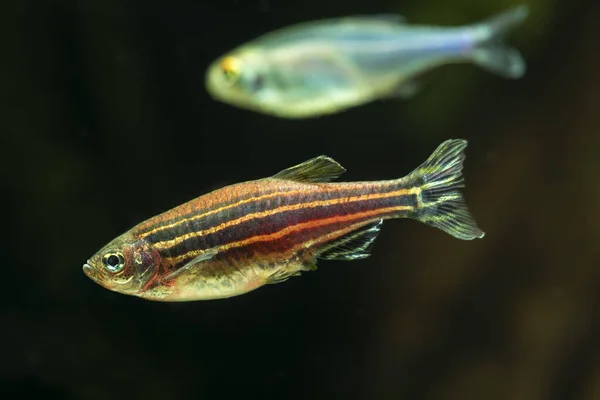
Are you in search of an alternative to Tetras? Danio sp. is the perfect pet for your aquariums. These small cyprinids are related to barbs and rasboras as they all belong to the Cyprinidae family.

a beautiful shot of two Danio Sp with a clear and a blurry one at the back

Their scientific names vary as there are different species in the same genus, Danio. For example, there is the black-barred Danio Danio absconditus, Panther Danio Danio aesculapii, and the Moustached Danio Danio dangila.

They are typically small as their maximum length is usually no more than 2 inches. Keeping a group of about 5-6 makes them peaceful in the aquarium. They tend to be stressed and aggressive when you don’t keep them in groups.

Dwarf Gouranmi (Trichogaster lalius)

Dwarf Gouramis are native to the slow-moving freshwater bodies of Pakistan, India, and Bangladesh. There are many species, and each of these other species has its distinct scientific and common name. They also have come in various colors, with some having a very brilliant blue color.

They are peaceful and are pretty unique for their shy nature. Dwarf Gouramis are small, growing only up to a maximum length of 3.5 inches. You want to keep plenty Dwarf Gouramis to avoid putting them under stress.

Dwarf Gouramis, unlike other fish, can take in oxygen straight from the air to supplement the oxygen they get with their gills. They do this efficiently with the help of a unique labyrinth organ. In aquariums, you can replicate the natural habitat of Dwarf Gourami by including live plants in the tank.

Dwarf Giraffe Catfish (Anaspidoglanis macrostoma)

Like a loach, the Dwarf Giraffe cat is a bottom dweller. This predatory fish uses its long barbels and sharp teeth to find food at the bottom of the aquarium. It is a shy browser and will only come out at night.

Other scientific names for this fish include Parauchenoglanis macrostoma and Auchenoglanis macrostoma. It is common to find this fish peaceful with other big fish in the tank but aggressive and even territorial to its kind.

Growing up to 9.5 inches, this fish is no ordinary browser. It is a voracious eater with pretty sharp teeth. It will eat most fish food that you feed it; shrimp, crustaceans, and bloodworms.

You want to replicate their natural habitat by keeping them in aquariums with a soft sandy substrate as they love to dig. You also want to keep some live plants in the water for covers.

List of Fish Beginning With D

Check out the lists below to learn of saltwater and freshwater fish species with names that begin with D.

Freshwater Fish Beginning with D

  • Dace (Leuciscus leuciscus)
  • Daggertooth Pike Conger (Muraenesox cinereus)
  • Darter (Percina pantherina)
  • Dawn loach (Botia striata)
  • Dawn tetra (Aphyocharax paraguayensis)
  • Debauwi Cat (Pareutropius buffei)
  • Decorated synodontis (Synodontis decorus)
  • Deepwater hap (Placidochromis electra)
  • Delta Smelt (Hypomesus transpacificus)
  • Denison’s Flying Fox (Crossocheilus denisonii)
  • Denticle Herring (Denticeps clupeoides)
  • Desert Pupfish (Cyprinodon macularius)
  • Devario (Devario auropurpureus)
  • Dew Fish (Tandanus tandanus)
  • Diamond tetra (Moenkhausia pittieri)
  • Dickfeld’s Julie (Julidochromis dickfeldi)
  • Disco fish (Chanda sp.)
  • Discus (Blue) (Symphysodon aequifasciatus haraldi)
  • Discus (Green) (Symphysodon aequifasciatus aequifasciatus)
  • Dogtooth Cichlid (Cynotilapia afra)
  • Dogtooth Tetra (Cynodontidae)
  • Dojo Loach (Misgurnus anguillicaudatus)
  • Dolphin Catfish (Oxydoras niger)
  • Dorab Wolf-Herring (Chirocentrus dorab)
  • Dorado (Salminus hilarii)
  • Dorsey’s pimelodid (Pimelodella dorseyi)
  • Dotted-line barb (Barbus lineomaculatus)
  • Dovii (Parachromis dovii)
  • Dragon Fish (Gobioides broussonneti)
  • Dragon Goby (Gobioides broussonnetii)
  • Dusky Black-Striped Barb (Barbus eutaenia)
  • Dusky Corydoras (Corydoras septentrionalis)
  • Dusky Doradid (Anadoras grypus)
  • Dusky Grouper (Epinephelus marginatus)
  • Dusky Pimelodid (Pimelodus blochii)
  • Dusky Piranha (Pristobrycon calmoni)
  • Dwarf Cichlid (Apistogramma nijsseni)
  • Dwarf Corydoras (Corydoras hastatus)
  • Dwarf Croaking Gourami (Trichopsis pumilis)
  • Dwarf Distichodus (Distichodus decemmaculatus)
  • Dwarf Driftwood Catfish (Tatia creutzbergi)
  • Dwarf Giraffe Catfish (Anaspidoglanis macrostoma)
  • Dwarf Gouranmi (Trichogaster lalius)
  • Dwarf Livebearer (Heterandria formosa)
  • Dwarf Loach (Botia nigrolineata)
  • Dwarf Ornate Bagrid (Pelteobagrus ornatus)
  • Dwarf Otocinclus (Otocinclus macrospilus)
  • Dwarf Pencilfish (Nannostomus marginatus)
  • Dwarf Rainbowfish (Melanotaenia maccullochi)
  • Dwarf Rasbora (Boraras maculatu)
  • Dwarf Snakehead (Channa gachua)

Saltwater Fish Beginning with D

  • Dab (Limanda limanda)
  • Damselfish (Stegastes variabilis)
  • Dartfish (Nemateleotris magnifica)
  • Dealfish (Desmodema polystictum)
  • Death Valley Pupfish (Cyprinodon salinus)
  • Deep Sea Eel (Serrivomer sector)
  • Deep Sea Smelt (Bathylagus euryops)
  • Deepwater Cardinalfish (Epigonus pandionis)
  • Deepwater Flathead (Bembradium roseum)
  • Deepwater Stingray (Plesiobatis daviesi)
  • Devil Ray (Mobula mobular)
  • Dhufish (Glaucosoma hebraicum)
  • Diver (Tewara cranwellae)
  • Dogfish (Squalus acanthias)
  • Dolly Varden Trout (Salvelinus malma)
  • Dolphin Fish (Coryphaena hippurus)
  • Dorado (Coryphaena hippurus)
  • Dory (Zeus faber)
  • Dottyback (Manonichthys splendens)
  • Dragonet (Synchiropus ocellatus)
  • Driftfish (Psenes pellucidus)
  • Drum (Micropogonias undulatus)
  • Duckbill (Bembrops gobioides)
  • Duckbill Eel (Venefica tentaculata)
  • Dusky Shark (Carcharhinus obscurus)

Final Thoughts

This piece may not be exhaustive, but the information here is a good starting point to learn about fish that have D at the start of their common names. If you are looking for the answer to that term paper or weekend assignment, this piece is the solution. For more fish names, check our directory.

Fish That Start With D - Featured Image

source https://aquariumlabs.com/fish-that-start-with-d/

Fish Names That Start With R [Extensive Freshwater & Saltwater Fish Name List]

There are many fish names that start with R, from the familiar common names like the Red Congo tetra, the Rainbow Cichlid, and the Red Tailed Rasbora to the bizarre names like the Red Breast Acara, Rusty Frogmouth Catfish, and the Red Fin Pickerel.

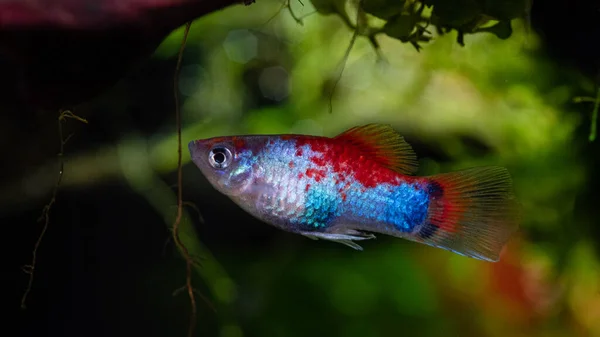
Some with funny names include the Red Tuxedo platy, which does not wear a tux, and the Red finned cigar shark, which does not smoke cigars. But these names are usually in reference to body features that make them stand out.

Xiphophorus maculatus with a plant at the back

There are also others with names that hint at what they do. An excellent example is the Russian weather loach. They are called weather loaches because they become very active when a storm is approaching.

They sense the changes in barometric pressure. They are “living barometers.” It is reported that they are more effective than barometers.

The list is endless, but this article lists some fish names that start with R.

Our Top 5 Fish Names Beginning With Letter R

Red Tailed Catfish (Phractocephalus hemioliopterus)

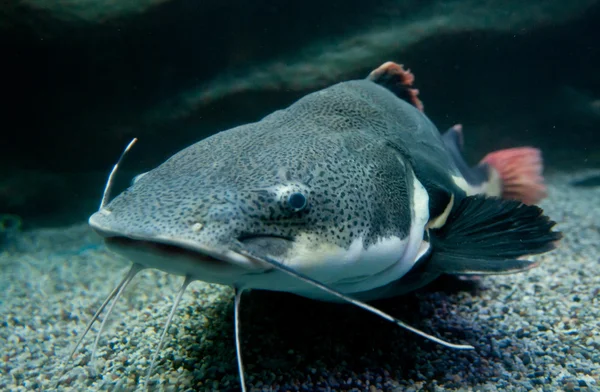
close up photo of Redtail catfish

This freshwater fish is a South American long whiskered catfish. It usually has a very long body that grows as long as 51 inches.

It is a colorful fish with yellow sides, a brownish back, a somewhat white belly, and a red caudal fin. These fish typically stay motionless during the day, but they swim, eat and explore at night or evenings.

It is a large fish usually housed with Pacu or other large fish in the aquarium hobby. The smallest tank size for an adult Redtailed catfish is 2600 gallon tank.

Rainbow Tetra (Nematobrycon palmeri)

Photo of Rainbow Tetra in aquarium with plants at the back

This is a popular fish in the aquarium hobby. It is a peaceful fish species like the Red-eyed tetra and the Rosy Tetra. But like many tetras, it is a shoaling fish and can quickly become aggressive towards others tankmates if you keep less than 6-10 in a tank.

They can also become aggressive if the tank does not have enough room for them to swim around or you choose boisterous tankmates. It is common for males to be territorial.

You want to reduce the tendency for fights with decorations that break their line of sight. This will help to reduce the tendency for a confrontation. They are small growing only as much as 2.5 inches. So you want to avoid tankmates that are big enough to see them as prey.

Redfin Perch (Perca fluviatilis)

Redfin Perch in aquarium with lights coming from above

Other common names for this European fish are Common Perch, European Perch, English Perch, Big-scaled Redfin, and Eurasian Perch. It is a preying fish endemic to the European freshwater basins except for the Iberian Peninsula.

Unlike its saltwater cousins, the Pile Perch and the Shiner Perch, the Redfin Perch has a red caudal fin and red pelvic fins. How big it can grow often depends on the water body where it resides. It grows larger in mainland Europe than it does in the water bodies in Great Britain.

But older perches tend to grow relatively larger than the average 17 inches. Some older perches grow more than 23 inches.

It also has a very long life span. It can live up to 22 years!

It has a mouth that opens wide enough to reach under its mouth. It regularly preys on minnows, roach, and sticklebacks. So you want to avoid Cyprinids if you keep this fish with other fishes in a community tank.

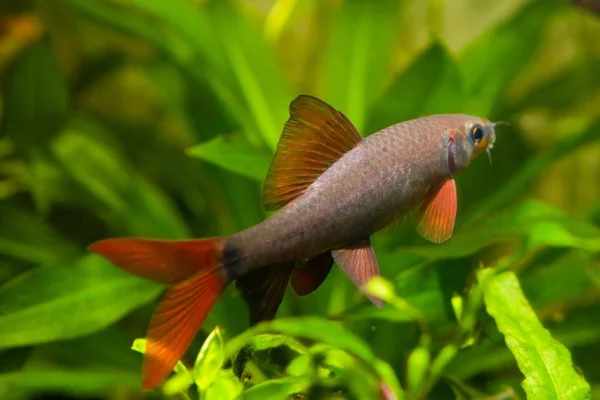
Rainbow Shark (Epalzeorhynchos frenatus)

Rainbow Shark with plants inside an aquarium

Also known as the Red fin shark, this Cyprinid is not a true shark but a ray-finned omnivore. It is native to the rivers in East and South East Asia.

It has a long body with different color variations. The color variations of the body usually differ. Some have a blue body which is either a vibrant or a dark blue body, while others have a black body. It has somewhat red-orange fins and a pointed snout.

Other common names for this fish include Ruby Shark, Redfin Shark, Rainbow Sharkminnow, and the Red finned Shark. The average size of a rainbow shark is 6 inches.

There are many other variants like the Albino Rainbow Shark. But the characteristics are the same as the original rainbow shark except for the change in the body color. Albino Red finned sharks usually have a bleached color. They have a pink body, but the color of their caudal and pelvic fins is red.

It is a semi-aggressive fish but will generally be peaceful if it is the only Redfinned shark in the tank.

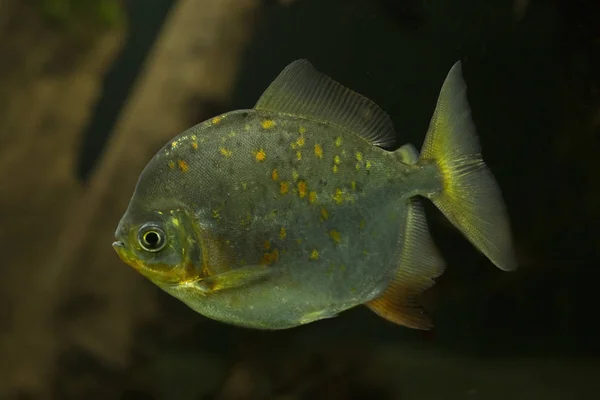
Red Hook Silver Dollar (Myleus rubripinnis)

close up photo of Red Hook Silver Dollar

Redhook Myleus is another common name for this fish. This is a very colorful schooling fish in the hobby.

You can find them throughout the Amazon basin. You want to keep them in large numbers, at least 5 in an aquarium.

It is a great fish to add to your aquarium if you want to have some activity at the top of the fish tank. It is also a good dither fish. Aquarists often use them to reduce timidity and aggression in other fish. But you do not want to use them as dither fish for aggressive fish species.

You can also use them to normal social behavior in other fish in your community aquarium. It is silvery in color and grows up to about 15 inches. It is also a schooling fish as they like to stay in a group together for security.

They love big tanks and will always encourage other shy fish species to come out and interact with others.

List of Fish Names That Start With R

Below are lists of fish names that start with the letter R. The first list contains fish from rivers and other freshwater lakes, while the second has names of fish that live in saltwater water bodies.

Check out the lists to learn more about fish names that start with the letter R.

Freshwater Fish Beginning With R

  • Rachow’s Darter Tetra (Characidium rachovii)
  • Rainbow Cichlid (Herotilapia multispinosa)
  • Rainbow Tetra (Nematobrycon palmeri)
  • Rainbow Trout (Oncorhynchus mykiss)
  • Rainbowfish (Melanotaenia boesemani)
  • Rasbora (Rasbora argyrotaenia)
  • Rathbun’s Bloodfin (Aphyocharax rathbuni)
  • Razorback Sucker (Xyrauchen texanus)
  • Red Aphyosemion (Aphyosemion sjoestedti)
  • Red Base Tetra (Hemigrammus stictus)
  • Red Breast Acara (Laetacara dorsigera)
  • Red Congo Tetra (Alestes imberi)
  • Red Devil (Amphilophus labiatus)
  • Red Fin Otocinclus (Parotocinclus maculicauda)
  • Red Fin Pickerel (Esox americanus americanus)
  • Red Fin Shark (Epalzeorhynchos frenatus)
  • Red Gill Congo Tetra (Phenacogrammus major)
  • Red Gourami (Colisa lalia)
  • Red Grouper (Epinephelus morio)
  • Red Hook Silver Dollar (Myleus rubripinnis)
  • Red Hump Eartheater (Geophagus steindachneri)
  • Red Pacu (Piaractus brachypomus)
  • Red Piranha (Serrasalmus nattereri)
  • Red Rainbowfish (Glossolepis incisus)
  • Red Ram (Microgeophagus altispinosa)
  • Red Rasbora (Rasbora heteromorpha)
  • Red Salmon (Oncorhynchus nerka)
  • Red Salmon Rainbowfish (Glossolepis incisus)
  • Red Shark (Epalzeorhynchos frenatus)
  • Red Snakehead (Channa micropeltes)
  • Red Spot Callochromis (Callochromis pleurospilus)
  • Red Spot Silver Dollar (Metynnis luna)
  • Red Stripe Rasbora (Rasbora pauciperforata)
  • Red Tuxedo Platy (Xiphophorus maculatus)
  • Red Wagtail Platy (Xiphophorus maculatus)
  • Red Zebra (Metriaclima estherae)
  • Red Zebra Mbuna (Pseudotropheus estherae)
  • Red-Bellied Piranha (Serrasalmus nattereri)
  • Red-Breasted Flag Cichlid (Laetacara dorsiger)
  • Red-Eyed Tetra (Moenkhausia sanctaefilomenae)
  • Red-Fin Banded Pencilfish (Nannostomus erythrurus)
  • Redfin Perch (Perca fluviatilis)
  • Red-Finned Cigar Shark (Leptobarbus hoevenii)
  • Red-Finned Loach (Botia lecontei)
  • Red-Finned Pike Cichlid (Crenicichla johanna)
  • Red-Headed Cichlid (Cichlasoma synspilum)
  • Red-Spotted Characin (Copeina guttata)
  • Red-Spotted Cichlid (Cichlasoma bifasciatum)
  • Red-Spotted Pyrrhulina (Pyrrhulina rachoviana)
  • Red-Striped Earth Eater (Geophagus surinamensis)
  • Red-Striped Rainbowfish (Melanotaenia splendida rubrostriata)
  • Red-Tailed Black Shark (Epalzeorhynchus bicolor)
  • Red-Tailed Catfish (Phractocephalus hemioliopterus)
  • Red-Tailed Goodeid (Xenotoca eiseni)
  • Red-Tailed Hemiodopsis (Hemiodopsis microlepis)
  • Red-Tailed Labeo (Epalzeorhynchus bicolor)
  • Red-Tailed Rasbora (Rasbora borapetensis)
  • Red-Tailed Shark (Epalzeorhynchos bicolor)
  • Red-Tipped Bleeding Heart Tetra (Hyphessobrycon pyrrhonotos)
  • Redhorse Sucker (Moxostoma carinatum)
  • Regan’s Pike Cichlid (Crenicichla regani)
  • Rice Swamp Eel (Monopterus albus)
  • Ricefish (Oryzias woworae)
  • Riffle Dace (Rhinichthys cobitis)
  • Ring-Tailed Pike Cichlid (Crenicichla saxatilis)
  • Rio Grande Perch (Herichthys cyanoguttatus)
  • Rio Madeira Apistogramma (Apistogramma sp.)
  • Rio Meta Pimelodid (Pimelodella metae)
  • River Barb (Barbus barbus)
  • River Loach (Balitoropsis zollingeri)
  • River Shark (Glyphis glyphis)
  • River Stingray (Potamotrygon motoro)
  • Rivuline (Aplocheilus lineatus)
  • Roach (Rutilus rutilus)
  • Roanoke Bass (Ambloplites cavifrons)
  • Roanoke Hog Sucker (Hypentelium roanokense)
  • Rock Bass (Ambloplites rupestris)
  • Rocket Danio (Danio feegradei)
  • Rockling (Molva molva)
  • Rohu (Labeo rohita)
  • Roloff’s Kribensis (Pelvicachromis roloffi)
  • Ronquil (Bathymaster signatus)
  • Ropefish (Erpetoichthys calabaricus)
  • Rostratus (Fossorochromis rostratus)
  • Rosy Barb (Puntius conchonius)
  • Rosy Danio (Danio roseus)
  • Rosy Tetra (Hyphessobrycon bentosi rosaceus)
  • Rough Fish (Myxocyprinus asiaticus)
  • Rough Sculpin (Cottus asperrimus)
  • Round Whitefish (Prosopium cylindraceum)
  • Royal Knifefish (Chitala blanci)
  • Royal Pleco (Panaque nigrolineatus)
  • Royal Whiptail Farlowella (Sturisoma panamense)
  • Ruby Shark (Epalzeorhynchos frenatum)
  • Rudd (Scardinius erythrophthalmus)
  • Ruffe (Gymnocephalus cernua)
  • Rummynose Tetra (Hemigrammus bleheri)
  • Russian Bitterling (Acanthorhodeus asmussi)
  • Russian Weather Loach (Misgurnus bipartitusis)
  • Rusty Frogmouth Catfish (Chaca bankanensis)

Saltwater Fish Beginning with R

  • Rabbitfish (Siganus vulpinus)
  • Raccoon Butterfly Fish (Chaetodon lunula)
  • Ragfish (Icosteus aenigmaticus)
  • Ratfish (Hydrolagus colliei)
  • Rattail (Coryphaenoides leptolepis)
  • Ray (Batoidea sp.)
  • Razorfish (Aeoliscus strigatus)
  • Red Snapper (Lutjanus campechanus)
  • Red Velvetfish (Gnathanacanthus goetzeei)
  • Red Whalefish (Barbourisia rufa)
  • Redfish (Centroberyx affinis)
  • Redlip Blenny (Ophioblennius macclurei)
  • Redmouth Whalefish (Rondeletia bicolor)
  • Redtooth Triggerfish (Odonus niger)
  • Reedfish (Erpetoichthys calabaricus)
  • Reef Triggerfish (Rhinecanthus rectangulus)
  • Remora (Remora remora)
  • Requiem Shark (Galeocerdo cuvier)
  • Ribbon Eel (Rhinomuraena quaesita)
  • Ribbon Sawtail Fish (Idiacanthus fasciola)
  • Ribbonfish (Desmodema polystictum)
  • Ridgehead (Scopelogadus mizolepis mizolepis)
  • Righteye Flounder (Pleuronectes platessa)
  • Rock Beauty (Holacanthus tricolor)
  • Rock Cod (Lotella rhacina)
  • Rockfish (Sebastes carnatus)
  • Rockweed Gunnel (Apodichthys fucorum)
  • Roosterfish (Nematistius pectoralis)
  • Rough Scad (Trachurus lathami)
  • Roughy (Hoplostethus atlanticus)
  • Round Stingray (Urobatis halleri)
  • Roundhead (Plesiops coeruleolineatus)
  • Rudderfish (Centrolophus niger)
  • Russian Sturgeon (Acipenser gueldenstaedtii)

Fish Names That Start With R - Featured Image

source https://aquariumlabs.com/fish-that-start-with-r/

Fish That Start With X [Extensive Freshwater & Saltwater Fish Name List]

As strange as it is, there are fish names that start with x, and they are numerous. Some are freshwater fish species that are endemic to the river and streams of the Asian and Southeast Asian basins.

Others are saltwater fishes native to the oceans like the eastern pacific ocean, the western Indian ocean, and many others.

They have different features ranging from their respective average length to modified scales. These features help them cope with their environments.

Researching fish that start with X? Check out this article to learn about them.

Our Top 12 Fish Names Beginning With Letter X

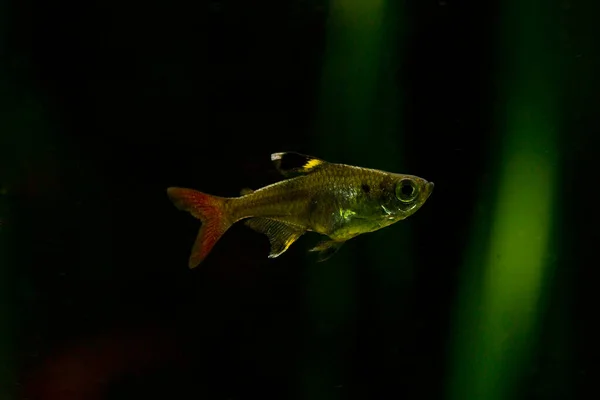
X Ray Tetra

photo of small X-ray fish

Another common name for this fish species is Golden Pristella Tetra; It is a modification of its Latin name.

X-ray tetra grows up to an average length of 2 inches. It has an almost transparent body. This is the reason it is called an X-ray tetra. This body structure helps protect it from predatory fish as they blend in with the environment.

You must keep in mind that the X-ray tetra is a schooling fish and should be kept in a group of no less than 6 in a tank. Staying in a group helps them feel secure.

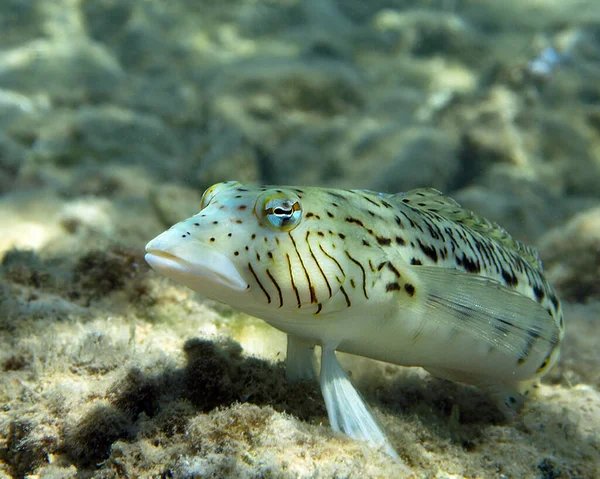
Xanthogramma Sandperch

photo of Xanthogramma Sandperch in aquarium

Sandsmelt and Spotted Grubfish are common names for this tropical marine fish. It is a bony fish in the Pinguipedidae family.

Although endemic to the western Indo Pacific ocean, you can find this fish in the red sea and even around the east coast of Africa. It loves to stay in shallow waters.

Its maximum length is usually about 11 inches. It has a cylindrical body with a flattened end. Its eyes are close to each other, and it spends most of its time resting on the seabed.

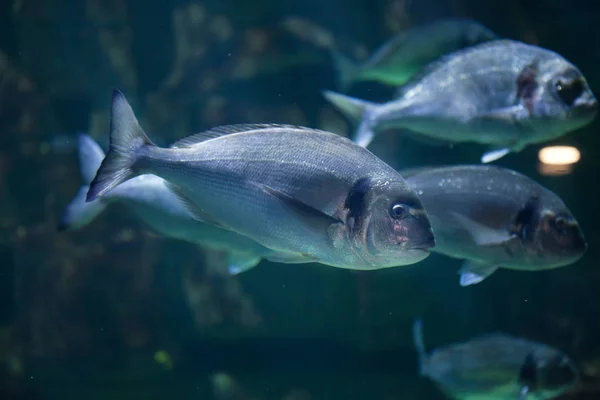
Xantic Sargo

Photo of a Xantic Sargo in an aquarium

This nimble fish is endemic to the western Indian and eastern Atlantic oceans. You will typically find them in reef environments, around rocky weed-covered areas.

It has a generally silvery body and can grow up to a maximum length of 23 inches.

But its average length is 11.8 inches. It feeds on smaller animals in the oceans. These include smaller crustaceans and mollusks.

Xiphophorus Hellerii

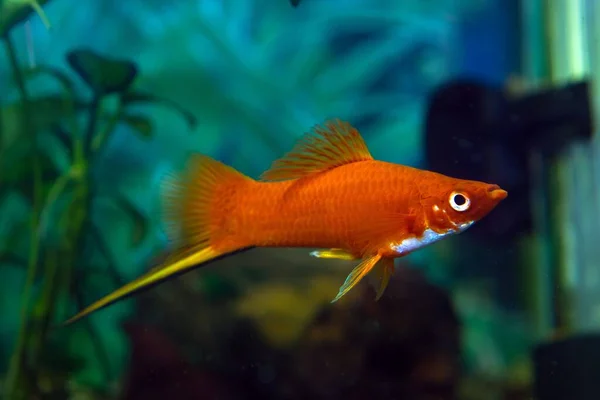
Orange Xiphophorus Hellerii in aquarium

This fish is also generally known by the common name Swordtail fish. It is closely related to the Xiphophorus maculatus (southern platyfish). It is from the family Poeciliidae.

Although it is a freshwater fish, it is known to tolerate and survive in brackish waters. The males are smaller than the females. They grow to a maximum length of 5.5 inches, while the females grow as big as 6.3 inches.

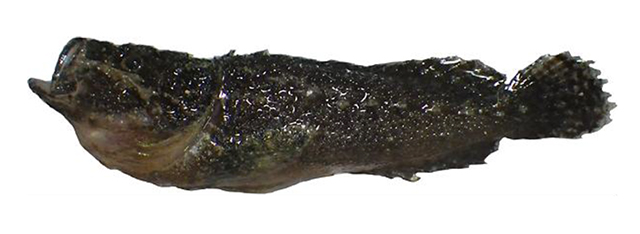
Xenaploactis Asperrima

Xenaploactis Asperrima

This ray-finned tropical marine fish is common in the Western central pacific of the East Indies. Its usual length is 1.5 inches, and its body is covered with scales that form bony projections.

It is the largest species in the Xenaploactis genus. It has an upturned mouth, and its head is full of sharp spines.

Xenaploactis Cautes (Rough velvetfish)

Xenaploactis Cautes (Rough velvetfish)

This fish species is one of the Xenoploactis species. It is endemic to the western pacific ocean. They also inhabit the eastern Indian ocean.

You can find this fish in the Gulf of Thailand, Western Australia, and the Gulf of Carpentaria in Queensland.

Its usual length is between 1.10 inches to 1.6 inches.

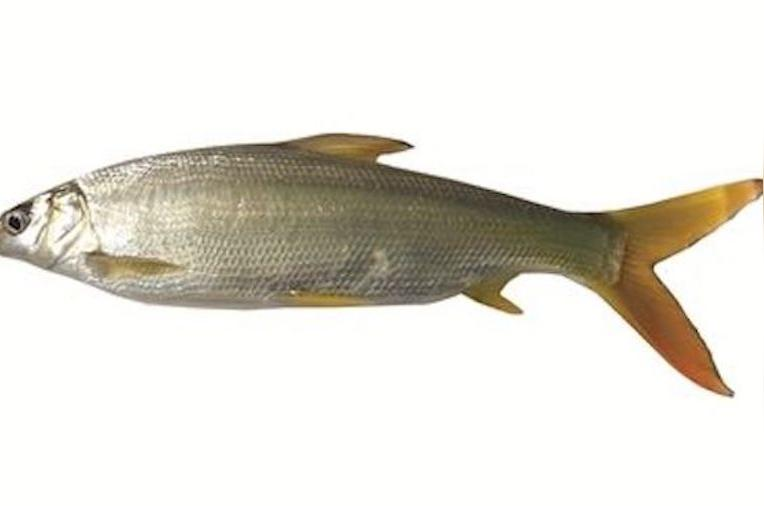
Xenocypris Davidi

Xenocypris Davidi

This freshwater fish is native to the southeast coast of China. It is an omnivore, but its main diet includes plant matter, humus, and alga.

It reaches a maximum length of 15 inches. But on average, it reaches about 7.8 inches in 2 years.

It has a gray back and a white abdomen. It likes to dwell in the mid and lower layer of the water body.

Xenomystax Trucidans

Xenomystax Trucidans

The Xenomystax Trucidans is a bottom-dwelling eel common in the western Indian ocean. It is a deep-sea bottom dweller and is usually found at a depth of 1300-2600 ft.

Males usually grow very big. They can reach a shocking length of 25 inches. Due to the limited number of available specimens for research, the UICN Redlist has this beautiful marine fish under the Data deficient category. The information on this species is insufficient at the moment.

Xenisthmus Balius

Xenisthmus Balius

A general name for this fish species is Freckled wriggler. It is another tropical marine fish on our list of fish names that start with the letter X. It is common in the western part of the Indian ocean.

This fish is a blue ray-finned fish species and grow up to an inch long. It lives deep in the water at a depth of about 56ft. It is part of the genus Xenisthmus in the family Xenisthmidae.

Xenisthmus Clarus

Xenisthmus Clarus

This is another tropical marine fish in the same genus but not the same family as the Xenisthmus Balius. It is commonly called the Clear wriggler.

It is endemic to the western pacific ocean. It is an exceptional fish that prefers intertidal and coral reef areas for habitation.

Xenichthys Xanti

The Xenichthys Xanti is also known as the Longfin Salema. It is native to the Eastern Pacific ocean, particularly the southern Gulf of California down to Peru.

Longfin Salema can grow up to 9.4 inches, but it is common to find them growing to only about 7.1 inches. It usually has an oval body and a small mouth. It has a pointed lower jaw and very large eyes.

This tropical marine fish is an egglayer. It gives birth to younger ones by laying eggs.

Xyliphius Barbatus

Xyliphius Barbatus

This small species of Banjo catfish from South America is the last but not the least of fish names that start with the letter X.

It is endemic to the Paraguay-Paraná River system basin in Argentina. It is a freshwater fish that usually grows to 3.6 inches. These ray-finned fish do not have adipose fins. They typically have the appearance of a stringed instrument called the banjo.

Also, their bodies are not covered with scales.

List of Fish That Start with X

  • Xenocyprioides Carinatus
  • Xiphophorus Hellerii
  • Xenocypris Davidi
  • Xenistius Peruanus
  • Xenobalistes tumidipectoris
  • Xenobarbus Loveridgei
  • Xenocephalus Australiensis
  • Xenocharax Spilurus
  • Xenochromis Hecqui
  • Xenomystax Austrinus
  • Xenomystax bidentatus
  • Xenomystax trucidans
  • Xenophallus umbratilis
  • Xenocypris fangi
  • Xenocypris hupeinensis
  • Xenocypris medius
  • Xenodermichthys nodulosus
  • Xenophthalmichthys danae
  • Xenotilapia boulengeri
  • Xenotoca eiseni
  • Xenotilapia burtoni
  • Xenophysogobio boulengeri
  • Xenophysogobio nudicorpa
  • Xenopterus naritus
  • Xenotilapia bathyphila
  • Xenotilapia caudafasciata
  • Xenotilapia leptura
  • Xenotilapia longispinis
  • Xenotilapia melanogenys
  • Xenotilapia nasus
  • Xenotilapia nigrolabiata
  • Xenotilapia ochrogenys
  • Xenotilapia ornatipinnis
  • Xenotilapia papilio
  • Xenotilapia rotundiventralis
  • Xenotilapia spiloptera
  • Xenurobrycon pteropus
  • Xenotilapia tenuidentata
  • Xenurobrycon coracoralinae
  • Xenurobrycon heterodon
  • Xenurobrycon macropus
  • Xenurobrycon polyancistrus
  • Xiphophorus kosszanderi
  • Xiphophorus mayae
  • Xestochilus nebulosus
  • Xestus sabretooth blenny
  • Xingu corydoras
  • Xiphophorus kallmani
  • Xiphophorus multilineatus
  • Xiphophorus roseni
  • Xiphophorus signum
  • Xiurenbagrus gigas
  • Xyliphius lombarderoi
  • Xyliphius magdalenae
  • Xyliphius melanopterus
  • Xiurenbagrus xiurenensis
  • Xyelacyba myersi
  • Xyliphius barbatus
  • Xyliphius kryptos
  • Xyliphius lepturus
  • Xyrias guineensis
  • Xyrias revulsus
  • Xyrichtys cyanifrons
  • Xyrichtys geisha
  • Xyrichtys pastellus
  • Xyrichtys rajagopalani
  • Xyrichtys verrens
  • Xyrichtys virens
  • Xyrichtys wellingtoni
  • Xyrichtys woodi
  • Xystreurys rasile
  • Xyrichtys incandescens
  • Xyrichtys javanicus
  • Xyrichtys koteamea
  • Xyrichtys niger

Final Thoughts

This article is not exhaustive, but it is an excellent place to start if you want to learn about fish names that start with X.

Remember, learning continues, so while you already know these fish species, you will come across more in the nearest future.

Image Credit:
Fish That Start With X - Featured Image

source https://aquariumlabs.com/fish-that-start-with-x/

A-Z Fish Names for Freshwater and Saltwater Fish

When referring to aquarium fish, the majority of people utilize popular, yet common names.

Unfortunately, a single name can refer to a number of different fish.

The scientific name, which is generally in Latin, should be used when seeking information.

In most situations, the formal scientific name will be italicized, with the first word capitalized.

For example, a Chocolate Cichlid is Hypselecara coryphaenoides in the scientific name, where the first word refers to the animal genus and the second to the specific species within that genus.

Use these common-to-scientific name reference links below to look up the scientific names of different freshwater and saltwater aquarium fish.

Fish Names That Start With Category Featured Image

source https://aquariumlabs.com/fish-names/

Can Goldfish Eat Algae Wafers?

There are many goldfish species in the fish-keeping hobby, but one common thing about them all is that they all eat plants and smaller animals. As such, their main diet must include high protein and fiber to remain healthy.

It is common knowledge that goldfish eat algae. And unlike many other fish, they eat almost anything they find edible.

But can goldfish eat algae wafers? In case you are wondering, this article discusses the answer.

You will also learn how much algae wafer your goldfish can consume.

Can Goldfish Eat Algae Wafers?

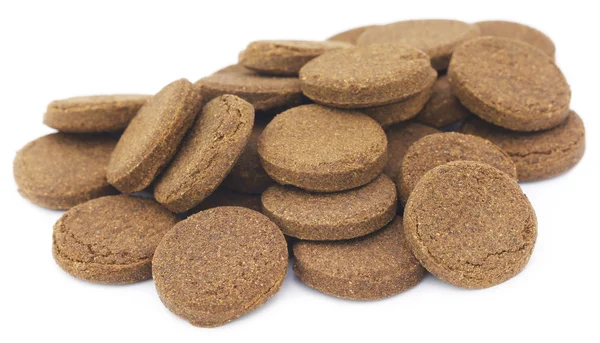
https://depositphotos.com/stock-photos/wafer-tablet.html

Yes, you can feed your goldfish algae wafers. It is a healthy snack for your goldfish, and they will love it. Goldfish can and will eat algae wafers.

Goldfish are always hungry and will eat anything edible they find in the tank. They can eat algae wafers, but you do not want them to eat too many algae wafers.

Algae wafers are compressed algae, vegetables, other plant matter, and many other nutritious ingredients.

The compressed vegetable matter is usually mixed with other ingredients such as fish meal, pea protein, spirulina, vitamins, minerals, etc.

Algae wafers are a better choice for a snack than letting them feed on the algae in the aquarium. It is best used as a snack as it does not contain all the needed nutrients your goldfish needs for healthy growth.

Are Algae Wafers an Ideal Snack for Goldfish?

Yes, algae wafers are ideal for your goldfish but only as a snack! It offers extra nutrients, making it an excellent snack to complement the staple fish food you feed your goldfish.

Algae wafers contain ingredients that can help your goldfish with improved digestion.

It can also help your goldfish excrete waste easier, leading to improved health conditions for your goldfish.

But it is not ideal to make it part of the main diet for your goldfish. It is only suitable as a much healthier snack.

Although it contains some nutrients for your fish, it does not supply all your goldfish needs.

It is remarkably low in protein and incorporates fillers that should not be fed to your goldfish. This is especially true of low-quality brands.

You want your goldfish to eat a properly balanced diet that answers the specific dietary needs of the species you are keeping.

You want a fish food brand high in protein and fiber to meet the omnivorous needs of your fish.

Algae wafers do not satisfy this need and, as such, should not be used as a staple food for your goldfish.

How Much Algae Wafers Can You Feed Goldfish?

You can let your goldfish eat algae wafers, but you do not want them to eat too much.

Feeding them algae wafers every day is not ideal. They need a balanced diet; a proper ratio of protein and fiber.

Ensure that they get only what they can finish in less than 2 minutes. To be safe, let your goldfish eat algae wafers only as much as the size of its eye.

Feeding them algae wafers every day is not ideal. You want to provide them with this snack once in a while.

Is Algae Good for Your Goldfish?

No. It is not. Unlike the algae wafer, it offers little or no nutrients to your goldfish.

While it will not directly hurt your goldfish, too much algae in the goldfish tank can kill goldfish indirectly.

Algae growth in the fish tank can be a problem for two reasons.

First, your goldfish will eat algae to satisfy its voracious appetite. When it does this, it is likely to stop eating the nutritious fish food you feed it.

This will inevitably lead to health issues in the long run as it starves itself of vital nutrients, which algae alone does not provide.

The second is that the growth of algae in the tank reduces how much oxygen is available to your goldfish.

It also increases the amount of carbon dioxide in the water, which is harmful to your fish.

When the carbon dioxide in your tank reaches more than 30PPM, your goldfish will struggle for oxygen.

This can lead to death. You may just walk to your green tank and find your goldfish lifeless and floating upside down in the tank.

So while eating algae may not kill your goldfish directly, it can cause health issues that can kill your fish.

And too much algae in the tank can also kill goldfish. So it is doubtful whether algae is good for your goldfish.

How To Prevent Too Much Algae in Your Goldfish Tank

Use Algae Eaters

https://depositphotos.com/stock-photos/dwarf-sucker-catfish.html

Tankmates that feed on algae are a remarkable and biological way to control algae growth in your goldfish tank.

Adding a few algae eaters to the party is one of the best ways to prevent too much algae in your goldfish tank.

You want to add ravenous algae eaters like Plecos, Nerite snails, Siamese algae eaters, and Dwarf Oto catfish to the goldfish tank.

Since goldfish are hardy freshwater species, many algae-eating tankmates will pair well.

But you want to pick suitable tankmates since goldfish are bottom dwellers and will only come to the surface if the oxygen level in the water is low.

Remember to feed your algae eater, as most cannot survive on algae alone.

But if you choose nerite snails, you do not have to provide them with food. They can survive and flourish on algae alone.

Frequent Water Changes

You can reduce algae growth in your fish tank with partial water changes.

Algae growth depends on the availability of nitrate and other elements which fuel its growth. Changing about 10-15% of your aquarium water every 7 days will keep the nitrate level low.

This will reduce and, in many cases, even prevent algae from growing in your tank, as nitrate is one of the major fertilizers that fuel algae growth in the fish tank.

Other ways to prevent too much algae in your fish tank include the following:

  • Include live plants in the aquarium because live plants will use most of the nutrients that algae thrive on.
  • Reduce the lights. Algae needs a sufficient amount of light to thrive. Reducing how much light it gets will reduce its growth in your aquarium. Move your aquarium to a location with less light and use a timer to better control how much light the aquarium gets.
  • Feed your fish only what they can finish. Uneaten food in the fish tank can supply the needed nutrients that algae need to thrive. You want to feed your fish small amounts and only what they can finish per feeding time. You also want to remove uneaten food promptly. But it is easier to feed only what they can finish than to remove uneaten food in the aquarium.

Can Goldfish Eat Algae Eaters?

Yes, goldfish can and will feed on an algae eater. Remember that they are omnivores, and omnivores can eat meat as well as vegetables and plant matter.

But while goldfish can eat an algae eater, it will only do so if the algae eater is small enough to fit in its mouth.

If you use shrimp or nerite snails, they may survive while your goldfish is still young.

The chances that your goldfish will eat the snail or shrimp increases as your goldfish grows bigger and bigger.

If you do not want to worry about your algae eater ending up as goldfish food, you can add plecos to the tank.

Some pleco species are exclusive algae eaters, and they do just fine with goldfish. They are peaceful and will often keep to themselves.

The rubber-lipped plecos are ideal.

Related Reading:

Can Goldfish Eat Algae Wafers - Featured Image

source https://aquariumlabs.com/can-goldfish-eat-algae-wafers/

Can Betta Fish Eat Mealworms?

Do you have a betta fish and are wondering what to feed it? You may already be feeding them flakes or pellets but are now thinking about treating them to some live foods. Well, wonder no more!

Here we will discuss the benefits of feeding your betta fish mealworms.

They are an excellent food for your bettas as mealworms are a good source of protein, and they are easy to digest.

We will also provide tips on how to feed betta fish mealworms and the other types of food they can eat. So, read on to learn all about it!

Can Betta Fish Eat Mealworms

The quick answer to this question is yes; you can feed betta fish mealworms.

Both live and dried mealworms give them a tasty meal full of proteins and fats, which their digestive system can easily handle.

While your Siamese fighting fish can eat mealworms, there are a few things you should know before you drop them into your fish tank.

You want to feed your betta the right way to ensure they don’t struggle to eat and aren’t overfed.

What Do Bettas Eat In the Wild?

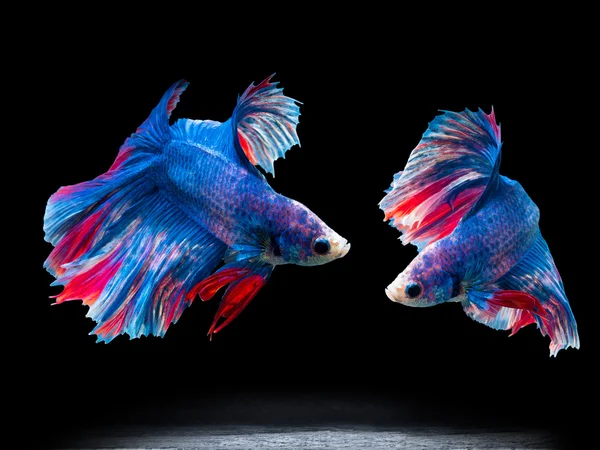
Two Betta Fish in picture that makes people wonder if can betta fish eat mealworms

One of the main questions people have is what do betta fish eat in their natural habitat?

These tropical fish are carnivores in the wild, and they primarily eat small insects and larvae. This gives them the essential nutrients they need for a balanced diet.

However, in captivity, their diet can be slightly different as those beautiful creatures you buy from pet stores don’t need to fight for their meals.

Many betta fish owners choose to feed their fish pellets or flakes as their primary food source.

But, you can also supplement their diet with live or frozen foods like brine shrimp, bloodworms, and, yes – mealworms!

Why Mealworms Are Great for Bettas

Mealworms are an excellent source of protein for your betta fish. They are also easy to digest, which is important for your fish’s health.

When feeding mealworms to your betta, it is essential to avoid overfeeding them. A good rule of thumb is to feed them only as much as they can eat in two minutes.

This is why most fish keepers will give them different foods rather than just one type.

With the fat content of mealworms, it’s very easy to overfeed. If they don’t eat all of their food, you risk ammonia spikes if rotting worms are left in your tank.

It’s worth noting that mealworms have an exoskeleton that acts as tough skin.

This is why you need to get mealworms at an appropriate size. For small betta, baby mealworms are necessary so they can digest them easily.

For full-sized betta, you can feed them mealworms that are a little bigger. It’s always important to match your food to the size of your fish.

Live Mealworms or Dried Mealworms?

There are two options for feeding your betta fish dried mealworms or live mealworms.

Both are great options, so don’t worry if your fish eat dried mealworms.

These freeze-dried mealworms are easier to keep and better for those who may be a little squeamish about handling live worms.

While freeze-drying these creatures is fine, there are some advantages to live worms, as you can gut load them.

This means you can feed your worms nutritious food such as fruit before feeding your betta.

This allows you to transfer that nutrition from the worm into your better for an even better meal. It’s something that you can’t do with freeze-dried food.

The bottom line is whether they are alive or freeze-dried, betta fish love eating worms.

How To Feed Mealworms to Bettas

To start, drop a few mealworms into the tank and see if your betta fish is interested in eating them.

If they are, then you can start feeding them on a regular basis. If not, don’t worry; there are plenty of other food options out there for your fish!

A problem that some fish keepers have is that large mealworms can be difficult to eat for smaller fish.

Keep the size in mind, as live mealworms can sometimes be too big for any little betta.

You also want to avoid the risk of too much dead food being lost in your betta tank, as rotting food can quickly ruin your water quality.

To counter this, you can try feeding them to your betta fish using feeding tongs. This can take a bit of practice, but you’ll have no wasted food.

Best Live Food for Bettas

Now you know that betta fish eat mealworms. With that knowledge, you may also be wondering what other live foods they can eat?

Thankfully you’re going to have plenty of options for your beautiful aquarium fish.

Tubifex Worms

These worms are another perfect food for betta fish. These often come in cubes which are easy to use as you can drop a whole cube into the tank with your bettas.

These creatures can often carry diseases, and although you can feed them live, many prefer giving their bettas the dried version.

Blood Worms

Mealworms and tubifex worms aren’t the only species betta fish will eat, as they also love to eat bloodworms too.

Like mealworms, bloodworms are perfect for bettas. You can feed bloodworms the same way as mealworms, as both are available live or frozen.

Brine Shrimp

Brine shrimp is another brilliant way to keep your betta healthy for those who want their betta fish to have a varied diet.

Some may find them not as squeamish to deal with as the likes of bloodworms.

Fruit Flies

Fruit flies and other insects may seem like a curious choice for fish but are a great source of fresh food and are often what bettas will eat in the wild. Add a few to the water’s surface, and they’ll soon get eaten.

Mosquito Larvae

Mosquitoes at the larval stage can become a healthy part of their daily diet.

As with fruit flies, mosquito larvae are often what bettas will eat in the wild. There are a few different types available, but they all work well as delicious betta food.

Daphnia

Commonly called water fleas, daphnia is a common source of food for a wild betta.

They promote a healthy digestion system for your fish and can be an easy way to keep their diet varied.

FAQs

Can I feed mealworms to my fish?

Absolutely! Mealworms are a nutritious food but are used best as a tasty treat, and you should get a size that is appropriate for your betta fish.

What insects can I feed my betta?

Many insects are appropriate for your bettas, such as fruit flies, ants, and aphids.

Can we feed dry worms to betta fish?

Betta fish love both live and dried mealworms, so the one you use is down to personal preference.

What live food do bettas eat?

Bettas are carnivores that eat a lot of living creatures such as small insects, fleas, and larvae.

Final Thoughts

Mealworms are a great food source of nutrition for your betta fish, and they are easy to digest.

Feeding them to your fish regularly can provide many benefits for their health.

So, if you’re looking for a way to supplement your betta’s diet, consider giving mealworms a try! Your fish will thank you for it.

Related Reading:

Can Betta Fish Eat Mealworms - Featured Image

source https://aquariumlabs.com/can-betta-fish-eat-mealworms/

Fish That Start With C [Extensive Freshwater & Saltwater Fish Name List]

Sometimes, fish species are correctly identified with their scientific names.

A scientific name is the same as the Latin name of the fish. It distinguishes the species from similar species in the same family and genus.

But hobbyists broadly identify fishes with their common names. A scientific name will be crucial when a particular species is essential.

Researching fish names that start with C? This article lists them in two categories.

You can also check out our top 5 picks of fish that start with C!

Our Top 5 Fish Names Beginning With Letter C

Chocolate Cichlid (Hypselecara coryphaenoides)

close up photo of Chocolate Cichlid in aquarium as one of the fish the start with C

This large aquarium fish is larger than many other Cichlids, only followed by the Cuban Cichlid.

Notwithstanding its massive size in the aquarium, it is more peaceful than the Cupid Cichlids (Biotodoma cupido), Cutter’s Cichlid (Cichlasoma septemfasciatum) and the Wolf Cichlid (Parachromis dovii).

Although they are usually very peaceful, they may become aggressive if you introduce other Chocolate Cichlids to the tank. This fish does not like intraspecies companionship.

Some individual Chocolate Cichlids may also have an aggressive personality. Limited space in the aquarium due to their growth and the addition of other tankmates may also make them aggressive.

But other than those reasons, they are are a very peaceful fish.

However, it would be best not to house them in the same tank with other smaller fish like the Cockatoo dwarf cichlid.

Although their peaceful nature makes them ideal, your Chocolate Cichlids may eat your smaller fish.

Convict Cichlid (Cichlasoma nigrofasciatum)

Convict Cichlid in a small and beautiful aquairum

This charming fish is called Convict Cichlid because of its remarkable appearance.

The vertical black stripes on its typical gray body are similar to the striped uniforms of British convicts. This appearance is what earned the fish that name.

Zebra cichlid is another name that people and even hobbyists call the fish, presumably because the black stripes on its gray body are similar to those on a zebra’s gray body.

Convict cichlid is aggressive like many other cichlids. Breeding them is not a problem at all.

All you need to breed Convict Cichlid is a mate and an earthenware pot in your aquarium.

They will typically lay their eggs on the surface of the earthenware or stone and fiercely protect their eggs until they hatch.

It is one of the many egg-layer fishes that make an excellent choice for beginner hobbyists.

Other great choices are the Copper Mouthbrooder (Pseudocrenilabrus philander), Cosby Gourami (Trichogaster trichopterus), Common Hatchetfish (Gasteropelecus sternicla), Compressed Cichlid (Altolamprologus compressiceps) and the Channel catfish.

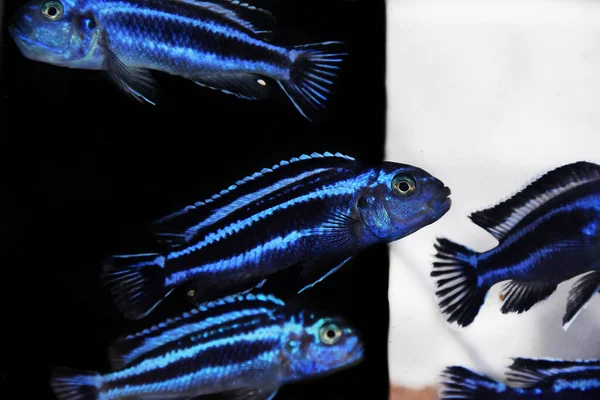
Cobalt Cichlid (Melanochromis johannii)

many Cobalt Cichlid in a black and white background

Cobalt cichlid is one of the most stunning aquatic creatures in the hobby.

It has an aggressive personality but will do well with other aggressive fishes. Never put them in the same tank with peaceful fish species.

They grow up to 13 cm (5.5″), and they have a rich blue color.

Cobalt Cichlids usually have a very vibrant blue-colored skin that makes them exceptionally appealing for display even though they do not have flowing wings like Betta.

They are territorial, and they like to have a lot of hiding places in the tank. So you want to provide them with lots of covers in the tank.

Tankmates Cobalt cichlids should be other aggressive cichlids of the same size and similar aggression.

This will limit the chances of bullying in the tank. You want to avoid slow-moving fish. and fish that are small

They’re omnivores, but it would be ideal to feed them more plant matter than live food.

You, however, want to balance the feeding ratio by scarcely providing some protein.

You may be tempted to feed them heavily as they are ravenous eaters.

But it would be best to provide them small quantities of the day’s ration several times than in a single feeding time.

Cuban Cichlid (Cichlasoma tetracanthus)

Cuban Cichlids, like many other cichlids, is an aggressive fish.

It is not easy to care for. Unlike the Crystal eyed catfish (Mystus wyckii), the Cuban cichlid is a carnivorous fish with an attitude.

This fish is a large territorial fish and is the most challenging of all cichlids to care for.

It is not a good fish to start the hobby with as it is best left for experienced hobbyists.

A fascinating observation about this fish is its penchant for rearranging the tank’s decoration to its liking.

You want to avoid too many ornaments to limit the chances of an “avalanche” in your aquarium.

Cardinal Tetra (Paracheirodon axelrodi)

Photo of a single Cardinal Tetra

Cardinal tetra is a lovely and colorful but territorial fish.

They are cute schooling fish that should be kept in groups of at least 5-6 in a community tank.

It would be best not to keep them in a tank with predatory fish as they are small.

Cardinal tetra nips the fins of other fish for many reasons. They may engage in fin nipping due to stress, territory defense, food scarcity, etc.

It is recommended that you keep the water parameters stable at the correct range and provide food as to when due to limit their fin nipping behavior.

If you do not, your cardinal tetra might inflict severe damage to the fins of tank mates. They may even cause the death of other fish or make them vulnerable to infections.

List of Fish Beginning with C

While this list may not be exhaustive, as many newer species are being discovered each day, it is an excellent place to start if you are researching fish names that begin with the letter C.

The following lists below have the scientific names next to their common names.

Check them out.

Freshwater Fish Beginning with C

  • Caeruleus (Labidochromis caeruleus)
  • Callolepis Cichlid (Cichlasoma callolepis)
  • Calophysus Catfish (Calophysus macropterus)
  • Campbell’s Tigerfish (Datnioides campbelli)
  • Candiru (Vandellia cirrhosa)
  • Candy Stripe Goby (Awaous strigatus)
  • Cape Lopez Lyretail (Aphyosemion australe)
  • Cape York Rainbowfish (Melanotaenia splendida)
  • Cardinalfish (Pterapogon kauderni)
  • Carolina Pigmy Sunfish (Elassoma boehlkei)
  • Carp (Cyprinus carpio)
  • Carpsucker (Carpiodes carpio)
  • Catfish (Corydoras semiaquilus)
  • Catla (Labeo catla)
  • Cavefish (Phreatichthys andruzzii)
  • Celebes rainbowfish (Marosatherina ladigesi)
  • Central Mudminnow (Umbra limi)
  • Chain Loach (Botia sidthimunki)
  • Chain Pickerel (Esox niger)
  • Chankaensis Bitterling (Acheilognathus chankaensis)
  • Channel Catfish (Ictalurus punctatus)
  • Char (Salvelinus alpinus alpinus)
  • Checkerboard Cichlid (Crenicara punctulatum)
  • Chessboard Cichlid (Dicrossus filamentosa)
  • Chinese Algae Eater (Gyrinocheilus aymonieri)
  • Chinese Paradise Fish (Macropodus ocellatus)
  • Chinook salmon (Oncorhynchus tshawytscha)
  • Chipokae Mbuna (Melanochromis chipokae)
  • Chocolate Cichlid (Hypselecara coryphaenoides)
  • Chocolate Gourami (Sphaerichthys osphromenoides)
  • Chrysonotus Cichlid (Copadichromis chrysonotus)
  • Chub (Squalius cephalus)
  • Chubsucker (Erimyzon claviformis)
  • Chunky Hap (Protomelas annectens)
  • Cichlid (family: Cichlidae)
  • Cigar Shark (Leptobarbus hoevenii)
  • Cinnamon Killifish (Aphyosemion cinnamomeum)
  • Cinnamon Loach (Pangio pangia)
  • Cisco (Coregonus artedi)
  • Clarias Catfish (Clarias batrachus)
  • Climbing Catfish (Astroblepus sabalo)
  • Climbing Gourami (Anabas testudineus)
  • Cloudy Doradid (Rhinodoras dorbignyi)
  • Clown Barb (Barbus everetti)
  • Clown Knifefish (Chitala chitala)
  • Clown Loach (Botia macracanthus)
  • Cobalt Cichlid (Melanochromis johannii)
  • Cobbler (Pangasius bocourti)
  • Coccina Betta (Betta coccina)
  • Cochliodon Pleco (Cochliodon cochliodon)
  • Cochu’s Blue Tetra (Boehlkea fredcochui)
  • Cockatoo Dwarf Cichlid (Apistogramma cacatuoides)
  • Codlet (Bregmaceros atlanticus)
  • Coley (Pollachius virens)
  • Colombian Blue Tetra (Hyphessobrycon ecuadoriensis)
  • Colombian Shark (Arius seemani)
  • Colombian Tetra (Hyphessobrycon columbianus)
  • Colorado Squawfish (Ptychocheilus lucius)
  • Commerson’s Glassfish (Ambassis commersoni)
  • Common Carp (Cyprinus carpio)
  • Common Gourami (Osphronemus gorami)
  • Common Hatchetfish (Gasteropelecus sternicla)
  • Compressed Cichlid (Altolamprologus compressiceps)
  • Congicus Saddled Bichir (Polypterus endlicheri congicus)
  • Congo Citharin (Citharinus congicus)
  • Congo Puffer Fish (Tetraodon murius)
  • Congo Tetra (Phenacogrammus interruptus)
  • Coolie Loach (Pangio kuhlii)
  • Copper Mouthbrooder (Pseudocrenilabrus philander)
  • Cosby Gourami (Trichogaster trichopterus)
  • Costa Rican Blue Eyed Cichlid (Cichlasoma sajicai)
  • Craggy-Headed Banjo Catfish (Bunocephalichthys verrucosus)
  • Crappie (Paralabrax clathratus)
  • Creek Chub (Semotilus atromaculatus)
  • Croaking Gourami (Trichopsis vittata)
  • Crucian Carp (Carassius carassius)
  • Crystal Tetra (Hemigrammus unilineatus)
  • Crystal-Eyed Catfish (Mystus wyckii)
  • Cuban Cichlid (Cichlasoma tetracanthus)
  • Cuban Gar (Atractosteus tristoechus)
  • Cuckoo Synodontis (Synodontis multipunctatus)
  • Cupid Cichlid (Biotodoma cupido)
  • Cutter’s Cichlid (Cichlasoma septemfasciatum)
  • Cuvier’s Pike Characin (Boulengerella lucia)
  • Cyan Hap (Pseudotropheus cyaneus)

Freshwater Fish Beginning with C

  • California Flyingfish (Cheilopogon pinnatibarbatus californicus)
  • California Halibut (Paralichthys californicus)
  • Canary Rockfish (Sebastes pinniger)
  • Candlefish (Thaleichthys pacificus)
  • Capelin (Mallotus villosus)
  • Carpetshark (Rhincodon typus)
  • Cat shark (Scyliorhinus hesperius)
  • Catalufa (Heteropriacanthus cruentatus)
  • Channel Bass (Sciaenops ocellatus)
  • Cherry salmon (Oncorhynchus masou)
  • Cherubfish (Centropyge argi)
  • Chimaera (Hydrolagus colliei)
  • Chum Salmon (Oncorhynchus keta)
  • Clay Hoplo (Hoplosternum littorale)
  • Climbing Perch (Anabas testudineus)
  • Clingfish (Aspasmichthys ciconiae)
  • Clown Fish (Amphiprion ocellaris)
  • Clown Triggerfish (Balistoides conspicillum)
  • Cobia (Rachycentron canadum)
  • Cod (Gadus morhua)
  • Coelacanth (Latimeria chalumnae)
  • Coffinfish (Chaunax endeavouri)
  • Coho Salmon (Oncorhynchus kisutch)
  • Collared Carpetshark (Parascyllium collare)
  • Combfish (Coris picta)
  • Combtooth Blenny (Scartella cristata)
  • Common Tunny (Thunnus thynnus)
  • Conger Eel (Conger oceanicus)
  • Convict Blenny (Pholidichthys leucotaenia)
  • Cookiecutter Shark  (Isistius brasiliensis)
  • Cornetfish (Fistularia tabacaria)
  • Cow Shark (Heptranchias perlo)
  • Cowfish (Lactophrys bicaudalis)
  • Cownose Ray (Rhinoptera bonasus)
  • Crestfish (Lophotus capellei)
  • Crevice Kelpfish (Gibbonsia montereyensis)
  • Croaker (Micropogonias undulatus)
  • Crocodile Icefish (Chionodraco hamatus)
  • Crocodile Shark (Pseudocarcharias kamoharai)
  • Cuckoo wrasse (Labrus mixtus)
  • Cusk (Brosme brosme)
  • Cusk-eel (Spectrunculus grandis)
  • Cutlassfish (Evoxymetopon taeniatus)
  • Cutthroat Eel (Ilyophis brunneus)
  • Cutthroat Trout (Oncorhynchus clarkii)

source https://aquariumlabs.com/fish-that-starts-with-c/

Fish That Start With A [Extensive Freshwater & Saltwater Fish Name List]

Examples of fish with names that start with A are abundant.

They include the African glass catfish, the African peacock cichlid, the Asian bumblebee catfish, armored catfish, and more!

If you are looking for fish names that start with A, this article is the right place to start.

Check out our top 5 picks and our exhaustive list below.

Our Top 5 Fish Names Beginning with Letter A

Apollo Shark (Luciosoma trinema)

Beautiful of an Apollo Shark in aquarium

One fascinating thing about this fish is how the name confuses amateur hobbyists. This peaceful fish is a freshwater fish and not a shark.

It belongs to the Cyprinidae family and is well-known for its impressive appearance. It is an omnivore, and it is seldom bred in captivity.

Although they are omnivores, they have a penchant for meat. You can spice their feed with krill, shrimp, and blood worms.

It can grow to an impressive 10 inches in size. To keep this fish, you need a tank size of at least 125 gallons.

This large tank will guarantee enough room for swimming and exploring the tank.

African Tiger Fish (Hydrocynus vittatus)

African tigerfish are among the most popular aquarium fish in the hobby. This freshwater fish is endemic throughout some parts of Africa.

You can find this fish in African coastal rivers like the Pongola river in South Africa.

African Tiger Fish in aquarium

You can also find these freshwater fish species in other parts of Africa like the Ouémé River, Senegal River, Nile, Omo River, Congo River, Lufira, and the Lualaba River.

They usually live near the bottom of the freshwater bodies they inhabit. They stay on the surface during the day and move to the base of the water during the night.

This fish, like many other tigerfish species, flourishes in well-oxygenated water.

It has an extended body. It also has red and forked caudal fins, almost like the Asian Redtailed catfish’s caudal fins.

This predator’s sharp and conical teeth are its instruments to grab and chop its prey. The males appear larger and more robust than the females.

These species grow to a maximum of 41 inches. So you need a big tank if you want to keep them.

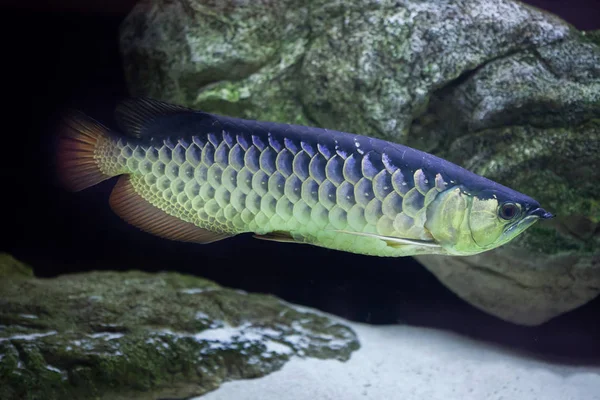
Asian Arowana (Scleropages formosus)

Asian Arowana with aquarium rocks in the shot

This is a popular aquarium fish native to blackwater rivers, swamps, and wetlands in Southeast Asia.

It is also known as dragonfish, perhaps because it looks like a traditional Chinese dragon.

They grow impressively large to almost a length of 35 inches. The juveniles feed on insects and insect larvae while the adults feed on other small fish.

Its large 2cm scales resemble the traditional Chinese dragons, making them culturally significant in areas where the culture is predominantly Chinese. For them, these freshwater fish are considered good luck charms.

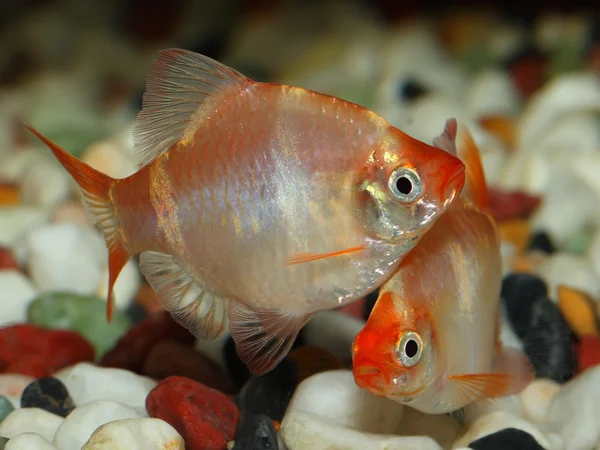
Albino Tiger Barb (Puntius tetrazona)

two close up shots of Albino Tiger Barb

This ornamental fish is part of the Cyprinidae family, a family of fishes endemic to South America. It is related to Carps and true Minnows.

Albino tiger barbs are almost like Golden tiger barbs, but only lighter. It is a small fish that only grow to about 2.5 inches long.

The males are streamlined and have lusher and more impressive colors than the females. The females are usually robust and with duller colors.

They have a body shape like a spear. Their body is generally broad, and their triangular snouts complete their spear-like faces.

These barbs have pale cream-colored skin and white bands.

These are active schooling fish, so keeping about 5-6 of them in the tank would be best.

You want to choose tank mates that do not have flowy fins like the Betta fish.

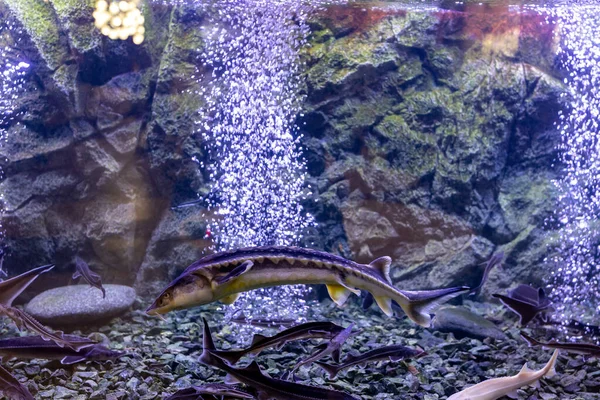
Atlantic Sturgeon (Acipenser sturio)

animated photo of Atlantic Sturgeon

This beautiful saltwater species is the largest of the three sturgeons in New York.

This fish is an anadromous fish species. You can find them in rivers and coastal waters from Canada to Florida and New York estuaries.

They spawn in freshwaters where they hatch and return to the sea.

Their young ones also live in rivers but head out to the sea as they approach adulthood.

They grow slowly, but they have a very extended lifespan. They can live for as long as 6o years.

Unlike other fish in the hobby, keeping the Atlantic sturgeon requires a lot. It will take more effort to get them to spawn since their living and spawning environments have different requirements.

It may be among the list of fish with names that start with A, but it is not among the most popular aquarium fish.

List of Fish Beginning with A

We have chosen our best five picks.

Below are other fish that will interest you. You can even pick your best five from the freshwater and saltwater fish list below.

Check them out!

Freshwater Fish Beginning with A

  • Aba Aba (Gymnarchus niloticus)
  • Ablabes Barb (Barbus ablabes)
  • Abrau Sprat (Clupeonella abrau)
  • Adolfo’s Cory (Corydoras adolfoi)
  • Adonis Characin (Lepidarchus adonis signifer)
  • Adonis Pleco (Acanthicus adonis)
  • Adonis Tetra (Lepidarchus adonis)
  • African Brass Tetra (Brycinus humilis)
  • African Broad-Band Darter (Nannocharax parvus)
  • African Butterfly Cichlid (Anomalochromis thomasi)
  • African Glass Catfish (Pareutropius buffei)
  • African Knifefish (Xenomystus nigri)
  • African Lungfish (Protopterus annectens)
  • African Moon Tetra (Bathyaethiops caudomaculatus)
  • African Peacock Cichlid (Aulonocara nyassae)
  • African Pike-Characoid (Hepsetus odoe)
  • African Red-Eyed Characin (Arnoldichthys spilopterous)
  • African Tiger Fish (Hydrocynus vittatus)
  • African Whiptail Catfish (Phactura ansorgii)
  • African Wood Catfish (Chrysichthys ornatus)
  • Agassiz’s Dwarf Cichlid (Apistogramma agassizii)
  • Aholehole (Kuhlia sandvicensis)
  • Airbreathing Catfish (Clarias batrachus)
  • Airsac Catfish (Heteropneustes fossilis)
  • Akure Aphyosemion (Fundulopanchax gardneri)
  • Alabama Hog Sucker (Hypentelium etowanum)
  • Alaska Blackfish (Dallia pectoralis)
  • Albert’s Synodontis (Synodontis alberti)
  • Albino Driftwood Cat (Auchenipterus nuchalis)
  • Albino Fetivum (Mesonauta festiva)
  • Albino Tiger Barb (Puntius tetrazona)
  • Algae Eater, False Siamese (Epalzeorhynchos sp)
  • Algae Eater, Lemon (Gyrinocheilus aymonieri)
  • Algae Eater, Siamese (Crossocheilus siamensis)
  • Alligator Gar (Atractosteus spatula)
  • Altum Angel (Pterophyllum altum)
  • American Flagfish (Jordanella floridae)
  • Amur Catfish (Pelteobagrus fulvidraco)
  • Amur Pike (Esox reichertti)
  • Angelicus (Synodontis angelicus)
  • Angler Catfish (Chaca bankanensis)
  • Anostomus (Anostomus anostomus)
  • Ansorge’s Neolebias (Neolebias ansorgii)
  • Apollo Shark (Luciosoma trinema)
  • Arapaima (Arapaima gigas)
  • Arched Corydoras (Corydoras arcuatus)
  • Archer Eelpout (Lycodes sagittarius)
  • Archerfish (Banded)(Toxotes jaculatrix)
  • Archerfish (Common)(Toxotes chatareus)
  • Arctic char (Salvelinus alpinus)
  • Armor Bill Tetra (Phago loricatus)
  • Armored Catfish (Callichthys callichthys)
  • Armoured Bichir (Polypterus delhezi)
  • Arowana (Osteoglossum bicirrhosum)
  • Arulius Barb (Puntius arulius)
  • Asian Arowana (Scleropages formosus)
  • Asian Bumblebee Catfish (Leiocassis siamensis)
  • Asian Carps (Cyprinus carpio)
  • Asian Redtailed Catfish (Hemibagrus wyckioides)
  • Asiatic Glassfish (Parambassis ranga)
  • Asiatic Knifefish (Notopterus notopterus)
  • Auratus (Melanochromis auratus)
  • Aurora Cichlid (Pseudotropheus aurora)
  • Australian Bass (Macquaria novemaculeata)
  • Australian Grayling (Prototroctes maraena)
  • Australian Herring (Arripis georgianus)
  • Australian Lungfish (Neoceratodus forsteri)
  • Australian Pearl Arowana (Scleropages jardini)
  • Australian Rainbowfish (Melanotaenia fluviatilis)
  • Australian Spotted Arowana (Scleropages leichardti)
  • Australian Swamp Eel (Ophisternon gutturale)
  • Axelrod’s Rainbowfish (Chilatherina axelrodi)
  • Azureus Cichlid (Copadichromis azureus)

Saltwater Fish Beginning with A

  • Abbott’s Moray Eel (Gymnothorax eurostus)
  • Abrolhos Jawfish (Opistognathus alleni)
  • Albacore (Thunnus alalunga)
  • Alewife (Alosa pseudoharengus)
  • Alfonsino (Beryx decadactylus)
  • Alligatorfish (Aspidophoroides monopterygius)
  • Amberjack (Seriola dumerili)
  • American Sole (Achirus lineatus)
  • Anchovy (Engraulis encrasicolus)
  • Anemonefish (Amphiprion ocellaris)
  • Angelfish (Pomacanthus paru)
  • Angler (Lophius piscatorius)
  • Anglerfish (Melanocetus johnsonii)
  • Antarctic Cod (Dissostichus mawsoni)
  • Antarctic Icefish (Notothenioidei)
  • Antenna Codlet (Bregmaceros atlanticus)
  • Armored Searobin (Peristedion gracile)
  • Armorhead (Zanclistius elevatus)
  • Arrowtooth Eel (Histiobranchus bathybius)
  • Atka Mackerel (Pleurogrammus monopterygius)
  • Atlantic Bonito (Sarda sarda)
  • Atlantic Cod (Gadus morhua)
  • Atlantic Herring (Clupea harengus)
  • Atlantic Mudskipper (Periophthalmus barbarus)
  • Atlantic Salmon (Salmo salar)
  • Atlantic Saury (Scomberesox saurus)
  • Atlantic Sharpnose Shark (Rhizoprioltodon terraenovae)
  • Atlantic Silverside (Menidia menidia)
  • Atlantic Sturgeon (Acipenser sturio)
  • Australasian Salmon (Arripis trutta)
  • Australian Prowfish (Pataecus fronto)
  • Ayu (Plecoglossus altivelis)

Final Thoughts

close up shot of Ange poisson in aquarium

For some of these fish, their common names feature in their scientific names. Their common names do not appear in their scientific names at all for other fish.

If you want to get a specific species, it would be best to know the scientific name and the common name. This article, however, is a great place to start.

Fish Names That Start With A - Featured Image

source https://aquariumlabs.com/fish-that-start-with-a/