Why Is Driftwood So Expensive? (6 Reasons Why The Cost Is High!)

Why Is Driftwood So Expensive

Are you looking to get driftwood for your aquarium use and wondering why it is so expensive? Is your aquarium in need of driftwood, and you’re wondering how to procure some?

In this article, I’ll review the reasons why is driftwood so expensive, but why is it worth the cost.

Reasons Why Driftwood So Expensive?

Setting up a new tank requires procuring supplies which at times include driftwood to the mix. However, there’s a hefty price you have to incur to buy this unique aquarium wood.

Below are some of the reasons that make aquarium driftwood expensive;

Reason #1: Preparation Process

Preparing driftwood for use in aquariums doesn’t come cheap. There is a lot of lengthy processes involved that increases the eventual price of the driftwood. Although it might resemble regular wood, this is hardly the case as it often involves extensive processing involving:
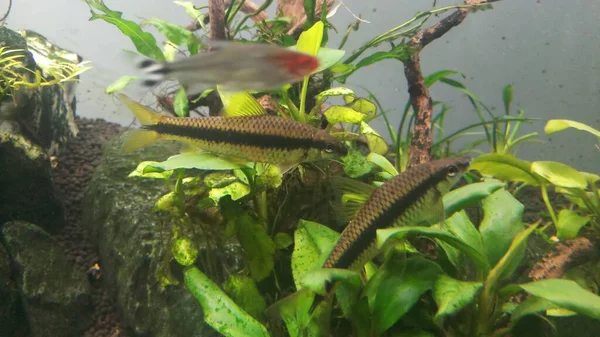
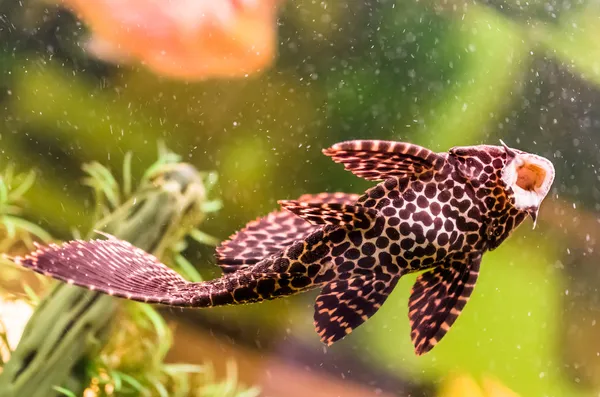
Siamese Algae Eater in tank with driftwood and plants

The first step in the preparation process is for sellers to take adequate care to select the right piece of aquarium driftwood.

Then they proceed to cut down the wood into various sizes and shapes.

The curing process is initiated to eliminate dirt, bacteria, algae, and other elements that might affect the tank water quality.

The wood is cured through smoking and boiling to remove tannins that can affect the overall chemistry of the aquarium water. This process might last from several weeks to months. The labor involved is a leading factor in the high price of driftwood. 

Reason #2: Shipping Costs

Another reason that makes aquarium driftwood expensive is the high cost of shipping and handling. Buying driftwood for large aquariums could be very expensive as it is large and heavy. 

Sending parcels across the world could be relatively expensive, which you have to incur as the buyer. 
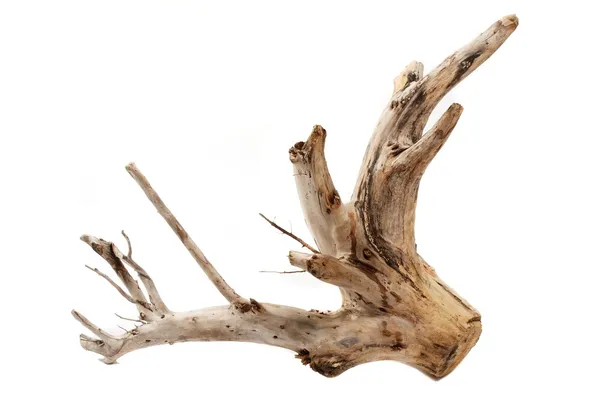
Driftwood tree in white background

It is not out of place to notice that the shipping cost of driftwood pieces could be as high as the price of the driftwood itself. For example, a decent size of aquarium driftwood could sell at $50, and the handling and shipping costs could easily be that high. Now imagine how much can be incurred for large pieces with significant weight for larger aquariums.

Even smaller driftwood pieces will come in at a weight that will increase the price. The seller transfers the handling and shipping costs to the buyer, which translates to expensive driftwood. 

=> Check Driftwood Prices Here

Reason #3: Supply And Demand

The principle of the market forces of economics also comes to play in determining the high costs of driftwood. There is not enough supply to match the millions of driftwood demanded by many aquarium owners for their tanks. 

The law of supply and demand explains this situation effectively; an increase in demand will limit supply and, in the long run, result in a price rise. 

The rarer it is to get quality aquarium driftwood, the more expensive it gets, as the seller exploits the situation and charges a premium price.
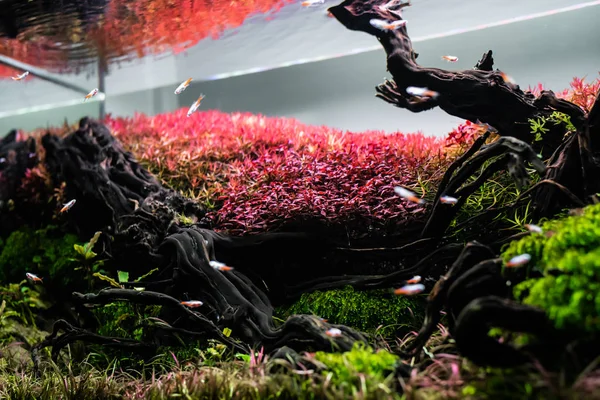
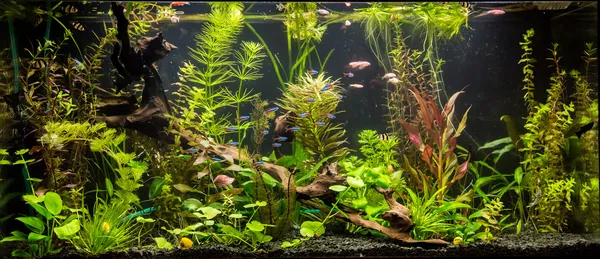
Driftwoord Aquarium with Nature Style

It has to do with competition arising from the limited competition (one of the primary laws of economics). It explains that although there are quite a few sellers of aquarium driftwood in the market today, the supply is just unable to keep up with the demand for this essential element of any standard aquarium.

Reason #4: The Willingness Of People To Pay For Aquarium Driftwood

There is a slight relationship between the point mentioned above and this reason, though this edges more towards the supply side of the equation as supply will be willing to sell at high prices as long as people are willing to pay. 

However, the difference is that this edges more towards the demand side of driftwood. There is almost an abnormal demand curve for driftwood as buyers are willing to buy this wood for their fish tanks despite outrageous prices. 

Supply will most likely keep increasing the prices as long as demand is willing to pay; suppliers will keep raising prices. 

To further put it in perspective, if aquarium enthusiasts are willing to buy a piece of driftwood for $50, then there is no reason for the seller to consider charging a lower price. 

Sellers will only be pushed to price reduction when the demand has shown an unwillingness to pay such high costs for just a tiny piece of wood.

Reason #5: Products Designed For Specific Niches Are Generally More Expensive 

It is also a closely economics associated point that products explicitly designed for a specific niche are naturally more expensive than others.

In this case, the aquarium driftwood is considered a luxury product as retailers are well aware that someone with a large aquarium is definitely a fish hobbyist and will most likely be willing to commit funds to the purchase of driftwood even at a high price for the comfort of his fish. Thus, they sell these aquarium supplies at a high rate.

Dry driftwood of coniferous tree

This is closely related to supply and demand as there are only a few sellers of driftwood compared to the multitude of people who are willing to make a purchase. Thus, the sellers can profit through scarcity by charging a premium for the limited available resource.

It is capitalism at its peak, with supply willing to exploit consumers willing to pay high prices for their specific niche product.

Reason #6: Some Types of Driftwood Are Exotic

This is another point closely related to the law of supply and demand. The more limited the supply of a type of driftwood, the higher the propensity that sellers would be willing to charge high prices for it.

The reason for the expensive nature of some brands of driftwood when compared to others is that some are very rare and unique, such as the Manzanita and bonsai trees, to mention a few; thus, the rarer the driftwood, the more likely you’ll be charged a premium to procure.

What Makes The Driftwood so Special?

You might wonder what makes a simple piece of aquarium driftwood so expensive and why you’d have to pay such a high price for a seeming piece of wood; below are some of the several benefits that make it your best bet.

Regulation of pH

Like most wood, driftwood contains a certain amount of tannin, which is still retained even after the curing process. 
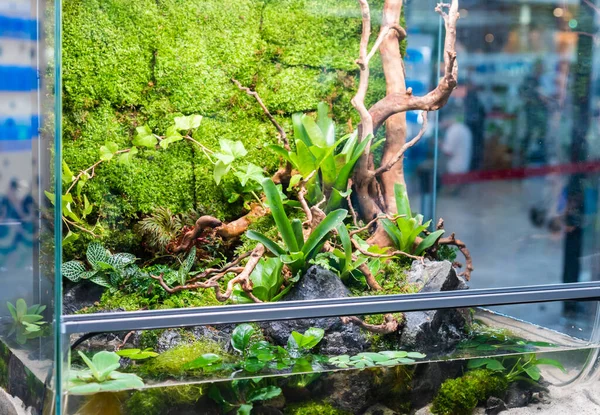
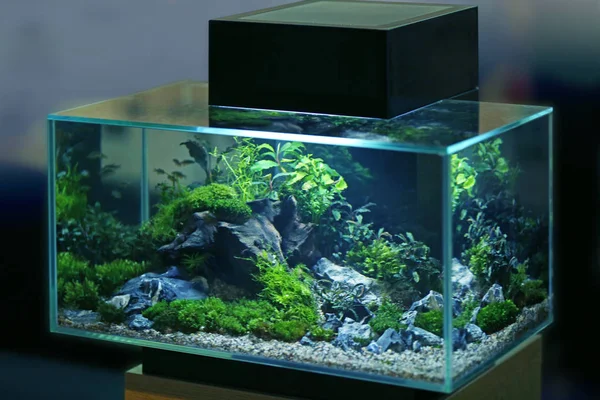
Terrarium style tank with small garden, rock and driftwood

These tannins contain acidic properties that are released into the aquarium water over time and will eventually help lower the pH of the water. Certain bacteria cannot survive in an acidic environment; hence, It is your best bet if you desire a natural way of maintaining the water chemistry and acid level of your aquarium water.

Beautiful Look

The presence of driftwood in your tank helps to beautify the tank, giving the feel of a natural-looking tank. Some exotic driftwood can be considered art as they are available in various sizes, colors, and shapes and serve to beautify your tank, providing the fish with ample hiding places.

Ability To Control Bacteria Level

Driftwood makes tannin leach into your aquarium water which helps remove bacteria from your tank. 
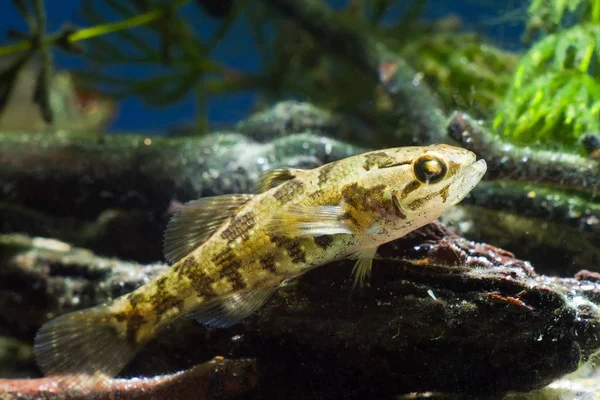
Close up photo of fish aquarium keeper

The acidic level of your tank is not a conducive environment for bacteria and other parasites to thrive; thus, having this special wood in your tank can help make your tank a lot safer for your fish. 

Importance Of Curing Your Driftwood 

Buying uncured driftwood could be an invitation of several issues to your tank. 

Prevents Rotting

The wood could rot inside your tank, and rotten wood gives off ammonia that would harm your fish. Rotting of driftwood defeats the reason for keeping driftwood in the tank in the first instance. 

Limits Bacteria 

Putting uncured driftwood in your tank could lead to inadvertently introducing foreign bacteria that could be detrimental to the health of your fish. 

Reduces Tannin

The dissipation of tannin into your aquarium water is another reason you should cure your driftwood to limit the quantity of tannin in your water.

Tannins affect aquarium water chemistry and are responsible for the change in color of your tank to yellow, which, if not controlled, could affect the ability of the plants in your water to get adequate light.

How Can You Tell Real Driftwood?

Real driftwood will have an irregular, unique and natural look. Thus, the first step to telling natural driftwood from a fake is sight. Fake driftwood looks plainer and tends to give off a faux wood look. 
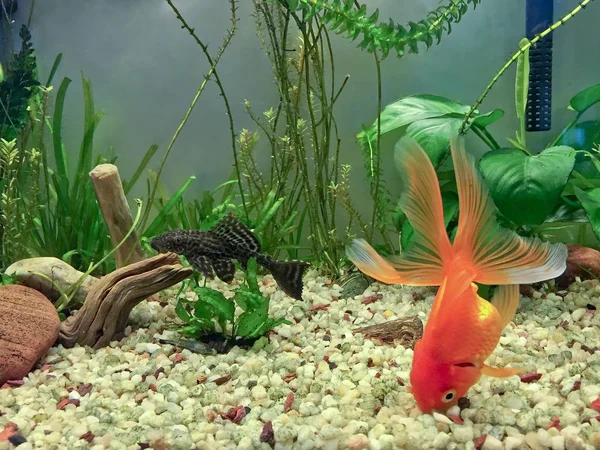
Good Photography inside an aquarium

You can also tell real driftwood by touch; real driftwood will have natural roughness, while a fake is smoother to the touch.

Lastly, you can tell from the smell, natural driftwood gives off an earthly scent, while a fake has a plastic smell that would be hard to miss in the aquarium water. 

Conclusion

The presence of driftwood in aquarium water has numerous benefits, which continuously increase its demand by fish hobbyists. The high demand for exotic wood has led to the expensive nature of the wood. The price is not expected to be lowered anytime soon as current demand exceeds supply, thereby jacking up the price.

Related Reading:

Why-Is-Driftwood-So-Expensive-Featured-Image

source https://aquariumlabs.com/why-is-driftwood-so-expensive/

How to Keep Floating Plants Away From the Filter?

How Long Can Fish Survive Without a Filter - Blog Image

As nice as floating plants are, they can cause problems in our aquariums if we allow them to get out of control. A key to good tank health is a balance in all elements, including lush plant growth near the surface. Without it, we may see the following issues arise in an aquarium.

So, how to keep floating plants away from the filter? We’re here to answer that question! Keep on reading.

Why Should We Keep Floating Plants in One Place?

Floating plants do a lot of good. But they can also interfere with our filters, other aquatic plants, and even our fish!

Floating Plants and Filtration

Keeping floating plants away from the filter intake and outflow is important because the plants can easily disrupt the filter – and be disrupted by it. Take a moment to look at your plants. You will notice that the floating side of the leaves is different from the side in contact with the water.

If the filter outflow is constantly submerging a floating plant, you will often see the plants die. The upper surface of the leaves don’t do well being submerged and need to remain at the water surface to be healthy.

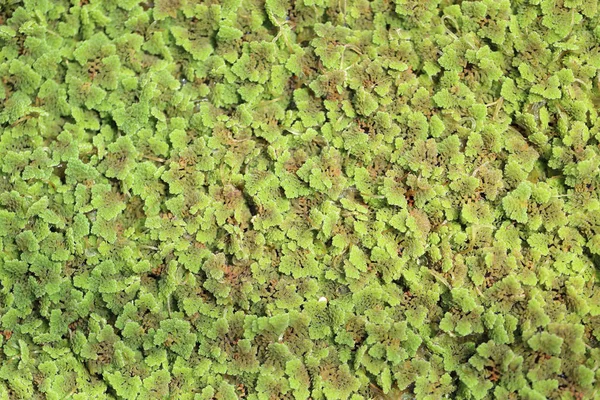
Azolla fern plant

Another reason to keep floating plants away is that they will clog the water intake of your filters very easily. Filters with intakes at the surface are especially prone to blockage from plants inside of the tank. But if the outflow is powerful enough, it can drive floating plants down into the water, right against the filter intake.

Shading of Submerged Aquatic Plants

Each floating plant also has a significant advantage compared to plants that live beneath the water surface. By floating, they obtain as much light as possible.

They rarely have to compete with other plants unless they happen to drift under a tree by the water’s surface. And they can spread so aggressively that floating plants can even shade everything beneath them.

This shading of the lower levels can be stressful to fatal for plants that don’t do well in low light environments. Many aquatic plants don’t mind lower light, including Java Fern (Microsorum pteropus) and Cryptocoryne species. But most other species of plants need enough light to photosynthesize properly and will be stressed if your floating plants grow too aggressively.

The flip side of this is that having a floating plant or three is great for keeping algae under control. They grow very fast, soaking up algae nutrients and, at the same time, reducing light getting into the tank!

Free Floating Plants Can Disrupt Feeding

Lastly, too many floating plants can make it harder for fish to find food in your aquarium. Normally, the bright colors of pellets and flakes make anything you add to the tank quick to be devoured.

But some of the food can get lost among the roots and leaves, keeping fish from discovering them. The leftover food will eventually start to rot, contributing to ammonia, nitrite, and nitrate levels.

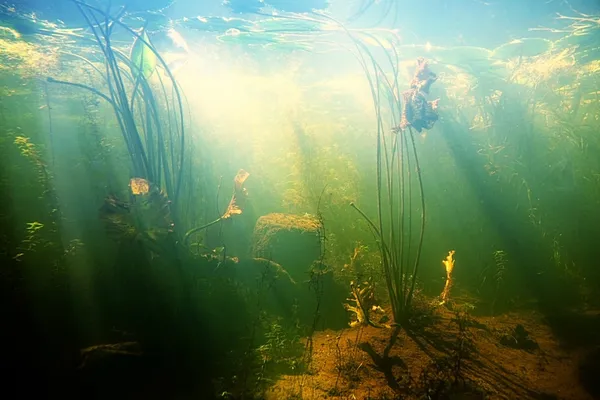
Underwater shot of a pond

If you really enjoy heavy accumulations of plant matter, then keeping a crowd of shrimp and snails can help. These small invertebrates spend a lot of time looking around the aquarium for food.

Even among floating plant roots, they will find nearly all uneaten food that your fish miss. Just make sure that your other fish are not so large that they will see the cleanup crew members as just another meal!

How to Keep Floating Plants Away from the Filter?

There are two main ways to keep floating plants in place: physical barriers and preventative means. Let’s look first at physical barriers for an aquarium full of floating plants!

Using a Floating Ring to Keep Plants Inside

The most popular method that is easy to set up in an aquarium is to use a plant ring. These are typically made out of airline tubing that is glued together into a ring shape. Assuming you make it work properly, the floating ring forms a boundary that none of your floating plants can cross.

All that is needed is some aquarium-safe silicone sealant, standard airline tubing, and some universal aquarium airline tubing connectors. You won’t need more than a few feet (or less) of the tubing itself, so don’t buy too much.

Fortunately, it is quite inexpensive and nice to have on hand for any other aquarium-related projects you have in mind.

First, we measure out how large of a ring we need and then mark the point where we need to create a cut using a marker. Next, take a pair of sharp scissors and cut the tubing. You will then join together the two ends of the air tube using one of the tubing connectors.

The silicone sealant has two possible uses: if the air hose connectors aren’t fully watertight, you can place a little around the edges to entirely seal it so water can’t enter.

And if you want the ring to attach in place, you can use a bit of fishing line (or more air hose) to attach it to a nearby surface, including the aquarium glass.

Most people opt to allow the air hose ring to float freely around the tank. But if you want to know how to keep floating plants away from filters, then this is by far the best method!

In case you would like to see step-by-step instructions, here is a great video breaking down how to make a plant ring.

Plastic Bottle Traps for Surface Plants

Another trick to try is using a plastic bottle as a trap for floating plants. If you are a fan of recycling and repurposing used materials, then you are bound to love this!

So long as the plastic within the bottle is known not to leech poisons into the water, it will be safe to use for your plants and fish. And if you are not sure and want to play it safe, try using one of these premium durable plastic bottles from Amazon!

This method relies on securing the trap against the glass of your aquarium, so we will also need silicone glue once again. However, it is simple to set up. You will need to cut a ring of plastic out that is between 1/2 to 1 inch in thickness. Ideally, you will cut from the middle of the bottle.

Next, you will cut another strip of plastic that is about the length and thickness of your finger. Using a cigarette lighter or another small convenient flame, warm the plastic just enough that it bends easily into a V-shape, and then, while still warm, attach the tip of that “V” to the ring.

Lastly, we will use a bit of silicone glue to attach our plastic bottle trap to the wall of our aquarium. And now we have a safe and secure place for floating plants to stay without needing suction cups or anything else!

The main downside of this method is that if your water level gets too low, the plants will escape and float all over your aquarium. So make sure that you keep up with the usual maintenance, and this won’t be an issue!

By the way, you can also create a bottle barrier around the outflow or intake (if near the surface) of your filter. Just cut a long strip of plastic from your bottle that is long enough to form a barrier to plants. And then glue that strip to the glass right around where plants normally intrude!

Fishing Line As A Plant Border

The last and simplest method is to use some fishing line and suction cups to create a border. This method is fast, requires no glue, and can look close to invisible when viewing your aquarium! All that is needed are a pair of suction cups and some clear fishing wire.

Once you decide where you want your floating plants to stay, attach the two suction cups where the boundaries of the border will be. Next, simply measure out enough thread to form a border around the space. Then we can attach one end of the wire to each suction cup.

And that’s all there is to it! So long as there is not too much agitation at the surface area, your fishing line will form a nearly invisible border to keep plants in place. It’s not as secure as using an air hose or bottles, but it looks much better!

So which method is best for you? Perhaps this handy table on controlling aquarium floating plants will help you decide!

Method Floating Plant Ring Plastic Bottle Trap Fishing Line Corral
Difficulty Moderate Difficult Easy
Time Required 20 Minutes 40 Minutes 5-10 Minutes

How Do You Control Floating Plants?

One reason people love to keep floating plants is that they are some of the easiest plants to grow. They are much easier to grow than submerged plants because floating plants get more than enough light by growing along the upper surface of your fish tank.

What’s more, they also have access to unlimited amounts of carbon dioxide in the atmosphere rather than the small trickle that diffuses into the water column if you aren’t enriching the tank with CO2.

Many floating plant species also have long roots that are highly efficient at soaking up nutrients directly from the water column. All of these qualities mean that floating plants tend to grow out of control very quickly compared to other plants.

Here are a few solutions on how to keep floating plants under control in an aquarium!

Removal By Hand

The easiest way to keep floating plants away from an aquarium filter is to prune them aggressively. You don’t usually remove individual leaves, though. Instead, you will want to grab a bunch of the plant material along the surface and remove it entirely from your aquarium.

Many species, like duckweed, red root floater, and water lettuce, all aggressively grow and divide on their own. Even if you toss out most of it and leave just a few plants, it will all cover the surface again in a matter of weeks.

Best of all, it only takes a few seconds or minutes to keep floating plants tidy if they have become too excessive in your aquarium.

Plant-Eating Fish

Another method to keep floating plants under control in aquariums is to add fish that love to eat them! This method is best for smaller plant types like duckweed, Azolla, and so on. Plant-eating aquarium fish will still often eat larger species. But we don’t want them pecking ugly holes in the leaves.

A few fish that love plants include silver dollars, pacu, barbs, and goldfish. While many algae-eating bottom dwellers also eat soft plants, most plants that float aren’t too tasty to them. Goldfish and the other species listed above have the teeth and desire to eat plants they find floating at the surface!

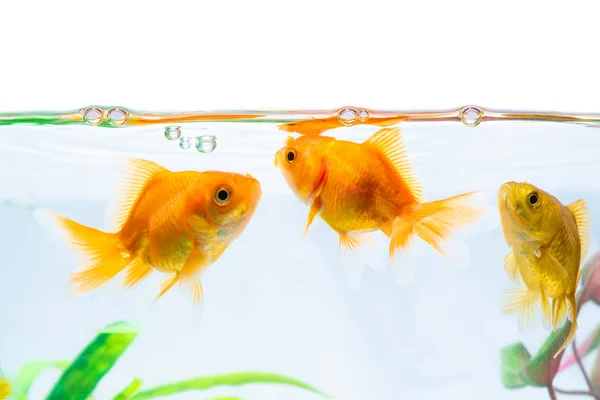
goldfish in a tank

Lower the Light Levels

Last, we can lower the light levels. Since floating plants grow right near the surface of the water, they tend to grow explosively if the light levels are intense.

The downside is that the lower region of your aquarium may become very dark. But if you or your fish prefer a moodier vibe, then this might not be such a bad thing. Lower light levels also help keep algae under control.

Wrapping Things Up

Aquarium floating plants can be a bit of a hassle, especially if they tend to interfere with your filters. But the question remains: “how to keep floating plants away from filter?”

Considering how good they are for aquariums, I simply use one of the quick tip solutions here to make space for keeping floating plants.

And remember, besides using plastic tubing, line, or bottles, you can use the control methods laid out to ensure their growth never takes over your aquarium in the first place!

Related Reading:

How Long Can Fish Survive Without a Filter - Featured Image

source https://aquariumlabs.com/how-to-keep-floating-plants-away-from-the-filter/

How Long Can Fish Survive Without a Filter?
How Long Can Fish Survive Without a Filter - Blog Image

A filter is an essential part of the fish-keeping hobby. It is the aspect of your aquarium that processes waste, circulates water, and otherwise ensures your fish can live in a small box cut off from nature!

So what happens if the filter gets cut off briefly – or for an extended period? Will half the tank suddenly die, or will your fish survive without a filter just fine? And how long can fish survive without a filter?

Why Does My Fish Tank Need a Filter?

tropical freshwater in aquarium

A fish filter is an extremely important aspect of your aquarium ecosystem. Without a filter, ammonia and other nitrogenous waste products would accumulate to dangerous levels.

Filters contain mechanical media, which can strain the water free of floating particles of debris. They also hold chemical media that removes dissolved molecules and biological media, where bacteria that further purify your water live.

In nature, rocks, soil, plants, animals, germs, and the vast bodies of water that they live in all help keep fish alive. But in a fish tank, the water volume is so small that fish keepers need to step in with technology.

What Fish Don’t Need a Filter?

Nearly all fish tank designs need a filter. Goldfish and betta fish bowls have been popular for a long time, but only because beginners are unaware of the true needs of their fish. Filterless bowls lack the water flow needed for good oxygen content.

And without a filter, fish waste levels become dangerous to the occupants. Goldfish and betta fish are very resistant to ammonia because these fish live in shallow ponds and other stagnant bodies of water in the wild.

But it’s still common to find these fish dying in a filterless system.

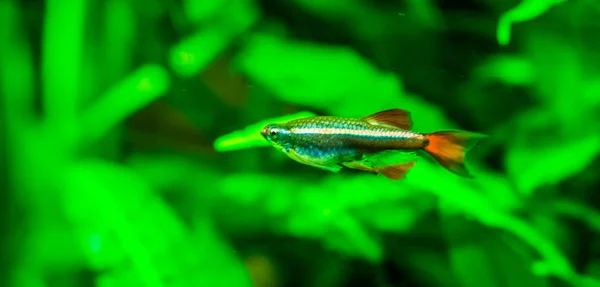
White cloud mountain minnows (Tanichthys albonubes) are another popular option in the fish-keeping world if you are looking for filterless-hardy fish. They are small cyprinids from China and Vietnam that are closely related to goldfish, barbs, and danios.

Closeup photo of a chinese danio

White cloud mountain minnows are sometimes called “poor man’s neon tetras” because they have a similar look thanks to their silvery stripe and hints of red. But they have no blue to show off with; white clouds are more of a subtle brown color.

But overall, the vast majority of fish live best in aquariums with a running and fully mature filter. Without one, you are asking for a lot of trouble for yourself.

There are also quite a few natural filtration methods that more experienced aquarists have been using for many decades. They do require that the fish tank be designed around them, however. You can’t just decide to remove it and expect your fish to live without a filter.

One filter-less design is the Walstad method. It was originally designed by Diana Walstad, a naturalist and avid aquarist interested in the interactions between fish and plants. She realized that the substrate and greenery could act as a filter in fish tanks full of aquatic plants rooted in the soil.

This is exactly the same process that occurs in a natural environment: plants keep the oxygen content high, remove carbon dioxide from the system, and soak up ammonia and other fish waste. And the fish breathe in the oxygen while releasing CO2 and fertilizer for the plants in symbiotic exchange!

The soil also acts as a living space for beneficial bacteria to colonize as well as a medium for plant roots. If you’re interested, this video does an excellent job breaking down the benefits of filter-less Walstad aquariums. And it even covers the whole process of how to set one up!

Will My Fish Die if I Turn Off the Filter?

If you have filters on your aquariums, then there are a few reasons not to leave it running continually. But if, for some reason, you need to turn off the filters (or perhaps a power outage happens), then what will happen to the ideal environment? Will your fish live without a filter for an extended period, or will their life expectancy start to drop right away?

The exact timetable depends on how crowded your entire tank is, the water temperature, and how efficient your live bacteria are. The population of your fish tank will determine how much waste starts to accumulate.

Tropical freshwater with fishes

The more fish you have, the faster ammonia levels will rise. This process can be slowed down in large tanks since the ammonia is effectively diluted by the larger volume of water relative to a small tank.

The water temperature impacts the levels of dissolved oxygen. Colder water holds more oxygen than warm water does. Unfortunately, we don’t want to chill our fish, especially in an event as stressful as the filter no longer running.

Normally we would get water flow from the filter’s outflow of purified water. So if the filters aren’t running, we may need to get more oxygen to our fish somehow, depending on how long the unit will be off.

If you still have electricity (or battery power), an air pump can more than make up for the oxygen deficit. Battery-powered air pumps are an essential tool to have on hand if you know you live in an area prone to the occasional power outage.

The current they create will also ensure heat is evenly distributed throughout the fish tank.

Can Fish Go a Night Without a Filter?

Fish survive swings in oxygen and other parameters all of the time in nature. So long as the levels don’t become fatally low or high, there is little to worry about.

3d bubble streams in water

If your fish live without a filter for one night, there likely won’t be any major problems as long as the aquarium is not overcrowded or already high in ammonia and other toxic chemicals. But if your tank is already on the brink, shutting off all water flow can cause

What Happens When Fish Have No Filter?

If your fish have no choice but to go without a filter for some period, then it is a good idea to understand the whole process. Once filters are shut off, what happens in your aquarium over time? And how can we prevent these problems from harming our fish?

Build-Up of Toxic Chemicals

The primary job of a filter is to use mechanical and chemical media, plus live bacteria, to remove all of the toxic chemicals that build up in an aquarium. When this process stops, the build-up will grow worse. The whole process depends on how many fish you have – the more fish you have, the faster the build-up.

You can take the place of your filters somewhat by performing small daily water changes to remove excess ammonia.

But these water changes don’t make up for the lack of oxygenating and heat transporting water flow. Nor does it ensure your beneficial bacteria get enough oxygen to remain alive to process ammonia effectively.

Loss of Oxygen Supply

How can you tell if an aquarium is too low in oxygen? After all, oxygen is an invisible gas that can’t be easily detected.

One way to tell is to watch your fish. When oxygen levels become dangerously low, they will start swimming around the regions of the aquarium where levels are the highest.

If the water circulation has been shut off, this is always near the surface (though in shallow water, this can be less clear).

Close up photo of yellow betta fish in tank

Fish start “gasping” near the surface since that is where oxygen diffuses into the water column. Even bottom-dwelling fish like corydoras and plecostomus might start swimming near the surface of the aquarium constantly in order to avoid suffocating at the bottom.

Lack of oxygen is just as deadly as too much ammonia. So watch carefully for these signals in your aquarium fish!

Fish Start Dying

The last stage is that fish survive less and less. Ammonia levels become too high and oxygen levels too low in the aquarium. Once this happens, you will start seeing increased signs of stress.

Your fish may become lethargic and stop swimming near the top of the aquarium. Eventually, they succumb to ammonia burns, lack of oxygen, and other issues and start to die off.

How Long Can Fish Survive Without a Filter?

The first thing you should do is avoid feeding your fish when the filter is off. For one, leftover food missed by bottom-dwelling fish will accumulate, which will decay directly into ammonia.

Fish poop also causes ammonia levels to rise but much more slowly since the fish have absorbed much of the nutrients bound up in food.

Fish can go for one or more weeks without eating; they are in no danger of starving as long as you know your aquarium filters will be up and running again soon. So in order to help your fish survive when the filter is off, don’t feed until the power outage is over with.

Next, we should be looking for some alternative method of getting water circulation back to your fish. Water flow ensures that oxygen and heat get around the entire system.

Oxygen is also important to keeping toxic chemicals in check because the live bacteria that break down these agents are aerobic (meaning they breathe oxygen).

If they lack oxygen, which can happen if water circulation gets shut down, they can no longer do their job. The best options for water movement as listed above include battery-powered air pumps and other flow and oxygenation devices separate from your filter!

For extended periods without a filter, you should be testing the water quality daily to ensure the tank is healthy for your pets. If you do a water parameter test and find a problem, it may be necessary to do a water change to get the aquarium clean again.

Wrapping Things Up

Since filters are the life support system for an aquarium, having them shut off suddenly is a major issue to deal with.

Your fish won’t immediately die; after all, plenty of oxygen and heat are available. And in a healthy aquarium, ammonia levels should be nondetectable.

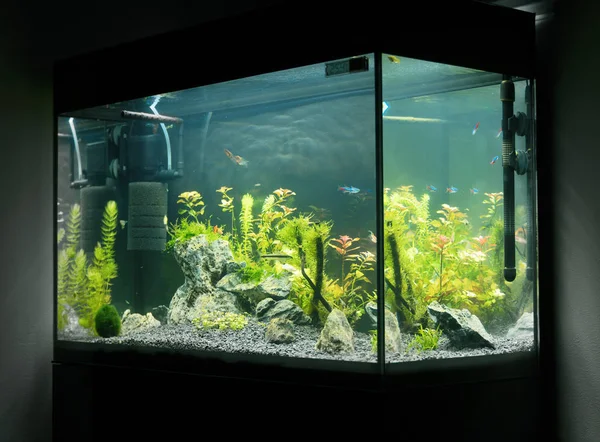
Medium-sized aquarium

For short periods fish survive without filters running in an aquarium okay so long as the system is not already stressed by overcrowding.

But if your filters are shut off for an extended period – or your aquarium is already polluted somehow – living conditions can become less than ideal very quickly.

Related Reading:

How Long Can Fish Survive Without a Filter - Featured Image

source https://aquariumlabs.com/how-long-can-fish-survive-without-a-filter/

Can Angelfish Live Alone?

Can Angelfish Live Alone - Blog Image

Are you worried that your angelfish is incapable of living alone in its tank? Are your angelfish displaying signs of loneliness when kept alone in a tank and is showing signs of shoaling behavior? 

In this article, I will answer these questions about the aesthetically pleasing angelfish and whether or not it can survive alone in an aquarium.

Yes, angelfish can live alone, but it is better if you do not make your angelfish live alone in a fish tank. Angelfish must be better kept in groups in a fish tank to avoid stress and health hazards

A single angelfish can get lonely quickly, though it often needs no one. Thus, to help with the social hierarchy of the angelfish, you should keep six angelfish in the same aquarium and prevent the negative impact of loneliness

Can Angelfish Live Alone In a Single Tank?

Making your angelfish live alone in a tank is asking for trouble. It is challenging for the shoaling fish to be left alone in the tank as it might lead to stress and other health-related hazards. 

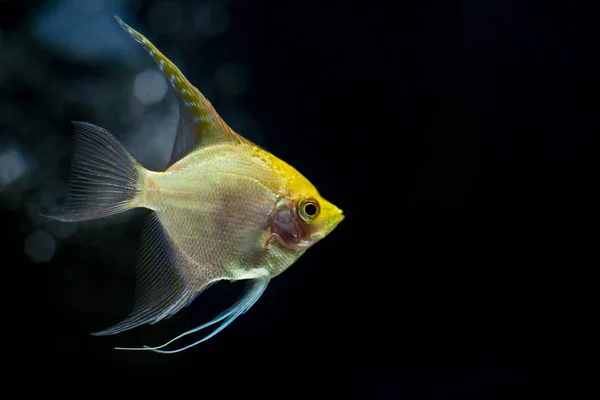
close up photo of angel fish

Every fish likes to be kept in a tank that imitates its natural habitat, so like a fish lover, you should endeavor to do the same with your angelfish. 

This condition could include a group of angelfish living and swimming together in a shoal. Your angelfish has the natural tendency to wish to belong to a community, even if it is not their own. 

But if you desire to keep a single angelfish in your tank, you should go for the adult angelfish as they are pretty immune to stress arising from loneliness.

Matured angelfish would prefer to be alone in the tank to assert their territorial dominance. But do not think of even experimenting with this with the young angelfish as it will be equivalent to the inhumane treatment of the community-loving, social fish.

Can Angelfish Live Alone In A Community Tank With Other Fish?

You can keep your angelfish in a community tank, but you must be careful to keep them with the right tank mates not to set off an aquarium war. 

If you desire to keep just one angelfish in your tank, turning your tank into a community tank could be your best bet. You can easily have different types of fish together in community tanks, though they might be bereft of a shoal to swim with. 

photography of angel fish

You should note that angelfish are pretty territorial, meaning you need to take special care of the kind of fish you keep with your angelfish in a community tank. Below are the factors to consider when keeping your angelfish with other fish in a tank:

Keep a Relatively Bigger Fish

Please do not keep a fish of small size with your angelfish in the same aquarium; else, it could be your angelfish’s next meal. Therefore, when selecting the ideal tank mates for your angelfish, keep a bigger fish almost the same size as your angelfish. However, be careful not to keep a predatory fish with your angelfish to protect it from attack.

Do Not Keep Aggressive Fish

It would help if you were careful not to keep fin nippers and fish with aggressive tendencies with your angelfish in your community tank, as this could result in a tank war. Keeping other species with your angelfish should be a calculated decision, as you do not want to expose your pet unduly to harm.

Size of the tank

You must conduct adequate research on the ideal tank size that is habitable for your angelfish and other fish in the tank. A bigger tank of about 55 gallons should do the trick and allow you to keep other species of fish and help you imitate the natural habitat for your fish.

Keeping a community tank requires much work from you, but it is always worthwhile when you watch the variety of fish swim around beautifully in your community tank.

Downsides Of Keeping Your Angelfish Alone In A Tank

We have reviewed how keeping an angelfish in the tank alone could negatively impact the fish. Adult angelfish might not react adversely when kept alone in a tank, but the younger ones lack the resilience to swim alone in a big tank all by themselves. 

Below are the negative impacts you will expose your angelfish when you keep them alone in a tank.

Stress

Young angelfish are small and sensitive and will be stressed out if kept alone in a tank. The feeling of isolation is scary for the fish as it would be if it were a human kept alone in a large deserted room for extended periods. 

Isolation brings the stress of captivity to the fish, and it can cause chaos to its overall health.

Loneliness

It is not uncommon for people to believe that fish do not feel anything, but how wrong can you be. Your fish do get lonely, especially the young ones. 

Hence, it is up to you to take steps to limit stress and loneliness in your fish. So, you should note that your angelfish is capable of feeling and needs a companion to enjoy its habitat.

Loss of Appetite And Lethargy

You might find this surprising, but your angelfish is likely to be unable to eat and mourn about being alone. 

Thus, if you keep your angelfish alone in an aquarium, they will not eat as much as they should.

One fish kept alone will be tired and passive. Alone fish will not swim around acting like they would if marked with other fish.

The angelfish tend to sit in one place if they do not have company and will not even show signs of enthusiasm to eat or play.

Merits Of Keeping Angelfish With Companions

Knowing the health hazards that may arise if you keep angelfish when it is kept alone in a tank, you might already be aware of the benefits of having tank mates for your angelfish.

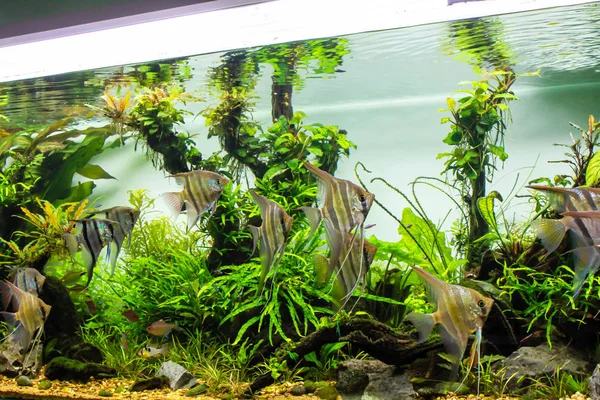
angelfish in tank with green plants in the background

Below are the benefits of having companions for your angelfish:

Stress Reduction And Activeness

Your guess is as good as mine; if you eliminate the problem of loneliness from your angelfish, you are likely to keep it safe from sickness and diseases brewed by stress factors.

Companionship for your angelfish will reduce the stress borne of performing all activities alone in a big tank, as this saves it from other tiring and energy-consuming factors.

You can solve these problems by introducing new fish or a shoal of fish into the tank to make the angelfish live happily.

The confidence and activity level of these fish will increase once placed in a group. They start to become more active when in a group and are likely to be better able to defend themselves against predators when they swim together.

Mating 

Keeping a group of fish in a tank helps enhance breeding if you intend to breed young angelfish. During the breeding season, you will see eggs from their mating in no time, which is advisable to remove from the tank once the fish starts showing breeding behavior.

Low Energy Consumption

The concept of hydrodynamic efficiency is present in angelfish. This is why a shoal of fish often features less tired fish even after a whole day swimming as they will consume less energy.

Thus, keeping a shoal of angelfish in the tank will result in energetic and active fish who consume little energy, making them sharp even after a full day’s activity.

Can Angelfish Live Together in Twos?

The answer to this question depends on the gender of the two angelfishes to be kept in the same tank.

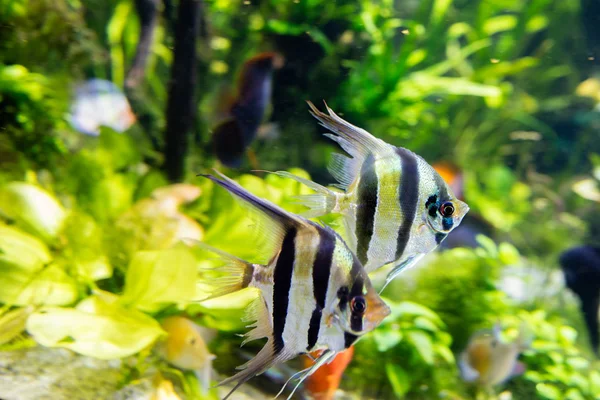
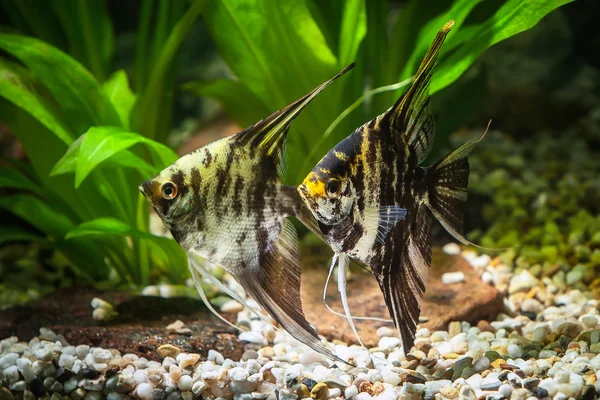
photographs of two angelfish in tank

If you prefer keeping two fish, then you should opt for one male angelfish and one female angelfish together in a tank; this is great as they will live peacefully together.

Opposite attraction is very true for the angelfish as they tend to breed together during the breeding season and live peacefully

However, the reverse is when you keep angelfish of the same gender in the same tank. Doing this is an invitation to aquarium war, as they will fight, injure, and possibly death to either of the fish.

Can Angelfish Live Alone In A Small Tank?

Angelfish can grow up to 6 inches and exhibit personality traits that mean they love to stake claim to territories. Thus, the smallest tank you should consider for your angelfish is a 20-gallon tank. 

Small tanks are likely to affect the overall health of the angelfish. Hence, do not attempt to keep your angelfish in a tank smaller than 20 gallons.

Therefore, the answer is no; angelfish cannot survive in a small tank. Your angelfish needs to be a part of a community in a large tank, or they will die of loneliness.

How Many Angelfish Should You Keep In A Single Group?

You might be wondering about the number of angelfish to keep in a tank; however, you need to be aware that maintaining angelfish are held in a shoal; they will develop a social hierarchy like they do in the wild. 

It would be best to deter from keeping two angelfish together in a single tank as it will bring chaos due to the aquarium war that will arise from these territorial fish.

Minimum Group Size

The minimum group size if you intend to keep a low number of these fishes in a tank is three, as this will reduce the tension that is likely to develop from just keeping 2 of these fishes in the same tank. 

Ideal Group Size

If you want your angelfish to be happy, you should aim to keep a small group of 5 to 6 angelfish. It would be best to take into cognizance that the higher the number of fishes kept in a tank, the larger the tank you would be expected to have. 

You will have to go for a 60 plus gallon tank to ensure the safety and well-being of the angelfish you intend to keep.

Keeping multiple angelfish in your tank is better than keeping a single fish as it can better survive in small groups than when kept alone.

Below are factors to note when keeping angelfish:

Angelfish, like all fish, have individual traits. They are complicated creatures and have personalities that determine how they react to certain situations. 

Some fish can thrive in isolation- especially the matured angelfish while others struggle. 

Hence, as a fish owner, to answer the question “can angelfish live alone?” you take the below factors into consideration:

The Personality Of The Angelfish

Angelfish are noted for being territorial, which makes them aggressive. These aggressive tendencies are pronounced when they have mates or eggs to protect. Some fish owners often separate these angelfish pairs when they start mating to prevent them from terrorizing the whole tank.

Another personality trait of the angelfish is that they are gluttons and will eat for as long as you feed them. If the tank is small, angelfish will attack other fish as they believe they have to fight to protect the limited resources.

Many angelfish are also calm and peaceful fish, but this is a rarity. The cause of the aggression of the angelfish is not always apparent and makes them unpredictable.

Possible Tank Mates

Angelfish can be greedy and eat anything that fits into their mouth, such as eat smaller fish. Thus keeping a smaller fish in the same tank as the angelfish could cause these smaller fish to disappear. 

Ensure to choose your angelfish tank mate carefully. It would be best if you kept fish too large for the angelfish to eat in your tank.

What Are the Ideal Angelfish Tankmates?

You can keep your angelfish with other fish, but you need to understand that not all fish are the best tank mates for your angelfish. 

Angelfish, though territorial, are relatively peaceful, so you need to consider this when selecting the right fish for your fish. 

Despite the possibility of keeping your angelfish with different species of fish, it might be best to restrict schooling of your angelfish to a group of angelfish other than alternatives. 

You should maintain the consciousness that the mindset of an angelfish is unlikely to change from seeking a habitat for their shoal just like they do in the wild.

Below are some of the best tank mates for your angelfish:

  • Praecox Rainbow Fish
  • Betta Fish
  • Boesemani Rainbow Fish
  • Bristlecone Pleco
  • Keyhole Cichlids
  • German Blue Cichlids
  • Swordtails
  • Dwarf Gourami
  • Zebra Loaches
  • Platies
  • Mollies
  • Corydoras Catfish

Why Do Angelfish End Up Alone?

Below are reasons why people often tend to keep a single angelfish sometimes:

Fear of Conflict

If you introduce angelfish arbitrarily into a fish tank, you might welcome an incident. Thus, you could keep angelfish alone while searching for the ideal tank partner.

Acclimating

You might see an angelfish alone in a small aquarium to enable the fish to get conversant with the water. 

Other reasons are:

  • Isolation
  • A popular look

Conclusion

Angelfish are shoaling fish, and keeping a single angelfish in a tank could be considered inhumane to a fish well adjusted to social hierarchy. It is not recommended to keep angelfish alone unless you keep them in a community tank with compatible fishes. 

Loneliness and stress are emotions that these fishes will feel if left alone in the tank, followed by depression and other health hazards. Despite the demerits of keeping these fishes alone in a tank, you should also ensure that you do not overstock your tank with angelfishes. They will disrupt the tank as they seek territorial dominance.

Overall, angelfish are one of the easiest fish to keep, but you need to take special care with your angelfish to get the best out of these aesthetically pleasing fish.

Related Reading:

Can Angelfish Live Alone - Featured Image

source https://aquariumlabs.com/can-angelfish-live-alone/
Do Bettas Eat Snails?

Do Bettas Eat Snails - Featured Image

Are you wondering if, do bettas eat snails? Or is your betta fish eating just about anything in your aquarium?

In this article, I will review all you need to know about betta fish and snails and the best type of snails to keep as a betta tank mate. 

Most bettas are noted to be curious marine animals and would likely eat anything in the tank if given a chance, so yes, bettas eat snails.

However, this doesn’t mean that bettas will naturally go after snails as their preferred meal, so it is essential that the snails kept in the same tank as the mystery fish are larger and are better capable of defending themselves.

Can Betta Fish Live With Snails?

The answer is yes. Regardless of tank size, generally, adding snails to your tank will not necessarily make bettas turn aggressive. Though your betta may nibble at the snail and try to get to the fleshy parts, they often spit it out as they do not like the shells.

However, keeping snails in the same tank with your betta is also dependent on your betta. If you note that your betta displays traits of aggressiveness, it is in your best interest to avoid keeping them with other tank mates. But if your fish has relatively calm tendencies, you can add the snail and watch for its reaction.

Different Types Of Snails

The type of snail to keep in your tank depends on various factors, such as the ability of the snail to survive in the tank. Thus, it is crucial to select the best from the variety of the exciting breeds of snail to keep.

It is essential that you can successfully keep your snails alive, as a dead snail in the tank might contaminate your tank with its decaying body.

Below are the types of snails.

Turret Snails (Malaysian Trumpet Snails)

  • Water pH: 7.0 – 7.5
  • Temperature 70 – 78°F
  • Lifespan: 1 Year
  • Average Size 1-5 Inches
photography of white snails

Malaysian trumpet snails are beginners’ snails you can keep in your tank. They are easy to keep with your betta as they can survive under the same tank conditions (pH 7.0-7.5, Temperature: 70 – 78°F) as the mystery fish.

Turret snails can grow up to 1.5 inches with a life span of 1 year. These snails do not require much upkeep and will thrive under ideal tank conditions.

The Malaysian trumpet snail exhibits almost the same attributes every day and is likely to be seen foraging leftovers, and they also eat algae. However, the possible demerit of turret snails is that it breeds quickly, and you might have unwanted snails in your tank.

Ramshorn Snails

  • Water pH: 7.0 – 7.5
  • Temperature: 70 – 78°F
  • Lifespan: 1 Year
  • Average Size: 1-1.5 inches
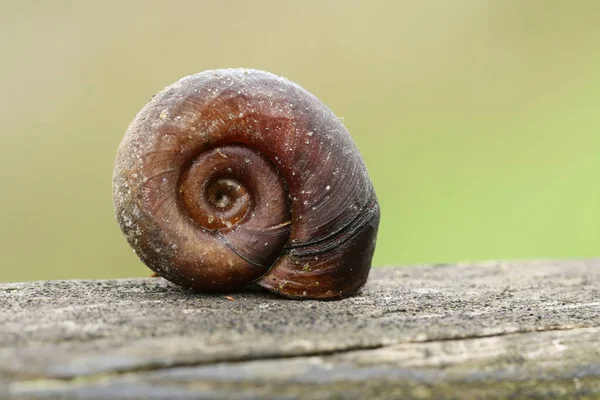
a single ramshorn snail

Ramshorn snails are similar in size and life span to the turret snail. They require the same water temperature and pH as betta fish, meaning you needn’t worry about special tank treatment to meet requirements.

Ramshorn snails are prone to eat plants if placed in tanks with plants in them, though they might survive in a tank without plants as they feed on algae and old food. 

Like other snails, you need to be wary about excessive reproduction from the snails as they are likely to breed exceedingly if well-fed and tank conditions are good.

Pond Snails

  • Water pH: 7.5
  • Temperature: 70 – 78°F
  • Lifespan: 1 Year
  • Average bodySize: 1 Inch
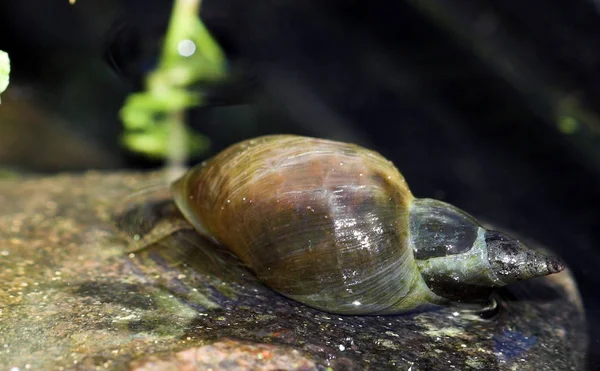
ponds snails

These are the most common snails you can find in your tank. They can even make their way into your tank from live plants in the tank without your realizing it. They also feed on algae and old food in your tank as they can help keep your tank clean. 

Pond snails tend to survive better at a pH of 7.5; however, they can still stay under 7. They top the list in terms of reproducing activity as they can produce steadily once the tank conditions are ideal and well-fed. 

Assassin Snails

  • Water pH: 7 – 8
  • Water Temperature: 75 – 80°F
  • Expected Lifespan: 2 Years
  • Average Size: 3 Inches

As you can deduce from its name, assassin snails eat other snails and are the best snails you can turn to when other snails are overcrowding your tank. Assassin snails reproduce slowly and can still survive on food in your tank, meaning you can keep them even when you don’t have snails in your tank. 

However, to keep your snail alive for a long time, they must get enough meat. Hence, you can feed them meat in the form of freeze-dried blood worms or other meat which your betta will also eat.

Assassin snails are tough to keep, that doesn’t mean you should worry, though, as you are good to go as long as the parameters in the tank are ideal for your snail, one being the same ph as for a Malaysian trumpet snails.

I would naturally only keep assassin snails only when they are needed as the betta fish might consider them a threat due to their size. Thus, it would be best to keep an assassin snail when your tank is overcrowded with other snails. 

Mystery Snails

  • Water pH: 7.0 – 7.5
  • Water Temperature: 68 – 82°F
  • Lifespan: 1 Year
  • Average Size: 2 Inches

Keeping mystery snails is not complex as long as they are adequately fed. It is easy to care for these snails.

Mystery snails don’t require extra effort to keep them fed, though, as they can feed on fish pellets or live food reaching the substrate that your betta will ignore but makes a good meal for the mystery snail.

Nerite Snails

  • Water pH: 7.5
  • Water Temperature: 72 – 78°F
  • Expected Lifespan: 1 Year
  • Average Size: 1/4 – 1/2 Inch

Nerite snails are the smallest-sized snail on this list; however, you shouldn’t overlook their small size as they are the best at removing algae pellets from your tank.

However, it would be best if you were extra careful about keeping nerite snails as they require a temperature and pH level that differs slightly from the requirement of the betta fish. Thus, it is essential to maintain a steady pH and temperature level to ensure survival.

Nerites are beautiful, and you can get a variety of choices of these snails as they come in different colors and patterns. You can go for these snails if you have the time and don’t mind breeding snails that need a little extra care.  

Most snails survive in a betta aquarium, and keeping aquarium snails could help eliminate soft algae and algae wafers from your betta tank.

Can Your Snails Clean Your Fish Tank?

Snails are notable for their ability to eat any material at the bottom of the tank and are often considered good tank cleaners; however, they will produce as much waste themselves.

If you intend to keep snails in your betta tank to get them to clean your tank, then you are a bit misled. The waste of the snails could rapidly deteriorate the water conditions of the tank and lead to the death of the snails, and ultimately you could lose your betta fish. 

Therefore, if you intend to keep more snails in your tank, you must be an aquarium hobbyist who is ready to do constant clean-up of the tank. You must be ready to make it habitable for your betta fish and the snails by ridding of waste, dead plants, and dead snails. Achieving this could help keep your tank spotless.

Do Bettas Eat Snails?

This depends on the temperament of your Betta; an aggressive betta tends to attack small snails when it considers them a threat or an extremely docile snail will also be subjected to threat. A calm betta makes good tank mates. Betta is not exactly passive fish and will also attack snails when they aren’t well-fed. 

A mystery snail is also considered a perfect meal for betta as its eyes look like a pair of worms synonymous with the food for the betta. To reduce the chances of the betta attacking your snail, you should endeavor to feed your betta fish appropriately.

You may also keep plants in your tank to provide ample cover for your snails as the betta cannot eat what it can’t see. The territorial nature of the betta fish extends to its family, as both female bettas and male betta fish cannot co-exist as tank mates.

What Snails Should You Not Keep With Your Betta?

Large snails with pronounced eyes (those that appear like worms) should not be kept in the betta’s tank, as your betta might attack the eyes vigorously. This is often common with mystery snails, repeatedly attacked mercilessly by betta. 

You may also avoid snails that hitch rides on the beautification aquarium plants in your fish tank. This can lead to potential diseases in your betta. Snails kept in the aquarium are commonly snails that can turn into an army overnight. Therefore, you need to be capable of tolerating pest snails as you might otherwise be subjected to stress. 

Snails overrunning your planted tank can be eliminated with a dip in potassium permanganate. This will prevent them from taking over your aquarium and stressing their tank mates.

How To Protect Your Snails From Your Betta Fish

Betta fish could be less welcoming hosts to snails; thus, you might be reluctant about keeping snails with your betta fish.

Below are a few tips to minimize the risk your snail is likely to face from being betta tank mate and reduce its interest in eating the snail and make it possible to live with bettas.

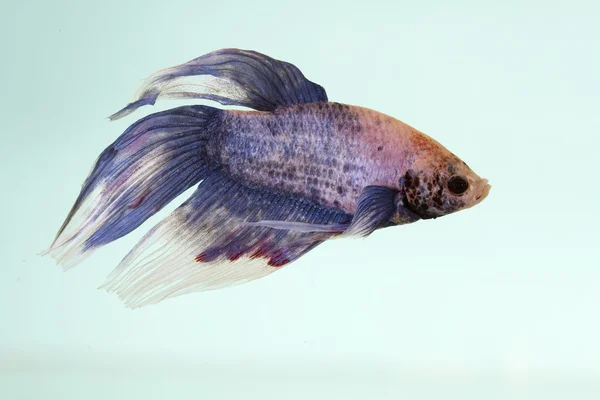
beautiful betta fish

Buy Larger Snails

Despite this not being a total guarantee of the survival of the betta fish, getting a bigger snail is a good start. Size has been discussed all along in this article, but it cannot be overemphasized.

Bettas exhibit carnivore instinct and will try to eat whatever they can. Thus, the larger snails breed has a higher chance of living peacefully with the betta fish. 

Buy Hardy Snails

Another tip for the peaceful coexistence of betta fish and snails is to buy hardy snails. When you purchase hardy snails for your tank, they are more likely to survive in the tank with the betta fish.

Avoid keeping delicate and easily stressed snails in the same tank as your betta fish as they will try to eat it. It is essential to keep baby snails in the same tank as your betta fish, as they are not large enough to fend off attacks from the betta fish and are highly susceptible to being preyed upon.

Add Snails Before The Betta Fish

Introducing the snail first to the tank is another tip to limit the risk to the snail. Bettas are primarily territorial and like to protect their domain from intruders.

Thus, putting the snail first helps protect them from attacks that would be expected if the betta stayed in the tank for a long time. If you are setting up a tank for the first time, keep your snail in first and get your snail to acclimatize before introducing the betta fish. 

It can possibly hide amidst the aquatic plants and make it easier for the snails to be betta tank mates.

In Summary: Do Betta Fish Eat Snails? 

The decision to keep snails in the same tank as your betta should be backed by your determination to ensure the survival of both species. Snails can be relatively safe when kept in the same tank as the betta; this might be correct in some cases, and wrong in some, since bettas can get aggressive and try to eat the snails. 

Therefore, if you intend to keep these species together, you should ensure that the snails are capable of reproducing on their own and surviving in the same tank conditions as the betta. This assurance will help you retain the presence of snails in your aquarium even when the betta eats up some of the snails. Another factor determining if snails will get eaten by betta is the size. Tiny snails are more prone to be eaten by betta.

Overall, there is no telling how an individual betta fish will react to the company of a snail or other fish, and you’ll often have to see for yourself. 

Related Reading:

Do Bettas Eat Snails - Featured Image

source https://aquariumlabs.com/do-bettas-eat-snails/
How To Stop Goldfish From Breeding?

How To Stop Goldfish From Breeding - Blog Image

More fish in the tank means more mess. A female goldfish lays an average of 100 eggs. If left unchecked, you could have a crowded tank with too many fish.

You’ll have to keep the filter working overtime to filter the water. You’ll also have to do more media changes and filter cleaning frequently too. All these things mean you’ll have to spend extra cash to take care of all that extra fish and keep them healthy.

So it is not out of place to prevent unwanted fish breeding. In fact, the practice ensures that your tank is spacious enough for your pets to lead a healthy and happy life. It also saves you feeding costs and the cost of maintaining filters that work overtime to keep the water in the tank clean.

This article discusses how to stop goldfish from breeding and other important things to think about. The points exposed in this piece will help you make informed decisions about how best to prevent unwanted fish breeding in your tank.

How Female Fish Get Pregnant?

Goldfish is an egg laying fish species. They do not give birth to their babies alive as livebearers do. It would be technically wrong to say that your goldfish is pregnant. They lay eggs that hatch into healthy babies.

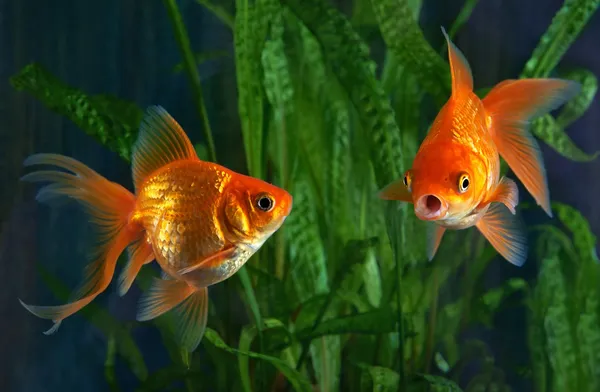
goldfish in aquatic background

But for this purpose, a pregnant goldfish means an egg laying fish. The moment you notice a larger fish among the other fish in the tank that is your female goldfish, and it is about to produce eggs that will hatch into many baby goldfish.

Spawning is the most common means of fish reproduction. Spawning is when the goldfish deposits eggs, usually around or on plants in the water. After laying the eggs, a male comes in to fertilize as many as he can with his sperm. This fertilization process could take anywhere from 48 to 168 hours.

Aggressive Behaviors As Spawning Sign

Perhaps, the most noticeable sign that this egg laying fish species is about to breed is the aggressive behavior of both goldfish genders. When your goldfish begins to show aggressive behavior unlike its usual self, it is safe to deduce that it is ready to breed.

You will often notice male goldfish chase her everywhere while nudging at her body. You may find more than one playing catch with her. This usually wears her out. Sometimes, she ends up with torn fins.

Spawning Tubercles As Spawning Sign

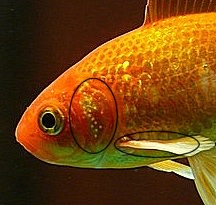
The males develop spawning tubercles when they are ready for breeding. These are white bumps that appear and grow on the pectoral fins and around the gill covers. These bumps can be hard to recognize if you are not an experienced aquarist.

Image taken from https://www.about-goldfish.com/goldfish-spawning.html

Bloating As Spawning Sign

Bloating of female goldfish is another sign that your fish is spawning. Although they are usually rounder than their counterparts, they grow larger in the process because they are about to lay eggs. 

You might also find that she is irritated when they keep following her around in the tank.

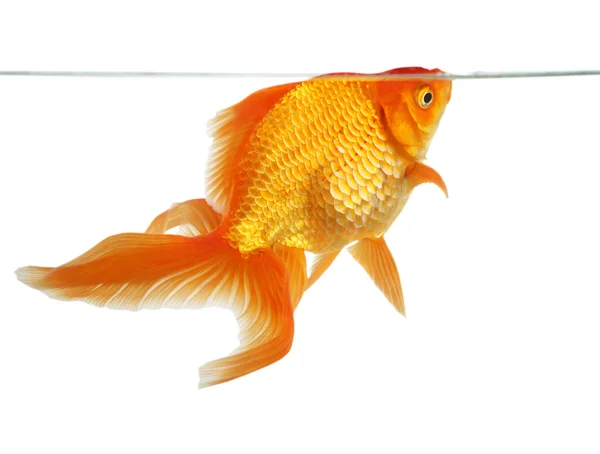
beautiful goldfish in white background

Other signs that your goldfish is about to breed include loss of appetite/refusal of goldfish food and nesting behaviors from when it is close to laying eggs.

When Is Goldfish Mature Enough To Lay Eggs?

Note that goldfish mature sexually within ages one to two. But they don’t start to reproduce until they are adults. They become adults at about three to five years old. So for the first two years, you can relax and entertain no fear of unwanted fish breeding in your tank.

goldfish in aquarium with aquatic plants

It is also a good time to learn working strategies to prevent unwanted fish breeding.

Appropriate Breeding Temperature Causes of Unwanted Fish Breeding With Goldfish

Goldfish breed in temperatures of anywhere from 50°F to 78.8°F. Naturally, goldfish breed in the late spring and summer. During this period, the progressive rise in the warmth of the water triggers the breeding.

Understand that it is the gradual change in the warmth of the water and not the change in actual temperature that induces breeding. An increase of about 2°F-3°F per day until you reach 74°F-78°F will give the specific tank conditions for your pets to breed.

Mixing Both Genders in the Tank Leads to Unwanted Fish Breeding With Goldfish

It takes two to tangle, and goldfish are no different here. Both genders of your goldfish are the two culprits involved in this crime of overpopulating your tank.

goldfishes in tank

Usually, the breeding process begins with the males playing catch with the female. Then the female goldfish release eggs on plants or other conducive spots in the water. And finally, the male fertilizes them.

Ways To Stop Goldfish From Breeding

Keep Only One Gender (No Male and Female Fish in Your Aquarium)

Breeding as a process for goldfish can only be completed when you have a male and female in the tank. If you have only one gender, unwanted goldfish breeding will not occur in your tank.

You can hardly tell a male goldfish from a female at their young age until about a year. This is because that’s about the time they attain sexual maturity. But they do not breed until about another year or two before they start breeding. So you don’t have to rush.

The males usually nudge and push the female while chasing her around in the process. But the female usually tries to get away from them and sometimes sustains torn fins from all that chasing and nudging.

goldfish in tank

Another identifying feature of females from males is the vent. The vent is a goldfish part under the anal fin used for discharging waste. The vent of the males is usually more extended while that of the females is shorter.

The males usually have a longer and thinner body than the females’. The female goldfish are usually stubbier.

As highlighted above, the males have small white dots on the areas around their heads, gills, and fins. These dots usually appear when they are about to spawn. The females do not have these dots. You can use a hand lens to examine your pet for these dots.

These tips will help you distinguish their sexes and thwart the breeding process by separating them. To break the spawning cycle, you can move her from the main tank to a separate tank for about a week.

Avoid Some Very Specific Tank Conditions

Avoid a gradual increase in the warmth of the water in the tank and change the water less frequently.

A gradual increase in the water temperature in the tank is the cue for breeding. The change is like the natural increasing warmth in water bodies from winter to warmer seasons which signals the breeding season.

close up view of goldfish

If you notice the chasing and nudging that signals the start of the breeding process, lower the temperature in your fish tank immediately. Leave it no higher than 69.9°F and ensure that it does not rise. If it does, lower it.

Freshwater favors breeding. Goldfish breed with good grace and happiness when the water is fresh. Less frequent water changes will stop breeding. If you usually change about 20-30% of the water in your tank every 7 days or so, do it less often. This will make it difficult for your pet to produce any offspring.

Include More Male Fish, Bottom Feeders, or Other Predatory Fish Species in the Tank

Another way to check unwanted goldfish breeding in your tank is by including bottom feeders to rid the tank of the eggs for you. You can add bottom feeders like the Cory Cats (Corydoras multiradiatus) and Bristlenose Pleco. They are great bottom feeders and will rid the tanks of the eggs for you. 

pleco fish

So, if you mistakenly allow an increase in the temperature in your tank and cause your goldfish to breed, you don’t have to worry too much. These bottom-feeder fish will help take out all eggs or fish fry created in the process.

Alternatively, you can opt for other aggressive fish species that feed on fish eggs and fry (baby fish). Ensure that these fish can eat all eggs and fish fry before mixing them with your goldfish. You can also put more males in the tank to eat the eggs. They don’t have fatherlike instincts to protect their eggs or offspring. They see them as food.

With this solution, you don’t have to bother about mixing different genders of goldfish. You can have what you want and stay confident that the fertile eggs and fish fry will not survive in your aquarium.

The Bottom Line On How to Stop Goldfish From Breeding

As part of the Cyprinidae family, goldfish (Carassius auratus) is one of the most popular egg laying fish in the hobby. Although they lay multiple eggs at a time, this article explains the efficient ways to stop them from breeding if you want to keep them as pets.

Goldfish usually breed once a month in April and August when the weather is warmer. Ensure that you don’t trigger breeding so that you aren’t stuck with extra fish in your aquarium.

Related Reading:

Image Credits:

  • about-goldfish.com

How To Stop Goldfish From Breeding - Featured Image

source https://aquariumlabs.com/how-to-stop-goldfish-from-breeding/

What Size Tank For 2 Goldfish?

what size tank for 2 goldfish

Aquariums are always a lovely sight to behold, and one of the most popular fish for display is the goldfish.

For goldfish optimized growth and fish health, fish tank size matters. So, the question is: what size tank for 2 goldfish?

How Many Goldfish Can You Have Per Gallon Tank?

Generally, from the gallon/inch rule of thumb for a goldfish, a goldfish need a 30-gallon tank.

Since 30 gallons is equivalent to 114 liters of water, one goldfish will require a 114-liters of water in the tank. For each additional common goldfish, you’ll need to add 12 extra gallons (more info in upcoming sections).

So, in short, you need roughly a tank size 40-42 gallons for 2 common goldfish.

Due to the rapid growth of small goldfish, the larger the tank, the lesser the chances of the fish getting sick, and the waste building up to pollute the tank.

What Tank Size Is Best For The Need Of A Goldfish?

Finding an appropriately sized tank for your goldfish is one of the first considerations for keeping a healthy aquarium.

Usually, while a 10-gallon tank is okay, a tank of 20 gallons is preferred for a healthy and happy fish.

Since goldfish enjoy company, creating room for more than one goldfish in your tank is important.

Although there’s a myth that common goldfish grow to fit the size of their tank, this is usually the case when they are poorly fed or kept in a tiny space.

To keep 2 goldfish healthy, a tank of 40-gallon, which is about 151 liters of the water tank, will be the minimum requirement. For the comfort of every fish, a smaller tank is less preferred to a bigger tank.

Does The Size of Tank Depend On the Kind of Goldfish?

Different sizes and types of goldfish usually determine the capacity of the tank required to house them.

While slim-bodied goldfish and single-tailed goldfish are smaller, fancy goldfish can grow to become twice the size because of their longer length and wider width.

Also, hooded goldfish will require more space than usual because they’ll need more surface area to take in oxygen from the water.

Considering fish’s high activity and mobility, it is important to note that a considerable high surface area is recommended for every fish.

Generally, most goldfish prefer tanks that are wider and less deep. This usually gives them enough space for unrestrained movement for good health and vitality.

What Is the Suitable Depth of An Aquarium Used For A Goldfish?

An experienced goldfish keeper will say there are two major designs of tanks used for goldfish aquariums: deep tanks with less longitudinal length; and shallow tanks with more surface area.

For instance, fancy goldfish, in relation to common goldfish, are known to be slow swimmers; they require tanks with a larger surface area.

Hence, a rectangular-shaped tank that is long but not too deep will be ideal for most species of goldfish.

What Food Do Goldfish Prefer?

Goldfish feed readily on commercial pellets, flakes, and diced fresh vegetables such as lettuce, zucchini, and peas.

Like other fish, they also enjoy brine shrimp and blood worms. Before adding anything into a goldfish diet, always first get the approval of an aquatic veterinarian.

Since its feeding habit is directly influenced by its surroundings, a small tank is not advisable.

This is because limited spacing can affect its conditioning by favoring an accumulation of more waste, which can lead to stunted growth, illness, or eventual death of the goldfish.

What Size Tank for 2 Goldfish (Fancy Goldfish and Common Goldfish)?

While the general needs of the two most commonly kept goldfish are the same, their required size of the tank slightly differs.

The Common Goldfish

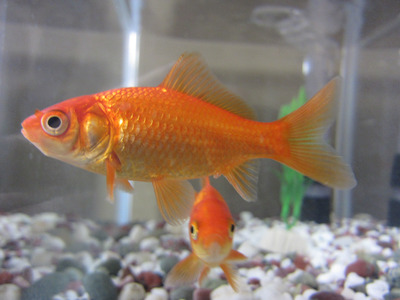
common goldfish

Common goldfish requires a minimum tank capacity of 30 gallons and a 4 feet depth.

However, for more content and free-roaming common goldfish, a volume of 35-40 gallons at a depth of 4.5 -5 feet long is highly recommended.

Relatedly, when considering an additional fish, a minimum of 12 additional gallons is required.

However, with the well-being of the fish in mind, a 40-gallon water volume is recommended for just one single goldfish.

20 extra gallons for each additional fish (after 1) is ideal for more comfort. In other words, 50 gallons is ideal for a common goldfish need. And if you have two goldfish and want them to “live their best lives,” 50-60 gallons is best.

The Fancy Goldfish

fancy goldfish

This is a slightly more expensive and ornamental kind of goldfish.

It is smaller in size and requires less space in comparison with the common goldfish.

A minimum size of a 20 gallon tank and 3 feet in length is required.

However, if there are more goldfish, you can have a tank with a water capacity of 25 gallons and 3.5 feet in length.

A minimum of 10 – 15 gallons of water increment is recommended for additional fancy goldfish.

Hence, for a healthy and content fish, two goldfish should have a minimum tank space of 35 gallons of water at a minimum depth of 3.5 feet.

What If There Is Limited Space for a Large Tank?

When there is little space for your aquarium, you need to consider how many goldfish you can keep.

You can either get smaller-sized and fewer goldfish or opt for a different breed of fish.

Also, you can consider altering the shape of the tank.

A rectangular-shaped aquarium, while taking up less space in the house, offers enough space for the fish to acquire oxygen as well as a considerable shallow depth.

Optionally, an L-shaped aquarium can suffice as it conserves quite some space while offering the fish the much-needed space to grow and stay active.

In Conclusion

It should be understood that a healthy goldfish requires more than good food and clean water; it also needs a large space to express its full potential. Bearing in mind the one-inch of fish per gallon rule, the rapid growth of the fish necessitates fewer restrictions and more room to perform its natural activities.

So when making plans on how to keep two of your favorite goldfish, ensure that there is a lot of room in the aquarium for them to move around and live healthy to give you the maximum satisfaction you desire.

Related Articles:

source https://aquariumlabs.com/what-size-tank-for-2-goldfish/

What Is A Female Fish Called?

What Is a Female Fish Called - Blog Image

Animals are sexually dimorphic in many cases. This means you can tell the sex. But unlike humans and other animals in the wild, this is not the case with fish.

Even with sufficient studying, you can hardly tell which is the male or female fish. 

This article discusses what is a female fish called and other interesting facts about male and female fish.

What Is A Female Fish Called?

A female fish is called a fish. A female fish called a livebearer is a pregnant fish that produces younger ones instead of eggs, but it is still referred to as fish. A specific name may indicate the growth stage from eggs or birth, and so on, but a female fish is called fish.

Identification Of Male and Female Fish

There are the males, the females, and those that change gender during later life. Some can do this numerous times in their lifespan. And you wonder why the sex of fish can not be identified easily?

Usually, males have bigger but thinner bodies. This makes them bigger and more prominent than female fish. In some other species, male fish tend to be smaller than females.

Factors that can determine male fish from females include:

  • The Difference in Coloration – Males tend to have more vibrant colors than females generally. A notorious example is the Betta fish. In other cases, females have more brilliant colors when laying eggs.But note that both male and female fish will lose their vibrant colors if you do not provide the right food and ensure the proper living conditions to breed them.
  • Pointed Fins For Male Fish – The male fish tends to have fins that stick out further from their body. The dorsal and anal fins of the male fish usually poke out compared to that of a female fish. This extension makes male fishes look more extensive and free-flowing than their counterparts.

Distinguishing The Male Fish Gender From The Female

Depending on the fish species, there are different ways to identify the male fish from the female.

For most fish, the female is usually more extensive than the male, but the male is more colorful than the female.

It is essential to know the difference between the male and female fish in your aquarium. For most species of fish, it is not easy to identify a female fish.

But the following tips can help you tell the sex apart.

Note that these tips don’t provide a general overview for identification. It tells you what to notice.

Bettas

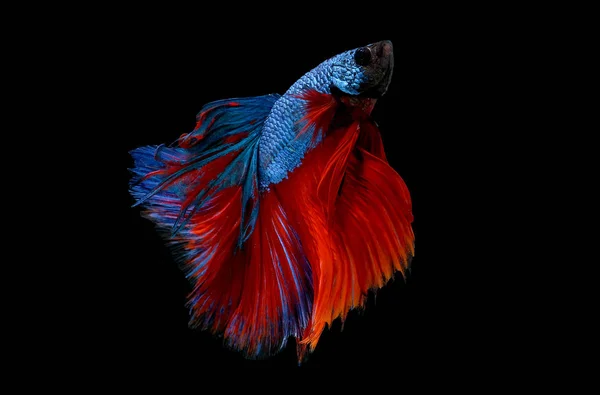
Colorful Siamese fighting fish

For bettas, you can easily distinguish the male from the female. The males have extended flowing fins and stunning colors that are beautiful.

On the other hand, females are not as colorful as their male counterparts, and they are usually stuck with stubbier and shorter fins.

Catfish

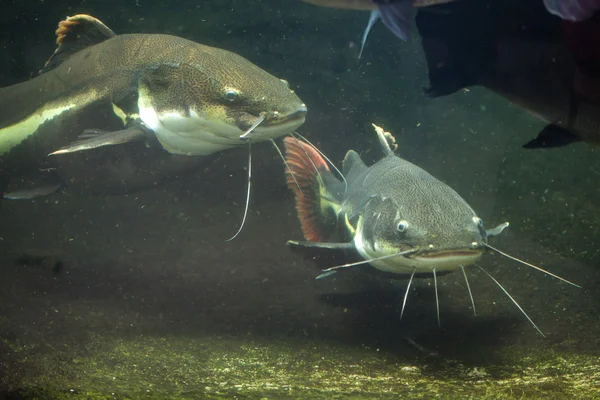
redtail catfish

It is tough to tell one sex from the other. There are different species of catfish, but the only one that has a notable distinguishing factor is the Corydoras species. Females are usually more prominent in body size than males.

Cichlids

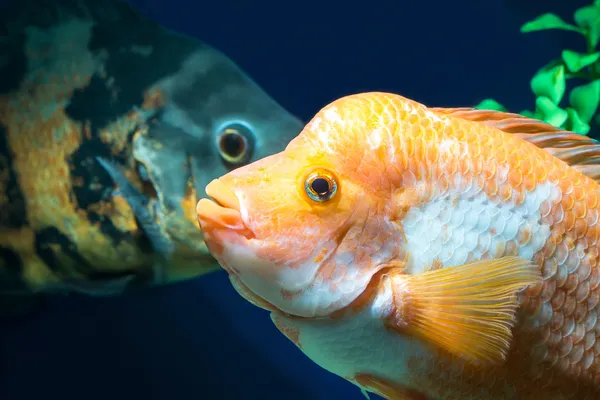
Cichlids in Aquarium

Determining the gender of this fish breed is no easy feat.

However, there is a subtle way to recognize the male from the female. The male cichlids have slim bodies, but they still have bigger bodies than their female counterparts.

Also, males are usually bright-colored and have pointed and flowing anal and dorsal fins, but females don’t.

Gourami

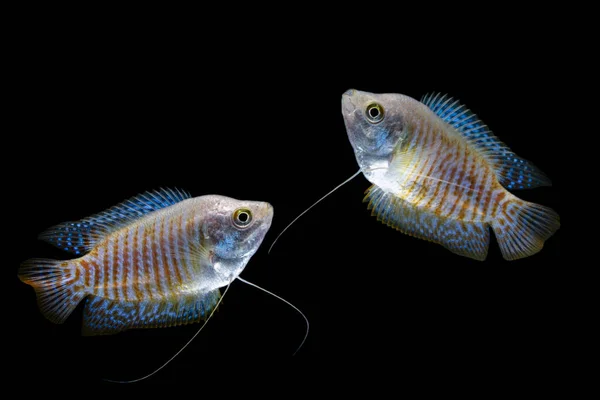
Dwarf gourami on black blackground

Another species that can’t be easily told apart is the gourami. This is because males and females are shaped and colored the same way.

However, there is a subtle way to differentiate via the dorsal fin. The males have long and pointed dorsal fins, while the females have shorter and rounded dorsal fins.

Tetras

colorful tetra fishes in aquarium

This fish type has noticeable differences. The females are chubbier and more prominent than the males.

Also, males have bright colors and longer fins than females. But the females have shorter fins and less vibrant colors.

Livebearing Fish

The gonopodium (external sexual organ) is something only the male livebearing fish possess, making it easier to distinguish male from female.

The females have fan-like anal fins compared to the rod-like fin of the males, which can also be used as a copulatory organ. This makes the livebearing fish one of the easiest to tell apart without being confused. 

Hermaphroditic Fish

Some fish species have both male and female reproductive organs. They are called hermaphrodites.

With both reproductive organs, these hermaphroditic fish change gender to reproduce young ones during the mating season.

There are different species of fish that fall under this category. They include damselfish, parrotfish, clownfish, guppies, and wrasse. These fish are usually marine or reef fish compared to freshwater fish, and they change their sex during their later life.

This hermaphroditic nature makes them easy to breed. The clownfish, among others, are notorious for this sexual attribute.

Other Names Attributed To Fish

As mentioned earlier, the general terminology used to refer to both gender is fish.

However, there are other names people attribute to fish. These names aren’t based on their gender. Instead, these names come into existence due to actions or behavioral patterns of fish at specific periods.

  • Fingerling and Fry – Fingerling is the specific name for a baby fish that is about the average size of a finger. At this stage, the development of the scales would have begun, and the fins can be extended. A fish that newly hatches to life is called fry. At this stage, the fish’s swim bladder is functional to the point where it can actively feed itself. Usually, this is the stage where the yolk sac has almost disappeared.
  • Shoal – A group of fish that swims in no particular direction is called a Shoal. They stick together to avoid being the next meal of any nearby predator. They believe in the safety that their numbers guarantee, and they swim with a form.
  • School – The meaning of this name is quite different from the name mentioned above. While shoal refers to a group of fish moving in one direction without a purpose, school is the opposite of this concept. A group of fish swimming together for a particular purpose is simply referred to as a school. The purpose usually varies, but one notable reason is migration due to the changes in temperature, food scarcity, or the start of the mating season.
photo of school of fish

Final Thoughts

As mentioned earlier, fish are one of the complicated animals, which is perhaps why there is no specific name for the male and female. 

Even a pregnant fish called a livebearer (one that gives birth to young ones instead of laying eggs) or an eggbearer (one that lays eggs)is called fish.

The same way the plural of fish is fish. But you can say fishes in instances where you refer to many species of fish.

But always remember, a female fish is called fish.

More Frequently Asked Questions:

What Is a Female Fish Called - Featured Image

source https://aquariumlabs.com/what-is-a-female-fish-called/

Do Clownfish Eat Their Own Eggs?

Do Clownfish Eat Their Own Eggs - Blog Image

Are you curious do clownfish eat their own eggs? Do you notice a reduction in the number of fish in your tank and wonder if the clownfish are eating their eggs? 

This article will tell you all you need to know about clownfishes and their eggs.

The clownfish’s natural behavior is to eat eggs that are considered nonviable due to their current status; either unfertilized eggs, damaged eggs, sickly eggs, or one with fungus growing on them. By doing this, it helps protect the other eggs from being killed by bacteria and fungus as these damaged eggs attract harmful bacteria. 

Clownfishes are noted to eat their eggs from their first few spawnings and might evolve to protect them as they spawn more.  

Why Do Clownfish Eat Their Own Eggs? 

Clownfish parents eat their eggs to increase the chances of survival of healthy fry. They eat clownfish eggs that are unhealthy and have become damaged. The presence of unhealthy eggs in the clutch increases the chances of damage to all their eggs in the clutch. Thus, making the eggs around less viable to survive. 

Therefore, by eating these sick and infected eggs, the adult clownfish is increasing the chances of survival of healthy fry to adulthood. However, despite this seemingly good intention of the fish, there are times when the adult fish might go full-on feast mode and eat its entire clutch. 

Factors That Makes A Clownfish Eat Its Eggs 

Male clownfish eat their eggs if it is a first-time spawn or based on the below factors:

photos of clownfish

New Adult Parents 

You must be prepared to lose some of your clownfish eggs during the first few spawning. It is quite unfortunate, but your adult clownfish has a high tendency of going nuts and ends up eating its own eggs.

You shouldn’t worry, however, as they are likely to spawn again in a few weeks, and they are likely to protect their eggs better as they grow older, and you should start getting eggs that survive the hatching.

Fungal Infected Eggs

Male clownfish eat up their own eggs with fungal infection to protect the healthy eggs from getting infected.

Poor Health Of Parent Clownfish 

Another cause of clownfish eating up its babies is when it is of low energy. When clownfish parents go hungry and run out of calories, they will be tempted to eat their eggs.

Bad Tank Conditions 

Bad tank conditions for your clownfish could also lead to them eating their own babies based on the below two factors:

Stress

When your female or male clownfish doesn’t feel safe in its tank, it might proceed to eat its egg to regain its strength and then try breeding again when it feels better. Stressful living conditions in the tank may arise from overcrowding of the fish tank. To promote peaceful spawning, you must ensure to keep adequate conditions. 

Starvation

When it feels underfed, with insufficient resources going around, both male and female clownfish might eat its eggs until more food is available.

There are other reasons why a clownfish might up and eat its eggs, such as unfertilized eggs. However, it isn’t easy to ascertain what trips them, and we can only observe them in the aquarium and deduce since they can’t exactly speak.

red sea clownfish

How To Protect Your Baby Clownfish  

It is often impossible to guarantee the total safety of your clownfish from its parents in the aquarium. However, keeping them well-fed and limiting stress helps. Providing advantageous adaptation helps as well.  

Eliminate Stress

Ensure to keep adequate lighting in your tank to help limit stress in the tank and ensure they aren’t overcrowded. 

Keep Them Well-Fed

Underfed clownfish tend to consider their eggs food, both viable and unviable ones. Thus to protect your baby clownfish and ensure they reach adult age, you should ensure your clownfish are adequately fed in the aquarium.

Separate The Clownfish From Other Fish

Another way to protect the clownfish babies from being eaten is to ensure that the clownfish is separated from other fish in the tank. Thus, you can maintain a tank for the clownfish while you keep other fishes in another tank. 

Remove The Eggs From Their Parents

Eggs in the nest will practically hatch 10 to 12 days after being laid; thus, it is in the best interest of the young clownfish that they are removed from their parents before they hatch.

Once the eggs hatch, the adult male clownfish will consider it a fair game and likely eat its own babies up before embarking on breeding cycles. 

Keep The Eggs Oxygenated 

You might also keep your eggs oxygenated in their nest by maintaining an air stone in the tank until they hatch. However, if you have HOB in your tank, you may want to turn it off to avoid sucking up the little babies.

Where Do Clown Fish Produce Their Eggs? 

Clownfish generally stay close to the water column with anemones and will likely lay their eggs in a nest on a flat surface close to the anemones. They like laying eggs in various hiding spots in that particular place.

saddleback clownfish

How Should You Feed Your Fry?

In the first week and a half after the clownfish is hatched, you may feed it with rotifers and then feed them with crushed flake foods. Your fry is likely to survive better if you start feeding them rotifers than if you start off providing them dry food.

Conclusion 

Clownfish are likely to feed on their eggs for many reasons. Sometimes they feed on the eggs because they are unhealthy or growing fungus. They might also eat eggs that are dead. Another reason these fishes might eat their eggs is that it is their first spawn. Starvation or stress is another reason for clownfish to be eaten by its own parents. 

Generally, you would not want your clownfish to eat its healthy eggs, as you would like to breed healthy baby fishes. It is best to remove the parent from the eggs before hatching, and this can be done when the eggs turn a shade of pasty white. You can put the parent clownfish in a separate tank to protect them from going full bestial on their babies.

Related Reading:

Do Clownfish Eat Their Own Eggs - Featured Image

source https://aquariumlabs.com/do-clownfish-eat-their-own-eggs/

How To Clean Fish Poop From Sand Manually

How To Clean Fish Poop From Sand Manually

Poop is something we don’t really like to talk about, but it’s a major part of any aquarium experience. Getting rid of it is part of our weekly and monthly maintenance schedule. Not only because our fish are healthier, but it keeps our tanks looking pristine.

So how to clean fish poop from sand manually? How do we remove waste from sand and gravel at the bottom of a tank?

Does Fish Poop Dissolve?

Fish poop does dissolve over time, but that’s not something we necessarily want to happen. For one, it takes days to weeks for bits of fish poop to dissolve. Bacteria are involved in decaying fish waste into other debris forms. But one of the chemicals released in this process is ammonia.

Ammonia is very toxic to all forms of aquatic life. Fortunately, in a well-established aquarium, there is also a secondary set of beneficial bacteria that eats ammonia, converting it into nitrite and then nitrate. This is known as the nitrogen cycle, and it’s part of any healthy aquarium ecosystem.

But you can’t rely on them to do all of your tank cleanings because fish poop accumulates much faster than your bacteria will be able to process. In nature, bacteria and plants do all of the work. But only because there are so many – and there is so much water volume – compared to how few fish there are in a body of water.

Taking a Closer Look

Before you give your sand a deep cleaning, take a moment to study fish poop now and then. It sounds like a waste of time studying fish waste. But you can actually learn a lot about the health of your fish by looking at fish waste left behind.

A healthy bit of fish poop will likely be similar in color to their main food source. If the flakes you feed are enriched with spirulina algae, then any poop will likely be a faint green color. If you fed your fish bloodworms as a treat, expect to see more red. But if you are feeding a standard prepared blend and you start seeing unusual colors from your fish, then I would be a little concerned.

woman feeding beta fish

Pale yellow, pale green, clear, or slimy/liquid fish poop are all things to worried about if the food you are feeding does not contain the pigments required. It can be a sign of simple digestive problems or something as serious as a parasitic infection.

Different fish poop in different ways as well. If a fish that normally drops little pellets starts leaving long strings, it might be nothing. But it is also a sign that you should pay attention to, just in case.

So do remove fish poop from your tanks. Just remember to also take time to study it now and again to ensure your fish are doing well!

Is Fish Poop Good for Aquarium Plants?

Fish poop can be considered organic waste and something to be removed with dirty water during a water change. But it is also a source of organic and inorganic nutrients that plants can make use of.

Most freshwater plant species grow well in aquarium sand or gravel. Except for the fact that these substrates are inert, meaning they contain no nutrients of their own. Fish waste that decays becomes a sort of organic medium that slowly releases ammonia, phosphates, and other goodies directly into the roots of growing plants.

You don’t need to do anything to make this process happen. Some fish poop will always be left behind after each water change. And live plants will naturally make use of it as the tiny decaying bits get trapped among sand and gravel grains.

So if you do have a gravel cleaner, you may want to stick to surface-level cleanings in a heavily planted tank. That is assuming you keep a close eye on your water quality. If your ammonia levels are constantly rising and your aquarium plants aren’t keeping up, then it’s time to do a deep cleaning of your substrate.

aquarium plants

What Will Clean Up Fish Poop?

Aquarium plants for our tanks can only do so much. We also need to clean fish poop ourselves using some of the most well-tested equipment in the fish tank hobby!

Aquarium Filters And Other Equipment

A filter with a powerful enough water flow is a great way to keep debris from accumulating between each cleaning. Filters typically purify incoming water and send it back out of the unit free of ammonia and nitrite. However, any poop that flows into it will also be screened out mechanically thanks to the cotton floss and other filter media.

Fish waste will tend to collect along the bottom of a tank and need to be vacuumed out. But if your filter has a strong enough current, it can create constant circulation that gently pulls debris towards it.

This way, poop has less of a chance to get hidden in crevices where it will rot. A sand or bare bottom substrate makes this even easier since poop tends to get caught on large gravel grains and won’t get moved towards the filter.

How Do I Use An Aquarium Gravel Vacuum?

One piece of aquarium equipment that every fish tank keeper will need is a gravel vacuum to reach and clean fish poop from within the substrate. Freshwater or saltwater, planted or coral reef, every fish tank needs a siphon hose.

So how do we use a vacuum to remove fish poop and perform a water change?

man vacuuming and cleaning the fish tank

Vacuuming Gravel Vs Sand Substrate

When using a vacuum on aquarium sand, you need to take different steps versus a gravel substrate. The problem with a gravel cleaner is that it is probably powerful enough to suck up the sand from the bottom of your fish tank. So how can we clean fish poop without disturbing all of our aquarium sand?

Fortunately, you don’t really need to go all out in order to clean fish poop from the sand. Poop and other debris will sit right on top of the sand. The individual grains are so tightly compacted that the larger chunks of waste won’t fall in between.

That’s why a fish tank with white sand often looks like it has so much poop after just a few days when it really only has an average load! The cleaning process for sand substrates is to run your siphon hose gently along the surface without disturbing the lower layers too much.

Since the fish poop is sitting right on top of your sand, it takes next to no time at all! The only downside is that poop isn’t easily hidden. If you don’t suck it out, it’s there to be seen at any time.

If you have a gravel-based aquarium, you will need to vacuum much deeper to get rid of all the dirt when cleaning. Unlike sand, gravel pieces can trap larger bits of debris. So getting the aquarium clean and getting rid of poop when cleaning will take more work.

Really work the gravel substrate when vacuuming to get at it all. You can even stir the gravel around some, though I would not do so if you have live plants since this action will break up their delicate roots. This can cause stress and even kill plants if done too often in a gravel tank.

Gravel Cleaning Solutions

Now that you better understand how to remove dirty water and poop from a tank consider one of the following siphon options for cleaning aquariums! By the way, each siphon is designed for a specific water volume, but most brands also make models for larger or smaller tanks.

Keeping My Fish Tank Clean

Once your fish tank is free of poop, is there any way to keep our sand looking pristine? Can we get algae eaters to purify our sand by eating some of the poop that normally collects?

What Will Eat Fish Waste in a Fish Tank?

When looking for ways to remove fish poop easily and quickly, new aquarists sometimes ask pet store employees for animals that will eat it! After all, what could be easier than having an animal do all of the work for you?

So people end up being sold snails, shrimp, and even fish like plecostomus, thinking they will be cleaning fish poop in the process of eating. But unfortunately, that’s not at all the case.

Do Algae Eaters Eat Fish Poop?

Ancistrus or known as Sucker Fish in Aquarium

Plecostomus, otocinclus, corydoras, goldfish, and other bottom feeders in a fish tank do not clean fish poop. They are vegetarians that feed mostly on green hair and spot algae growth. They will also eat any leftover food that your fish miss.

So in that way, they do help keep the tank clean by eating food that would rot. Rotten food is turned into ammonia quickly, yet if algae eating fish eat it, their poop is less detrimental to your water parameters.

Snails and shrimp species are also scavengers, specifically detritivores. As detritivores, they feed mostly on detritus, which includes leftover food, algae, dead plant matter, and so on. Occasionally a snail or shrimp may nibble on fish poop, especially the nutrient-rich waste of carnivorous fish. But they don’t eat poop as a major part of their diet. Snails and shrimp will ignore most fish poop in favor of algae and any uneaten food they can find.

And if they can’t find any leftovers or algae, then they are likely to starve. So don’t expect other species of living things to act as a fish tank poop cleaner. Unfortunately, that’s mostly your job to do!

Wrapping Things Up

man changing water from aquarium

Anyone keeping an aquarium needs to deal with cleaning fish poop from sand now and again. Unfortunately, there aren’t any animals that will eat it all, so it is up to us to do the work.

Fortunately, there are many ways to give your substrate a good cleaning. From using a turkey baster for a light clean to a siphon hose for larger water changes…Removing poop is always a good idea unless your plants can make good use of it (and you have a substrate for it to break down into).

And remember: keeping sand clean is a little different from gravel because poop sits right on top of it. Sand needs cleaning more often – but it’s also faster to vacuum compared to gravel. Which tradeoff is best is really up to you!

Related Reading:

How-to-Clean-Fish-Poop-From-Sand-Manually-Featured-ImageV2

source https://aquariumlabs.com/how-to-clean-fish-poop-from-sand/