How Many Eggs Do Clownfish Lay? (And What to Do If Your Clownfish Laid Eggs)

How Many Eggs Do Clownfish Lay

Clownfish breeding is a hot topic in today’s aquarium hobby. Since so many fish are wild-caught for the saltwater trade, what is the holdup on bringing more captive-raised stock? Is it harder to breed marine fish than freshwater fish?

As it turns out, clownfish breed very easily and are a lot of fun, to boot, but how many eggs do clownfish lay? How can we get started with clownfish breeding? What do I do if my clownfish laid eggs?

Why Are Captive Bred Clownfish So Valuable?

Breeding fish for the saltwater aquarium hobby is more popular than ever before. But there are still fewer breeding tank setups compared to freshwater hatcheries. In fact, over 90% of the reef fish found in aquarium stores come from the ocean.
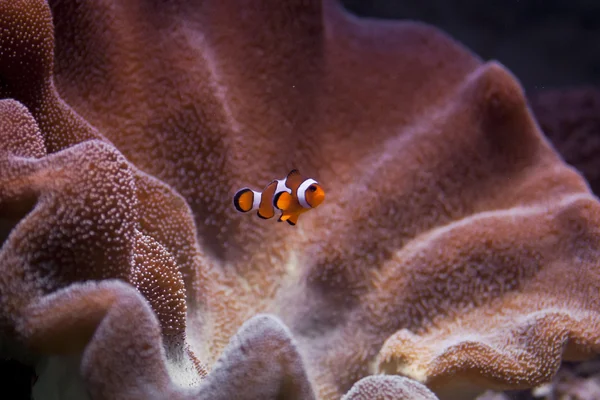
photo of a clownfish underwater

Saltwater ecosystems are under constant pressure from not only the pet industry. But also climate change, local fishing, pollution, and so on. So it is very important to help take the pressure off of wild stock by captive breeding clownfish and other reef fish at scale.

Are Clownfish Easy To Breed?

There are many reef aquarium fish that are in high demand. Many, if not most, are very difficult to set up a breeding tank for. Many oceanic fish have specialized needs. They may be open water spawners or have complex social dynamics. Others have pelagic babies – in the larval stage, they float freely along with the plankton soup of the open seas. So even if the aquarium fish lay eggs, they will just get sucked up into a filter or protein skimmer system.

Clownfish are much easier than many ocean fish to breed. For one, they breed by laying eggs on a hard surface, such as a handy piece of live rock that has been nibbled clean of algae and other detritus. They don’t move the eggs around and will guard them against predators. And once the eggs hatch, the fry are fairly easy to care for!

How Can I Encourage My Clownfish To Lay Eggs?

Clownfish lay eggs readily enough. But what is involved in the process of encouraging clownfish breed behavior?

Clownfish Pair Formation

Picking a pair of clownfish is not quite as simple as it is for guppies and other aquarium store fish. Like many ocean fish, clownfish don’t have fixed genders at birth. They are known as “protandrous sequential hermaphrodites.” It is a very jargon-filled term that basically means they are male at birth and then change their sex as their environment and social hierarchy dictate.

Fortunately, this also makes things a little easier for you. In a tankful of clownfish at a pet store, the vast majority of the fish are going to be male if they were captive-bred. If you are looking at wild-caught clownfish, it becomes a little more difficult. But the largest fish in the tank will most likely be female clownfish.
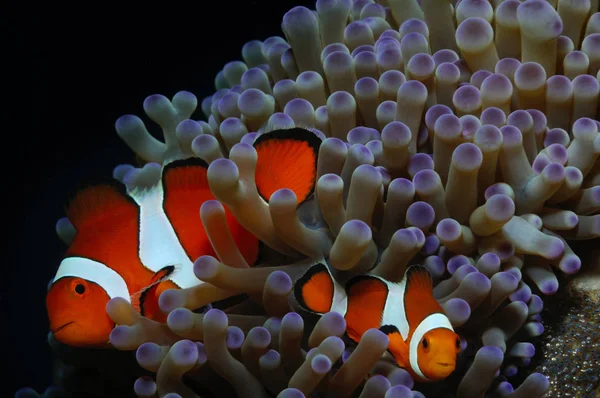
photo of clownfish parent couple

In clownfish, the usual sex roles are reversed; male fish are smaller, and female clownfish are the more aggressive and dominant fish. And these traits are quite flexible. If you buy a pair or several males and take them home, they will have fights to establish who is dominant. Over the course of a few weeks, the dominant fish will then transition into a new clownfish female.

This size difference is called sexual dimorphism. In clownfish, it ranges from the female being just a little bigger to more extreme cases. The Maroon Clownfish female (Premnas biaculeatus) is often several times larger than her male partner!

How Many Eggs Do Clownfish Lay?
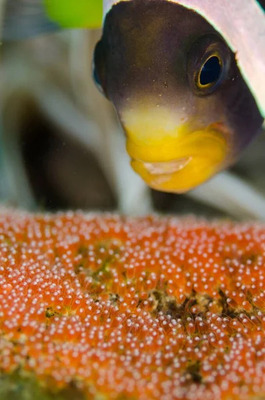
When laying eggs, the exact number depends on the species and size of your clownfish.

Smaller species of clownfish have fewer eggs laid. 100 to 400 is common for small species like Percula Clownfish (Amphiprion percula) and Pink Skunk Clownfish (Amphiprion perideraion).

Larger species of clownfish like the Maroon Clownfish will lay up to a thousand eggs at a time.

A species’ relative age also matters when it comes to how many eggs you find. More mature clownfish lay more eggs than a new pair spawning for the first time.

Do I Need A Sea Anemone?
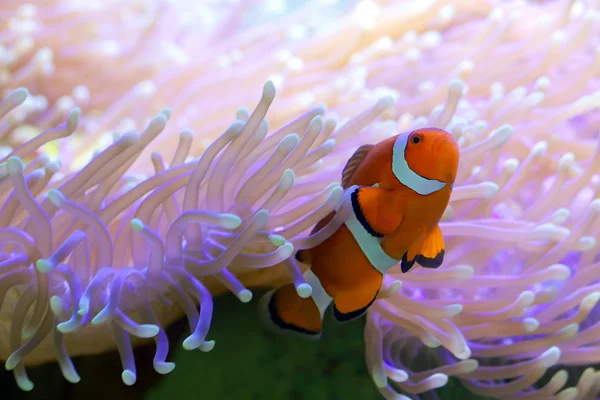
clown fish in great barrier reef

Aquarium enthusiasts often find their fish laying eggs next to the host anemone during clownfish breeding. Sea anemones offer clownfish, which are poor swimmers, a lot of protection thanks to their stinging tentacles. So it makes sense that clownfish eggs would be near their sea anemone home. But do you need a sea anemone for clownfish breeding?

The answer is no. In fact, you don’t need a sea anemone to keep clownfish at all. Most species will do just fine in a community tank with no anemone. But having a sea anemone allows you to witness the behaviors that have helped make clownfish so popular around the world.

The way they gently clean their host anemone, the way they protect it from other fish. Just be aware that sea anemones are more difficult to keep than clownfish. Anemones are highly sensitive to ammonia and other nitrogenous waste products. They also need bright, full-spectrum lighting – but not too much light, or they can burn. As well as low concentrations of organic pollutants to do well. Sea anemone care is not for beginners!

How Long Does It Take Clownfish Eggs To Hatch?
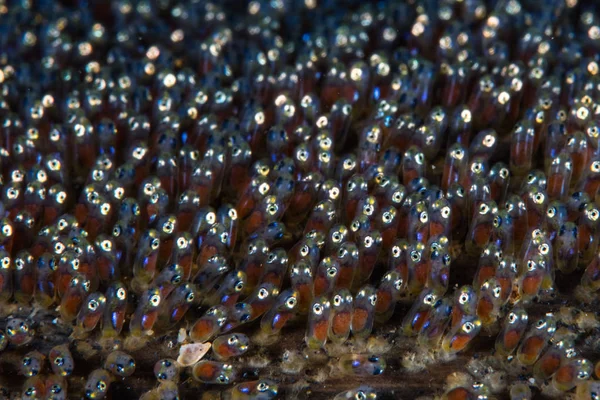
Saddleback anemonefish embryos

An adult pair of clownfish may begin regularly spawning once they take a liking to your water quality and are given enough food. You might end up with a steady supply of baby clownfish to take care of. So how long does it take for clownfish eggs to hatch?

Once your clownfish have laid eggs, it takes between 10 and 14 days for the fry to develop and hatch. After the first few days, you can sometimes see the baby clownfish inside developing. Their large eyes can sometimes be seen right through the thin shells of their eggs.

As the clownfish larvae develop, the adults will eat any unfertilized eggs or eggs infected by harmful bacteria or fungi. This helps clownfish eggs survive free of disease, which can spread from the bad eggs to the good ones.

Raising Baby Clownfish Fry

After your 10 to 14-day waiting period, the larvae hatch! However, you may not realize it right away because the newly hatched larvae are not free-swimming fish. The baby fish will sit at the bottom for the first 24 to 72 hours (depending on the species). They get all of their nutrients during this period from their yolk sac, a bulbous orange attachment on their bellies.

Once the yolk sac is used up, the baby clownfish fry will begin to lift off a little from the live rock they call home. But they won’t go far from their parents for the first few weeks of their lives.

Feeding Baby Clownfish

If you see the baby fish fry free swimming, then you know it is time to start offering them food! During the first week, they are so small that they will need to be fed live rotifers, liquid algae, and other planktonic food formulas. The fry need live food at first; the movement of these tiny prey items stimulates them to eat greedily.

After the first or second week of eating and free swimming, you can try offering them something a little larger: live brine shrimp nauplii. Most specialty aquarium stores have a constant supply of baby brine shrimp. But if not, you can hatch your own in just a couple of days if you have the eggs on hand.

Baby brine shrimp can form the core diet of clownfish fry but should be supplemented with crushed flakes and other prepared food. By offering a mixture of living and processed food, you can prepare them to eat whatever is offered in their future home.

Raising Clownfish Hatchlings
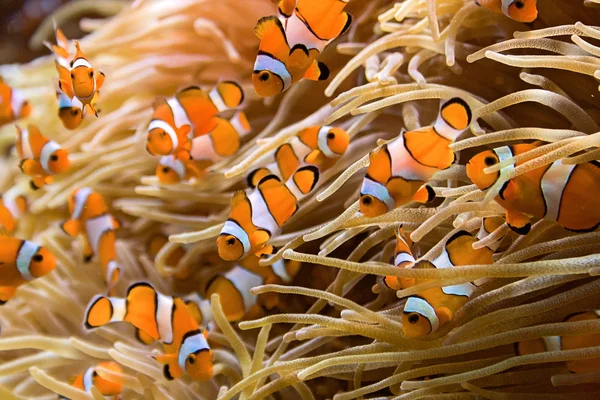
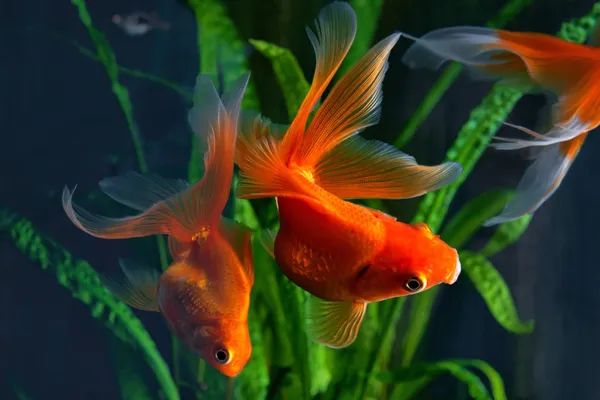
school of goldfish in reef

Encouraging your pets to begin laying eggs was the hard part. But raising clownfish fry is much easier. If you didn’t move your adult fish to a breeding tank, it is a good idea to transfer the clownfish hatchlings over at this point.

In a hatch tank for raising clownfish, the fry won’t have to compete in your reef tank with the other inhabitants for food. Most aquarists keep a hatch tank bare, so it is easy to clean the bottom when you perform frequent 20-50% water changes with freshly made saltwater.

All that is needed is an air stone for adequate oxygenation and a bit of current. But you can add a little decoration to your hatch tank as well if you want, such as a coral branch or chunk of live rock.

Once they grow large enough in their separate aquarium, you can then move these captive-bred clownfish to the main display tank. Or feel free to take them to local fish stores and aquarium meetup groups. After all, captive-bred clownfish fry are always in high demand, especially if they are one of the more exotic species!

Wrapping Up

Clownfish breeding is a little involved. But when it comes to breeding reef fish, clownfish are one of the easier species to spawn and raise successfully. The adults tend to be excellent parents, and the fry vigorous eaters.

Clownfish breeding doesn’t involve a free-floating pelagic stage, either. Just keep the fry well-fed and watch them grow up into beautiful new specimens!

Related Reading:

How Many Eggs Do Clownfish Lay Featured Image

source https://aquariumlabs.com/how-many-eggs-do-clownfish-lay/
Can Goldfish Eat Mealworms?

Can Goldfish Eat Mealworms - Blog Image

Mealworms can seem like a very unusual item to feed aquarium fish. They are fairly large and very squirmy! Reptile and amphibian owners offer them to their pets. But would a goldfish or some other aquarium fish ever find mealworms interesting? Can goldfish eat mealworms?

Can Goldfish Eat Mealworms?

Many fish eat mealworms. Since they are insect larvae, they are a natural addition to a balanced and varied diet. If you have goldfish in an outdoor pond, you might see them eating bugs regularly. Koi fish eat ants that fall into a pond, for example. Even gamefish like crappie eat mealworms, wax worms, and other insects with gusto.

Goldfish eat many invertebrates, including worms, insect larvae, snails, and baby clams. They manage this by using their pharyngeal teeth. These are a set of jaws and teeth located in the throat. Koi fish, goldfish, and other carp have to first partially swallow a crunchy item. Once it hits the throat, these pharyngeal teeth then chew it up into small bits that can be swallowed.

If you do want to offer mealworms as goldfish food, but you have smaller fish, I recommend chopping them up into smaller pieces first. That way, you can introduce live foods without the fish struggling to swallow a whole mealworm.

What Are Mealworm Beetles?

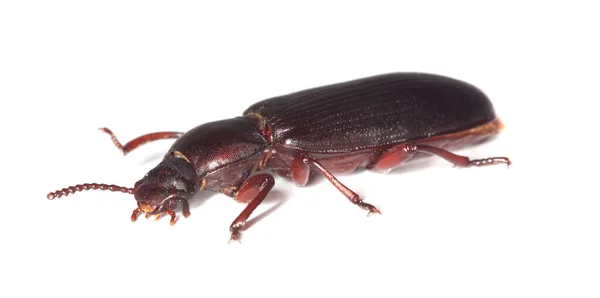
Mealworms are the larvae of the Mealworm Beetle (Tenebrio Molitor). These insects are raised in huge numbers in captivity because they are a suitable live food to feed goldfish and other larger fish.

In fact, many animals eat mealworms readily. Reptiles, amphibians, birds, and small mammals can all eat worms. Their attractive golden-yellow exterior is easily recognizable and makes them easy to find should you drop one on the floor.

a mealworm bettle in white backdrop

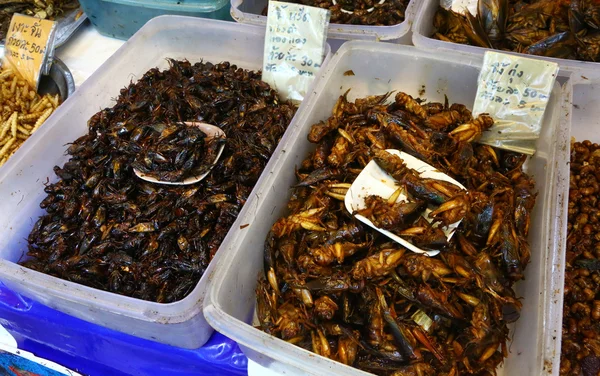
Mealworms are even used in certain insect-based human food. In Western countries, it is mostly for shock and educational value. But in East Asia, they have been raised as an inexpensive and easy to raise source of protein for centuries.

Their nutritional value is also excellent despite needing little in the way of land, water, or expensive feed. According to Wikipedia: “For every 100 grams of raw mealworm larvae, 206 calories and anywhere from 14 to 25 grams of protein are contained.[11] Mealworm larvae contain levels of potassium, copper, sodium, selenium, iron, and zinc that rival that of beef. Mealworms contain essential linoleic acids as well. They also have greater vitamin content by weight compared to beef, B12 not included.”

In short, mealworms are a great alternative to beef and other input-intensive livestock!

Mealworms are also good ice fishing bait for most fish. Fishermen who target yellow perch, walleye, bass, warm-season crappie, and other gamefish also often use mealworms on a bait hook. They are a great alternative hook bait to live minnows and other small fish that are hard to keep alive for long.

Fried insects on sale in the market

Can Goldfish Eat Dried Mealworms?

Many fish will eat mealworms dried, and goldfish are no exception. Goldfish owners will find dried mealworms to be much more convenient since they can be stored at room temperature and don’t need feeding or watering.

Are Dried Mealworms Healthy For Goldfish?

Dried mealworms are not quite as healthy as live mealworms because some water is lost during the dehydration process. This changes the chemical composition of the food, slightly reducing the nutritional value of the mealworms.

But not by very much. Even dried mealworms are still very healthy compared to many low-quality generic fish food brands. And they are much more convenient to keep on hand than live mealworms.

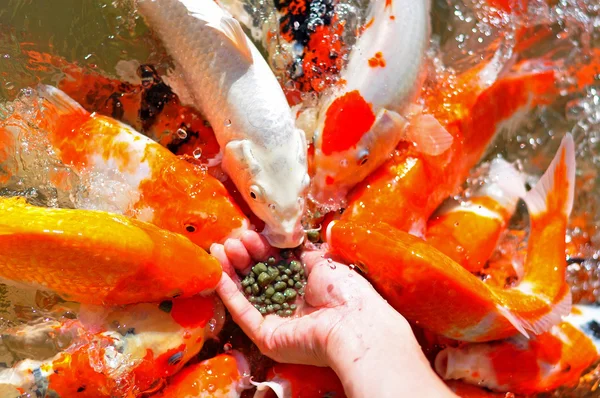
feeding many koi or goldfish in a pond

How Can I Keep Mealworms As Goldfish Food?

Mealworms make great pet food, but they are a lot less convenient than prepared fish foods. Since mealworms are alive, you need to put a little effort into keeping them alive.

Fortunately, raising mealworms is very easy to do. They will eat almost anything vegetable-based that you throw into their container.

Vegetable and fruit scraps are the most popular items to feed them. Lettuce, apple cores, cucumber, fruit peels…Anything you have on hand will be reduced to nothing if you have a large number of mealworms.

Here is a video demonstrating just how hungry a mass of live mealworms is and how readily they eat what is being offered!

Fresh fruits and vegetables also provide all of the water your mealworm colony needs. Placing bowls of water inside the chamber is never a good idea because mealworms can’t swim and will easily drown. Their bodies then foul the water for the others (plus it smells terrible).

Do Mealworms Bite?

Something to beware of is that mealworms do have the ability to bite, but it is very weak. A mealworm has mandibles for chopping up vegetables and fruit. But their bite is too weak to break human skin.

So long as your fish with carnivorous appetites can adequately chew up a mealworm, the bite won’t harm them either. Only a very small fish struggling with a mealworm might be put off by a bite from one. Only feed fish mealworms that you know can handle them (or chop them up if you aren’t quite sure).

Will Other Aquarium Fish Eat Mealworms?

Not all fish enjoy trying to eat mealworms. Not only can they bite, but some fish can’t chew through the tough outer cuticle. A mealworm might be too big for certain fish.

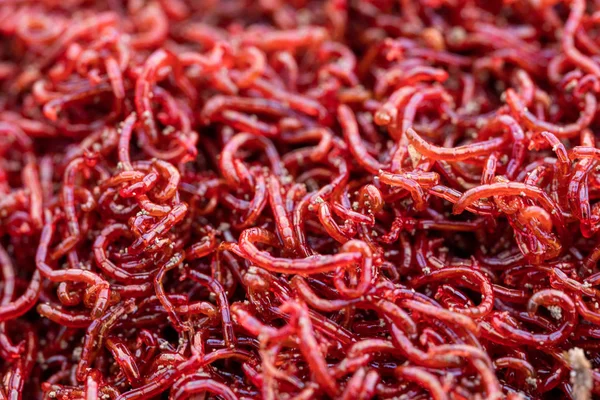
Instead, you can try feeding live bloodworms, tubifex worms, brine shrimp, and other invertebrates that are softer and smaller.

A young fancy goldfish might have to do a bit more growing before you can feed mealworms to it. So in the meantime, these alternative fresh and frozen foods are a good way to get the same protein, fat, and other essential nutrients that promote healthy growth.

close up of many small bloodworms

You could feed a betta baby mealworms. But full-sized mealworms are simply too large for smaller fish. I would keep dried mealworms on hand as a nice, protein-rich snack for a betta fish.

When the time feels right, you can break dried mealworms up into smaller pieces that a betta can then eat like any other fish food.

Mealworms are rich in not just protein but also vitamins and fat. Both of which are part of a healthy diet and can be too low in generic fish food brands.

Other fish that you can feed mealworms to include cichlids, catfish, arowanas, larger barbs, eels, and loaches. Pretty much any large aquarium fish eat earthworms and mealworms with gusto!

Wrapping Things Up

At first glance, you might be worried about offering mealworms to your goldfish. We know that goldfish will eat just about anything that hits the water. Goldfish eat rice, bread, and other things that aren’t necessarily good for them.

And the way mealworms bite at anything in their environment might cause you to worry about your fish’s safety. Fortunately, you now know that a mealworm bite is nothing to fear, even for your live fish.

Any goldfish that is not too small will find live or dried mealworms to be a great addition to their diet. Their nutritional value is high, and they provide a host of vitamins as well as extra fat and protein that enriches a goldfish’s diet.

If you offer enough of them and mix it with soft plants, algae, quality goldfish pellets, and a little frozen food, you might even condition your fish enough to see them spawn. So give this live food a try sometime, and let me know how it goes for your aquarium fish!

More Interesting Reading About Goldfish:

Can Goldfish Eat Mealworms - Featured Image

source https://aquariumlabs.com/can-goldfish-eat-mealworms/
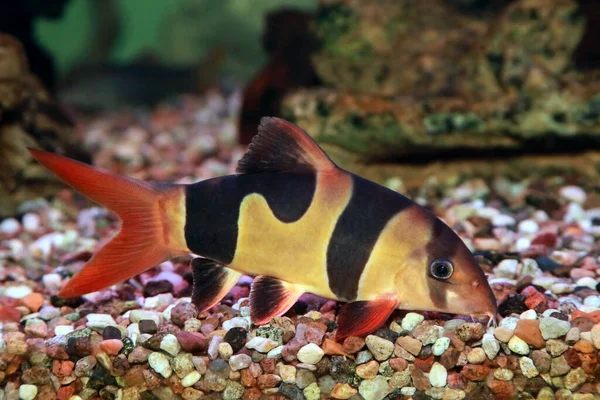
How To Tell If A Guppy Is Male Or Female?

Guppies are popular aquarium fish for many reasons. They are very hardy and easy to care for, eat just about anything, are beautifully colored, and are super easy to breed! In fact, guppies are the first aquarium fish for millions of people around the world.

Of course, in order to breed guppies, you need to be able to tell the difference between the sexes. Is it difficult to do, as it is in many other animals? How to tell if a guppy is male or female?

How to Tell the Difference between Male and Female Guppies

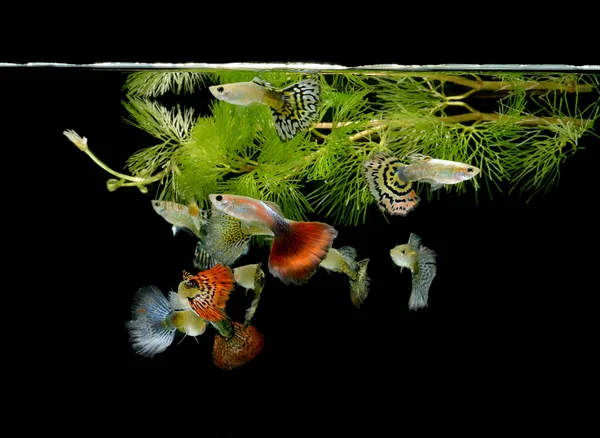
Male guppy fish are the ones that draw the most attention from fish keepers when browsing the pet store. Guppy fish are strongly sexually dimorphic, which means that you can tell the difference between male and female guppies just by looking at them.

Guppy Fish in a tank

Not all fish are sexually dimorphic. For some, such as freshwater Angelfish, it is almost impossible to identify male and female fish just by looking at them. Likely the fish can tell by subtle differences in behavior, hormones released, and even colors beyond our ability to see. Even a professional breeder will have trouble sexing these kinds of fish.

But the gender difference in male and female guppies apart is about as easy as it gets for freshwater aquarium fish!

Characteristics of Male Guppies

Characteristics Male Guppy
Dorsal/Tail Fin Shape Fancy, long fins (depending on breed)
Anal Fin Shape Pointed anal fin; gonopodium
Behavior Chasing away males and moving towards females
Length 1 to 1-1.5 inches
Colors Bright and vibrant

Here are the characteristics of male guppies:

  • Vibrant color formation in body and fins
  • Long, flowing dorsal fin and tail fin (depending on breed)
  • Guppy’s body shape is elongated and thin
  • Pointed anal fin

One quick way to identify male and female guppies is to look at the colors. Male guppies are always more brightly colored than females. This bright coloring is an advertisement for their sexual fitness as partners.

Female guppies will sometimes have brightly colored tails. But they never have intense bodily coloration as male guppies do.

The body shape male guppies have is noticeably slimmer than that of a female’s body. Males are both smaller and thinner than female guppies of the same age.

What is the Gonopodium in Male Guppies?

Another very reliable method for identifying a male guppy is to look at the anal fins of the fish. Male guppies have a pointed, tube-like anal fin when they reach sexual maturity. This is a special organ called the gonopodium. All guppy fry and immature guppy fish have a triangular anal fin. But once they are mature, the anal fin of the males’ rolls on itself.

multi-colored guppy fish in a tank

The gonopodium of male guppies is analogous to the penis in male mammals. Since guppy fish are livebearers, the male has to impregnate female guppies internally. So the gonopodium delivers sperm directly into the female guppy fish.

When he is trying to fertilize a female, you will see male guppies rotating the gonopodium forwards to reach her belly. So if you see a pointed anal fin in a small guppy with bright coloring, then you know you are looking at a male!

Characteristics of Female Guppies

Characteristics Female Guppy
Dorsal/Tail Fin Shape Usually rounded (depending on breed)
Anal Fin Shape Triangular fan-shaped fin
Behavior Peaceful
Length 2 inches or more
Colors Subdued (except for tail fin)

And here are the characteristics of female guppies:

  • Brightly colored tails but few bright colors on body
  • Usually larger and chunkier
  • Dark spot located above anal fin along the belly
  • Rarely have flowing tail fin or dorsal fins

Female guppies are very distinctive from just about any male guppies you see. For starters, a female guppy is always going to be less brightly colored than male guppies. A female guppy is not competing for attention for males. Pretty much every male will be interested in her, so she has little need for attention-grabbing colors.

As with males, another reliable indicator for sex is to study the guppy’s anal fin. Female guppies have an anal fin shaped like a triangular fan. It’s a normal-looking fish fin and has no purpose except to help a female guppy fish swim and stabilize itself in the water.

A female guppy’s body is also a little hefty at all times. Even if she is not pregnant with guppy fry, female guppies are always a bit chunkier because she has extra room in her body cavity for holding ovaries and fry.

Just so you have some visual guidance on this subject, here is a comprehensive video on sexing male and female guppy fish!

What is the Gravid Spot in Female Guppies?

A final easy way to tell the difference between male and female guppy fish is to look for a dark gravid spot. The gravid spot is a dark patch of color that forms on the belly of a female guppy when she is pregnant with guppy babies.

Not all females grow a gravid spot, though. It depends on the individual fish, how heavily pregnant she is, and the pigment of her skin. Pregnant female guppies with dark skin colors might not display a gravid spot. And a female with only a few guppy babies might have a faint gravid spot or none at all.

But if you see a gravid spot, then you are definitely looking at a female guppy. The gravid spot is actually the wall of the ovary pressing against the translucent internal skin of the female’s body. The darkness comes from the eyes of the female guppy fry developing and waiting to be born into the world!

Behavioral Differences Between Male and Female Guppies

Now that we’ve discussed the physical differences between male and female guppy fish let’s look at some differences in behavior as well!

Male Guppy Behavior

Males and females are very different in how they relate to one another. Even a brief glance at an aquarium full of guppies will allow you to see the difference!

Male guppies spend most of their time chasing females and chasing other males around. They want to mate with females and prevent other males from mating with them. Male guppies don’t form territories or harems like more social fish do. Male cichlids are much more proactive in controlling access to females.

Usually, male guppies will only rarely fight. And when they do, it is mostly for display since they don’t have teeth and can’t really hurt each other.

dwarf rainbow fish guppy in a tank

It is a good idea when keeping guppies to have more females than males; I recommend two female guppies per male guppy. This way, no one female is being harassed constantly by males ready to mate. Remember, males and females are always around each other in a fish tank.

Since females have nowhere to hide in an aquarium, they can become stressed if they are surrounded by aggressive, overeager males constantly looking to breed with them.

Female Guppy Behavior

A female guppy tends to be more relaxed in how it relates to other guppies. Female guppies don’t spend much time chasing each other or males. They may turn on and snap at a bothersome male, but usually, they just swim away if they are feeling annoyed. Both snapping at and running from a male guppy rarely deters him for long, though!

Several Guppy Multi Colored Fish in Aquarium

How Can I Determine the Sex of Guppy Fry?

When raising guppy fry, you might be tempted to try and separate out the male guppy babies from the female guppy fry. Unfortunately, telling male or female guppy fry apart isn’t possible. They are still sexually immature and haven’t developed the characteristics of adult male or female guppies.

It takes roughly two months (8 weeks) for you to be able to sex male and female guppy fry. The anal fin of the little fish that are males will roll up into a gonopodium. And depending on the breed, you may see longer dorsal fins and long caudal fins (tail fin).

The females will take on a thicker body shape, but their shorter dorsal fins and shorter caudal fins are unmistakable.

Once this happens, you should start looking for homes for the live fry as they will shortly begin breeding with each other. A young female can begin giving birth shortly after reaching maturity. Even if she or her partner is not fully grown.

Can a Female Guppy Have Fry Without a Male?

Even if you can determine the sex of a guppy and separate them from one another…Sometimes female guppies mysteriously give birth. Even if they have been kept alone for many weeks, a female might suddenly become pregnant. Do these fish reproduce asexually somehow?

Guppies need to reproduce sexually so the female does not impregnate herself. But female guppies do have a remarkable ability to store sperm. Just because a female mate does not mean that baby guppies are right around the corner.

The guppy’s body can store sperm for weeks, allowing her to find better living conditions, wait for better mates, and otherwise put off pregnancy. If your female guppy fish was living alongside males at the pet store, then this is likely what happened and why she is only now pregnant!

What to Do If a Female Guppy Is Pregnant?

Once you have a pregnant female guppy, you have to decide if you want to spend extra time raising the guppy fry. If so, then it is a good idea to separate her into a breeding trap. These devices are plastic cages that sit inside of the fish tank (often hanging on the side of the glass).

Breeder traps allow water to flow from your filter and heater and are a lot less expensive than buying a separate aquarium. You can wait for a female guppy to give birth and then return her to the main aquarium.

Once she does so, the baby guppies will remain in the breeder trap, where you can feed them baby brine shrimp, crushed flakes, and other appropriately sized food. Eventually, they will grow large enough that you can then keep them alongside their parents in the main aquarium!

Wrapping Up

aquarium with plants and guppies

Sexing guppies is very easy to do with just a few minutes of your attention. The colors, anal fin, tail fin, guppy’s body, and behavior all offer clues to whether you have a male or female guppy in front of you. Sexing baby guppies is impossible. But adult fish are very easy to both keep and breed!

Interesting Related Reading:

How To Tell If A Guppy Is Male Or Female - Featured Image

source https://aquariumlabs.com/how-to-tell-if-a-guppy-is-male-or-female/

What Fish Eat Poop in An Aquarium? [Poop Eating Fish 101]

Poop Eating Fish - Blog Image

Fish poop is a hot topic when people are thinking about setting up a brand new fish tank. Because what goes in must come out, and that includes fish food. Fish waste is released into the water and quickly floats down to the bottom.

But what happens then? Does it need to be removed somehow? Or are there poop eating fish or other animals that eat fish poop we can rely on to help keep up fish tank healthy?

What Kind of Fish Eats Poop?

First off, we have some bad news. There aren’t any aquarium fish that eat poop. All the poop your pets create is not going anywhere. It would be so convenient if that were not the case. This is why a few common bottom-dwelling fish are sold to beginning fish keepers as poop-eating fish.

Are Plecostomus or Corydoras Poop Eating Fish?

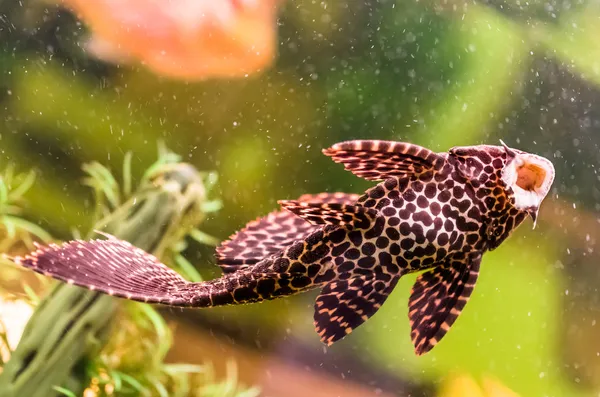
The two aquarium clean-up crew members you most commonly see added as tank mates are plecostomus and corydoras. Plecostomus are often sold as suckerfish, suckermouth fish, or simply “algae eaters.” While Corydoras come in dozens of different species with different names.

Plecos are useful clean-up crew members because they do eat the algae growth that constantly exists in a healthy fish tank. They also chew on all the organic leftovers that accumulate, such as dead plant debris, biofilms, leftover food, and mulm. But eating poop is not something a pleco will do.

Sucker Fish in Aquarium

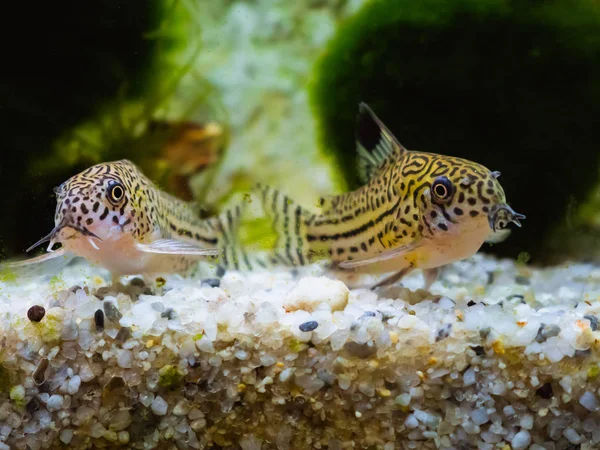
Cory fish eat leftover or uneaten food that falls to the bottom. But these bottom feeders are carnivorous and prefer flakes, shrimp pellets, and other protein-rich goodies, not algae or other debris. And they certainly won’t eat other fish’s waste like fish poop.

In fact, you should not force either these freshwater fish to eat only leftover fish food or algae. Plecostomus grow up to 2 feet long and need plenty of vegetable matter, algae wafers, and other food additions per day to remain healthy. Making them only eat leftover food is a good way to starve them long before they reach their full adult size.

Are there Any Other Fish that Clean the Tank?

Many other fish will hunt for organic waste like leftover food and algae. Goldfish, barbs, redtail sharks, and catfish will all feed along the bottom. But none of these fish will do the job of removing fish poop for you.

Two small Cory catfish in Aquarium

These fish are omnivorous, which is one reason why people often think they will eat poop. As omnivores, these fish enjoy both plant and animal matter. But they usually eat snails, algae, soft-leaved plants, worms, fish eggs, and so on. A little bit of everything, but they certainly don’t eat fish poop.

There are fish that will clean up other kinds of organic debris, however. Dwarf Otocinclus are fascinating fish for smaller tanks that need a little algae control. These fish absolutely love eating the green algae that grows on live plants. And since they are so small, Dwarf Otocinclus are much more delicate when they remove algae. They won’t damage plant leaves while grazing like larger Plecos sometimes do.

Will Snails and Shrimp Eat Fish Waste?

Snails and shrimp are very good additions to an aquarium cleanup crew. They help improve tank health by finding and consuming any leftover food before it can rot and produce harmful chemicals. Many also love grazing on green algae that grow on every surface.

Sometimes you might see a shrimp pick up and start eating poop. But fish poop has no nutritional value; the shrimp is just exploring the organic matter that builds up along the bottom of a tank, looking for any potential nutrients. But more than likely, the shrimp will eventually drop the piece since they don’t usually eat fish poop.

If you want to try keeping snails and shrimp to help keep your tank clean of organic waste, then I highly recommend it. Just make sure that your water quality is always top-notch. Invertebrates are a little more sensitive than freshwater fish to toxic ammonia and other waste products. Even moderate levels of nitrate and other chemicals can be fatal to freshwater shrimp.

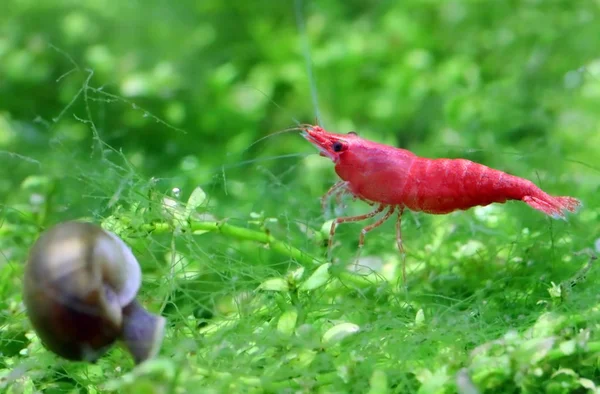
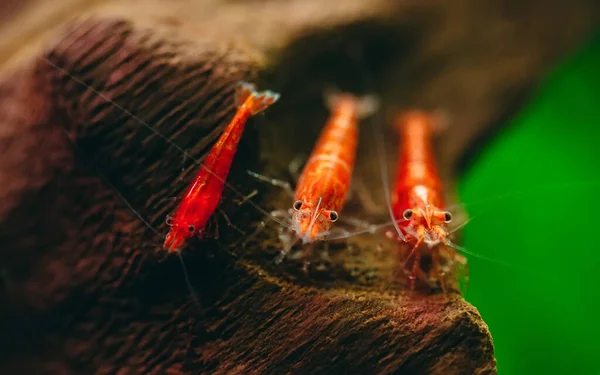
Cherry shrimp on aquarium grass

Also, you should only keep shrimp and snails with small to medium-sized fish. Many fish find invertebrates to be delicious, especially shrimp.

Some good shrimp species to consider that love eating algae include Glass or Ghost shrimp and Amano Shrimp. Red Cherry Shrimp and Crystal Bee Shrimp are as beautiful as any marine reef shrimp. But they prefer feeding on bacterial biofilm and leftover food rather than algae.

Most snails are more than willing to eat leftover food and algae as well. But be careful when adding species like the Ramshorn Snail. Many will reproduce very quickly and can have hundreds of babies in a very short time.

The Nerite Snail is a favorite algae-eating snail of ours because the adults live in freshwater, but they require brackish or saltwater in order to breed. So any eggs they lay will never multiply into an invasion of pest snails. They also happen to be very beautiful and interesting in their own right!

How Do I Get Rid of Fish Poop in My Tank?

Since your aquarium residents won’t remove fish poop for you, it is all up to you! Fortunately, purging waste products is not too difficult to do. But it does mean setting up a regular vacuuming schedule for your tank.

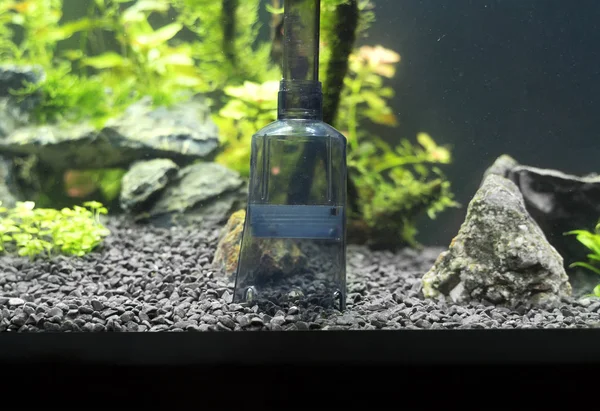
An aquarium siphon hose is the tool of choice for most fish keepers. They look similar to a vacuum cleaner and actually operate similarly in some respects. During a tank clean, an aquarium siphon hose uses water flow for cleaning poop and removing water with dissolved waste products.

Usually, when removing fish poop, you send this old water into a bucket for disposal. But if you have a tool that connects directly to a faucet, you can send dirty water right into the drain. These tools can then be reversed, sending clean tap water back into your fish tank.

Just make sure that you take a moment to match the aquarium’s water parameters as closely as possible. The water temperature is the main parameter to watch out for since water that’s very hot or very cold can shock your aquarium fish. And, of course, you should be using a tap water dechlorinator to detoxify the chlorine and chloramine that municipal facilities add to drinking water.

gravel cleaner tool in the aquarium

Why is Fish Poop Bad for Aquarium Fish?

Fish waste of all kinds (including fish poop) is inevitably going to build up in an aquarium over time. As fish eat, they process the food they take in and release fish poop into the water.

The more waste product that builds up, the worse the water quality will become. Fish poop isn’t much of an ammonia source – at least not at first. Fish actually release nearly all of their ammonia through their gills or as urine into the water.

However, as fish poop starts to decay, it can be broken down into ammonia. Carnivorous fish poop is especially rich in protein and tends to result in ammonia levels rising faster than the poop of plant-eating fish.

As this ammonia gets released into the water, the beneficial bacteria that live in a fully cycled fish tank take action. These bacteria love ammonia and eat it, releasing nitrite in exchange. Nitrate is not as toxic as ammonia – but it is still not great for tank health.

Fortunately, a second set of beneficial bacteria eats nitrite, converting it into nitrate. Nitrate is not very toxic and can be tolerated by fish at pretty high levels until you remove it with a gravel vacuum during an aquarium water change.

In case this feels like a little too much chemistry for you, don’t despair! Here is an easy-to-follow video breaking down what the aquarium nitrogen cycle is and why it matters for fish and tank health.

What Happens If I Don’t Reduce Fish Poop Amounts?

No one goes around with a turkey buster or gravel vacuum in nature to clean fish poop up, right? So why do you need to remove it and other debris for good tank health?

Well, any aquarium is massively overcrowded compared to nature. The huge volume of water compared to the fish living in it makes any waste they release negligible. We also have the bacteria, plants, and other organisms that all work to maintain proper water quality for all organisms.

An aquarium filter helps remove fish poop and fish waste as well. Aquarium plants are also helpful if you have lighting bright enough for them. Aquarium plants grow by consuming nitrogenous waste like ammonia and nitrate.

Can Fish Poop Be Good For An Aquarium?

Believe it or not, fish poop is not all bad. No fish eat poop, but aquarium plants are a very different matter. Plants don’t “eat” in the usual sense. But they do rely on animals for nitrogen products like ammonia and nitrate. And fish poop does provide nitrogen as it decays through bacterial action.

Once the organic matter is depleted, fish poop becomes part of the mulm or detritus that exists in any ecosystem. This debris will continue to slow-release nutrients as bacteria and fungi work at it over long periods.

Broken-down fish poop also becomes an organic addition to the soil of the environment or the substrate of an aquarium fish tank. This organic matter helps hold onto water and other nutrients that plants need for good growth. So fish poop does serve a purpose. It isn’t great for aquarium fish, but plants do love it!

Water plants in aquarium

In some extreme cases, fish poop can serve other essential purposes. For example, parrotfish are oceanic wrasses that actually contribute to beach formation. They are specialized feeders of marine algae, but a few also eat living corals.

Coral, as you might know, is mostly made of a rock-hard aragonite skeleton. The actual animal forms a thin protein coating over the stony skeleton. Not too appetizing, one would think.

But parrotfish have hard, bony, plate-like teeth, and they take huge bites out of coral reefs. They crunch up coral, digest it, and release clouds of sand instead of the compacted fish poop you might expect. This sand drifts along and is a major component of tropical beaches. Many people enjoy a tropical vacation on a huge expanse of fish poop without even realizing it.

Here is an interesting video demonstrating how parrotfish turn sand into fish poop!

Do Fish Eat Human Feces?

We’ve established that there are no fish that eat fish poop. But are there fish that eat poop from other animals – or even humans? As it turns out, this does happen in some parts of the world.

Farm-raised fish, especially in Asia where the laws are laxer on what you can feed fish, are sometimes fed poultry, pig, and cow poop. Usually, this isn’t the only thing they are fed, but if food supplies are low, waste products might be offered. It is also a cost-saving measure since few other businesses are all that interested in buying farm waste.

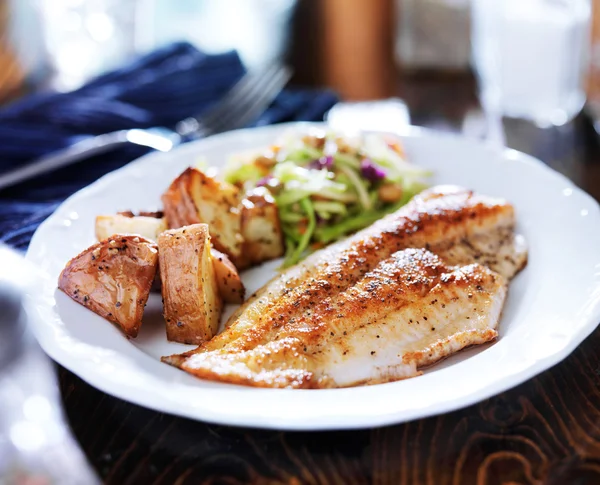
Pan fried tilapia as dish

Tilapia, catfish, carp, and other bottom-feeding fish will sometimes eat animal poop. Usually, it is a ground-up mash of feathers, poop, bones, and other refuse. They may even eat human feces, but the dangers of disease are even more dramatic. So there is no chance of you ever buying a fish to eat that has eaten human poop.

Wrapping Things Up

Fish waste is a subject not everyone wants to get too deeply into. But since all fish eat food, poop has to come out the other end. Unfortunately, no fish will eat poop or fish waste. But it’s not very difficult to take care of it yourself.

You won’t get all of the fish waste. But aquarium plants and other organisms don’t mind a little left behind as it makes good organic fertilizer for their roots!

Hopefully, you’ve learned a lot about how to manage fish waste in an aquarium.

Related Reading:

Poop Eating Fish - Featured Image

source https://aquariumlabs.com/what-fish-eat-poop-in-aquariums/

Longhorn Cowfish Lifespan – How Long Do Cowfish Live?

How Long Do Cowfish Live - Blog Image

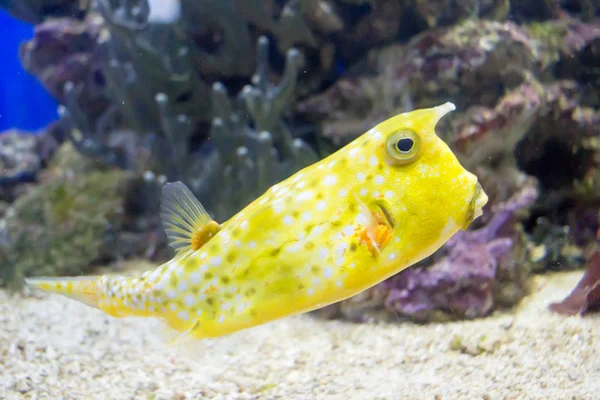
Longhorn Cowfish is a saltwater creature that may be found throughout the Indo-Pacific. They appear yellow, box-shaped, and have horns on each side of their face and rear.

If adequately cared for, cowfish can survive an extended period, especially if kept in a household tank. Cowfish in captivity have an approximate 16 inches height and a maximum height of 20 inches in their native environment. But how long do cowfish live – really?

Cowfish kept in confinement cannot live that long or reach the height of a wild cowfish. However, the average longhorn cowfish lifespan is quite good, even if kept in captivity. Cowfish can last anywhere between 2 to 8 years as pets.

Additionally, you should be aware that these creatures are unsuitable for amateur or moderate caretakers; nevertheless, you should know cowfish facts and caring tips if you are among skilled marine fish keepers.

A Quick Overview On Cowfish

The cowfish’s color palette varies from yellow to brown, having blue and white tiny dots. In addition, they might feature a deep brown to black sheen surrounding their mouth and eyes. Brown spots can also be detected throughout their body.

The horns that emerge from each side of the Longhorn cowfish’s skull and rear are the fish’s most distinguishing feature. Young or baby fish are more likely to have horns, and they get smaller as the fish mature. It is said so because horns are obtained naturally through birth to make bigger fishes extremely challenging to feed. As cowfish get older, being attacked declines, and horns get less important; hence, smaller horns are better.

Longhorn cowfish also have eyeballs that look milk-like and a multicolored epidermis. These fish have these kinds of eyes due to a major brown pigment known as corneal iridenses.

It’s a barrier of epithelium that prevents sunlight from coming directly above, allowing fish to munch on deep ocean live rock. It gives the eye-catching bluish pupillary quality, which is identical to milk-like pictures!

Cowfish, for example, lack pelvic fins, appear scaleless, and do not feature fins around their spinal region. They are also more vulnerable to infection and pathogens due to their lack of scales. As a result, one must exercise extreme caution when it comes to water quality. As a result of their rigidity and oddly distinctive body form, they appear to be floating whenever they are actually swimming.

Average Longhorn Cowfish Lifespan

close-up shot of a cowfish in tank

Longhorn cowfish dwell for an average of 8 years inside the dark blue sea. Wild cowfish have been known to survive up to 10 years within their natural environment, where they could maintain their optimal rate of energy and expand to a full length of 20 inches.

However, cowfish in confinement cannot thrive as much or expand as large as they will in their natural habitat.

In addition, numerous aspects, like tank conditions, diet, and stress patterns, could impact the cowfish’s overall lifetime, just as they might with any other fish.

How Can You Increase Your Cowfish’s Lifespan?

If you are wondering how to increase the lifespan of your cowfish, you should first learn the important characteristics that impact how long your pet cowfish will generally live.

Aquarium Conditions

Longhorn cowfish are seawater species; therefore, the circumstances in your tank must be similar to how they would experience in the sea. They require a steady temperature of 72 to 80 degrees F as well as a pH of 8.1 to 8.4., dKH 8-12, and sg 1.020-1.025.

They also need an aquarium with approximately 150 gallons, although typically 250 gallons, provided you have the proper area where it could be securely placed. Ensure that the water is still since they are not particularly safe in rough settings.

Tankmates For Cowfish

Furthermore, the cowfish is a calm and easygoing fish that prefer similar types of species with the same characteristics. As a result, the shorter and less dangerous the fish, the ideal their match would be.

They can discharge a destructible quantity of toxin when disturbed and provoked, resulting in a life-threatening and unfortunate tragedy. Cowfish are also not tolerant of its poison; thus, they might die as well. Inside the Indo-Pacific region, creatures including seahorses, various boxfish, and even pipefish are common, and these animals are not harmful to cowfish in any manner.

Nutrition

Generally, cowfish are not fussy eaters; therefore, you may feed them a variety of species such as algal fish, miniature shrimp, live snails, and sometimes even small fish in addition to their daily healthy meals that you normally feed 2 to 3 times per day.

Longhorn cowfish contain fangs that are continuously developing, just like other fish of its family. To keep their dentures from getting too big, they have to munch on tougher things such as living snails and prawns every once in a while.

Stress Levels

If you would like to increase the life expectancy of a longhorn cowfish, keep in mind to keep your fish’s stress levels relatively low. With the longhorn cowfish, excessive stress is not just bad for the health, but it could even be deadly.

Whenever longhorn cowfish is agitated, it will emit an ichthyocide toxic substance known as ostracitoxin. So, is the cowfish poisonous? Yes, not only will the toxin kill the cowfish, but it will also destroy the rest of the species in your aquarium. It makes caring for cowfish even more challenging because you have to monitor your fish as much as possible.

Conclusion

Longhorn cowfish is a magnificent, one-of-a-kind fish that can be challenging to manage for beginners. They may survive approximately 8 years in confinement if properly cared for.

If you are looking for ways to extend the life expectancy of your favorite fish, be prepared to preserve its tank in good shape, feed it plenty of nutritional food, and try to keep it in a calm and stress-free environment.

How Long Do Cowfish Live - Featured Image

source https://aquariumlabs.com/longhorn-cowfish-lifespan-how-long-do-cowfish-live/

19 Best Rainbow Fish Tank Mates

The Best Rainbow Fish Tank Mates - Blog Image

Rainbowfish are members of the family Melanotaeniidae and are not quite as common at your local fish store compared to other species. This is a shame because these fish species really do live up to their name! Rainbow fish are bright and fast-moving schooling fish that are not difficult to care for. They make a great addition to any spacious fish tank.

So let’s take a look at the 19 best Rainbow Fish tank mates you can choose for rainbow fish!

19 Of The Best Rainbow Fish Tankmates

These active fish species get along well with a wide number of tank mates. So long as they are similar in size and habit, rainbow fish are some of the least troublesome community tank residents you can buy!

1. Mollies

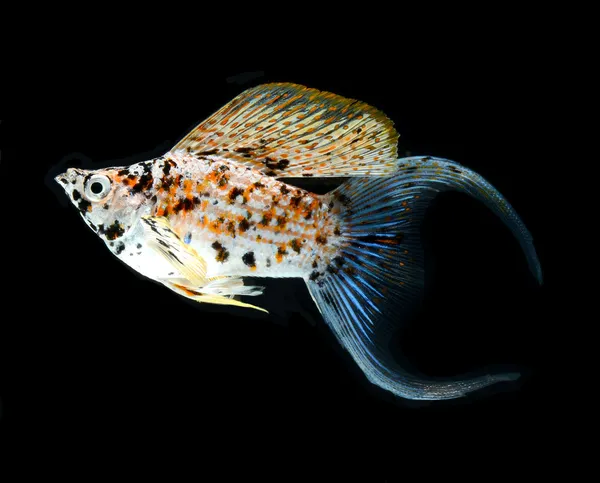
Number one on our list is the Molly fish. These hearty livebearers are from Mexico and Central America. Like Guppies, they are extremely easy to breed and are robust, peaceful aquarium fish.

Molly fish crescent in black background

Mollies enjoy hard, alkaline water quality – but fortunately, so do many rainbow fish. Most Mollies also need a touch of aquarium salt to survive since, in their natural habitat, they live in brackish and coastal waters.

2. Guppies

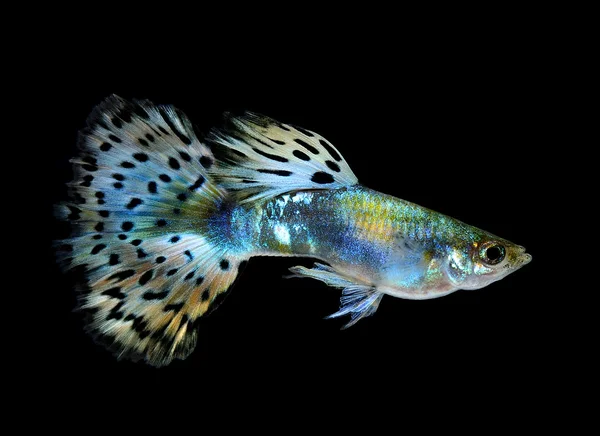
Guppies are also known as Million Fish because you are pretty much guaranteed to have babies if you own more than one. All pet stores carry Guppies because they are a favorite of aquarists of all skill levels. They come in a wide range of colors and fin shapes as well, including fantail, blue tuxedo, green snakeskin, and more.

a guppy isolated on black background

Guppies are not especially long-lived fish; 2 to 3 years is average for them. But their babies will carry on in your aquariums, as will their grand-babies!

3. Giant Danios

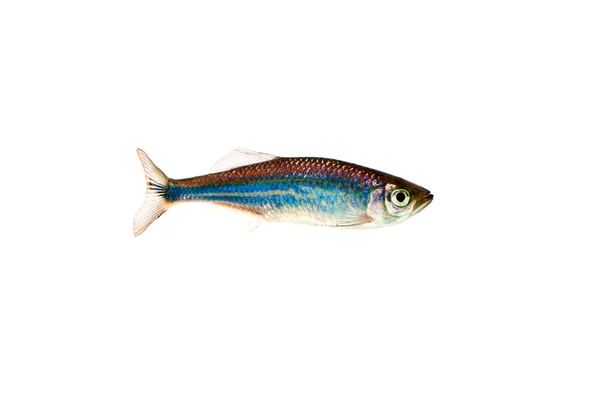
Most Danios are on the smaller side. Zebra Danios, Celestial Pearl Danios, and other species are also good rainbow fish tank mates but can be intimidated by larger varieties. If you are keeping Red Irian Jaya or Bosemani Rainbow Fish, then you should consider Giant Danios (Devario aequipinnatus) instead.

Fish Danio on white background

At 4 to 6 inches, they are similarly sized to an adult male rainbowfish. They also prefer similar water conditions and are also schooling fish and egg scatterers. Giant Danios can be a little nippy towards each other, smaller species of fish, and any long-finned fish species in the tank. So choose tankmates carefully.

4. Dwarf Cichlids

Dwarf cichlid is something of a bucket category that includes a huge number of fish from all over the world. Any cichlid under 4 inches long could be considered a dwarf cichlid.

Beautiful Cichlids in tank

Most – but not all – dwarf cichlids are more peaceful than their larger cousins. Their size limits their ability to dig or cause harm to live plants. However, they do become aggressive when they find good spawning sites and once they start defending their eggs and fry. Fortunately, rainbow fish are fast-moving midwater dwellers and will easily be able to avoid an ornery pair of dwarf cichlids!

5. Barbs

“Barb” is another large category of fish that includes an assortment of cyprinids found in Southeast Asia. Cyprinids also include Danios, Goldfish, Koi, and Carp. Barbs tend to be fast-moving, schooling, and omnivorous, feeding on both plant and animal matter.

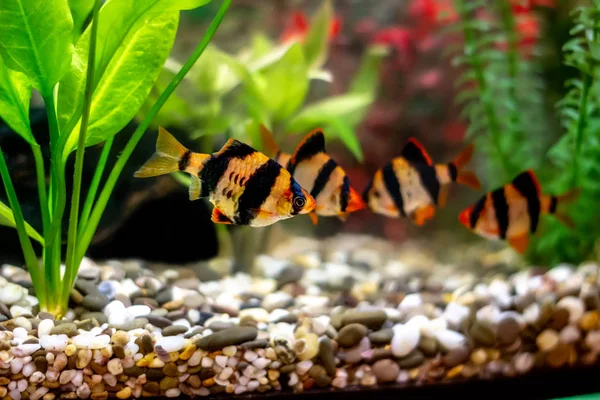
Tiger barbs or sumatra barbs in aquarium

They share the same natural environment as rainbow fish as well, making them excellent tank mate choices. Smaller barbs tend to be the most peaceful, and the Cherry Barb is one of the best. Medium size barbs like the Tiger Barb also work well though they will nip at frayed fins of slower-moving tank mates.

6. Peacock Cichlids

Many species of African Cichlid can be hard to match with other fish species. But Peacock Cichlids are a rare exception. Despite being medium-sized (4 to 6 inches), they are fairly non-aggressive cichlids, spending most of their time sifting the sand for invertebrates. When breeding, they can be temperamental, but even then, they are fairly tame.

Peacock Cichlids in a tank

Rainbow fish make excellent midwater swimmers that are just as colorful but too large to be eaten. Most species will also thrive in the alkaline water and warmer water temperature that peacock cichlids require!

7. Platies

Platies are yet another livebearer that gets along well with other fish, including rainbow fish. Platies are in between Guppies and Mollies in terms of size. However, they combine many of the best traits of the two fish.

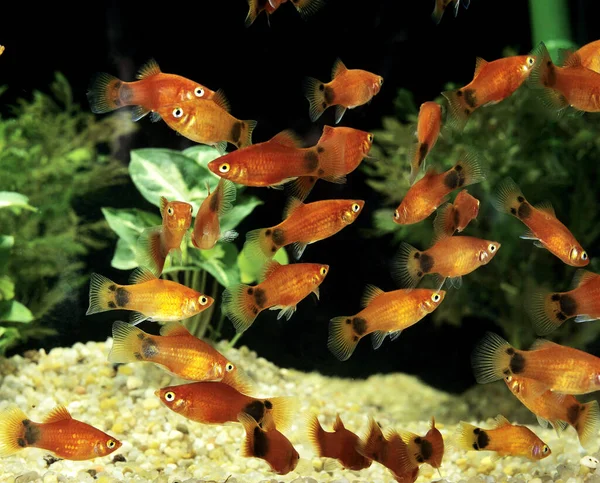
small Platies fish in an aquarium

Platies come in a huge assortment of colors and patterns. And being omnivorous, they will eat everything from algae and prepared fish flakes to blood worms and brine shrimp. Just be prepared for loads of baby fish to rehome because these livebearers breed like crazy!

8. Suckermouth Catfish

Suckermouth Catfish (or Plecostomus) are a group of South American catfish that specialize in eating algae and biofilms from hard surfaces. Their love for algae makes them a favorite of fish keepers. But be aware that most of these fish grow quite large and won’t find enough algae in a home aquarium to last them forever.

If your tank has little algae to offer, you should also offer spirulina flakes or sinking wafers once the lights go out. They will eagerly eat pieces of lightly boiled vegetables like squash or lettuce!

Suckermouth Catfish in aquarium with small rocks and plants

9. Roseline Sharks

Roseline Sharks (Sahyadria denisonii) or Denison’s Barb is another cyprinid that is even more similar to rainbow fish in care needs. Roseline Sharks are surface feeders and are found in fast-moving mountain streams, just like rainbow fish.

close up photo of Roseline Sharks in tank

However, in their native Kerala, India, they are slowly becoming endangered due to local pollution and demand from pet stores. Fortunately, you can help by captive breeding these fish. The demand for captive-bred Roseline Sharks is huge. And so long as you provide a large tank with plenty of water flow, they will live alongside rainbow fish very easily!

10. Angelfish

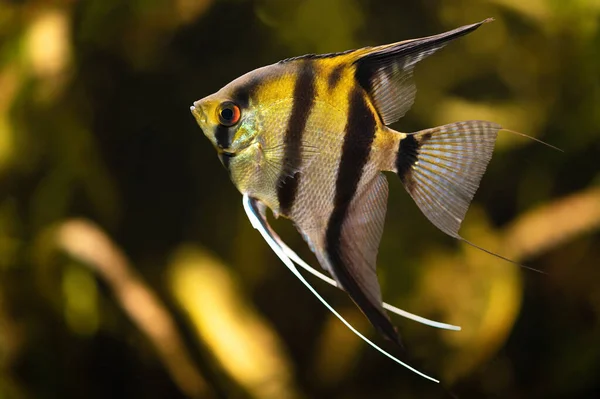
Angelfish are a medium-sized cichlid from South America that gets its name from its elegant appearance. Angelfish can live alone but prefer being kept in small groups of 4 to 6 individuals alongside peaceful tank mates like rainbow fish.

Angelfish with black and yellow stripes

Angelfish do prefer tall plants like Vallisneria and Amazon Swords to swim among. They will also deposit their eggs on these live plants. But unlike other cichlids, Angelfish are very mild-mannered and won’t harm the other fish species in your aquarium.

11. Gouramis

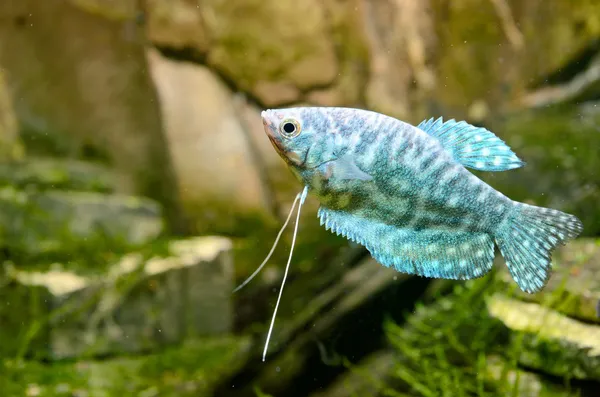
Gourami are a large category of fish that includes the small Dwarf Gourami and the massive Giant Gouramy. The majority are medium-sized fish ranging from 2 to 6 inches long that swim slowly and mostly keep to themselves.

beautiful light blue and green Gouramis

A few can be semi-aggressive, including Blue Gouramis and Kissing Gouramis. However, they don’t have teeth and are far too slow to be a dangerous tank mate to a school of rainbow fish. Gouramis are closely related to betta fish. They also build bubble nests and care for their young, just like bettas do!

12. Clown Loach

The Clown Loach is another native of Southeast Asia that your local pet store likely has in stock. They are one of the more brightly colored and active bottom-dwelling fish out there, moving fast and in small schools.

Clown Loaches are very cute when young. But be aware that they grow to be 8 to 12 inches long and need their own company. So aquariums 75 gallons or larger are required to keep them as adults. However, they are peaceful and eagerly eat anything from tropical flakes to soft plants. But they love snails and worms more than anything!

Clown Loach in a tank with small random stones and rocks

Other Rainbowfish Species

Rainbow fish care is broadly similar – all of these fish enjoy good water quality with a moderate pH and high oxygen levels. Temperatures should also be moderate (73-78°F), and I recommend occasionally feeding them live foods, which contain carotenoids and other color-enhancing pigments.

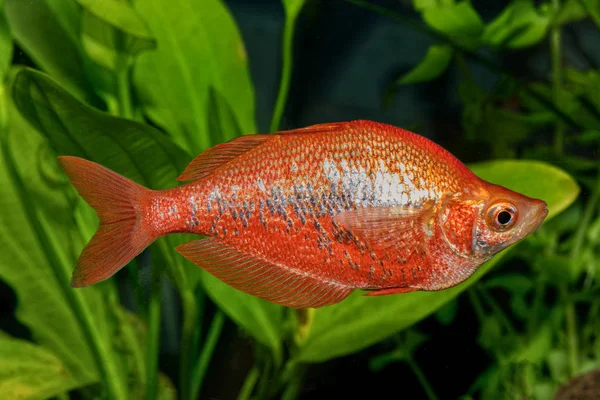
Portrait of freshwater rainbow fish

You can even mix and match rainbow fish species so long as you choose fairly similar fish in size. For example, a male Red Rainbow fish (up to 8 inches long) is many times larger than a Pygmy Rainbow fish (2 inches maximum). Rainbow fish are also great fish for planted fish tanks since they won’t eat plants and even use them for spawning!

13. Dwarf Shrimp

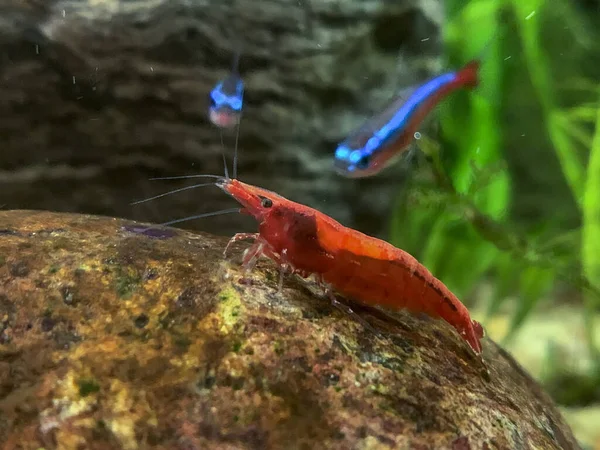
Dwarf shrimp includes Cherry Shrimp, Bee Shrimp, and other small freshwater species. Only smaller rainbow fish are a good match to shrimp since the larger species will gladly eat them.

close up photo of Dwarf Shrimp in a tank

Shrimp can be a little sensitive to dissolved waste products, especially ammonia. So your water quality needs to be excellent. However, they tend to breed easily once they’ve settled into a mature tank, especially Cherry Shrimp!

14. Tetras

Tetras are the South American analogue to Rainbow fish. From the ever-popular Neon Tetra (Paracheirodon innesi) to the unusual Blind Cave Tetra (Astyanax mexicanus), Tetras come in an infinite array of colors and sizes.

Several small Tetras on a tank with green grass at the back

They are fast-moving fish that need to be kept in schools of at least six individuals, if not more. Tetras are not difficult to care for, but they are a little sensitive to high levels of ammonia, nitrite, or nitrate. Most also appreciate soft, acidic water conditions. So make sure your tank is fully cycled, and the water parameters are healthy before adding a school!

15. Dwarf Otocinclus

If you are looking for an algae eater that remains small, Dwarf Otocinclus are hard to beat. Otos live in huge schools in the Amazon River, moving in swarms to feed on patches of algae on hard surfaces. So they enjoy their own kind and have an endless appetite for greenery. However, they are delicate cleaners and won’t damage even soft plants like Cabomba!

close up photo of dwarf Otocinclus in planted aquarium

16. Corydoras

Corydoras are small schooling catfish that live along the bottom of the tank. Unlike many catfish, corydoras are fast and active during the day. They will even eat near the surface with the other fish in the tank! Corydoras aren’t known for being brightly colored. But the way they chase each other and dash around the tank makes them excellent tank mates for rainbow fish!

Corydoras in a tank with plants

17. Betta Fish

Many people think that Betta fish have to be kept alone because they are too aggressive. In fact, they are only super aggressive towards each other. Bettas can be kept with other species of fish so long as they don’t have similar colors and fin shapes (Guppies are a poor match to Bettas).

beautiful picture of a solid orange betta fish

Bettas are also very hardy and slow-moving, offsetting the habits of the speedier rainbow fish. Offer frozen or live food as an occasional betta treat, and you will get much better color out of your fish!

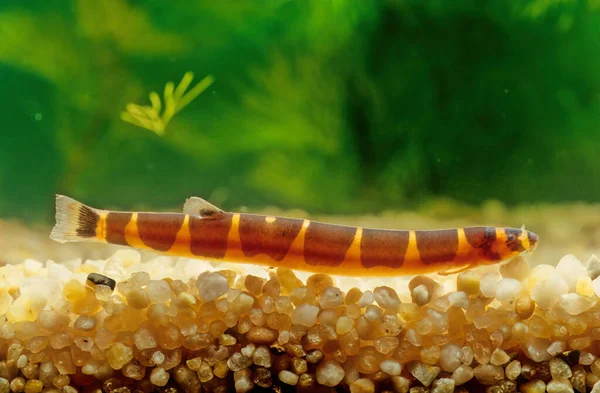
18. Kuhli Loach

Unlike other species of loach, the Kuhli Loach has a worm-like body. It spends much of its time digging for worms and other small invertebrates. They especially love being kept in planted fish tanks with a soft, sandy bottom for them to explore.

Kuhli Loach in a tank with plants in the background

Kuhli Loaches are very peaceful and occasionally breed when given ample frozen food and plenty of plants to hide among. And since they live along the bottom, they never come into conflict with rainbow fish!

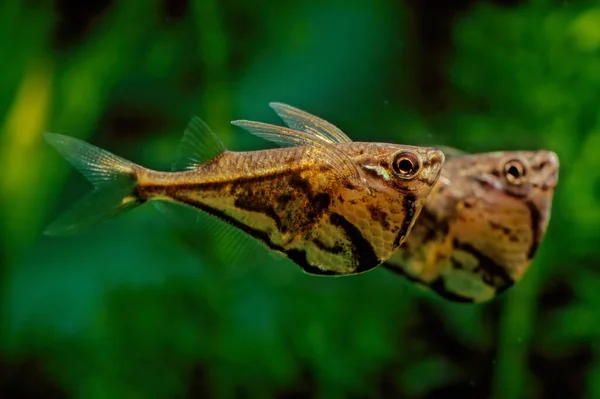
19. Hatchetfish

Last on our list is the Hatchetfish. These are characins and thus closely related to Tetras. Hatchetfish live along the surface and are constantly on the lookout for aquatic insects and their larvae.

Hatchetfish in a tank with a reflection

Hatchetfish are skittish and are extremely good jumpers. So I recommend keeping plenty of floating plants in their tank, so they are less likely to leap if startled.

Wrapping Things Up

Rainbow fish are well worth a look if you are unfamiliar with them. Most are eyecatching fish that look amazing in a school. They rarely catch most of the common disease types out there and will eat just about anything you offer. And, as this list shows, rainbow fish get along with a wide range of other aquarium fish species!

The Best Rainbow Fish Tank Mates - Featured Image

source https://aquariumlabs.com/best-rainbow-fish-tank-mates/

Can Angelfish Live With Goldfish? [Compatibility Guide]

Can Angelfish Live With Goldfish

No, angelfish cannot live with goldfish. Although angelfish and goldfish have similar characteristics, to the extent that they are both popular freshwater fish, there are marked differences in their characteristics and preferences that make them incompatible as tank mates in a community tank. 

This article discusses in detail the reasons angelfish cannot live with goldfish and other important concerns. It promises to help you make informed decisions when choosing a tank mate for either your goldfish or angelfish.

Reasons Angelfish Cannot Live With Goldfish

Competition for Food

It would be a bad decision to pair angelfish with goldfish in the same tank. Both fish species are omnivores. This means their diets are pretty much the same, and the consequence is that a species will be malnourished because of the competition for the same foods. 

Angelfish and goldfish will happily eat flakes and pellets. They enjoy meaty food choices. They will eat varied food choices featuring high sinking pellets, blood worms, or daphnia. They also love to feast on mosquito larvae and shrimp, whether live or frozen. 

As omnivores, they also enjoy chopped vegetables. They also eat marine algae products such as brown seaweed. Other plants they both enjoy include African water ferns, Anubias, Java moss, and other great freshwater plants. 

While goldfish tend to be a little less temperamental, angelfish are a highly aggressive species at maturity and feed aggressively. 

Competition for food in the tank will lead to fights between both fish breeds. The consequences may include health challenges from underfeeding or malnutrition, most likely for your goldfish. This means that in the long run, you would have sacrificed a species for the other because, as with the rules of nature, one species must go for the other to survive when resources are scarce. 

Otherwise, you will have to pay more attention to feeding needs, feed more, and take extra time to always remove the leftovers so that your fish are not put at risk of contaminated water from too much waste. 

Why go through all this stress when it would have been more efficient to keep only one species or find a less aggressive tankmate?

Mannerisms

Another reason it would not be ideal to house angelfish with goldfish in the same fish tank is that both these fish species are territorial to varying degrees. 

Angelfish usually become very territorial when they become adult fish. You will often see them get into fights with a new fish in the community tank, even if it is a member of their species. They will also become aggressive and territorial towards other fish if there is a sudden change in the water condition. 

While aggression is a usual trait for the angelfish, goldfish live peacefully. But they can be territorial in certain select cases. 

Sometimes, the territorial nature is often accompanied by aggressive behaviors.

When there are sudden environmental changes in the tank, such as when water parameters have significantly changed, goldfish can become territorial with a favorable spot in the tank if they find the spot as the most comfortable in the tank. 

Imagine the damage of having two territorial species in one tank!

Both these fish species are bound to fight for the favorable spots in the tank. So it is not advisable to keep both species in the same tank. The possibility of a confrontation between both is almost impossible.

The Difference in Water Conditions

The difference in aquarium’s water is another reason. As shocking as it may seem, although Angelfish and goldfish are freshwater fish species, they both have different water requirements to survive. 

Angelfish thrive better in slightly acidic but soft water with a hardness of about 3° to 8° DKH. The aquarium ph level for the water in your angelfish tank should be in the range of 6.8 to 7.8. The water temperature should be anywhere from 75°F to 86°F. 

They may also keep up with higher water temperatures if the tank is constantly kept clean and healthy and they are supplied with proper food at the right time. 

Another thing that can help them tolerate higher temperatures is a regular water change of about 10% every 6-7 days or a 25% change every other week while carrying on with the ideal temperature. 

Goldfish, on the contrary, prefer a lower water temperature. They thrive best in water temperatures in the range of 65°F-75°F. They are very hardy fish and can tolerate even colder temperatures. 

Interestingly, common goldfish can tolerate temperature falls as low as 40°F. Fancy goldfish may tolerate lower temperatures but prefer 65°F as the lowest. But their ph requirement is almost the same as that of Angelfish; 6.5 to 7.5. 

Goldfish is a hardy fish species and even the most sturdy tropical water fish species. They can tolerate a wider range of water conditions. 

But the water requirements for goldfish and angelfish in terms of temperature only meet somewhat in the middle. While Angelfish like warmer temperatures, goldfish thrive in cold temperatures.

This difference makes it challenging for angelfish to pair as tankmates with goldfish.

The Difference in Aquarium Size

The difference in tank requirements also makes it unwise to pair angelfish with goldfish. 

Goldfish need a larger tank for healthy development. They grow big in time, and the availability of space has an impact on their development and overall health. You need about 10 gallons for a goldfish. And you may need to provide more water for an adult goldfish as they can grow up to 12 inches and more with the proper care practice. 

Ideally, a tank of about 30-40 gallons of water should do for adult goldfish to reach its maximum length.

On the other hand, angelfish may not need tanks as big as 10 gallons per fish. They require allowable space of about four gallons per fish. That is a whopping 6-gallon difference in tank size requirement! 

However, they are agile swimmers and need a lot of space in the aquarium to swim all they like. They also need sufficient space for a sufficient number of hides to hide in the face of threats. This means tank size requirements for angelfish should be based on a holistic view taking into account their agile swimming habits. 

The implication is that even a big tank for both fish will be overcrowded. 

If you must provide ample space for both fish to cohabit, you will need to provide a tank as big as 30-40 gallons for a goldfish and factor in another 20-30 gallons for the angelfish.

While this may seem possible, it will be grossly inefficient as you would have to buy or fix a bigger filtration system to match the size of the tank and a better temperature measuring equipment to watch the temperature. 

You would need tall tanks with a good filtration system, and you’ll have to do aquarium maintenance more often. The challenges of a tank that big would be too much, given the fact that a better tank mate with more similarities will not require all that much expense.

If you keep both fish in the same tank of regular aquarium size, your fish will suffer health complications from the competition for food and the higher rate of pollution. Your angelfish will become stressed from the reduced ample space for swimming.

Can Angelfish Kill Goldfish?

Although aggression is a part of angelfish nature, especially when the fish is under stress, it is rare to find angelfish kill goldfish. But this does not mean they will not kill goldfish. 

The best they may do is to bite sharply at the goldfish but eating the goldfish is highly unlikely.

The instance where your angelfish is likely to eat your goldfish is when your goldfish is no bigger than the size of the angelfish’s natural prey; neon tetras.

If your goldfish is a smaller fish, it might become fish food for your angelfish. If you already have smaller goldfish in a tank with angelfish, it would be best to separate them now.

Even though the angelfish do not eat the goldfish, it is highly unlikely that it will not injure the goldfish when they compete for territory food.

Other Freshwater Fish (Tropical Fish) As Tank Mates for Angelfish

Angelfish are bullies in a community aquarium. It would be best to understand the nature of their potential tankmates before choosing.

Here are some great options and the reasons they make a great fit:

Dwarf Gourami

This fish species is a great choice to keep your angelfish company. Dwarf gourami is native to Southeast Asia in water bodies with the same parameters as angelfish prefers. 

However, it would be ideal to create enough hiding spaces so that they can conceal themselves whenever they feel threatened. 

Also, do not keep more than one male in the tank at a time. A group of females is okay, but if you have more than one, they will fight each other until they become stressed and die.

Platies

This is another great choice. But they multiply like crazy. If you choose them, it would be ideal to keep a few population control tips in mind to prevent overcrowding.

They have similar water requirements. They are also all omnivores and are all about the same size. That means you are not feeding different food options or paying extra attention to keep the water temperate at a favorable balance between two extremes as you would have done if you were cohabiting a cold-water fish with your tropical angelfish.

Other tropical freshwater fish that make a good tank mate for angelfish include zebra loaches, mollies, Boesemani rainbow fish, etc.

Other Freshwater Fish (Cold Water Fish) As Tank Mates for Goldfish

Goldfish are peaceful and easygoing fish. They do not get aggressive and are usually get along in a community tank. Choosing a good tankmate for your goldfish will greatly depend on its temperament, whether it is a cold-water fish, and how active it is in the tank (so that it does not constitute a nuisance to your goldfish).

Tankmates that pair well with goldfish in terms of low-temperature tolerance, activity level, and size include:

Shrimp (Cherry, Not Brine Shrimp)

This is a great cold fish companion for your goldfish. But they can become snacks for bigger cold fish real quick. The trick is to provide a lot of hides for them. 

They differ from brine shrimp in that they are bigger and red, while adult brine shrimp are gray and smaller.

Other great companions are Zebra danio, rubber lip pleco, white cloud mountain winnow, etc. Note that these tank mates are compatible on the basis of activity level, size, and tolerance for low temperatures.

You may have to learn other tricks to make the community living well-planned. This will include fixing hiding places for the shrimps and others in the community aquarium.

Other ideal tank mates that pair well with goldfish include Bristlenose plecos, Rubbernose plecos, Brochis multiradiatus, Haplo catfish, etc.

Bottom Line

Angelfish are naturally aggressive fish with impressive swimming agility and a remarkably aggressive nature. This is in sharp contrast with your goldfish, which are peaceful, slow, and beautiful fish. Putting them together is not a wise idea. Even though the angelfish do not eat the goldfish, it is highly unlikely that it will not injure the goldfish when they compete for territory food.

To be on the safer side, it would be ideal to go for a tank mate that is compatible in all respects; tropical freshwater fish for angelfish and coldwater fish for goldfish.

Another way out is keeping one species in a separate tank.

Can Angelfish Live With Goldfish Featured Image

source https://aquariumlabs.com/can-angelfish-live-with-goldfish/

What Do Glofish Eat? [A Guide On Feeding Glofish]

What Do Glo Fish Eat

Glofish shine so brightly in the dark that many people and even hobbyists naturally assume that this brightly colored fish species must have a special diet. But what do glofish eat?

Glofish are as much a tropical fish as any other tropical fish in a freshwater aquarium. They will eat just about the same commercial fish food you feed any other tropical fish in your freshwater aquarium.

Glofish do not have any special food engineered for them only. The fluorescent genes with which they were genetically modified are the only difference that sets them apart from other tropical fish.

Other than that, nothing else. But thaw any freeze-dried feed you wish to feed your Glofish before serving them.

Glofish Profile

The term “glofish” does not refer to a specific type of fish. Instead, it refers to a group of genetically modified freshwater fish species. The genetic makeup of these fish has been modified with fluorescent protein genes.

These fluorescent genes occur in other marine life, including sea anemones, corals, etc. 

They are brilliantly colored freshwater species with fluorescent colors that are passed to younger generations through breeding.

The original purpose of the genetic modification was to study genetics and to detect some specific water pollutants. But their vibrant, colorful appearance made them a sought-after species in the hobby.

A popular reason glofish are well sought-after is that their unusual fluorescent genes make them glow brilliantly under blue lights. Interestingly, the glowing does not negatively impact the quality of the glofish’s life.

Typically, the glofish absorbs the light of a certain wavelength and then re-produces the light. This reproduction makes it seem like they are glowing, whereas they are only re-emitting the specific wavelength of the blue light. 

The glofish species are available, and many varieties and impressively, many other varieties with their unique colors are being developed regularly.

Some of the varieties of this freshwater species include the Zebra danios (Danio rerio), Rainbow shark (Epalzeorhynchos frenatum), Betta fish (Betta fish) Tiger barbs (Puntius tetrazona), Black skirt tetras (Gymnocorymbus ternetzi), etc. 

What Kind of Food Do Glofish Eat?

Their special nature as brilliant colored species does not make them any different from their other non fluorescent counterparts, as may be suggested by the special illuminating characteristics. Glofish do not have a special type of food, and they do not need any.

However, they will do well with flake foods specifically designed with ingredients that improve their illumination. They also eat other food choices that tropical freshwater fish thrive on.

You can also feed glofish live bloodworms, brine shrimps, sinking pellets, algae wafers, vegetables, and other frozen meaty foods.

Can Glofish Eat Tropical Fish Food?

Yes, glofish can and will eat tropical fish food. Glofish are no different from other tropical freshwater species in terms of diet. The only difference is the genetic enhancement of illuminating colors.

Other than the brilliant colors that earned them the name glofish, they are tropical freshwater fish like their non fluorescent counterparts.

This means they will do fine with fish food that other tropical freshwater fish eat. These may include flake food, live and frozen bloodworm, other live foods, meaty foods, and a fair share of veggies.

How Often Should You Feed Your Glofish?

Again, glofish require no special foods, and they are just like other freshwater species. This means they do not require any special feeding schedule. The feeding schedule of any other tropical freshwater fish species will work just fine.

However, here is a feeding frequency guide for easy reference to help you avoid expensive mistakes:

Food Frequency Quantity
Flake Food 3x/day As much as can be consumed in 1 minute & 30 seconds.
Pellets 2x/week 1-2 mini pellets per glofish.
Bloodworm (Live and freeze-dried) 2x/week One-quarter teaspoon of live bloodworm per glofish and a small pinch of freeze-dried bloodworms per glofish
Brine Shrimp 1x/week 1-2 brine shrimp per fish.
Algae wafers/tablets 2x/week 1 tablet or wafer per 10 glofish.
Other supplements or vegetables 2x/week As much as can be consumed in 1 minute & 30 seconds.

The advantage of feeding freeze-dried fish foods is that the chances of your glofish catching a parasite from a live food is drastically reduced. But it would be best to first thaw the frozen foods before serving them.

Many fishkeepers can avoid overfeeding and other undesirable consequences by following the feed guide above. If you were unavailable for a short period, it would be best to purchase an automatic feeder.

The automatic feeder will help you feed on time without overfeeding your fish. You only have to program it to follow the feeding guide in your absence.

What Food Is Recommended For Glofish?

Again, any food you would feed your tropical freshwater fish is excellent for your glofish. Here are some recommended glofish food to help you make a sound choice.

Flake Food For Other Tropical Fish

Flake food is artificially manufactured fish foods fed to various fish and invertebrates in the hobby. It is ideal for top and mid-water feeders, but bottom dwellers may also enjoy it only after it settles to the bottom.

Check out some great flake food choices below:

Features:

  • Whole nutrition for healthy development
  • Enhances color vibrance to make glofish brighter
  • Developed for Glofish fluorescent fish

Pellets

Pellets are a great alternative to flake food, especially if you have more bottom feeders in the community tank or if your fish is a bottom feeder. Pellets are fish foods that have been modified into the shape of pellets.

The aim is to ensure that they sink to the bottom of the tank so that the bottom feeders can eat them.

However, there are floating pellets in the market too. Check out some great recommendations below:

Features:

  • Developed for Glofish Bettas
  • Creates a complete underwater fluorescent experience
  • Mini pellet formula that floats on the surface for convenient feeding

Bloodworm

Bloodworm is another great choice. Bloodworms are farmed and used as fish feed. They can be processed into frozen foods to be fed or simply given live to the aquarium fish. Check out the recommendation below:

Features:

  • Nutritious food ingredients
  • Freeze-dried bloodworm
  • Developed especially for Bettas
  • Pro tip: soak in water before feeding

Brine Shrimp

Brine shrimp are aquatic crustaceans used to feed fish and many other marine life. They can either be fed live or processed. Below is a recommendation you really want to look up:

Features:

  • Supports a healthy immune system and brings out the colors for vitality
  • Developed for more nutrition and less waste
  • Will not cloud water when fed directly
  • Ideal for bottom-dwelling fish species

Are You Overfeeding Your Glofish?

Many amateur hobbyists are often in the habit of overfeeding their fish, especially when they dash away from a short trip. They think it is a fine practice as they will be back in a short while.

In reality, that is not advisable. That practice will lead to overfeeding or contaminating your glofish tank. This can have other far-reaching health complications such as the following:

Improper Digestion

Improper digestion will lead to a contaminated aquarium. This is the natural consequence of having your fish churn out more waste than it should ideally because of overfeeding.

Fin Rot

The stress of overeating can cause fin rot for your fish. In the long run, it will negatively affect your fish’s appearance. Your fish is likely to appear shaggy and colorless.

More harm you want to avoid are the build-up of ammonia, nitrates, and nitrite from rotten, uneaten foods in your fish tank, which can be lethal at high levels, and the effect on the tank maintenance as these uneaten food pieces could clog the systems in the aquarium.

You can avoid all these consequences by following the feed guide above or getting an automatic feeder and programming it to follow the feeding guide in your absence.

The Bottom Line On Feeding Glofish

Glofish eat pretty much anything that a regular tropical freshwater species would. But you can always spice up their diet.

Also, do not forget that it would be best to thaw the freeze-dried bloodworms before you serve them. If you are serving plant matter, chopping them to acceptable sizes for easy consumption of the essential nutrients is recommended.

They don’t have any special food. Feed the suitable foods and ensure that the glofish aquarium is a tropical environment that makes the glofish special.

Follow the feeding guide to avoid the consequences of overfeeding your glofish. It would be unforgivable to have such a beautiful fish species go to waste because you mistakenly overfed them. 

What Do Glo Fish Eat Featured Image

source https://aquariumlabs.com/what-do-glofish-eat/

Guppy Temperature – Ideal Min & Max Guppy Fish Temperature

Guppy Temperature - Blog Image

Guppies are a popular fish species in the aquarium hobby for a long list of reasons. They are vibrant-colored fish, and they are constantly active in the tank. Many hobbyists see them as a great pet choice because they are super easy to keep.  

Breeders call them rainbow fish because no two guppy fish are the same. Another possible reason for the name is their colorful scales.

Many times, their colors are influenced by the prevailing ecological conditions. These may range from the number and nature of predatory species in the water and many other factors.

They are also called million fish. This is because of their impressive breeding capacity. A fish can birth as many as 50 to 100 babies every 29-32 days! While most fish species give birth by laying eggs, guppies are among the few fish species that are known as livebearers. They reproduce differently.

Guppies carry their eggs around in their bodies throughout the incubation period. The fish stays pregnant for about 30 days and then gives birth to numerous live offspring.

They are highly adaptable fish species and can cope with numerous ecological situations. Unlike other fish, they are courageous and never afraid of predators. Guppies are known to approach predatory fish species without the fear of being eaten.

They like warmer waters, but they can tolerate cold water too.

But before you run to the pet store to get your first batch of these beauties, learning about the right guppy temperature is very important.

Can Guppy Fish Survive in Fish Tank With Higher Water Temperatures?

For clarity and with particular reference to guppy fish, high temperature means anything above the safe range up to 90° F and more.

Although they can tolerate higher water temperatures up to 90° F, they will die because of a lack of oxygen if they are left in such an extreme water temperature for too long.

At a temperature of about 82°F-90° F, the oxygen level in the water is low—the warmer the water, the lesser the oxygen level. So you risk losing your guppies if you leave them in higher water temperatures for too long. Anything from 36 hours and more is too long. You can expect your fish to start displaying symptoms of stress and other health issues.

guppies fish

Another reason you should not allow guppies to stay in higher water temperatures is that the beneficial bacteria that break down ammonia in the tank will also die from a lack of oxygen.

These bacteria rely on oxygen drawn from the water to break down ammonia. If you leave the water temperature on the high side for too long, you put your guppies at the risk of fin and tail rot from ammonia burns. This should not surprise you, as it will be a natural consequence of the ammonia build-up. 

Can Guppy Fish Survive in the Fish Tank With Lower Water Temperatures?

Yes, guppies can survive in a water temperature lower than the optimal temperature range of 72°F-82° F for more than 48 hours. But your guppies will be at the risk of developing hypothermia.

Hypothermia is a health condition that is occasioned by cold water temperature. It literally means being extremely cold. Guppies are tropical fish. If you subject them to hypothermia for too long, they will die from the stress.

Many times, what causes hypothermia in fish is the absence of a defective heating unit. Also, a proper heating unit may sometimes not be sufficient enough for the tank leading to hypothermia for the fish. 

If the water temperature also falls far below the optimal 72°F for more than 2 days, your guppies are not likely to survive and risk developing diseases. A stable range between 72°F-82°F is the best to keep your fish healthy.

Do Guppies Need a Heater?

While it is important to provide a filtration system and other sustenance systems for your guppies, the pertinent question is whether they need a heater. Whether guppies need a heater depends on the prevailing climatic conditions in your location. 

If you reside in a tropical environment, the chances are that the temperature will be lowest at about 68°F all year round or even higher. You don’t need a heater for your guppies with a temperature range like that. You can pretty much leave them in the pond outdoors throughout the entire year.

However, you might still need a heater even though you stay in a tropical environment. First of all, if the temperature at its lowest is way below 68°F, a heater is necessary to warm your guppy aquarium.

Second, the water temperature for guppies in your tank may not be the same as the temperature range of the tropical region. Air heat differently from water.

Water temperature rises slower than the air temperature. The difference in the temperatures can lead to problems in your guppy tank. A heater is necessary if you want to prevent the temperature in the guppy tank from dropping below the minimum water temperature for guppies.

Third, even if the temperature of your guppy aquarium is at the suitable water temperature range, remember that a cold breeze from a few trees around your backyard could suddenly change the aquarium water temperature.

It could change the water’s temperature from warm to cold water instantly, putting your guppy fish in shock. A heater in the fish tank will help your guppies cope with the sudden change.

But if you stay in colder climates, you will need a heater to keep your guppies within the ideal temperature range. This is important to keep them healthy, especially if you live in a winter-prone region.

If the temperature in your area is often below 68°F at the coldest point of the year, you should get a heater. Even if you move your guppies indoors, you will need aquarium heaters or a heated aquarium to keep your guppies at a suitable temperature.

If you fail to do so, you will be exposing your guppies to a possible case of hypothermia and other health issues.

Most fish tanks come with hang on heaters. But bright lights also contribute to the amount of heat the water gets. So factor in the lights and the hanging heater. Ensure that the water temperature is neither above the maximum temperature nor below the minimum.

Understanding the Needs of Your Tropical Fish

Guppies are native to South America. They live in waterways near countries such as Barbados, Brazil, and Trinidad and Tobago.

Guppies thrive in warm water. Remember where they originate from? South America. So it is only natural that they prefer the warmer waters as they are tropical fish.

plants and fancy guppies

The Water Temperature for Guppies

The optimal temperature range for guppies is 72°F-82° F. You can leave them at a stable water temperature of 78° F.

It is important to understand the difference between air temperature and water temperature.

While they can sometimes live in cold water, it isn’t ideal. This can stress their bodies and even cause them to get hypothermia.

Placing your heater wrong can make the water too hot as the heat will not be distributed evenly. Ensure that the heater is as close as possible to the filter. This way, the warm water will be equally dispersed throughout the fish tank. Otherwise, a part of your fish tank will be warmer than the other.

Depending on how severe the drop in temperature is, the size of your tank, and the location of your tank, you may opt for two heaters. You can place the first by the filter and the other right on the opposite side. While this will distribute the heat more effectively, you should get a thermometer to accurately monitor the temperature constantly.

Although the tropical aquarium heater reads the temperature, the heater’s positioning often makes the reading inaccurate. That is misinformation you cannot afford. Get a thermostat for accurate temperature reading.

When the Water Is Too Warm

A hot tank is not ideal. You will notice your guppy fish darting from one end to the other with a lot of energy. This is so because the increased temperature means increased metabolism in its body, which translates to more energy that must be spent.

While the outburst of energy may seem impressive, it will lead to unpalatable results. Your guppies will be stressed out in the end. They will also end up with a weaker immune system, making them vulnerable to ailments.

aquarium heater equipment

You can take off your aquarium’s lid and have a fan blow over the water to cool it.

Alternatively, you can stop the problem by adding some conditioned water into the fish tank. Whichever solution you choose, ensure that you lower the water temperature in the aquarium.

When the Water Is Too Cold

Your guppy fish will become sluggish and dull if the water gets too cold. It’s only natural because they are ectothermic. 

You may also notice that they will begin to lose appetite. This is usually a result of the stress on their body. They will naturally lose appetite because of the stress. 

mixed-colored guppy fishes

Then starvation will lead to a weak immune system. You’ll also notice that they swim more to the tank’s surface. 

If the temperature remains cold, your guppies are at risk of suffering several health issues ranging from dropsy, swim bladder disease, etc. The likely consequence will be the inevitable; death.

To prevent this, install a heater into your tropical aquarium. If yours came with a heating unit, you need to make that the heat supplied to the tank is enough to keep your guppies healthy. If it didn’t, you could go for a hang on heater or one of the prolific submersible heaters.

Final Thoughts On Guppy Temperature

Guppies are aquatic marvels. They are a versatile fish species with many ecological benefits, restoring balance to the ecosystem.

Many governments are exploring non-chemical ways to combat malaria with the help of guppies. Since guppies feed on malaria larva, they introduce the fish into their warm water bodies to eat up the mosquito eggs and larva so that the population of mosquitoes is drastically reduced.

Now that you know more than a bit about guppies, you are better positioned to make informed decisions about keeping guppies if you choose them as your aquarium fish.

Remember, too hot or too cold is a problem. They prefer warm waters, and the right water temperature range is between 72°F-82° F. You can’t go wrong with this easy-to-keep fish.

Related Reading:

Guppy Temperature - Featured Image

source https://aquariumlabs.com/guppy-temperature/

Is Tapping On Fish Tank Glass Okay?

Is Tapping On Fish Tank Glass Okay

Are you wondering why you keep seeing signs like “Don’t tap on the fish tank” outside aquariums? Have you ever considered it an overreaction on the part of the aquarium owner? Is tapping on fish tank glass okay, or does it affect them?

Fishes don’t have any visible ears to hear sound… right? 

This article will review all you need to know about why tapping on a fish tank is such a bad idea.

When you tap on the fish tank, you create sound waves that might seem pretty small to your ears outside the tank but are more of a jumble inside the aquarium as the tap leads the aquarium water to ripple.

Tapping on an aquarium has been proven by research to result in increased stress to fish! Excessive stress can result in injuries for your fish and ultimately shorten their lifespan. Thus, to fully understand why you shouldn’t tap on a fish tank, it is essential to understand what’s happening under the water.

Tapping On Fish Tanks Create Sound Waves

Regardless of the port of creation, whether land or water, all sounds create waves. When it comes to humans, all sounds travel through the air and cause vibrations in the eardrum. The brain then registers this vibration caused by the sound. And as you would notice, the closer we are to the source of the sound, the stronger the sound is to our ears.

family looking happily on the aquarium

When sounds are too loud, it can result in pain in the ears, so it is essential to wear ear protection when near heavy sounds, the same way it affects your fish in an aquarium glass. 

Impact Of Sound Waves On Fish

Now, let’s evaluate the impact of sound underwater. When sound waves move through water, the effect is five times faster and more potent than air. For example, if your head is submerged underwater, you will likely experience a louder sound. You are also likely to feel the sound throughout your body, as the sound would be picked up by your whole body and not just your eardrum. 

man cleaning outside the aquarium

This explanation implies that what you might consider simple tapping on the fish tank glass would be amplified, and the sound emanating made much louder underwater. Therefore, this alien sound is bound to cause panic in your pets and is made worse as they might not be able to identify the source of the sound quickly.

Tapping sounds in water often travel much longer distances, meaning your fish hiding inside a cave or under brushes will have no escape from the tap on the glass. Fish are likely to hear the sound very loudly even when you tap the side of the aquarium glass far from where they are hidden.

Do Fish Have Ears?

Fish do not possess ears in the same manner as humans. However, they have certain body parts that are capable of interpreting sounds. They possess lateral lines and otoliths, which can be used to hear sounds. 

The presence of lateral lines serves as a sensor capable of detecting vibrations in the water and can be used to detect current. It is also a determinant and affects how fish react to sound. 

close up photo of Pumpkinseed Sunfish

Otoliths, also referred to as ear stones, also aid hearing in fish, and like in human beings, this organ helps to coordinate balance. 

Tapping sound on the glass of the tanks could activate these sensors on the fish and result in stress in the pet and reduce its ability to swim around for fun. Thus, despite not having ears, the impact of sound in water is more felt than in air and will lead to a reaction from your pet.

Effects of Stress On Fish

Having understood that fish are capable of hearing sounds underwater and are sensitive to these sounds, we will now explain why creating these sounds could be detrimental to your fish. A sudden or loud sound could startle your fish and result in a fight or flight in your fish. 

close up photo of Bluefin tuna

Once the fish hears the sound and its sensory organ picks up these waves caused by the tap, its natural response is to seek to escape such sound as it perceives it as a danger. 

The result of such a startling sound is that the fish will not move away gently from the sound; it will dart away as fast as possible as a rush of adrenaline courses through its body. Moving fast in the water could ultimately harm your fish, as it could swim headlong into harmful objects in its hurry. Fish might also swim right into the tank’s body out of fear, thus, stunning it if there is enough momentum in its speed.

Aside from the immediate injury, tapping sound is likely to result in stress from activating flight which could result in long-term health consequences for your fish. 

A fish hearing these loud noises in the tank constantly would make it consider its environment unsafe, which might be more problematic as it is unable to escape its confines. The adrenaline rush could spike the fish’s heart rate, blood pressure, and breathing rate. Overexertion could be lethal to your fish; therefore, you must ensure that your fish feels safe at home. 

The increased stress level in fish releases the stress hormone called “cortisol.” Excessive release of this chemical could result in stunted growth in fish and develop digestive problems. 

Knowing this, you would understand that keeping your fish in a constant state of stress and fear is cruel and needs to be prevented. Tapping sounds on the glass scare your fish pets.

How To Get Your Pet Fish Attention Without Tapping

Getting your fish’s attention could be quite a challenge, especially when the fish is shy. However, there are many things you could do to coax your fish out of its hiding place without tapping the glass and make it answer your calls. 

You must understand the cause of your fish’s desire not to come out and play and seek to remedy these factors. Sometimes, you need to separate your fish from overly aggressive tank mates who might harm it to enable it to swim freely rather than hide.

child watching an aquarium

Another factor to be considered is the instinct of your fish. Is your fish nocturnal? If your fish is active at night, you will be better able to enjoy viewing them at night when they are active. You can secure a variety of lights that helps you mimic the night and day cycle to the benefit of your fish and limit the desire to hide.

Food is another great motivator to get your fish out of its hiding place. Fish bond well and recognize humans that feed them, and establish a trusting relationship. Suppose you realize that your typical flake food doesn’t do justice to lure your fish out. 

You might follow another tack by feeding your tasty pet treats like bloodworms, daphnia, or brine shrimp. These meals can be easily sourced online or from your local pet store.

Conclusion

Tapping on the glass of your fish tank is not suitable for your fish. Fish are generally delicate, and the sound waves from these tapping could inadvertently result in stress in your fish. Despite not having the same ears as humans, they are sensitive to sound waves through their active sensory organs. 

Thus, tapping on glass or other environmental stressors should be reduced to allow your fish to enjoy the comfort it will naturally do in the wild. 

If you live in a household with people who do not have an idea nor understand the importance of keeping a healthy aquarium like children, be sure to educate them on the importance of adequate care for the fish that your pet fish deserve. 

As a pet owner, the well-being of your fish is your responsibility; therefore, you should make it a point to ensure and take understand that they live a quality life devoid of stress lies with you.

Other Frequently Asked Questions:

Is Tapping On Fish Tank Glass Okay Featured Image

source https://aquariumlabs.com/tapping-on-fish-tank/