How Long Can Pond Fish Go Without Food?

How long can pond fish eat without food - blog image

Keeping fish in a pond is an art. Many hobbyists enjoy it because the art uses its natural environment.

But one important aspect of keeping pond fish is feeding. A pond owner going on a vacation may wonder, how long can pond fish go without food?

Here is a detailed piece that discusses the answer and many other important things you need to know about feeding pond fish.

Can Your Pond Fish Go Without Food?

Yes, your goldfish, koi, and any other great pond fish in your pond can go without food for a long time.

Although as part of a natural fasting habit, pond fish do not eat at some time of year when the water temperature drops too low. This is because the rate at which their bodies naturally convert food slows down.
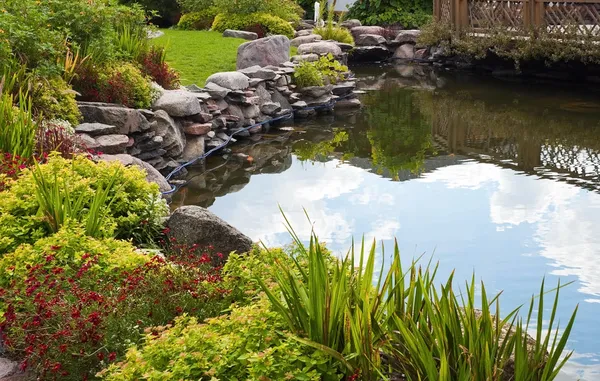
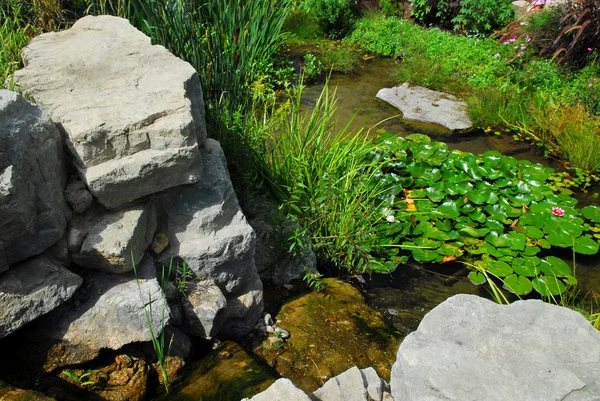
photo of a beautiful pond

Even in warm temperatures, pond fish can survive without you feeding them for up to two weeks. This is because pond fish are literally always eating.

They can survive on various natural edible options in the pond, ranging from insect larvae laid on the water surface to unlucky insects that settle on twigs and other surfaces that are very close to the fish. They also nibble at the aquatic as plants in the water and many other decaying matters.

But while they can go long without food, it would not be wise to let them go for too long without feeding them. So how long can your pond fish without food?

How Long Can Pond Fish Go Without Food?

To know precisely how long your pond fish can survive without feeding, you would have to take a few considerations into account. These factors include

  • Fish Species and SizeIf you have smaller species mixed with large specimens of the same species or others in your pond, waiting too long before feeding them may lead to cannibalism. Remember that pond water fish are omnivores, and smaller fish can always become prey if food is scarce. If you rear more than one species of varying sizes, frequent feeding is an important step to preserving the lives of the smaller fish.
  • The Water TemperaturePond fish survive without food for about three months during cold temperatures in December, January, and February. They can survive these winter months without feeding since their body metabolism reduces. You do not have to throw food in the pond at all during the fasting periods.
  • The Age of the FishYounger fish and baby fish have not fully developed to the point where they can cope with long fasting periods like older and mature fish.So if you have a growing population of younger fish in your pond, it would be best to ensure that you feed your fish more frequently.

However, most species can survive without feeding for up to two weeks. Some may survive more than two weeks due to the naturally occurring elements in the fish pond. And others may hardly go that long. But two weeks is about a safe bet.

Be careful not to push your luck. Pond fish can survive without food for about two weeks or as long as nature permits in some temperatures.

Feeding Frequency

How often you feed your fish is another important aspect of keeping fish in ponds.

If you feed too often, you will end up with poor water quality as the leftover food will dissolve in the fish pond. When this happens, the burden on the beneficial bacteria that help to break down waste and keep the water clean will be too much for the beneficial bacteria. You will end up with poor water quality.

Also, note that fish metabolism slows down in cold water temperatures. These should logically affect how often you feed your fish. Below is a detailed guide on how often to feed your pond fish.

In Temperatures Below 50°F
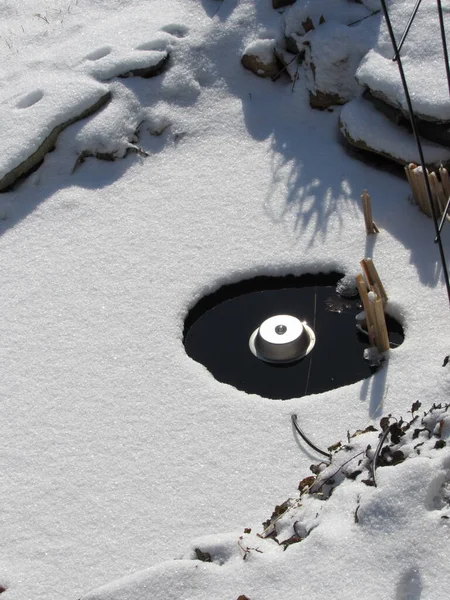
a man-made koi pond covered with ice

It would be best to stop feeding pond fish at water temperature dips of 39°F and less. This is important, especially during winter, as they are just like bears hibernating since they are cold-blooded. Their metabolism slows down significantly in this temperature range, so it would be best to stop feeding them.

At water temperatures of about 40°F-50°F, feed pond fish once or twice a week. Follow this guide, especially if you rear goldfish or koi fish.

Whether for mature goldfish, baby fish, or any other pond fish at all, this guide will ensure that the water quality of your fish ponds does not deteriorate. Ensure to be alert as water temperature drops.

In Temperatures Above 50°F

Start feeding them once winter is over and the temperature warms up. But remember to mind the rules about the lower temperatures before your fish ponds reach 50°F.

In temperatures above 50°F, ensure to feed them, and feed them the good stuff only.

Feeding your fish about 5 times a week is ideal, depending on how old the fish are. Feed them some 2-4 times a week for mature fish and up to 5 times for smaller fish.

Ensuring that they are eating only the amount they need is important to prevent poor water quality.

Having them eat only as much as they can in two minutes is a great starting point.

If you notice that the algae growth in the pond is becoming too much, it would be best to reduce how much food you give them to eat.

What Type of Food Can You Feed Your Pond Fish?

What to feed is equally as important as how often to feed them. Fish survive without food for long because they eat algae and almost anything they find edible.

You want to imitate nature and feed them natural foods as much as possible. You can feed them live plants, plant matter, insects and insect larvae, and pretty much anything they will eat in their natural environment.

You can feed your fish blood worms, brine shrimps, insects, and insect larvae. You can also feed them greens like peas and squash. Although these greens are not like algae, they will supply some great nutrients and not constitute any digestive problems.

But you do not want them to eat dog food. Although they are omnivores, food containing chicken, beef, or gluten is not easily digestible for them.

Feeding Tips For Pond Fish (Commercial and Natural Food)

Ensure that they are eating more natural food. Commercial products tend to negatively impact the water quality when it dissolves. But worms, shrimps, and other small animals will hardly pollute the water as most are aquatic animals too.

Try to keep the vacation less than two weeks. This way, you can deal with whatever unexpected developments might be time-wasting and still come back home in time.

You can install a feeding station to keep the feed floating so that the quality of the water is not changed. You can also install a vacation feeder. This will ensure that your fish are not overfed and are fed at the appropriate time.

Feed fish low protein food during colder months and more protein during warmer months. This is in response to their response to temperature changes.

Fish ponds’ temperatures can be lowered to trick the fish into going without their own food. While this may not work for a water garden outdoor pond, it would be in an artificial water pool. You can remove the heater or dial it down. This will lower their body metabolism.

Also, if you want to keep them active during the cold winter months, you can use a heater for your indoor pool to raise the water temperature and, in effect, their metabolism.

Final Thoughts

Enough food is hardly a problem with keeping goldfish or any other pond fish. But it would not be wise to go on without feeding them for too long. More than two weeks may be too long. 

Also, remember that December, January, and February are not feeding months as many ponds will experience colder temperatures. They will do fine without feeding until it is warm again.

And always remember to feed your fish only the good stuff.
How long can pond fish eat without food - featured image

source https://aquariumlabs.com/how-long-can-pond-fish-go-without-food/
Can Bettas Eat Goldfish Food?

can bettas eat goldfish food - blog image

Many fish food products may seem to answer the needs of all fish, but not just any fish food product should be fed to any fish. Some fish require more protein-rich food than others, while some need to eat food with a significant portion of plant matter.

There are many fish food, betta owners may wonder, “Can bettas eat goldfish food?”

This article answers that question and discusses other important things you should know about betta food.

Can Bettas Eat Goldfish Food?

Yes, Bettas can eat goldfish food. They can digest goldfish food and even survive on it. But it is not ideal to feed your betta fish with goldfish food. While they may eat the goldfish food, you can be sure that they will hardly benefit from it because the food will not suit the nature of their digestive systems.

betta fish with green plants in background

Feeding Bettas with goldfish food is like feeding grass to a carnivore. While some carnivores may eat the grass, you can be sure that the grass will not provide them with enough nutrients and is not the ideal food for their digestive system.

That is exactly what happens when you make your Bettas eat goldfish food. Unlike goldfish, which is an omnivore (but one that consumes a lot of plant matter), Bettas are significantly carnivores. Although goldfish food will keep them alive for a while, they will be malnourished in the end as that is not the ideal food for them.

Betta Food Versus Goldfish Food

Bettas are largely carnivorous in their natural environment, mostly insectivores. In the wild, they usually eat insects such as fruit flies, mosquitoes, and others when they try to lay their eggs on the after surface.

They also eat insect larvae such as mosquito larvae and others. They eat tadpoles (which goldfish eat too), invertebrates, other fish that are smaller fish, and even fish fry of other fish. They eat their unfertilized eggs and eat their fry if they are extremely hungry.

These foods make up a high protein diet, and the digestive system of betta fish is designed for it.

The goldfish diet differs from Betta’s. Largely, goldfish foods in the wild are detritus, decaying animal, and plant matters that drop to the water base. While they eat all of this, they will also eat insects, insect larvae, tadpoles, and other smaller animals in the water, but their primary food source is the aquatic plants in the water.

Unlike goldfish, which are primarily herbivorous, betta fish require a high protein diet. Your betta fish are very likely to develop health problems in the long run if you do not provide the proper diet for them; a high protein diet.

Why Shouldn’t Betta Fish Eat Goldfish Food?

Like goldfish flakes, most goldfish food usually consists of a large percentage of plant matter. This is the main reason goldfish food should not be used for Betta diet. The right dietary plan for your Betta fish is to have them eat Betta food.

While they appear to have a similarity in their diet, the difference in their diet is that betta fish eat more meat, and goldfish eat more plants.

If bettas eat goldfish foods as a staple meal, there will be consequences, although their digestive system will digest the food. A diet plan that ensures your bettas eat goldfish food almost too frequently instead of their natural diet will ultimately lead to health issues for your Bettas.

When you give your betta fish enough proteins, they can grow up to 2.3 inches. But you are sure to end up with a disappointing size if you give them only plant-based fish food like goldfish flakes.

If you have different species of small fish in the same tank with your betta fish, there is a likelihood that your betta fish will become aggressive towards them and even eat them up because you have starved them for too long with a poor diet.

Best Betta Food for Betta Fish

To prevent health complications for your betta fish, it would be best to ensure they eat a balanced diet. A balanced diet for betta fish would be the proper diet that supplies all their dietary needs.

There is betta fish food that will replace goldfish food well to supply your betta fish with all the nutrients they need. Here is a list of some:

Live Foods

This is the right food for your betta fish, especially if you are keen on replicating their natural environment.

Betta fish thrive on live food with a high quantity of protein. They eat insects mostly, and their natural environment makes it possible in the wild. You can also replicate this with your aquarium by making their main diet live foods.

Live food is the best food to feed your betta fish since it is what they would normally eat in the wild, and it answers their dietary needs even while in captivity. You can feed them insects, blood worms, brine shrimp, blackworms, even smaller fish, and fish fry.

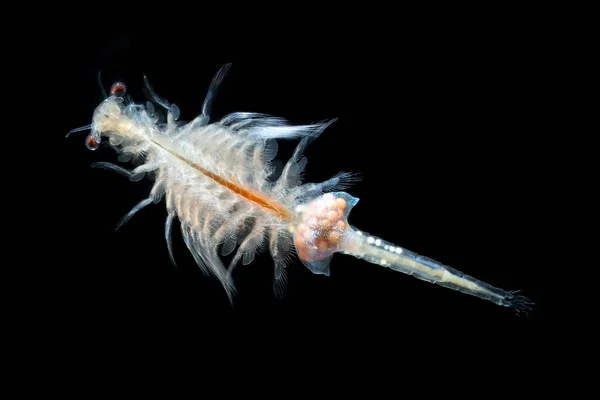
brine shrimp in isolated dark background

The only disadvantages of this food source are finding a reliable seller, finding a way to store live food till when they are needed, and dealing with the cost of buying food.

For these reasons, many hobbyists feed their Bettas with a varied diet consisting of other alternative food sources like freeze-dried foods, betta fish pellets, and flakes.

Freeze Dried Foods

Freeze-dried food is a viable alternative, especially if you do not have a reliable storage system for live foods. Some are frozen, and others are dried. Freeze-dried bloodworms, brine shrimp, and small fish are some great alternatives that your bettas thrive on.

close up photo of frozen bloodworms

But you would have to first thaw the food before allowing your betta fish to eat it.

Floating Betta Fish Pellets

These pellets are often insect-based, but there are many other variations. They have all the nutrients your betta fish needs and are a far better choice if you are interested in buying food that will nourish your betta fish well and store well.

Betta fish pellets are the right food for your bettas because they contain all the nutritional requirements that your betta fish needs to survive. And most importantly, they float so that your betta can spot them and eat them.

Betta Flakes

There are different flakes in the market, so you must buy betta fish flakes to avoid feeding betta fish goldfish flakes.

You can add betta flakes to your betta fish diet if you want to give them a varied diet. But remember that flakes tend to sink faster than other food options. So the uneaten food will usually rot and negatively impact the water quality in the tank.

It would be best to feed Betta flakes scarcely, especially if you house Bettas in a small tank. Also, although you want to buy Betta flakes, it would be unwise to buy Betta tropical fish food because they are mostly full of plant matter.

Remember that plants matter is not the right food for your Betta fish.

Can Bettas and Goldfish Co-Habit in the Same Tank?

Although this may seem like a great way to reduce your care routine and get on with life, it is not advisable. There are many reasons you should not have both fish in the same tank, but the most important is that your goldfish is likely to die from eating Betta food due to the high protein level.

Other reasons are the difference in the water parameters that each fish species prefer and their tolerance to ammonia spikes in the water.

Goldfish are not as sensitive to water parameter changes as Bettas. They also prefer a lower water temperature to Bettas, who prefer warmer water temperatures.

Feeding Frequency for Betta Fish

betta fish in tank

Feed your betta fish scarcely to prevent overweight from the protein-rich food. The feeding frequency should be once or twice a day but in small quantities. A small pinch of betta flakes should do. For pellets, one or two is enough.

Suppose you wish to feed them frozen food, whether brine shrimp or blood worms, a small quantity at a time is ideal. You can also give them mosquito larvae, but only a small quantity at a time.

It would be best to try a varied diet to see what your fish likes the most. And you may skip feeding for a day occasionally. This will limit the chance of being overweight and keep your fish hungry enough to try out other foods you offer.

What Should an Ideal Betta Food Contain?

The proper diet for Betta fish must contain more protein than fillers, wheat, soy, and even fish meal.

Ensure that your Betta foods are rich in protein from a quality source. This high amount of protein is what you need to give your carnivorous bettas a balanced diet.

You can also check the product for the exact protein quantity (in percentages) and the source, whether it is wild salmon or another type of fish. Some products generalize them as “crude protein.”

You also want to get a betta fish food that is mess-free to prevent food rot in the tank as much as possible.

Final Thoughts

While betta fish can eat goldfish flakes, that would be a poor diet for the betta fish. Bettas are largely carnivores and require foods high in protein levels to s satisfy their carnivorous needs.

There are a few tips you must always remember. Feed betta fish food scarcely to prevent overweight and other health issues. You can skip feeding for a day once in a while and ensure to try out varieties to know what your betta fish likes the most.

Related Interesting Reads:

Can Bettas Eat Goldfish Food - featured image

source https://aquariumlabs.com/can-bettas-eat-goldfish-food/
Do Goldfish Eat Tadpoles & Frogspawn?

do goldfish eat tadpoles - blog image

Frogs will only spawn in clean, freshwater with good oxygen levels. Whether it is an outdoor pond or not, there is a great likelihood that not all the tadpoles will survive. Many will be eaten as they will become prey for the fish species in the pond. It is just the way nature works.

But, do goldfish eat tadpoles? And how can you stop tadpoles from being eaten as a food source in the pond? 

This informative piece answers whether goldfish eat tadpoles. It also discusses how to stop tadpoles from being eaten and many other important concerns.

Goldfish and Tadpoles

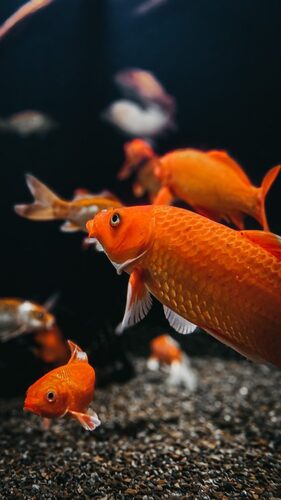
While goldfish are the typical freshwater fish to keep in your ponds and coldwater aquariums, they are excellent for beginner hobbyists. They do well with many other aquatic animals that thrive in cold water temperatures. They are omnivores like their close relatives; the carp.

Many varieties make good pets for hobbyists, and they include the Oranda goldfish, Ryukin, Lionhead, Comet, Shubunkin, Fantail, and many more. They are very active and are competitive eaters.

goldfish in isolated black background

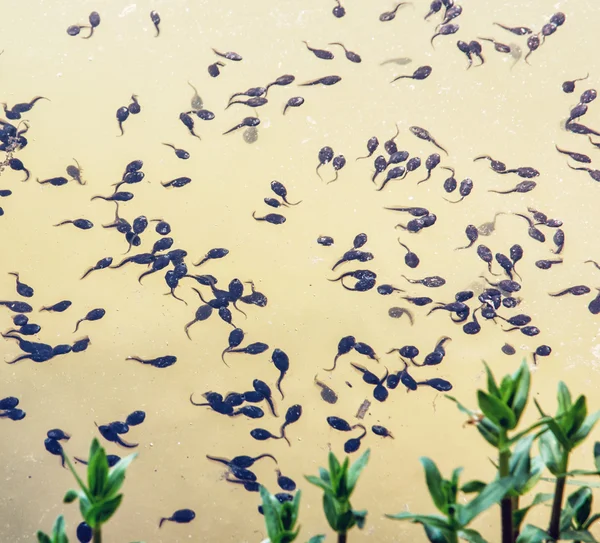
Tadpoles, on the other hand, are the larval stage of amphibians. But in the ponds with goldfish, the term “tadpoles” is restricted to mean the larval stage of frogs. But tadpoles generally refer to amphibians, including frogs, toads, and salamanders, at their larval stage. 

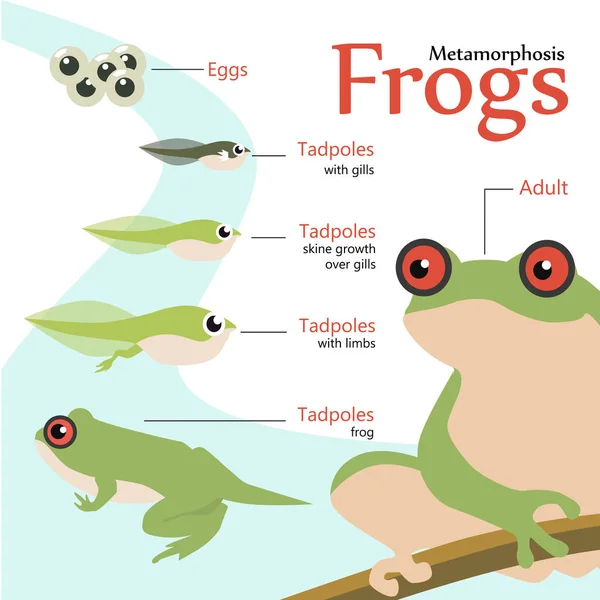
The larval stage is a point in the life cycle of frogs. Unlike adult frogs, tadpoles have gills, lateral lines, and tails for movement in the pond. However, these features disappear later in life as they undergo metamorphosis into adults. 

You will usually find frog tadpoles in ponds because they are herbivores at their larval stage. They depend on aquatic plants for food and will only become carnivores after growing into adult frogs. A typical frog tadpole grows to about 1.3 inches, and the larval stage takes about 14 weeks.

The tadpoles do not move much for the first two weeks after they hatch. They usually spend the first few weeks eating up the remaining yolk in their eggs for nutrients. They begin to feed on aquatic plants like algae for energy as they grow.

Do Goldfish Eat Tadpoles?

tadpole in lake

Yes, goldfish eat tadpoles. Tadpoles are small enough to fit into the goldfish’s mouth. Since they eat smaller aquatic animals, you can be sure that your tadpoles will be on the menu for as long as they find themselves in that larval stage.

Another possible reason they will eat your tadpoles is the difference in swimming speed. Goldfish have stronger tails and fins to glide and swim in any direction as fast as possible if they want a tadpole.

Although the swimming speed of tadpoles is determined by their sizes, as the larger they are, the faster they will be, they still do not outswim goldfish. Feasting on a couple of tadpoles for the goldfish is as easy as a breeze. In ponds, whether indoors or outdoors, the goldfish is the king as long as it is the biggest fish.

Do Goldfish Eat All Tadpoles (Frog Tadpoles and Toad Tadpoles)?

As mentioned earlier, tadpoles are amphibians at their larval stage and not frogs alone. You can have toad tadpoles, frog tadpoles, and the king salamander tadpoles. So do goldfish eat all kinds of tadpoles? Goldfish do not eat all tadpoles.

While frog and toad tadpoles are very much on the menu, the goldfish is likely to spit out the toad tadpoles. Toad tadpoles, unlike frog tadpoles, secrete harmful toxins just like an adult toad. They use it as a defense mechanism to ward off likely predators.

While they may attempt to consume toad tadpoles, the disappointing taste will make them vomit the tadpoles and even ensure that they steer clear of toad tadpoles.

Frog tadpoles are the usual delicacy for goldfish in a pond. Goldfish will feast on frog tadpoles any day, any time.

Do Goldfish Eat Frog and Toad Eggs?

close up photo of a frog sawn

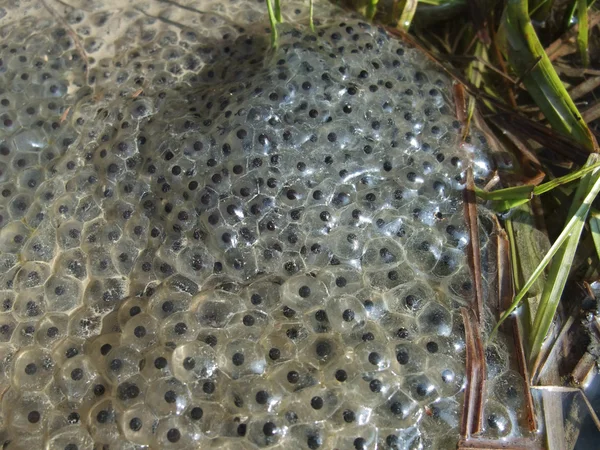
While goldfish will eat frog tadpoles for sure, they are less likely to eat frog eggs, better known as frogspawn.

But this does not mean that they cannot or will not eat frog eggs. It depends on whether the eggs are visible enough to catch the goldfish’s attention and what your goldfish specifically prefers. Many hobbyists find that their goldfish prefer tadpoles to frogspawn, but this does not mean they will not eat it. Remember that they even eat their own eggs.

Toad eggs are naturally unpalatable to goldfish and many other fish, in fact. Even if they attempt to eat them, they are likely to vomit them. And you can be sure that they will avoid toad eggs after the unpalatable experience.

How To Ensure Your Goldfish Don’t Eat Tadpoles

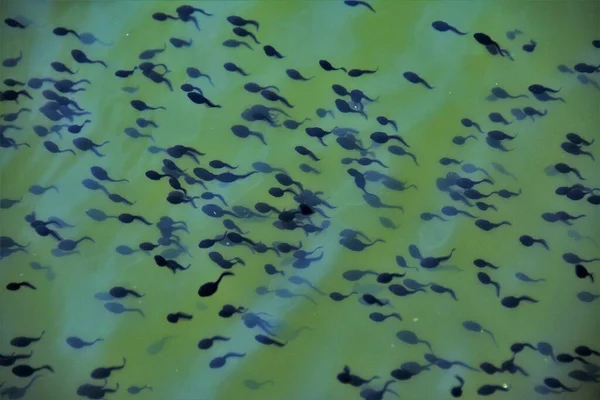
photo of tadpoles in water

You can prevent your goldfish from eating tadpoles in your pond. These simple hacks listed below are practical ways to preserve the tadpole population in your goldfish pond.

Create Hiding Places

pond landscaping

Hiding is a sure way to ensure that the tadpoles survive. You can add green vegetation to the pond to increase the number of hiding places for the tadpoles. You can also add hiding places with rocks and other safe materials in the pond.

It would be great to also add twigs, rocks, and logs to the pond, especially the shallow parts. The hiding spots should be big enough to hide tadpoles and small enough to prevent them from being eaten.

You can also use these hides and plants to decorate the pond but ensure that these hiding spots are more to the shallow side of the pond. Fish are less likely to come to the shallow side since they find it challenging to swim there.

Another great benefit of creating crevices for them to hide is that when the frogs return to lay in your pond again, you will have already created a haven for the frogspawn.

Create Shallow Ends in the Pond

Creating shallow ends in the pond is especially necessary where the pond is deep everywhere. Fish generally find it challenging to swim in shallow areas as there is not much room for movement.

Another reason they will hardly ever swim to the shallow ends is that it exposes them to predators from outside the water.

However, ensure that the shallow ends have enough hiding places as the tadpoles will also be exposed to outside predators. It would be best to also clear the areas around the shallow ends of trees and small shrubs that could attract likely predators such as birds and lizards.

Keeping Your Goldfish Well-Fed

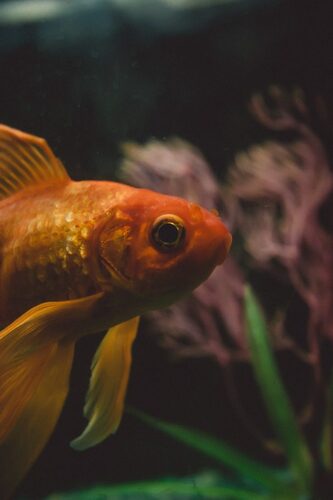
close up image of a goldfish

Having a stable routine of how much food you put in your goldfish pond and steadily increasing how much food you feed them as they grow will decrease their appetite for tadpoles in the fish pond.

Typical fish food for goldfish in the wild, whether a big wildlife pond or a small pond, will include small animals, especially insects. Omnivorous fish species, including your goldfish, eat both plants and animals. They usually eat frogspawn, algae, insect larvae such as the dragonfly larvae, and others. Keeping tadpoles safe in the wild is a matter best left in the hands of nature.

But you can keep tadpoles safe in your goldfish ponds by giving them food at the proper time and ensuring that they are well-fed.

Final Thoughts

Although goldfish love some tadpoles and prefer them to frogspawn, they are likely to eat frogspawn if you are not generous with fish food in the pond. You can also prevent your tadpoles from being prey to creatures within and outside the pond by creating enough hiding spots and shallow ends in the pond.

But you must understand that nature will always have its way. You cannot save them all from being eaten. Some will surely be eaten, but these tips above will increase their survival chances.

And when you find those jelly matted frogspawn floating in your fish pond, remember that you can never have too much frogspawn. Many do not reach adulthood as other creatures outside your pond will also feast on them.

Related Reading:

do goldfish eat tadpoles - featured image

source https://aquariumlabs.com/do-goldfish-eat-tadpoles/

Glofish Angelfish Tank Mates: Can Glofish Tetras Live With Angelfish?

Glofish Angelfish - Blog Image

It is possible to have glofish tetras and other glofish varieties in the same tank with angelfish. They are genetically modified black skirt tetras, and they prefer a water temperature range similar to angelfish. But there are many other factors to consider.

Here is a detailed explanation of the risks involved for glofish, angelfish, and more!

Can Glofish Tetras Live With Angelfish?

Yes, glofish tetras can live with angelfish. Like black skirt tetras, they are a peaceful fish to keep with your angelfish. But you want to keep more than a glo tetra in the aquarium.

Glofish tetras are terrible fin nippers, especially when they are lonely. They will nip at the long angelfish fins and damage them. But when you keep several glofish tetras, they will stay busy within the shoal.

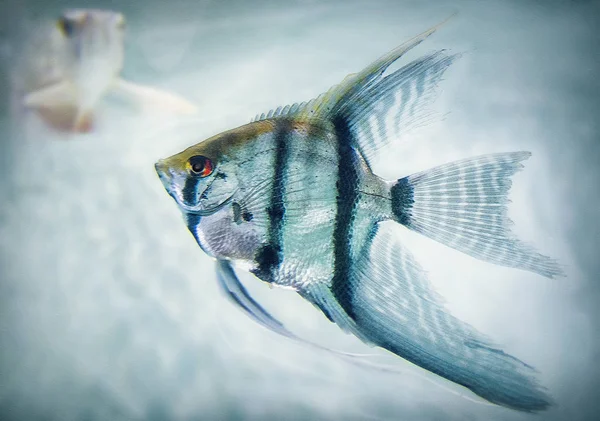
close-up shot of a beautiful angelfish

Glofish tetras are tiny fish, and angelfish are opportunistic eaters that will pretty much munch anything that enters their mouths. So, there is the risk of glofish tetras being eaten by angelfish. But you can lower that risk by keeping both species in a big community tank.

Are Glofish Tetras Hostile?

No, glofish tetras are not hostile. They are generally peaceful and will usually spend their time socializing in the shoal and enjoying the company of other glofish tetras. You will typically find them exploring every part of the tank together.

But they tend to nip at the long fins of other fish, and your angelfish is likely to suffer from their fin nipping behavior. You can reduce the chances of them nipping at your angelfish fin by using a big tank with plenty of hiding places. 

Keeping more than one angelfish can also help to reduce the fin nipping behavior.

Tips To Curb Glofish Tetras Nibbling at Angelfish’s Fins?

Provide Enough Room

Fin nipping is more likely to occur in a smaller tank than in a bigger tank. The obvious reason is that both fish species do not have enough room. In a small tank, you can trust these fin nippers to nibble on the angelfish fins as they try to defend their territory.

With a big tank, both fish species will have enough room to swim and hardly bump into each other. So, the chances of fin nipping are drastically reduced.

Build Abundant Hiding Spots and Covers

Spots to hide are instrumental in stopping the fin nibbling behavior of glofish tetras. You can have decorated hides and aquatic plants in the tank to shield the angelfish from the glo tetras whenever they are tempted to go on a fin nibbling spree.

The hiding spots could also come in handy for the small glofish and when the angelfish becomes an ambush predator.

Water Condition

One common reason for a glofish tetra’s fin nibbling behavior is stress from unfavorable water conditions.

When the water parameters are unfavorable, glofish tetras become stressed and do what they instinctively do when they are stressed; nibbling at the fins of other fish in the tank.

Ensuring the right water parameters is very important if you want to stop this behavior. Ensure that the water temperature is right and there is no pollutant in your aquarium. This will prevent stress and, in turn, prevent any aggressive show of frustration by your glofish tetras.

Related:

Provide Food in Abundance

When food in the aquarium is not enough, glofish tetras will naturally become aggressive, and they will show this with their fin nibbling behavior.

To avoid putting your angels at risk, you want to provide enough food for everyone. This will prevent a scenario where your glofish tetras nip the fins of your angel to the point of causing serious damage.

Will Angelfish Eat Glofish Tetras?

Although angels are not as aggressive as other cichlids from the Cichlidae family, they feed on neon tetras in the wild. Therefore there is a likelihood that they may chomp your glofish tetras.

Another thing to consider is the size of your glofish tetras. Your glofish tetras can fit into their mouth as they are way bigger. So, there is a chance that they can eat glofish tetras, especially in a small community tank without much room and hiding space.

How To Stop Angelfish From Eating Glofish Tetras?

  • The first way to prevent your angelfish from eating your glofish tetras is by getting a large tank. Large tanks, with enough room and hiding places, reduce the chances of a confrontation between both fish species.
  • The second way is to introduce the angelfish to the community tank last. If you introduce the glofish tetras last, the angelfish will consider them food, and you can expect the worst. They will devour your glo fish tetras.
  • But if you introduce the angelfish last, they will ignore the glofish tetras as part of the tank’s ecosystem.
  • The third way is to choose only the smallest angelfish instead of an adult angelfish.
  • And the final step is to feed your angel frequently. 

With these four steps, you will have reduced the chances of your angels eating your glofish tetras.

Can Glofish Danios Live With Angelfish?

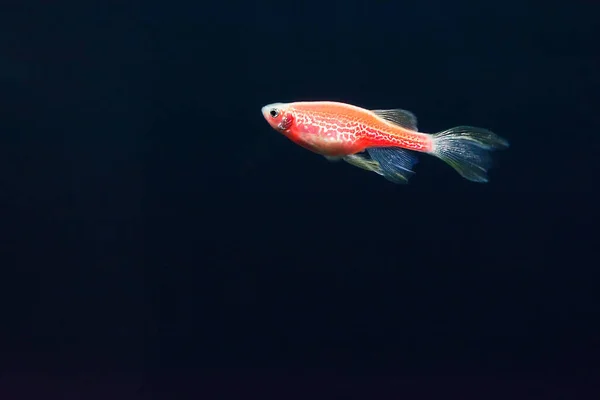
Red zebrafish on a dark blue background

Glofish danios are genetically modified zebra danios. Like zebra danios, they are the only glofish variety that can withstand a wider range of water temperatures. So a little more warmth will do them no harm.

Apart from being hardy, they are also peaceful and live happily in schools. So yes, glofish danios and angelfish can live together. But they can only live together if these three conditions are met;

  • The glo danios must be too big to fit into the angel’s mouth,
  • The tank must be big enough to make sufficient room for both species, and
  • You have to keep the glofish danios as a school instead of one.

There is a high chance that your angelfish will eat your glofish danios if you fail to satisfy any of these conditions.

Can Glofish Tiger Barbs Live With Angelfish?

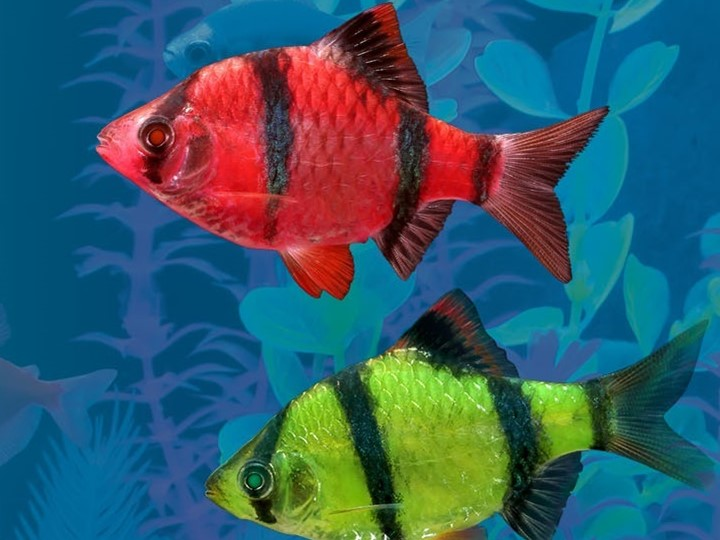
Glofish Tiger Barbs

It is not ideal to house glofish tiger barbs with angelfish. Tiger barbs are very aggressive, and their aggression is neither linked to fights for territories nor predation.

They have an uncommon temperament. Pairing them with your angelfish is not advisable, as they will damage your angelfish flowy fins.

Can Glofish Rainbow Shark Live With Angelfish?

It is not advisable to have a glofish rainbow shark in the same tank with angelfish.

Glofish sharks are genetically modified red finned sharks. They have a reputation for being very aggressive with other fish and even with themselves. Glofish rainbow is also nasty fin nippers that will ruin the flowy fins of your angels.

What Fish Can Live With Glofish Tetras?

Like black skirt tetras, these fin nippers are a schooling fish. As long as you keep a school of no less than 6 tetras in the aquarium to check their fin nibbling behavior, the following are some great tankmates for them:

  • Honey gouramis
  • Plecos
  • Tiger barbs
  • Cardinal tetras
  • Black neon tetras
  • Corydoras (Cory Catfish)

What Fish Can Live With Glofish Barbs?

Apart from being fast swimmers, these fin nippers will dart around the tank, chasing slow-moving fish to nip their fins. But as long as you keep a school of no less than 6, these fish species will make great tankmates:

  • Cory Catfish
  • Tinfoil Barbs
  • Red-Finned Sharks (As long as you keep only one in the tank)
  • Plecos
  • Platies
  • Mollies
  • Clown loaches
  • Rosy barbs
  • Swordtails
  • Cherry barbs

What Fish Can Live With Glofish Danios?

Like a zebra danio, glo fish danios tend to be fierce when the tank is too cramped or empty. These fin nippers are very social schooling fish and will rarely attack other community fish in the fish tank if kept as a shoal of at least 6. The following fish are great tankmates to consider:

  • Platies
  • Black neon tetras
  • Zera barbs
  • Gold barbs
  • Corydoras (Cory Catfish)
  • Khuli loaches
  • Swordtails
  • Cardinal tetras
  • Clown plecos

What Fish Can Cohabit With Glofish Rainbow Sharks?

Rainbow sharks are exceedingly aggressive, territorial, and solitary bottom feeders in the wild. They usually avoid each other’s company. The glofish rainbow shark is no different, and that is why it is recommended as a general rule that you have no more than one in your fish tank. 

It would be best not to keep bottom feeders as tank mates to prevent a confrontation and injuries between the tank mates and rainbow sharks.

Cichlids, Catfish, Redtail sharks, Bala sharks, Plecos, and Loaches are some bottom feeders that should not be housed with glofish sharks.

You also want to avoid housing a betta with glofish rainbow sharks. Bettas are as fiercely territorial as glofish sharks. It would be a disaster.

Tankmates to consider are:

  • Gouramis
  • Danios
  • Rasboras
  • Barbs

Barbs are perhaps the only exception to the rule that bottom dwellers should not be housed with a glofish shark. They seem to be generally compatible.

Frequently Asked Questions

Can Serpae Tetras Cohabit With Angelfish?

Serpae tetras are remorseless fin nippers and are usually attracted to the long beautiful fins of angelfish.

If you keep them both in the same tank, the Serpae tetras will damage your angelfish fins. Your angelfish will become stressed from injured fins and susceptible to other health issues.

Can Neon Tetras Cohabit With Angelfish?

No, you shouldn’t house neon tetras with angels. Almost all Cichlids, including angelfish, will eat smaller fish that can fit into their mouth. Although neon tetras engage in fin nibbling, they are smaller fish. 

It will prove problematic as your angelfish might swallow your neon tetras or suffer from their fin nibbling behavioral tendency.

Can Cardinal Tetras Cohabit With Angelfish?

It is very risky to house cardinal tetras with angelfish. Although slightly bigger than neon tetras, they can still fit into the mouth of an angelfish. The angelfish will likely eat cardinal tetras, and the cardinal tetras will nibble on the angel’s fins. 

But you can reduce that risk by providing a large tank with lots of hiding places and enough room for both to swim.

Final Words: Can Glofish Tetras Live With Angelfish?

Glofish live in warm water just as their natural counterparts live in tropical freshwater. This means they can cohabit.

But glofish angelfish aquariums are only possible with some glofish varieties. While some are peaceful enough to cohabit with angels freely if some conditions are met, it is too risky for others.

Related Reading:

Glofish Angelfish - Featured Image

source https://aquariumlabs.com/glofish-angelfish/

How Do Clownfish Sleep At Night?

How Do Clownfish Sleep At Night - Blog Image

New clownfish owners are sometimes surprised to see particular shocking behavior in their fish, including their sleeping pattern. Sometimes clownfish sleep lying down at night. So when the lights come on, the first thing they see is a fish that looks quite dead or distressed.

Many pet owners understandably start searching for answers at this point. After all, aren’t fish always in constant motion, even at the same hours other animals go to sleep? But, how do clownfish sleep at night? Let’s find out!

Do Fish Sleep?

Many animals sleep at night, and fish are no exception. Fish owners who turn on the aquarium light suddenly will often see their fish sleeping behavior. Usually, fish will hang out near the bottom or in a cave. Their colors become pale, and they are barely moving.

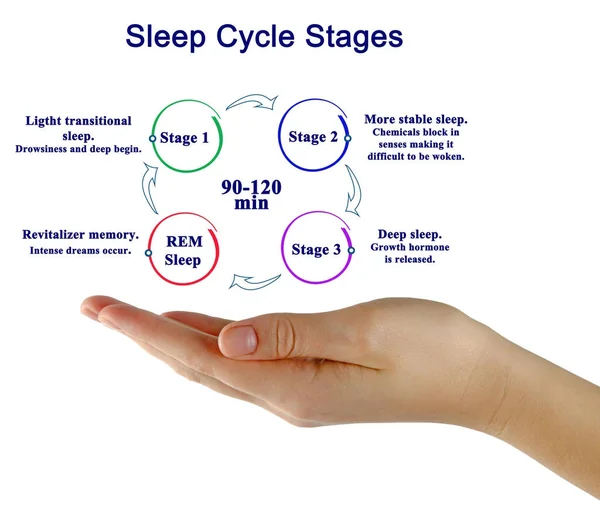
rem sleep cycle stages

What Is REM Sleep?

Unlike mammals like humans, fish don’t have a neocortex. So they probably don’t dream. But when clownfish sleep, they do show similar behavior to us in having a stage like REM.

REM is rapid eye movement and is a stage where a sleeping person’s eyes begin to dart around when they fall into a deep sleep. REM sleep is critical to getting enough rest, so it’s no surprise that fish have a similar sleeping pattern.

Is Blue Light Good When Clownfish Sleep?

Many modern LED light fixtures have “moonlight blue” output that is advertised to be run at night when fish normally fall asleep. But these lights actually force fish to remain active and disrupts their normal sleeping pattern.

Blue light is what animals (including humans) use to regular their circadian rhythms. And too much blue light forces animals to stay awake, including most fish.

Nocturnal fish also have their habits disrupted if they can’t move in the dark naturally. If they are forced to stay awake consistently, it is as stressful for your pets as it is for us humans. So always turn off your fish tank lights at night – this way, your fish remain asleep peacefully.

Do Clownfish Lay Down To Sleep?

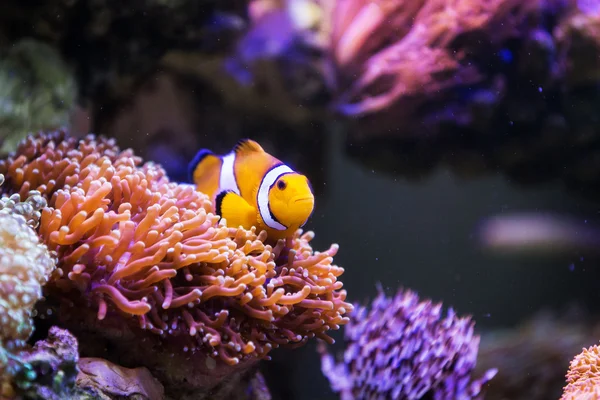
clownfish in aquarium

At first, you might think you have a dead fish when turning on the lights in the morning. But not only do clownfish sleep at night – they are known to sometimes lie down.

Clownfish sleep on their sides if they don’t have a hole to wedge themselves into. Or they may simply prefer a soft, sandy bottom of the tank to empty coral or live rock crevices.

It is perfectly normal to see a clownfish sleep on its side. As long as it perks back up in the morning, then you need not worry about how your fish sleep!

Clownfish Swimming Slowly

But what if your clownfish’s sleeping behavior isn’t normal? What if it does not swim normally after the lights come back on?

First of all, you should remember that clownfish are fairly unusual swimmers! They use their very soft pectoral fins to sort of “pull” themselves through the water.

clownfish inside the reef

Compared to other fish, this motion looks very clumsy. In fact, their wobbly way of swimming is part of the reason why they are called clownfish (the other is their explosively bright colors).

But this habit of slow swimming is not a bad thing. Since clownfish live in sea anemones, they don’t need to be fast swimmers. And by using their pectoral fins, they can carefully maneuver around tentacles and other obstacles with ease.

Do Clownfish Need A Sea Anemone To Sleep?

Clownfish are often called “anemonefish” because, in their natural habitat, they are usually found alongside them. They share a symbiotic relationship with sea anemones, a relationship where both animals benefit from the exchange.

The clownfish eat, spawn, and sleep in their host anemone. Being small fish that are poor swimmers, they also gain protection thanks to the potent stings of their host. And the host anemone gets food and protection from the clownfish, which will chase away butterflyfish and other anemone-nibblers.

Since most clownfish sleep close to home, they will gladly snuggle into the tentacles of their sea anemone home. As you can see in the below video, clownfish sleeping behavior can include a sea anemone!

But just because sleeping clownfish enjoy an anemone pillow does not mean you have to own one.

Are Sea Anemones Easy To Keep?

One reason not to buy a sea anemone is that they are dangerous tank mates for most animals. Their tentacles are covered in nematocysts, stinging cells that lash out when touched.

These inject poison into other fish that touch them. Clownfish sleep in anemones because they have protective mucus that does not trigger the stings.

But a sleeping fish that is startled awake and bolts might end up dashing into a sea anemone, which can kill it if the species has a stronger sting. Some are known to be fish eaters, especially carpet anemones.

Another reason not to keep sea anemones is that they are not easy to care for. Clownfish owners that want a sea anemone have to provide excellent water quality for them. They are highly sensitive to dissolved nitrogenous waste products (ammonia, nitrite, nitrate).

Related: How to Take Keep Bubble Tip Anemone (Care Guide)

Most need just the right amount of current to prosper. Anemones also need powerful, full-spectrum aquarium lights as they are photosynthetic animals.

But if you are willing to provide all of this, then you will have a show like no other. You can even keep multiple clownfish that prefer sleeping inside anemones! Many will share their home with other fish or baby clownfish of the same species.

Which Sea Anemone Should I Get?

Clownfish sleep anywhere, but they do love a cozy sea anemone for a pillow. One complication to keeping them is that clownfish are sometimes picky about which anemone they will accept.

In their natural habitat, most clownfish sleep only in specific sea anemones. A few, such as the Clarkii Clownfish (Amphiprion clarkii), will sleep laying in any of the 10 favored host anemones.

But others, like the Maroon Clownfish (Premnas biaculeatus), associate exclusively with Bubble-tip Sea Anemones (Entacmaea quadricolor).

The 10 species of sea anemone to choose from for your clownfish’s sleep habit include:

  • Bubble-Tip Sea Anemone
  • Sebae Anemone
  • Saddle Anemone
  • Bearded Anemone
  • Giant Carpet Anemone
  • Magnificent Sea Anemone
  • Delicate Anemone
  • Merten’s Carpet Anemone
  • Adhesive Anemone
  • Long Tentacle Anemone

Why Is My Clownfish Staying At The Bottom Of The Tank?

clownfish in white background

A clownfish sleeping on its side is a natural behavior. But sometimes, it can also be a sign that something is wrong.

Signs My Clownfish Is Sick

We know that clownfish sleep on their sides sometimes. But if your fish isn’t getting back up in the morning, then you should be concerned. What are some signs that your clownfish lying on its side is a sign that it is sick?

  • Dull coloration even after the lights have been on for hours
  • Excess mucus production
  • Cloudy eyes
  • Visible injuries
  • Frayed or torn fins
  • Disrupted breathing (too rapid or too slow)
  • Not moving even if the fish owner prods it

The exact nature of the illness or injury is beyond the scope of this article. Perhaps the clownfish is being bullied by a tank mate. Or maybe one of your water parameters is out of the normal range.

Just remember that anytime a fish decides to stop swimming, it is a sign that you need to look into the aquarium conditions.

How Do I Know If My Clownfish Is Happy?

As long as your clownfish sleep and then perk back up first thing in the morning, you don’t need to worry if it likes to sleep at the bottom. But what else can we do to keep our clownfish happy under our care as pet owners?

Tips For Making Clownfish Happy

clownfishes in reef

Add food to their diet that provides diversity. Fresh and frozen food are delights that spice up a life of bland prepared flakes and pellets. Brine shrimp, tubifex worms, copepods, and other treats also provide essential elements that might be missing in their usual fare.

If you want to enjoy the spectacle of the symbiotic relationship clownfish have with sea anemones, then research how to care for these amazing animals. Sea anemones are intermediate level in difficulty, but they are well worth the effort. Watching your clownfish sleep and dance through their tentacles is one of the most incredible spectacles of the marine aquarium hobby!

Choosing tank mates that are well suited to the gentle nature of most clownfish is also a good idea. A few of the larger species, such as Maroon Clownfish, are quite aggressive. But most clownfish are very gentle and only want community aquarium fish included that are just as peaceful and easygoing as they are.

Last, you can try keeping more than two clownfish in the same tank. Many species are social so long as they are introduced together when very young. As long as the aquarium and their host anemone are large enough, they will gladly share space and form a community.

One of the clownfish will become the dominant female, which will grow larger and more aggressive than the others.

And with luck, you may even get to watch your clownfish spawn! They are excellent parents, and the eggs hatch within 2 weeks of being laid. Captive-bred clownfish are always in high demand at local pet stores, making this a very easy money-making side project for you!

Wrapping Up

So, do clownfish sleep? Yes, they do!

In fact, clownfish sleep on their sides sometimes. They aren’t the only fish to do this – but it can be alarming if you aren’t aware of this sleeping habit. But as long as your clownfish swim normally when the lights come on, you don’t have much to worry about!

Related Interesting Reading:

How Do Clownfish Sleep At Night - Featured Image

source https://aquariumlabs.com/how-do-clownfish-sleep/

Fish Stuck In Filter – A Guide on How to Keep Fish From Getting Stuck in the Filter

fish stuck in filter

Of all the problems fish keepers have to deal with, the risk filters have to our pets is one we don’t usually consider. After all, we buy filters because they help keep fish alive. It seems wrong to think of them as a source of problems in our aquarium.

Usually, a filter does its job just fine, and there are no issues. But what if you come home one day to find a fish stuck in filter?

How Do Healthy Fish Get Stuck To The Filter?

Pet fish have to deal with the current of an aquarium filter continually. So you always want to choose a setup that causes minimal stress to them. What are some ways that pet fish end up getting stuck to the filter intake tube in the first place?

Is The Water Flow Too Strong?

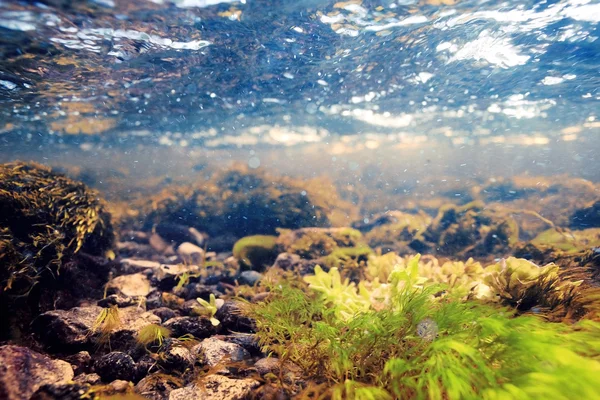
Underwater scenery in clean water

What if you have an aquarium full of small fish that prefer swimming slowly, like Chili Rasboras, Pea Puffers, and so on? You should keep your fish safe by choosing the right sized filter. We don’t want to find healthy fish caught against the filter. This can sometimes happen if the filter is too strong for your fish.

This is only an issue if the pump is rated for an aquarium that is much larger. Adding filters rated for a 55-75 gallon aquarium to a 20-gallon aquarium can be an issue. Small fish that get too close can get stuck in the filter very easily.

Fish with long fins or slow-moving fish like Betta Fish and fancy Goldfish are also prone to getting stuck to filter intake tubes. And once they are stuck, their fins create so much drag against the current that it can be impossible for them to break free again.

So make sure that you are aware of the gallons per hour (GPH) turned over by your filter’s pump. Extra filtration is not always a good thing.

Sick Fish Stuck In Filter Intake

It is much more common to see weak fish or dead fish stuck to filter intakes. When fish start to get sick from disease, they lose energy and have trouble fighting even the gentle current of the filter intake.

While it’s not very strong close to the intake, a weak fish may suddenly find its entire body slapped against the intake. The poor guy is then unable to wiggle hard enough to break free and soon dies.

So if we know there is a sick, struggling fish in the fish tank, how can we keep it from getting stuck to the filter? One way is to place a physical barrier that keeps fish from getting dangerously close.

A foam pre-filter like this one is the most common option. This route makes sense because a foam pre-filter is very easy to make. Just take a foam cube an inch or two thick and cut a small hole in it so that it will fit over the filter intake! Now water flow still occurs, but fish can’t get close enough to the intake tube to get stuck to the filter.

New aquarists sometimes wake up in the morning to find a dead fish stuck to the filter intake and think the filter killed it. But this does not happen all that often. Fish die at night sometimes, and the tank filter eventually catches their floating bodies.

So unless you already have fish that are weak swimmers, you don’t need to prevent fish from getting close to the intake tube.

Small Fish Sucked Up Into The Filter

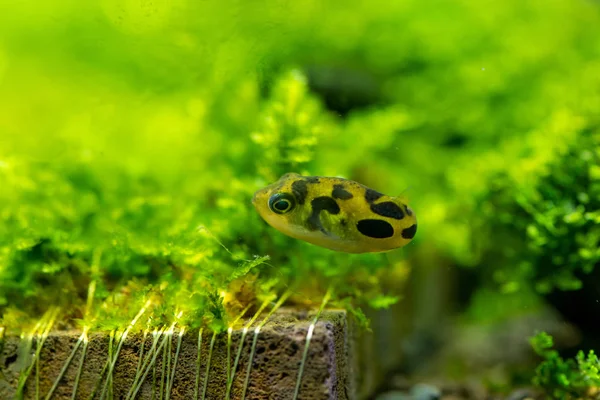
Dwarf Puffer in aquarium

Filters can easily suck up baby fish in fish tanks. If you have guppies, mollies, and other livebearers, then you are probably used to baby fish being around. When they are first born, fish fry are poor swimmers and can’t fight a strong water current.

Nano fish keepers also know that you need to choose a filter system carefully to prevent fish from getting stuck to the filter. True nano fish are much smaller than tetras, danios, guppies, and other small common aquarium fish.

Many nano fish are fully grown at less than an inch long. They do better in aquarium setups with sponge filters and other gentle systems that keep the water clean.

On the bright side, fish fry and nano fish are more likely to survive and make it to the inner chamber, where you can rescue them. Larger fish can get cut up by the magnetic impeller that the pump uses to draw water into the filter.

It’s rare, but sometimes a fish can even permanently live inside your filter. If the filter is large enough and the fish can feed on the biofilm inside, they may thrive until you discover them.

Filter Systems That Don’t Suck Up Fish

Filter intakes are a necessary part of most filter setups. They create ideal water parameters by drawing water from the main tank and into the filter. Inside, ammonia and other pollutants are processed and returned to the main fish tank.

But there are some dangers a filter intake can have to your pet fish. So what are some more options that naturally prevent fish from getting stuck to filter intakes?

Sponge Filtration System

The simplest way to stop fish from getting stuck is to choose a filter that has no intake for fish to get trapped against. Sponge filters are the best solution here.

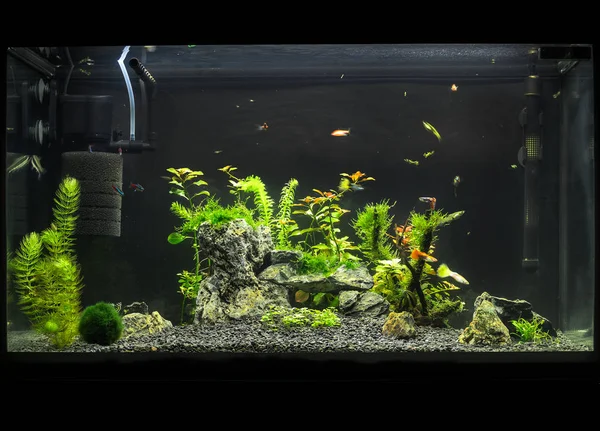
aquarium plants

You often see aquarists use sponge filters in aquariums with baby fish, spawning fish, and dwarf shrimp. They are also popular for quarantine tanks where sick or weak swimming fish need gentle filtration to maintain proper water quality.

Sponge filters are 100% fish safe. They are powered by an air stone that is attached to the top. The suction power is very minimal as the sponge’s surface area dissipates the filter’s power over a wide area.

All of this extra surface area also allows beneficial bacteria to set up colonies. Sponge filters are excellent biological and mechanical filtration systems!

Undergravel Filtration System

Another way of preventing fish from getting stuck to filter intakes is to choose an undergravel filter. Undergravel filters don’t have an intake near the water’s surface.

Instead, water is pulled through the gravel, which acts as a giant mechanical filter pad. Dirty water is strained by the grains, trapping dirt in the substrate and under it. And then sent back to the fish tank from below!

The only way a fish could get trapped using this method is if they are a burrowing fish species. Loaches and catfish can sometimes get stuck under the plates of an undergravel filter. Getting them out from under these plates can be very difficult (and messy). But it is never fatal for these fish unless they can’t find their way back out.

Since most other fish live above the substrate, you rarely have to worry about this in a normal community tank. Undergravel filters are otherwise fine for small and weak swimming fish.

Walstad Method Planted Aquarium

shot of Aquarium plants

What if we did away with the filter entirely? No filter media, no filter chambers, no power cables running from your fish tank? Walstad aquariums are a great way to stop fish from getting stuck in the filter!

A Walstad setup uses live plants to maintain proper water parameters. It is meant to closely replicate Nature and uses a soil substrate instead of sterile gravel. Live plants and bacteria colonize the soil and process fish waste efficiently. And in the process, they release oxygen, provide habitat, places to spawn, and microfauna for fish to eat!

You do still need to perform water changes sometimes. But much less frequently than with a normal tank. Water changes remove nitrate and other built-up nitrogenous waste products. But in a Walstad system, the plants use the nitrate as fertilizer, locking it away in their bodies.

The only downsides are that you do need proper plant lighting. And at first, the number of fish you can keep is smaller compared to an aquarium with a filter. It takes much longer using this method to achieve a fully cycled tank.

A Walstad aquarium is an intermediate-level project. But if you need to stop fish from getting caught in a filter, know that it is possible to have a tank with no filter whatsoever!

Wrapping Up

Filters are required to remove uneaten food, fish poop, ammonia, and other bits of pollution. But sometimes, you might find that one fish gets sucked up by these life-preserving devices. What action you take depends mostly on why this happened.

Fortunately, if you’ve made it this far, you are armed with enough knowledge to make the right choice!

Related Interesting Reads:

source https://aquariumlabs.com/how-to-keep-fish-stuck-in-filter/

Do Glofish Need a Heater?

do glofish need a heater - blog image

There are hardly any glofish species that are not popular in the aquarium hobby. Glofish are largely tropical fish found in the tropical waters and river basins of South America and other regions like the indo-china water bodies.

Of all the glofish species, there is only one that can withstand cold water at cooler temperatures: the glofish danio. For the other species, you require a heater to ensure the ideal temperature that they need.

Here’s the answer to whether if do glofish need a heater or not and makes some great recommendations if you are keeping glofish.

Do Glofish Need a Heater?

Yes, glofish tetras do. If you are keeping a glofish tetra, your glofish needs a heater in the aquarium.

The standard and the long-finned glofish tetras are genetically modified versions of the black widow tetras, also known as black skirt tetra.

They are tropical freshwater fish. Hence, you would need a heater to replicate their natural environment.

blurry image of Glofish underwater
  • Water Temperature Range: 70°f-82°f.
  • PH Level: 6.0 to 7.5
  • Water Hardness Level: 4-8 dkH
  • Smallest Acceptable Tank Size: 15-gallon tank. They are naturally a schooling fish species. It would be best to keep them in groups. A 15-gallon tank can comfortably take 6 of them.

You can keep them in a 15-gallon tank with a 50 or 75 watts heater. But if you would like to have more glofish tetras in a bigger tank, a 20-gallon tank with a 100-watts heater will work perfectly.

Do Glofish Danios Need a Heater?

Red zebrafish on a dark blue background

No, you don’t need a heater for glofish Danios. Glofish Danios are genetically modified zebra danios. Like Zebra danios, your glofish danio is durable. It can impressively withstand cooler temperatures and other changes in the tank’s water parameters.

They are the only species that can tolerate cooler temperatures.

  • Water Temperature Range: 64°f to 77°f.
  • PH Level: Neutral.; 6.5 and 7.5.
  • Water Hardness Level: 8-12 kH.
  • Smallest Acceptable Tank Size: A 10-gallon tank. Glofish Danios grow up to about 2 inches. The smallest tank size you can use is a 10-gallon tank will take 5 of them comfortably. They prefer to be kept in school, so the bigger the tank, the better for your fish.

If you wish to use a heater, a 50 watts heater will work just fine with the 10-gallon tank, and a 100 watts heater will work just fine with a 20-gallon tank. You can make them happier by going for a longer tank since these small fish love to dart around in the aquarium.

Do Glofish Tiger Barbs Need a Heater?

Tiger barbs in aquarium

The glofish tiger barb is a genetically modified tiger barb. Like the original tiger barb that loves warm tropical waters, the glofish tiger barb is no different. They are also tropical fish. It would be best to have them in a heated aquarium to keep them healthy and within the water temperatures that they prefer.

Tiger barbs are a typical semi-aggressive fish. They usually engage in fin nipping, but you can check the problem by keeping only a sizeable number.

  • Optimal Water Temperature Range: 74°f to 80°f.
  • PH Level: Acidic water 6.0 – 7.0.
  • Water Hardness Level: 4-10 dKH.
  • Smallest Acceptable Tank Size: They are slightly larger than other glofish species. While the recommended minimum tank size for glofish tiger barbs is 20 gallons, it would be best to go bigger with a 30-gallon tank because they are active swimmers and are mildly aggressive.

Like neon tetras, they are also schooling fish, so keeping at least 6 of them is a great starting point. They will get depressed if housed alone; hence a community tank would be better if you wish to keep glofish tiger barbs. You will need a 150 watts heater for a school of 5-6 glofish tiger barbs in a 30-gallon tank.

Do Glofish Sharks Need a Heater?

pink  Glofish Sharks in isolated black background

Glofish sharks are the same as red-finned sharks or rainbow sharks, except they are genetically modified. Rainbow sharks are warm-water fish. They are native to the water bodies between china and India.

They will hardly do well in an unheated aquarium as they love and prefer warm water. A water heater is required to keep the tank water at their temperature preferences.

  • Optimal Water Temperature Range: 72°f to 79°f.
  • PH Level: 6.5 – 7.5.
  • Water Hardness Level: 3-14 dKH.
  • Smallest Acceptable Size: Although a 30-gallon tank is recommended as the smallest tank for glofish sharks, the smallest tank you should use is a 50-gallon tank per glofish shark.They grow up to 6 inches and are very aggressive. They are notorious for their very short temper and are also very territorial as they will fight until there is only one alpha standing. If you keep more than one in the same tank, you would be doing that at your own risk.

You require a water heater to keep the glofish tank warm enough for your glofish sharks. If you decide to keep one in a 30 – 50 gallon tank, a 150 – 250 watts water heater will be sufficient to keep your glofish tank warm enough.

Recommended Glofish Heaters

Logically, some heaters will be too much for small tanks to handle. Another thing you want to watch out for when getting a heater is understanding the heater type.

Here are some recommendations.

Glofish Aquarium Heaters for Small Tanks

PULACO 25Watts Small Aquarium Betta Heater

This is a great pick for small tanks under 6 gallons. It is only 2.7 inches which means it will fit in well without any problems. It is completely submersible, ideal for small tanks but nothing shorter than 1-inch height.

Tetra HT 50 Watts Submersible Aquarium Heater For Tropical Fish

This is another great pick for aquariums bigger than 6 gallons but still within the small tank range. This heater has indicator lights red and green. The red lets you know it is heating, and the green lets you know when the right temperature is attained. You can submerge it in the water fully and even conceal it b behind your aquarium décor as it is very portable.

Glofish Aquarium Heaters for Medium Tanks

HITOP 50W 100W 300W Adjustable Aquarium Heater For Tropical Fish

The HITOP 50W 100W 300W Adjustable Aquarium Heater is the right heater for your medium-sized tanks. Apart from being fully submersible, it is easy to use and even comes with a sticker thermometer to watch the temperature. and a LED light.

Its glass is about 33% thicker than normal glass, making it safer than many other products on the market. It is good for keeping glofish and many other fish warm.

Hygger 100W Titanium Aquarium Heater For Schooling Fish

The Hygger 100W Titanium Aquarium Heater is another great medium tank option. It comes with a thermostat and a thermometer. It is also fully submersible, and it has two hold points where it attaches to the glass surface of your aquarium well. It has an indicator light to show the heating status and a control unit for you to shift the degree units between Celcius and Fahrenheit.

Glofish Aquarium Heaters for Large Tanks

EHEIM Jager Aquarium Thermostat Heater 150W For Large Fish Tank

The EHEIM Jager Aquarium Thermostat 150W heater is made of shatter-proof glass and is also shock resistant. It is fully submersible and can heat your large aquariums effectively. It has a TruTemp dial that regulates the aquarium’s temperature with precision.

Hygger 800W Titanium Steel Aquarium Heater For Glofish Species

The Hygger 800 watts Titanium Steel Aquarium Heater is one of the surest ways to maintain the ideal temperature range in your larger aquariums. It is equipped to service tanks larger than 60 gallons.

It also automatically shuts down when it is not fully submerged or overheats. It also has a fully automatic smart thermostat and is very versatile. It is great for keeping fish warm, especially if you have many fish in your aquarium.

Final Thoughts

For a great experience with glofish in the aquarium hobby, you would need to take proper care of your fish by ensuring that the aquarium water has the proper temperature. Good water quality is also important. A water conditioner, a reliable filter, and a good air pump are some things you need to have to avoid poor water quality.

For community tanks, a few glofish is not ideal. They tend to get stressed and almost always become aggressive to their tank mates. Except for the glofish sharks, keep no less than 5-6 at a time. This is important because most of them are like neon tetras; they are schooling fish.

Related Reading:

Do Glofish need a heater - featured image

source https://aquariumlabs.com/do-glofish-need-a-heater/

11 Human Foods You Can Feed Your Goldfish (Plus, What Foods To Avoid)

What Human Foods Can Goldfish Eat - Blog Image

Goldfish are omnivores, and they share a lot of foods with humans: especially plants and vegetables. But not all human foods are safe for goldfish.

Knowing what human food goldfish can eat is a great way to improvise for when you run out of supplies for your goldfish.

Read on to find out 11 human foods you can feed your goldfish and what foods to avoid feeding.

What Human Food Can Goldfish Eat?

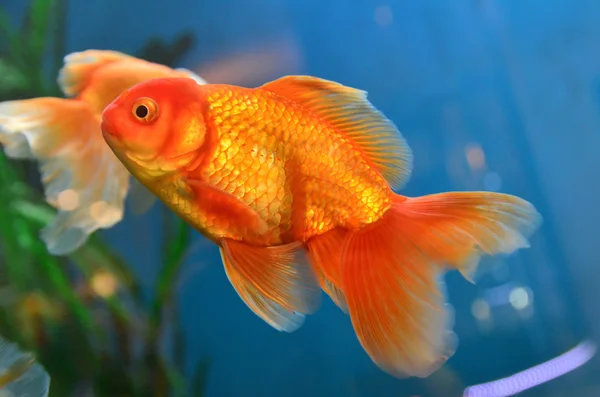
Gold fish in aquarium

Goldfish Can Eat Vegetables

Since goldfish are omnivores, it is only logical that vegetables should constitute your goldfish diet. Most vegetables you can use as safe food for your goldfish are leafy greens.

But not all leafy greens are safe. Here is a list of some to feed and what not to feed.

Spinach

Your goldfish can eat spinach. Spinach is one of the safe leafy greens that offer much nutritional value for your goldfish.

This vegetable contains the vitamins A, C, K, and many other nutrients that your goldfish could benefit from.

Feed your goldfish spinach only as a healthy treat rather than a staple meal. Also, feed only fresh spinach. Cut the spinach leaves into swallowable portions and feed them right before a water change. This is so that you can clean up the leftovers during the water change.

Lettuce

Goldfish can also eat lettuce. This vegetable is one of the few leafy greens that goldfish can eat raw without digestive problems.

To help your goldfish eat lettuce, it would be best to cut the leaves to size before feeding them. Also, you want to avoid iceberg lettuce. They are dangerous for your goldfish.

Kale

You can feed your goldfish kale. Your goldfish can eat this dark leafy green only after it has been blanched, boiled, and shred into pieces.

Unlike many other human foods, kale is usually harder and has to be blanched and boiled for about 5 minutes to soften it. Ensure to cool it in cold water before shredding it to bits for feeding goldfish.

Cabbages

Cabbages are another leafy greens you can feed your goldfish. These densely-leaved leafy greens can be served raw or boiled.

You want to slice them into swallowable bits before you serve them raw. But it is best to serve them cooked.

Soften the cabbage by boiling it for no more than a minute. Slice them into tiny bits and serve your goldfish. Cabbages also work as a healthy treat for your goldfish.

Carrots

Many ripe carrots

Carrots are another great leafy greens you can feed your goldfish. Feed your goldfish carrots. Apart from their nutrients, carrots are great vegetables for fish, especially if you want to bring out their color.

Amongst other useful vitamins and minerals, carrots contain carotene, which can enhance the color of your goldfish.

You need to scrape them to remove the dirt and hairs and wash the carrots to eliminate any harmful bacteria.

Cut the carrots into tiny bits, and remember to boil or microwave the carrots. Cooking the carrots will soften them and kill any other lingering dangerous bacteria.

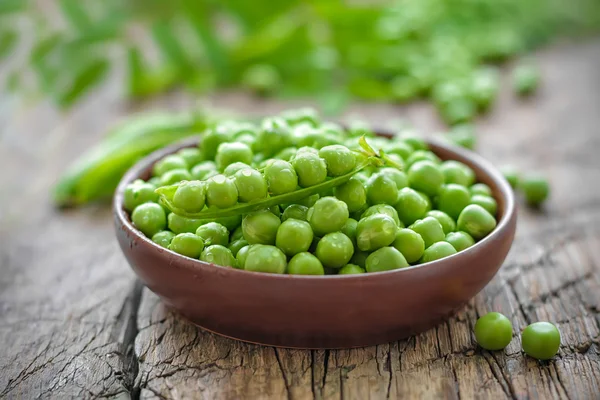
Peas

picture of green peas

Green peas are not leafy greens, but they will work magic for your goldfish if you add them to your fish’s diet.

It is healthy food for your goldfish because it treats health issues like constipation, mild digestive issues, and even swim bladder disease.

Soften your peas either by soaking them in warm water for 1 minute or microwaving them for a minute in a bowl partly filled with water.

After softening your peas, remove the skin because your goldfish can choke on them. You can do this with your fingers. Afterward, cut up your peas into smaller pieces to ensure your goldfish can swallow and digest them easily.

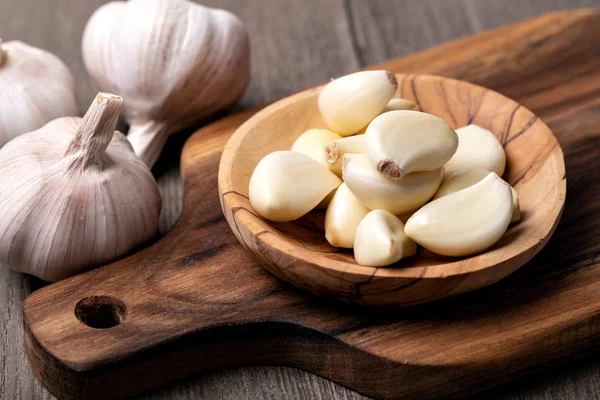
Garlic

Garlic Cloves in wooden bowl

You can feed your goldfish garlic. Make them eat garlic to boost their immune system. Garlic has the properties to kill harmful parasites and bacteria in your goldfish.

Garlic can also increase your goldfish’s appetite.

Although beneficial, garlic is one human food that should be given to your fish sparingly. It can become toxic if you make them eat garlic too frequently.

You can feed your goldfish garlic either by chopping it into tiny pieces and dropping it in the fish tank or grinding it into a fine powder that will be mixed with your fish food.

Goldfish Can Eat Fruits

Your goldfish can safely eat fruits as a healthy treat. Unlike vegetables, some fruits are naturally soft and can be fed raw.

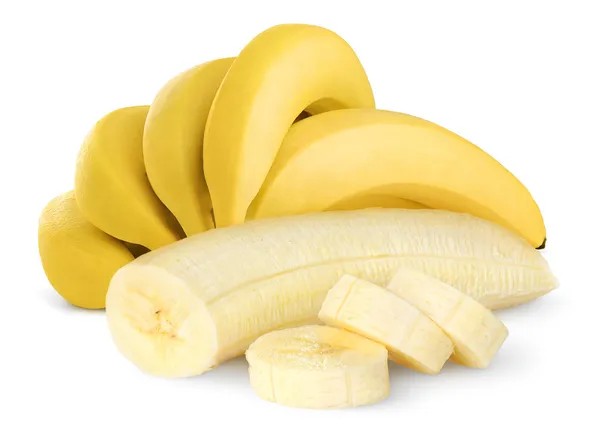
Bananas

whole banana

This fruit is one great human food you can feed your goldfish. It does not need to be cooked.

Unlike many other human foods that sink, bananas do not sink, making them a great option. You can also feed your goldfish with banana peels.

But avoid feeding dirty banana feeds. Also, avoid feeding banana peels if you are sure that the fruit was not organically grown.

Bananas are fruits rich in almost all the vitamins your goldfish needs. It has vitamins B6, C, and many other great minerals for your goldfish.

Bananas are also a good source of potassium and manganese, among many other nutrients. You only need to peel them, cut them up into small slices, and give them to your fish raw.

Slices of Cucumber

This human food is not as nutritious as many other foods, so it should be scarcely fed to your goldfish.

The first step in preparing the cucumber is to wash it and peel off the skin. You can microwave or boil it for a few minutes to make it soft.

Some people feed cucumber slices raw to their fish after peeling the skin off. This won’t harm them as long as the slices are small enough for them to chew without choking on them.

If there is any leftover cucumber at the bottom of the aquarium, do your best to remove it within 24 hours to prevent pollution from decay.

Other Alternatives for Goldfish Food

Oatmeal

Oatmeal is a nice goldfish snack because it is rich in minerals, vitamins, and fiber. It has the perfect blend of almost all the vitamins your goldfish needs. Feed your goldfish oatmeal.

Although your fish can be fed oatmeal raw, it is advised that you either soak the oatmeal in warm water, microwave it, or cook it before feeding your goldfish. This is because your goldfish needs soft food, which is easily digestible.

If you opt to feed your goldfish raw oatmeal, ensure you cut it into small pieces. If you don’t do that, it’ll make the oatmeal harder for your fish to swallow, but it won’t necessarily harm them.

It would be best to avoid oatmeal with flavorings. The recommended quantity of oatmeal for your goldfish is one-quarter-sized oats 2-3 days a week.

Although all forms of oatmeal are in the category of processed foods, you can feed oatmeal to your goldfish.

But you want to feed this human food moderately to keep your goldfish nourished and healthy.

Sweet Potatoes

Unlike many other vegetables, sweet potatoes are a root vegetable. But you can feed them to your goldfish. This human food is very high in fiber, which aids digestion in the goldfish.

However, sweet potatoes should be fed to your goldfish minimally because of their high carbohydrate content. Foods high on carbs aren’t good for your goldfish.

You’ll need to cut the sweet potatoes up into sizes that are not more than one-quarter of an inch big. If it’s thicker than that, it will take longer to cook.

Afterward, you can either bake or boil the sweet potatoes until they’re soft enough for you to put your fork through.

You then immediately remove them and dip them in cold water to stop the cooking process. Letting the sweet potatoes cook for longer will make them mushy, messing up the fish tank.

What Human Food Should Not Be Used As Goldfish Food?

Crackers

You want to avoid feeding some processed foods, and crackers are on the list. Crackers are processed foods high in starch and salt. Crackers are likely to expand in the intestine of your goldfish.

This human food can cause serious digestion issues like constipation. Moreover, crackers add little to no nutritional value to your goldfish. So it is a really bad idea to feed crackers to them.

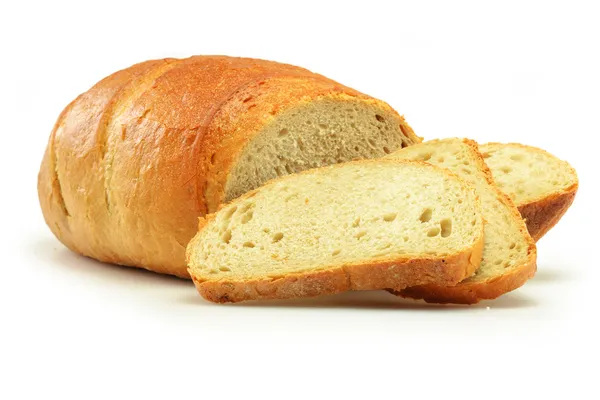
Bread

Loaf of bread isolated on white

Since bread is made from grains, many aquarists feed goldfish bread. While you may notice they eat bread comfortably, it is not ideal to feed your goldfish this human food. Bread is one human food that will expand in your goldfish’s stomach and block crucial passageways.

Digestion issues in the goldfish’s stomach and other related health problems are likely to happen when you feed your goldfish bread.

Bread also adds little to no nutritional value to your fish if you let them eat bread. Do not provide goldfish bread or even let your goldfish eat bread at all for any reason.

It is better to be safe by not allowing your goldfish to eat bread than to risk it and watch the worst happen.

Oil and Fat

Oil and fat are two types of human foods you do not want in your fish tanks. These human foods pollute your fish tanks and pose health risks for your goldfish.

Do not feed your goldfish any fat or oil because these human foods can negatively impact the functioning of your fish’s liver.

While goldfish may obtain energy from fat and even fish oil, it would be best to avoid fat and oil from human food.

If you want to give your goldish some fish oil, it would be best for them goldfish pellets and flakes. These alternatives contain

Rice

Even though some goldfish eat rice and seem to enjoy it, it is not recommended to feed your goldfish rice. If the rice isn’t boiled well, it can expand in your goldfish’s stomach and lead to digestion issues.

Even if you thoroughly boil your rice, it will not offer any nutrients to your aquarium fish. Brown rice can perhaps enrich them with some fiber. But it is safer to avoid rice.

Related: What Happens if I Feed My Goldfish Rice?

Cereals

Cereals should never be resorted to as part of the goldfish diet or treats. Cereals have the same problem as most harmful foods for fish. It can expand in your goldfish’s intestine, leading to digestion problems.

Asides from the possibility of expanding, some cereal products contain shocking quantities of chocolates and other preservatives and additives that are very harmful to your goldfish.

Meat

Variety of meats as appetizers

Human proteins like meat like chicken, pork, beef, and so on are very harmful to your fish because they are high in fat content.

If your goldfish consumes meat, fat will accumulate around the vital organs of its body. It can also lead to problems in their reproductive system.

Unless the meat is an aquatic animal like shrimps or fish, it’s not a healthy food for your goldfish. You should avoid feeding it. Whether it is processed or fresh meat, it would be best to avoid feeding it.

Goldfish Feeding Tips

Here are some goldfish feeding tips to make sure your fish safely eat these alternative foods.

Avoid offering unwashed vegetables and fruits. A thorough wash will prevent the introduction of harmful bacteria into your tanks. Boiling human food also prevents the introduction of bacteria into the tank.

While an automatic fish feeder may seem like a great idea, you will likely have a tank full of rotten, uneaten food. This will change the water quality for your aquarium fish.

Feed goldfish with human food that sinks. Eating on the surface will make them susceptible to bloating and swim bladder disease since they swallow air from the top of the tank.

Feed fresh foods and only feed what your fish can eat in about 120 seconds. If you wish to add any other human food, be sure to wash it and soften it before feeding goldfish.

Also, feed fresh foods as much as an alternative to processed foods. But fresh food here does not include a fish fry or other live food that would otherwise be part of the fish’s natural diet in the wild.

Final Thought on These Fish Food Alternatives

Human food is beneficial to your goldfish. You can always opt for this food list as an alternative to live food.

An automatic fish feeder can, however, be managed with human foods that are slow to absorb water.

You don’t need to fear for your fish fry whenever your regular goldfish food runs out. Ensure these human foods are soft and small enough for your fish to swallow and digest easily.

As omnivores, goldfish will eat human food since human food consists of fruits, greens, and other vegetables that are hardly different from the fish’s diet.

But do not let your goldfish eat bread or any other high-risk grain alternative.

What Human Foods Can Goldfish Eat - Featured Image

source https://aquariumlabs.com/what-human-food-can-goldfish-eat/

How Often Do Koi Fish Lay Eggs? Breeding and Reproduction Care

how often do koi fish lay eggs - blog image

Are you searching for correct information about koi fish and wondering, “How often do koi fish lay eggs?” Unsure about the requirements to raise koi fish from eggs until they reach sexual maturity?

In this article, you’ll learn how often your koi fish can lay eggs and how you can improve their reproduction rate.

What You Should Know About Male and Female Koi Fish

Koi fish are beautiful fish that can be kept in ponds. These ornamental fish are believed to have originated from China, where they were often consumed before becoming a decorative fish for ponds in Japan.

The fish are challenging to keep but can live for over 30 years if kept in a healthy fish pond.

It takes two years for female koi to attain maturity, though waiting before breeding them is best.

Female koi will naturally have a clutch of eggs per year. However, if you want to improve the level of reproduction of your koi fish, there are specific steps you can take to achieve this.

How Consistently Do Koi Fish Lay Eggs?

Koi fish often mate for a long time after maturity. If you properly care for your female koi, she can lay eggs bi-annually, but the number of eggs laid the second time will be significantly lower.

If you plan to spawn koi in an aquarium, it’s important to maintain the same tank conditions found in their natural environment. You should also provide the fish with adequate aquatic vegetation to ensure a safe place to lay their eggs.

Caring for Your Koi Fish

Koi fish have a lifespan that can reach 25 to 35 years if you provide the same conditions found in their natural environment.

As a koi fish owner, you should be ready to spend time caring for your fish as optimal conditions encourage koi spawning.

Koi fish are hardy and easy to care for. Below is a koi fish care sheet for your reference:

Care Level Medium
Temperament Peaceful – Aggressive when ready to breed
Size Up to 36 inches
Lifespan 25-35 years
Minimum Tank Size 240 gallons (908 liters) for adult koi fish
pH Between 7.0 and 8.6
Temperature 65-75° F
Diet Omnivor feeder

Watch the video below for additional koi care instructions:

Distinctive Features of the Male and Female Koi Fish

When koi fish reach the peak of their sexuality at age 4-5, sexing them becomes easier (it’s difficult to tell them apart at the tender age of 2).

Note the distinctive features of female and male Koi fish below:

Male Koi Fish

Female Koi Fish

Body Shape

Long slender body

Short round body

Pectoral Fins

Pointy, nontransparent, and profoundly colored fin

Round, and almost see-through fin

Behavior During Mating Season

Males will try and nudge the female against a hard surface to squeeze her eggs out

Female will release pheromones to signal males

Reproduction and Breeding in Koi Fish

Koi fish typically lay eggs annually. If you want to increase your koi population, it’s important to understand the correct process to breed them in captivity successfully.

The video below provides the information you need for successful breeding:

Sexual Maturity

While you can breed your koi fish at 2 years, spawning at this age isn’t recommended.

It usually takes koi fish 4 years to reach maturity. The female fish are likelier to lay more eggs that survive to adulthood at this age. Female koi also lay more eggs when kept in optimal water conditions.

How Many Eggs Do Koi Fish Typically Lay?

A 2-pound koi fish will typically lay around a hundred thousand eggs in a breeding cycle.

Professionals can typically determine the expected eggs from the size of the fish. A koi fish weighing around 10 pounds could lay over one million eggs.

A healthy one-pound female can lay 50,000 to 100,000 eggs, and many koi eggs survive to the fry stage in optimal water temperatures.

What Are Optimal Spawning Conditions for Koi Fish?

Your fish is likely to spawn annually. Its willingness to breed is often triggered by external factors such as water temperature, water condition, and length of the day in the spring.

An optimal pond setting will enable koi to lay their eggs and improve the odds of fry reaching maturity.

Spawning Pattern

If you plan to breed your koi in captivity, follow the guide below for the best results:

Pre-Spawning

Before the koi fish lays its eggs, male koi fish begin courting the female. If male and female koi fish are kept in the same tank, males often nudge the female.

Spawning

At the birthing stage, the female moves to the shallow edge of the pond to release her eggs. If you keep your koi fish in a tank, the female will often lay eggs in areas of dense vegetation.

Koi fish in aquarium

Providing female koi with a spawning rope helps make breeding easier, so you’ll often notice one or more females on the spawning mats.

Egg Fertilization

The female’s mate will follow her a lot during the spawning stage. When the female releases the eggs, the male releases the sperm on the eggs.

This process might make your tank cloudy, but it’s simply the process of sexually mature males fertilizing the eggs the female lays.

Caring for Your Koi Fish Eggs

Once the eggs are fertilized, move them from the breeding tank to the nursery tank to give the fry a chance to survive.

Moving Eggs From Pond or Tank

feeding koi fish in pond

It’s recommended to move your fertilized eggs to a special breeding tank before hatching to protect the young fry. Koi fish eat their spawn, so when the eggs laid by the female have been fertilized, keep them in a nursery tank to help them survive hatching. This will also keep the fry safe from other fish that may eat the koi eggs.

Koi fish typically spawn annually, and fertilized eggs are often found on pond plants after the female’s mate has fertilized it. The constancy of mating can also determine how many koi eggs breeding females produce.

What Do Koi Fish and Baby Koi Fish Look Like?

baby koi fish

To identify baby koi fish, look for a brownish, almost translucent color with no white spots. They’re often found around spawning ropes, or you may see them around plants’ shallow areas.

Conclusion

Breeding koi fish isn’t easy and requires commitment on the part of the fish-keeper.

When a 1-pound female koi fish lays eggs, there will be roughly 50,000+ koi fish eggs! And if your koi fish lay eggs often, you can have your hands full!

Having the necessary information on koi fish breeding and hatching habits better prepares you for hatching new fry.

After reading this article, we hope you’ll be better equipped to protect your koi spawn from being eaten before they’re hatched. Best of luck!

Related Interesting Reads:

how often do koi fish lay eggs - blog image

source https://aquariumlabs.com/how-often-do-koi-fish-lay-eggs/

10 Fish That Eat Mosquito Larvae But Not Tadpoles

Fish that eat mosquito larvae but not tadpoles - blog image

Pond fish are more than just beautiful residents of our water gardens. They can serve a wide range of roles. Fish eat algae, clean the bottom… And some will eat mosquitoes and their larvae, which can make hanging out by a backyard pond less than fun.

So what are some fish that eat mosquito larvae but not tadpoles? And why is it important that we protect tadpoles in the first place?

Why Is It Important To Protect Tadpoles?

Metamorphosis Life cycle of a frog

You may not be aware, but frogs around the world are in serious danger. Climate change, pollution, and habitat loss are all putting pressure on these ancient vertebrates. So choosing fish that eat mosquito larvae but not tadpoles can go a long way to ensuring more frogs survive to adulthood.

Chytrid fungus is another reason why protecting tadpole populations is more important than ever. This is a disease affecting frogs across species, bodies of water, and continents. It is an amphibian pandemic that is slowly wiping out frogs around the world.

This informational video does an excellent job of explaining in a short time why so many frog species are in danger of extinction. And may give you other ideas on how you can help.

10 Fish That Eat Mosquito Larvae And Not Tadpoles!

1. Mosquito Fish

mosquito fish with aquatic plant in the background

Most fish eat mosquito larvae, but few do so well a job as the aptly named mosquito fish! Gambusia fish are a species of livebearing fish, so they are closely related to guppies, platies, mollies, and so on.

Gambusia fish are found exclusively in North America, mostly in the Mississippi River basin. So there is a good chance they are native fish in your area. These small fish are excellent for ponds because they do just fine in cold conditions so long as the pond is too deep to become frozen solid during the winter.

Besides eating mosquito larvae, gambusia fish also eat algae, daphnia, insect larvae, and anything else they can find growing in your pond. They will have many, many babies, just like their guppy cousins. But they never grow large enough to eat tadpoles.

  • Scientific Name: Gambusia affinis
  • Origin: North America
  • Length: 1 inch

2. Goldfish

goldfish in tank

Goldfish are probably the most popular pond fish in the world. As a larger mosquito-eating fish, goldfish are omnivores. They love not only mosquito larvae but algae, snails, fish eggs, soft plants… But unfortunately, goldfish will eat tadpoles.

However, only large goldfish are capable of eating tadpoles alongside mosquito larva. If you stick to baby goldfish and move larger fish out of your pond as they grow, your tadpoles will remain safe!

Goldfish also get along well with any other fish, even smaller fish like mosquito fish. They will also eat other insects that are too large for your gambusia fish, like dragonfly larvae. And naturally, their brilliant metallic colors make them an eye-catching addition to any outdoor pond.

  • Scientific Name: Carassius auratus
  • Origin: East Asia
  • Length: 8-12 inches

3. Guppies

Believe it or not, the common guppy is not only colorful and easy to keep but an effective predator of aquatic pests like tiny mosquito larvae. They consume mosquito larvae avidly and quickly breed babies that also grow up into hungry mosquito fish.

Sometimes guppies will eat their babies. But in a pond with plant growth and plenty of mosquito larvae, more than a few guppy fry will survive to adulthood.

Just keep in mind that guppies are tropical fish. So they don’t do well with winter in most temperate countries save the extreme south (Florida, Texas, California, etc.). But as summer residents, they will do a great job of keeping your mosquito population under control while adding a splash of color and activity!

  • Scientific Name: Poecilia reticulata
  • Origin: Venezuela & Colombia
  • Length: 1 to 1-1/2 inches

4. Zebra Danios

Zebra Danio

Zebra danios are another small fish that loves to eat mosquitoes and their larvae. Danios are found mostly in South Asia (India, Myanmar, Pakistan, etc.) in temperate regions. So the majority are at least moderately cold-hardy (usually no colder than 50-55°F, depending on the species).

I recommend zebra danios because they love to eat mosquito larvae and are very easy to find and keep. Nearly all aquarium pet stores carry this species of fish because they are hardy and thrive in a wide range of water ph and temperatures.

Zebra danios are considered a model organism for the scientific world as well. They are used widely for genetic and biological research because they are so easy to keep!

Other danio fish can also be kept in cold conditions to eat mosquito larvae. Some other choices you might try include pearl, leopard, blue, and giant danio.

  • Scientific Name: Danio rerio
  • Origin: South Asia
  • Length: 2 inches

5. Barbs

Rosy barb fish

Many fish eat mosquito larvae, but few are as colorful and diverse as the barb group! As members of the Cyprinidae family, they are closely related to danios, goldfish, koi, and loaches. Barbs are omnivorous as well, feeding on anything organic they can find.

Larger species, such as the tinfoil barb (Barbonymus schwanenfeldii), would be willing to eat tadpoles as well as mosquito eggs and larvae. But most species are quite small, ranging from 1 to 4 inches. Too small to eat tadpoles.

You have a large selection of barbs to choose from, even in an average pet store. The rosy barb (Pethia conchonius) is a beautiful, cold-hardy species from Pakistan that eats mosquitoes. But you should choose carefully since many are true tropical fish that don’t do well when the water temperatures get too cold.

  • Scientific Name: family Cyprinidae
  • Origin: South & East Asia
  • Length: variable

6. Minnows

Jewel Minnow

The term “minnow” actually describes a large number of fish – the entire family of Cyprinidae, in fact! So goldfish, barbs, danios, and so on are all technically “minnows.” But colloquially, we think of a “minnow” as any sort of small fish. So small cyprinids that aren’t goldfish, danios, or barbs can all be thought of as “true minnows.”

One minnow to consider is the white cloud mountain minnow (Tanichthys albonubes). These little fish are from Vietnam and Southern China and thrive even when the water temperature gets as low as 40°F.

They do well with other fish so long as you keep them in schools. Most minnows are schooling fish, in fact. Mosquitoes and mosquito larvae are a major portion of their diet.

White cloud minnows aren’t especially colorful, however. So you might try keeping rosy red minnows, which are a vibrant pink and also grow significantly larger (up to 3 inches long). Rosy red minnows are sold as feeder fish for cichlids, turtles, and so on. However, they will live well in an outdoor pond and eat mosquito larvae alongside algae and other detritus!

  • Scientific Name: family Cyprinidae
  • Origin: Worldwide
  • Length: variable

7. Paradise Fish

paradise fish in isolated black background

Paradise fish get their name from their naturally long fins and vibrant blue and red tones. They are one of the first aquarium fish to enter the hobby and must have seemed incredibly exotic at the time. Parasite fish eat mosquitoes as well and are cold-hardy, unlike the majority of their relatives.

Like most fish in the family Osphronemidae (bettas and gouramis), paradise fish also breathe air. This allows them to thrive in the same oxygen-poor environment that mosquito larvae and other insects live in to avoid predatory fish. So eating mosquitoes is something of a specialty for these fish!

Just keep in mind that paradise fish are fairly aggressive tropical fish. They will try chasing most of their tank mates around and are bullies. In a very small fish tank, this can be a real problem. But in a pond, they will have enough space that other fish will be able to avoid them with ease.

  • Scientific Name: Macropodus opercularis
  • Origin: Southeast Asia
  • Length: 4 inches

8. Betta Fish

Believe it or not, common betta fish are some of the best fish that eat mosquitoes you will ever find. They target mosquitoes in all parts of the life cycle, from mosquito pupae to adult female mosquitoes looking to lay eggs at the surface. Bettas are also air-breathing fish and can easily live in hot, shallow water with low oxygen.

Many people think that bettas have to be kept alone because they are too aggressive towards other fish. In truth, they are most aggressive towards each other. Male bettas will attack each other viciously, even other breeds of betta. But they tend to ignore other fish as long as they don’t look similar to them.

Bettas are true tropical fish, however. If your pond is warm in the summer, they can make great temporary residents. But if water temperatures drop below 60-65°F in your area for an extended period, a betta should be moved indoors until the cold has passed.

  • Scientific Name: Betta splendens
  • Origin: Thailand
  • Length: 3 inches

9. Pygmy Sunfish

Sunfish catches in sea

Native fish that eat mosquito larvae are often a bit bland compared to exotic aquarium fish. But the pygmy sunfish group is a rare exception! These North American natives often come in striking blue, black, and brown patterns. They eat mosquito and insect larvae of all kinds. And they will readily survive winter in pond conditions.

The most colorful are the least cold-hardy, including the Everglades Sunfish (Elassoma evergladei). They live in the tropical tip of South Florida, where water temperatures don’t get below 40°F.

Stick to pygmy sunfish when choosing these fish. There are many other sunfish that will live in a pond. And many, like the pumpkinseed sunfish (Lepomis gibbosus), are quite colorful. But these larger species will gladly eat tadpoles as well as mosquitoes.

  • Scientific Name: family Centrarchidae
  • Origin: North America
  • Length: 1 to 2 inches

10. American Flagfish

american flagfish

Last we have the American Flagfish, one of the new native fish that you can find in local pet stores. These are a species of killifish, a group of fish that love to eat mosquitoes and their larvae.

American flagfish are robust in body weight for such small fish. And when looking at them, it is easy to see how they get their name! The checkerboard pattern of spangles in red and greenish-blue is reminiscent of the national symbol.

As a native species that won’t eat tadpoles, American flagfish do well in pond conditions. Just make sure that they have some algae to nibble on since they are true omnivores as well.

  • Scientific Name: Jordanella floridae
  • Origin: Florida
  • Length: 2 1/2 inches

Wrapping Up

There are many other fish that eat mosquito larvae as well. But these are the best options for mosquito population control that you will find in most pet stores.

Each of these fish also stays small enough (except adult goldfish) that tadpoles are in no danger from them. Ensuring that you get to do your part in mitigating the amphibian extinction crisis currently going on!

Interesting Reads:

Fish that eat mosquito larvae but not tadpoles - featured image

source https://aquariumlabs.com/fish-that-eat-mosquito-larvae-but-not-tadpoles/