Can Fish Eat Rice? What Happens If I Feed My Goldfish Rice?

Since rice is found in most people’s pantries, it is tempting to offer if you run out of flakes. Or maybe you have some leftover rice that you don’t want to see go to waste. I remember asking myself these questions too… Can fish eat rice?”

And should it be cooked or uncooked rice? Let’s take a look at what rice has to offer in terms of nutritional value and convenience!

person feeding fish makes us wonder can fish eat rice

Why is Rice a Good Food?

Rice is a seed-bearing grass and excellent food – for humans. But using it to feed your fish is another matter. Humans can easily eat rice because it is easy to grow and thrive in conditions other plants cannot tolerate (flooded paddies full of mud).

Rice is low maintenance yet high yield. And it is very gentle on the stomachs of people with digestive issues because it’s so easy for our bodies to break down.

Here is the nutritional profile found in a single cup of rice (nutritional data for 1 cup of rice sourced from Nutrition Data):

nutritional facts from nutrition data for a single cup of rice

As you can see, carbohydrates are by far the most significant part of what rice has to offer. Human foods often contain loads of starch because carbohydrates are an important part of a balanced diet.

Carbohydrates are the most easily assimilated of the three types of organic molecules (the other two being fats and protein). Carbs give us the quick bursts of energy that our muscles demand. Besides rice, bread, potatoes, pasta, noodles, and other starchy food find their way into cuisines worldwide.

a cup of white rice

Nutrients Found in Healthy Fish Food

But rice starch is not part of a nutritious diet for fish. Think about the kind of plants that provide starch. Besides cooked rice, we grow potatoes, wheat, corn, carob, plantains, and other starchy plants to give us simple energy in the form of plant matter.

piles of potato in field

But few aquatic plants contain loads of starch. A few lilies have starch-rich tubers, as well as Sagittaria, which are often called Duck Potatoes for this reason. But that’s about it.

Pet fish tend to find much more protein and fat in their food. Their digestive system isn’t designed to make good use of starch. In fact, according to this intensive study done by Virginia State University, fish can only obtain 1.6 calories of energy from starch, compared to mammals, which can extract up to 4 calories of energy.

What Do Goldfish Normally Eat?

Goldfish, like humans, are true omnivores. This means that they eat both plants and animals in the wild. Aquatic plants, worms, insect larvae, crustaceans, algae, snails, fish, eggs… Anything they find along the bottom of the tank or pond is fair game for them! So they need an adequate amount of protein and fat, and diversity in their diet to truly do well.

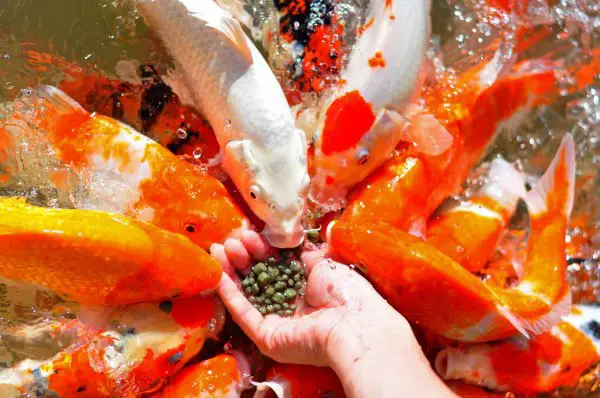
feeding many koi fish in a pond

Goldfish are similar in this way to their larger cousins, the Koi Carp. Koi forage along the bottom continually for anything organic, plant or animal, living or dead. But rice is not something they are likely to find in a natural environment.

Feeding your fish a wide range of live foods, frozen foods, prepared pellets, flakes, and occasional pieces of fresh leafy greens will ensure they stay healthy and happy. Koi and Goldfish will eat just about anything they can fit in their mouths.

Most pellet and flake formulas offer plenty of different food sources, so supplementing them with some plant matter and frozen food will cover all of your nutritional bases!

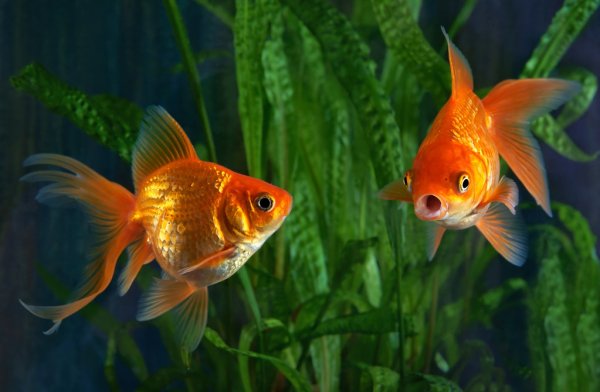
goldfish in aquarium

Can Fish Eat Rice?

Can goldfish eat rice? Absolutely – but should they eat rice? That is the more important question. Unfortunately, offering them carbohydrate-rich foods can lead to several health problems in fish.

Rice is poorly digested since fish need more fat and protein than starch, which leads to intestinal bloating as gut bacteria consume the undigested carbohydrates. This burst in bacterial activity can become severe enough to lead to swim bladder and gut disorders that require medicating, lest your gold

This is a worst-case scenario, though. Generally, feeding rice to pet fish will result in a small amount being digested, with the rest going to waste. And as you can see from the label above, rice has a poor nutritional value when it comes to other elements like protein.

Cooked Rice vs Uncooked Rice

We should not feed rice unless we have absolutely no other choice. And even then, boiled rice is the only real option. Raw rice is far too hard for most goldfish to swallow. And even if they do, offering goldfish rice that’s uncooked can create even more problems.

cooked rice from bowl with chopsticks

Rice absorbs water, which is why it puffs up when cooked. If a fish were to swallow eat rice that’s dry, the grains would continue to absorb water even within the digestive tract. The rice can swell dangerously if the goldfish has overeaten. Enough to block the gut entirely, which is usually fatal. Or lower the water content enough to impede digestion, which is also a big issue.

Instead of rice, I recommend feeding them peas if the goldfish flakes run out! Peas contain loads of protein to balance out the starch and are sized perfectly to be eaten by an adult goldfish.

Simply take frozen peas out of the freezer and boil them for a few minutes (blanching) to first thaw them and then make them more digestible. They are perfectly safe to feed to your goldfish once cooled down and faster to cook than rice.

Wrapping Things Up

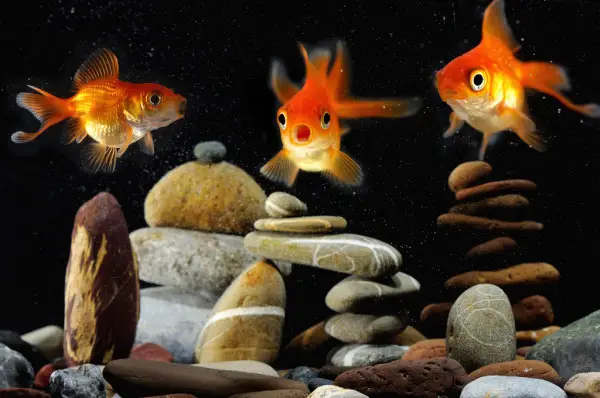
goldfish in dark background

Can goldfish eat rice? They absolutely can; goldfish eat rice like any other item that hits the water. But should they eat rice? Unfortunately, rice is one of the worst foods to feed goldfish in a home aquarium.

The starch content makes it poorly digested, and when it comes to vitamins, protein, and other elements, the nutritional value is very low. When feeding your fish, stick to prepared foods, live food, frozen foods, aquatic plants, and other items goldfish prefer. Save the rice for feeding humans!

Can fish eat rice - featured image

source https://aquariumlabs.com/can-fish-eat-rice/

Do Frogs Eat Goldfish? (About Amphibians and Backyard Ponds)

I find that more and more first-time pond keepers are asking me an important question: Do frogs eat goldfish? You would think it’s more common for goldfish to eat frogs! But believe it or not, larger frogs eat just about anything they can catch. And if you aren’t aware of which species are a threat and how to manage them, you might be serving up a buffet to the local wildlife!

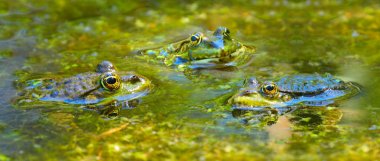
Do frogs eat goldfish as the photo shows of more frogs in a pond

Do Frogs Eat Goldfish? More about Bullfrogs and Goldfish

It turns out that goldfish and other pond fish can be placed in significant danger by adult frogs. Most frog species that visit your pond are of no concern, including toads, tree frogs, Leopard Frogs (Lithobates sp), and other frogs. In fact, they are fascinating to watch, feed on aquatic insects, use your pond as a breeding ground, and add to the biodiversity of your backyard. But the American Bullfrog (Lithobates catesbeianus) is a large predator and a nuisance for backyard pond keepers in the Eastern USA.

Bullfrogs present around your fish pond will lurk along the edges, waiting for something small enough to overpower to come close. Since healthy backyard pond fish are accustomed to moving towards shadows overhead, looking for you to feed them, they are easy pickings for larger frogs.

Most frogs are actually opportunistic in this way, pouncing on and eating anything small enough to overpower. But few are large enough to threaten a mid-sized or adult goldfish. Frogs prefer to eat insects, worms, and other tiny animals. But only bullfrogs get large enough to snatch the odd goldfish.

They can grow nearly 8 inches long and 2 lbs in weight. Bullfrogs will also leap to grab flying insects from the air, overpower small snakes, baby birds, mice, small fish, and even eat smaller frogs!

Getting Rid of a Predatory Bullfrog

Since bullfrogs are a threat to backyard ponds and pond fish, you need to be vigilant. Listen for their distinctive booming call in your area. Even when young, they lack the spots of Leopard Frogs. Bullfrogs are also much larger than other frogs and are hard to miss when camping out along a smaller pond.

A long-handled net and patience is the best way to get rid of them. Or better still, hunt at night using a flashlight. Shining a flashlight directly into their eyes blinds and confuses them, allowing you to grab them by hand or with a trash picker if you’re squeamish!

You can also reduce the frog population of your pond by watching for the egg masses that they leave behind. Like all amphibians, bullfrogs return to the water to spawn.

Other Pond Fish Predators

Outdoor ponds naturally attract frogs since comfortable, calm bodies of water free of competitors are hard to come by. Living near a large natural wildlife pond also increases the chances of frog predation coming up. But there are a number of other nuisance species that can be a significant threat to goldfish.

Predatory birds are a major hazard because they are much larger than frogs. The great blue heron will eat bullfrogs, snakes, small animals, and other goldfish predators. But they also love a juicy fish first thing in the morning, especially goldfish, which are easy to see and have a hard time fleeing in a shallow backyard pond.

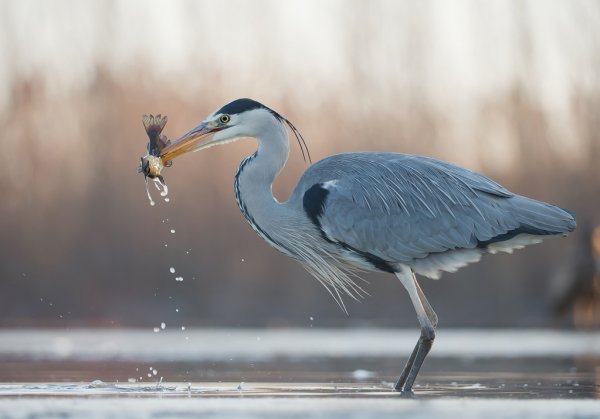
heron standing in the water with a fish caught in it mouth

Since Great Blue Herons prefer hunting around dawn, the only sign that you have one lurking by the time you get up is fish mysteriously disappearing. Herons are even large enough to eat medium-sized Koi fish and adult comet goldfish.

Placing a net over your pond at night is the simplest solution if you have a smaller pond. The net keeps the heron and other such predatory birds from wading in the shallow parts of the pond, encouraging them to move on.

Water snakes, however, will slip right through a net. They usually only eat smaller goldfish, but they are easier to deal with because they tend to live beside their pond of choice. You will see a water snake basking nearby if one has moved in. The majority are non-venomous, save the aggressive and dangerous Cottonmouth (Agkistrodon piscivorus), which should be dealt with only by an expert nuisance wildlife trapper.

Believe it, or not even insects can be a danger! Dragonflies often look beautiful from the surface as they flit about your pond, catching the sunlight. But dragonfly larvae and many other aquatic insects have a predatory stage where they hunt for small animals beneath the surface.

Since dragonfly larvae can be a few inches long, they can easily grab a baby goldfish and consume it. Fortunately, predatory insects are a problem that solves itself. Adult goldfish find them delicious, and the insect population will drop dramatically as your fish grow up.

Will Goldfish eat Frogs?

The mouth of even a large goldfish is much too small to eat anything but the smallest of frogs. Maybe an African Dwarf Frog might be in danger from a goldfish. But goldfish have a very healthy appetite for tadpoles. Even small goldfish will eat tadpoles if they are the right size. A tadpole can swim fairly quickly, but they live along the bottom, right where goldfish prefer to forage.

Other creatures eat tadpoles as well, including pond visitors like raccoons, turtles, and even other frogs. If animals ate frog eggs, it would make keeping them under control much easier. But the eggs of most frogs are coated in a thick, bad-tasting, and often poisonous jelly that repulses predators that try to taste them.

Healthy Backyard Pond Fish

Since bullfrogs enjoy smaller fish, one should choose fish species that are too large to make an easy meal. Adult goldfish and koi are hefty enough to be taken off the menu. Adding other fish besides goldfish can also help keep the frog population under control. Many native fish, such as sunfish and young bass, are expert hunters of frogs and tadpoles (though be aware that adult bass will also eat small goldfish).

Conclusion

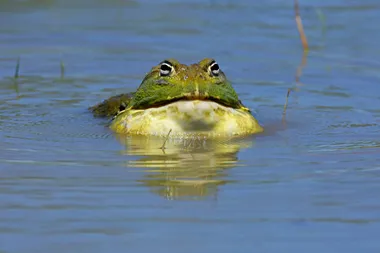
Giant bull frog in a pond

While some frogs enjoy hunting goldfish, that’s only common for large frogs. The majority are far too small to pose a threat to your pond life. Native wildlife, including predatory birds, raccoons, turtles, and snakes, are also something to be aware of. But they can also be managed using the tips here without too many worries!

do frogs eat goldfish - featured image

source https://aquariumlabs.com/do-frogs-eat-goldfish/

How to Choose a Healthy Goldfish?

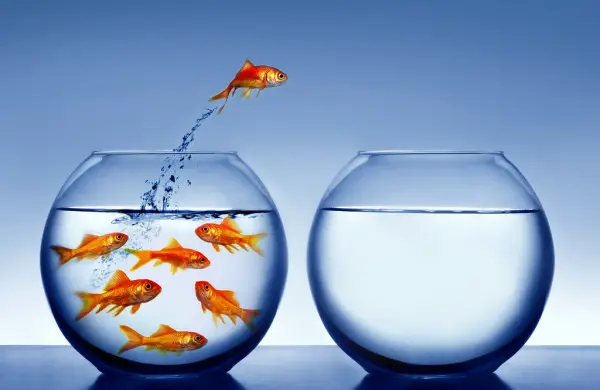
healthy goldfish jumping out from one aquarium to another

Few things are as exciting as new fish day! Choosing a new goldfish is the first step in a relationship that can last decades with proper care. So let’s talk about how to choose a goldfish that you should bring home with you from the pet store!

Choosing a Healthy Goldfish

Always choose a goldfish that is swimming actively around the aquarium. Never select one lying on the bottom of the tank for extended periods, no matter how beautiful it may look. Lethargy is a sign of a deeper issue, such as poor water conditions.

The scales should be colorful and free of excess mucus. However, know a little about the breed you are considering since certain varieties may have odd-looking scales, including Pearlscale and Mirror.

Signs of Stress and Disease

When studying a possible pet goldfish in a pet store aquarium, look closely at its fins and body. Are the fins held upright and allowed to expand on occasion, or are the fins clamped and held closely to the body, as if stressed? Are there marks, including open wounds or missing scales, anywhere on the body of the fish?

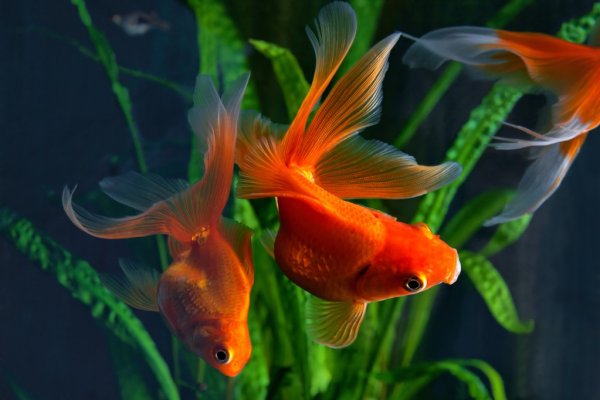
goldfishes in an aquarium with aquatic plants in the background

Diseases like ich or velvet manifest as tiny spots of color on the fins and body. Fin rot and body fungus are also signs that a fish should be avoided. In fact, you should be careful buying any fish from a tank showing signs of ich or velvet because these diseases are contagious and will spread to your fish at home.

If the pet store aquarium shares water through a sump to every other tank in the store, which is common, I’d reconsider because the whole system is infected with the disease. You risk compromising the health of your personal aquarium for weeks by shopping there.

Common or Fancy Goldfish Goldfish?

If you don’t already have a particular goldfish variety in mind, then you may find yourself overwhelmed by the sheer variety of goldfish types for sale! Black moor, oranda, shubunkin, ryukin… An endless array of names spread across the aquariums. To grasp what’s available, we can divide goldfish into two main types: common goldfish and fancy goldfish.

Common varieties include comet goldfish, feeder goldfish, and the shubunkin. These types have the same streamlined body as their wild ancestors. Fancy goldfish include the black moor, oranda, ryukin, lionhead, and other varieties that have been bred for shapes like bulbous eyes or chunky backs.

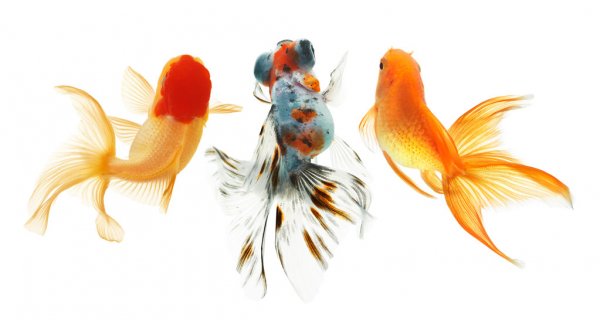
goldfishes isolated in white background

Both kinds of goldfish are easy to care for, need the same water quality, and eat the same kinds of food. But fancy goldfish tend to be a little more sensitive to sudden shifts in temperature because they have been bred in tanks for decades. Their body plan is maximized for side viewing, as is common in aquariums.

Common goldfish do much better outdoors, where temperatures can change suddenly, and overwinter in ponds easily. They are also bred for being most pleasing when viewed from above (just like koi), as you’d expect for a pond!

Fancy goldfish are a little less disease resistant as well because they have been inbred to a high degree. Their genetic variation is less than that of common goldfish, which are more resistant to diseases. Still, it isn’t difficult to cure an illness your fancy goldfish develops with modern fish medications!

Other than that, both types are hardy and long-lived, so you should choose the goldfish type you will most enjoy seeing in your aquarium!

Does My Goldfish Need a Friend?

Goldfish aren’t really social fish. They will root around in the gravel and swim together on occasion. But more often, they are trying to get at a food source that another fish appears to have found. Goldfish usually take an interest in each other only when it is time to spawn.

So feel free to keep goldfish together if you want extra color and have a spacious enough tank! But goldfish aren’t especially social fish and don’t get lonely even if you keep your pet alone. It’s best to provide 10 gallons of space per adult goldfish, with a minimum of a 20-gallon tank for a fully grown fish.

funny goldfish head in aquarium

No bowls! Remember, a healthy adult goldfish can be anywhere from 6 to 12 inches long, and they create a fair amount of waste. With their lack of proper circulation, filtration, and space, Goldfish bowls are out of the question!

How Can I Tell if My Goldfish is Male or Female?

Unfortunately, it is almost impossible to tell male goldfish from females when making a purchase at the pet shop. When they are ready to spawn, males grow distinctive white knobs called breeding tubercles along their heads and gill covers. Females may have a few but never as many as males.

Female goldfish begin to visibly swell with eggs. Even a female from a chunky breed like a black moor will be visibly thicker when ripe and ready to spawn. And any males in the tank will be chasing her around, rubbing their breeding tubercles along her belly to stimulate her.

Unless you’re lucky enough to be in the shop right as a breeding sign is visible, then you won’t be able to tell the sexes apart. The only way prospective goldfish breeders get their fish to spawn is to purchase and raise a few of them together until they naturally pair off!

Getting Your Goldfish Home Safely

So you’ve chosen a healthy, eager goldfish to bring home? Great! Just make sure that when the fish room employee bags your goldfish, they leave more air in the bag than water. They should know this, but many do not: air holds around 100 times as much oxygen as water. Therefore, the air volume is most important for the survival of your goldfish during the trip home. Never let a pet shop employee fill the bag entirely with water.

The flip side of this is that the low water volume means that it will cool extremely rapidly. If you have some shopping to do, that is fine. Simply ask to have the bag wrapped in newspaper, which acts as insulation. Goldfish are cold-water fish, but if it is winter outside, be certain not to linger as the water temperature could plunge dangerously low.

Summary

Choosing a new pet goldfish does not need to be a stressful process! Simply study the external signs, such as how a fish holds its fins, whether you see any marks, and how eager it is for food. And then, to transport it, make sure that the pet store employee places it in a bag properly, so there is enough space for air on the ride home! These tips will ensure that the goldfish you choose will live a long, healthy life in your tank for decades to come!

how to choose a healthy goldfish - featured image

source https://aquariumlabs.com/how-to-choose-healthy-goldfish/

Why Is My Betta Fish Not Eating? 6 Possible Reasons Why

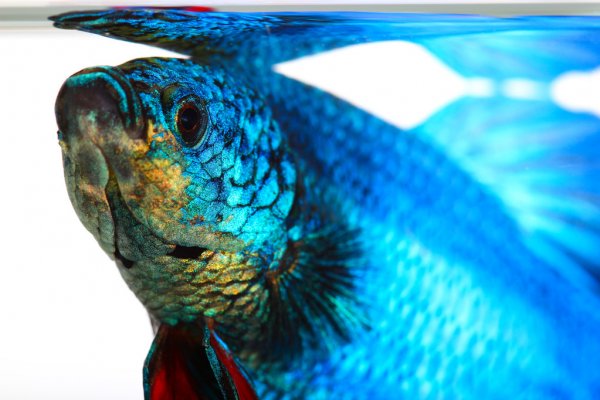
a betta fish not eating isolated on white background

While it’s normal for animals to eat less on occasion sometimes, you may see your betta fish not eating like normal ones. If this goes on for longer than a single meal, then it’s time to consider what the issue is. Sometimes it’s as simple as performing a water change or offering something new and exciting.

But sometimes, it is a sign of something more serious. If your betta fish won’t eat, then let’s discuss some common reasons why his eating habits are disrupted and how to get him feeding normally!

New Betta Fish

Did you just get your new fish home only to find he isn’t interested in eating food? If so, then you may not have too much to worry about. Moving from pet stores to your car for the shaky, dark ride home and then being shifted to a new aquarium with different water parameters is a stressful journey for any fish.

There is so much going on in terms of vibrations, water temperature changes, water quality shifts, and even tank mates that the betta fish may simply need time to adjust. A new betta fish not eating is perfectly normal. And generally, betta fish eat reliably once fully acclimated to their new home, which may take as long as a day. But usually, 4 to 6 hours are all that’s needed before your betta fish is ready to sample the fish food on offer!

Bettas and Poor Water Quality

But what if you have a betta fish that has been established in his home for longer than a few days and is refusing to eat food? One of the most common reasons why betta fish stop eating is because the water conditions are poor quality in some way.

several beautiful betta fish on aquarium

Since we often keep betta fish in a smaller fish tank, it does not take very long for ammonia, nitrite, nitrate, and other noxious chemicals to build up stressful or even dangerous levels. Most betta owners usually are diligent about keeping up with filter maintenance and water changes. But all it takes is a single lapse for water parameters to turn foul. And once this happens, betta fish become lethargic, with clamped fins and a loss of interest in any kind of food.

I recommend always keeping a test kit on hand for your aquarium water. Ammonia is the most important parameter to monitor because high ammonia levels are immediately stressful and even fatal. Fortunately, poor water quality is also easy to fix! A medium to large water change of 40-60% to flush out the poisons and bring fresh tank water in will undoubtedly cause your betta fish to perk up and start looking for food!

Bettas are Tropical Fish

Betta fish are so popular because they are tremendously hardy and can survive in a wide range of conditions. Temperatures from 65-85°F are where they are usually kept; from cold water up to warm, tropical conditions.

But the word to note here is “survive” rather than thrive. In their native country of Thailand, bettas rarely experience water temperatures below 70°F for very long. And when temperatures do get colder, betta fish won’t eat as they are trying to conserve energy.

So an easy fix is to find a heater matched in size for the betta’s tank. Be careful because buying a heater that is too large can cause the water to get dangerously warm and even scald a fish that comes into contact with it. Once your betta tank warms up to around 75-82°F, you will see a marked increase in activity as well as new interest in eating pellets and other usual fares!

Bettas and Other Fish

This may not be your first consideration since many, if not most; betta fish owners keep their bettas alone. People think betta fish are “too aggressive” and need to be separated. When in fact, it’s only male betta fish that need to be separated – and only from each other.

Betta fish with green plants in the background

However, if you do keep your betta fish with tank mates, it’s possible that one of them is causing him some stress. The long, flowing fins of male bettas are sometimes tempting targets for fin nipping fish. And it doesn’t take much harassment for a betta to lose interest in food and start hiding from the bully or bullies.

Common fin nipping fish include danios, barbs (especially Tiger Barbs), and larger tetras. If you only have one of any of these fish, fin nipping is even more likely. Because when fin nippers are kept in groups, they tend to focus all of their attention on one another, leaving long-finned fish alone. So take some time to examine how your betta male moves about the tank and see if he is being harassed.

Is He a Picky Eater?

Generally speaking, being willing to eat too much food is a more common issue for betta fish! Pellets, flakes, frozen foods, freeze-dried food, live food… It’s all good, for the most part! But maybe you have a picky eater – or for whatever reason, he is tired of the same old food you need to make an adjustment to the betta’s diet.

So let’s consider some alternatives to what you’re currently offering for a more balanced diet. Most betta keepers offer pellet food of some sort. Betta pellets are excellent because they aren’t as messy as flakes and provide nutrition in a condensed form. And most bettas are used to them and eat pellets readily. But they may take time to absorb water long enough to be palatable for a picky eater.

Live and Frozen Food

One of the best ways to get a picky eater to relent is to try offering them either live foods or frozen food. These two types are some of the best food blends to keep on hand because they are nearly identical to what a betta fish would normally eat in the wild.

Bettas are carnivorous fish, feeding on aquatic insects, insect larvae like mosquito larvae, crustaceans like shrimp, and even fish fry. But prepared blends, while more convenient, are ultimately cheap food because they often contain loads of starch and vegetable fillers that don’t offer any nutritional value and affect the taste.

betta and other fish aquarium fish food

Live food is great to offer a picky eater. The smell and motion of fresh, living prey are precisely what a bored carnivore needs to give up his fasting. Most aquarium stores carry common live foods include brine shrimp, daphnia, blood worms, blackworms, and tubifex worms. Just be careful when feeding blackworms and tubifex worms because they are particularly high in fat. Large amounts of fat are no better for a betta fish than they are for us. And bettas are known to become so addicted to them that they start refusing pellets and flakes – so offer live worms sparingly.

Betta fish-fed live foods also display better colors thanks to the carotenoids and xanthin pigments found in invertebrates, particularly live brine shrimp, bloodworms, and other bright red and orange or yellow critters.

Freeze-dried foods are some of my least favorite offerings since the freeze-drying process removes some of the nutritional content compared to frozen food. But for many people, it is much more convenient to keep dried foods on hand rather than taking up freezers space. And you still provide nutrients missing in dry food as well as valuable roughage from invertebrate exoskeletons that help betta fish properly digest!

Bettas and New Food

New bettas can also be picky eaters if they are used to a formula that has suddenly shifted once you’ve brought him home. Likewise, if you have a well-established betta fish, yet you’ve decided to shift to a new food source. He may be put off by the shape, taste, consistency, or some other factor, even if it’s better food for him!

Fortunately, hunger is always a good motivator when shifting betta food blends! If he won’t try eating new food, then try offering it again at a later date. Remove any uneaten food from the water column since it will rise ammonia and bacteria if it is allowed to rot. Even if a betta fish refuses to eat for a few days, he isn’t in any danger of starvation. So assuming there are no actual problems to address, try waiting him out to see if he will finally eat the new food on offer!

Signs of Stress and Disease

A betta fish not eating his favorite food may be suffering from stress and/or disease. Since this category is so broad, it’s worth diving into common signs of stress and accompanying diseases to watch out for.

Signs of Stress in Aquarium Fish

Most aquarium fish show the same signs of stress, including bettas. The most common signs include closed-up (clamped) fins, excess mucus, a loss of energy, constant hiding, hanging near the bottom or surface of the tank, and of course, a stressed fish is not eating. A stressed-out or sick fish may not display all of these symptoms, but he will likely show at least a few of them.

A photo of sick betta fish not eating

Common Betta Fish Diseases

One of the most common betta fish diseases is ich. Ich is a parasitic infection caused by a small crustacean that affects many fish. Bettas with ich will stop eating and look as if they have been lightly dusted in salt. The tiny white spores eventually burst, releasing ich spores into the water that go to infect other fish. Ich can be treated with copper-based antiparasitic infections.

Swim bladder disease is another common issue that arises with poor water quality. Swim bladders are prone to bacterial infections in dirty conditions and are often fatal if left untreated. You will need to perform regular water changes and treat your betta with an antibiotic like Melafix.

Fin rot and body fungus are also, unfortunately, very common reasons why you see a hunger strike. These can be bacterial or fungal in nature; bacterial infections usually result in excess mucus and inflamed red veins. Fungal infections look like cottony patches and usually show up on or around injuries. You need to know which you have since medications only work on one but not usually the other. Bettas with mouth fungus will also avoid eating to keep from causing themselves pain.

A Full Betta is a Happy Betta

what if there isn’t any problem at all? What if your betta fish home is clean, the water temperature is warm, and your betta has eaten in the past 24 hours? Perhaps there isn’t an issue to be concerned about. Betta fish get full just like any other animal and go through cycles in their appetites and desires. Other signs of contentment include seeing him working on a bubble nest or having several bubble nests built in anticipation of a mate!

Perhaps your fish not eating simply means that he’s content with his surroundings for the moment but will start eating again at his next meal. However, I would still consider testing your water parameters if your fish is not eating longer than two meals since bettas are usually little pigs and never refuse food! And don’t forget to remove uneaten food as before, to keep water conditions as healthy as possible!

Have an Expert Check Up on Your Betta Fish

If you’ve exhausted the reasons why your betta fish is not eating, then perhaps it is time to take him in to see an expert. That expert might be a veterinarian, or it could be a knowledgeable employee at your local pet store! I recommend also bringing a sample of your aquarium water for them to perform tests on. But keep the water sample separate because your betta will expel ammonia into the bag during travel, which will result in higher than normal readings if tested.

An expert may also be able to identify an issue with the betta’s environment that you are unaware of by asking you about the size of your aquarium, how often your betta eats, whether you offer a varied diet and other conditions.

Conclusion

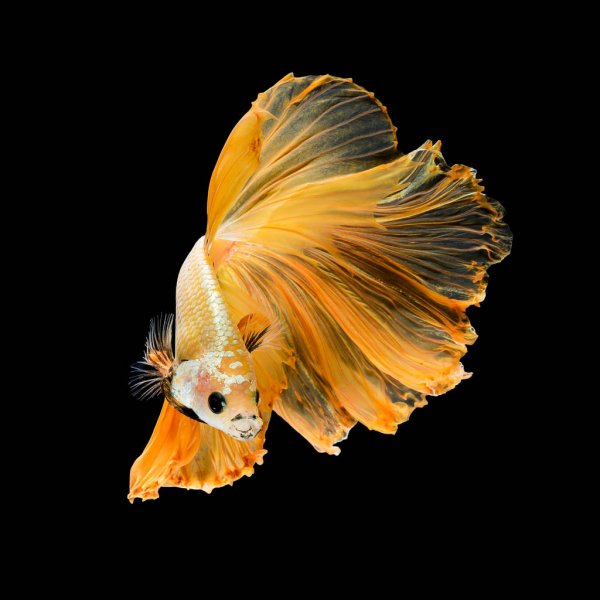
betta fish on a black background

Betta fish not eating may simply be content and not hungry at the moment. But a loss of appetite is also the most common response to stress or disease. Therefore, responsible betta keepers should always take this sign seriously and consider each of the above factors in response to the issue!

betta fish not eating - featured image

source https://aquariumlabs.com/betta-fish-not-eating/

11 Best Cichlid Foods of 2021 for Optimal Growth, Color, and Health

Feeding our fish is one of the highlights of the aquarium hobby! And cichlids, with their active dispositions and eager table manners, are worth offering the very best products to.

These days it’s a crowded market full of excellent pellet, flake, crisp, and stick formulas to look at. And things get further complicated when we consider whether we have fish that eat only meat, only plants, or both…

So let’s take a moment to consider the best cichlid foods on the market right now. And then we’ll break down what cichlids eat and how to provide the best nutrition for them!

the best cichlid foods of an exotic freshwater fish in an aquarium

The Top Cichlid Foods of 2021

  • Fluval Bug Bites
  • Hikari Cichlid Gold
  • Tetra Cichlid Cichlid Crisps
  • Northfin Food Cichlid Formula
  • Omega One Super Color Sinking Pellets
  • Northfin Food Veggie Formula
  • Aqueon Cichlid Food Pellets
  • TetraCichlid Floating Cichlid Pellets
  • New Life Spectrum Cichlid Formula
  • Omega One Veggie Rounds
  • TetraCichlid Floating Sticks

What Do Cichlids Normally Eat?

Herbivorous Cichlids

Many cichlids are herbivorous fish. As herbivores, they eat primarily aquatic plants and algae, which are rich in essential vitamins. Saltwater fish find ocean kelp palatable for the same reason – and seaweed, nori, and other sea vegetables are an excellent source of food for herbivorous cichlids!

african cichlids in aquarium

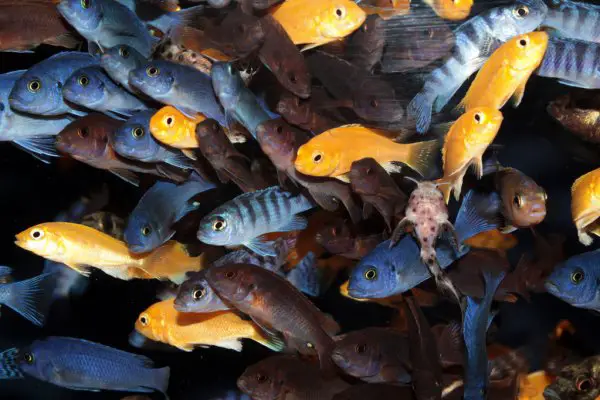
You can often identify an herbivore if it has flat, scraping teeth and a downturned mouth used to pick at plants and hard surfaces. Examples of herbivorous species include Tilapia, Malawi cichlids like the Mbuna (rock algae grazers), and the Lake Tanganyikan Tropheus genus.

Carnivorous Cichlids

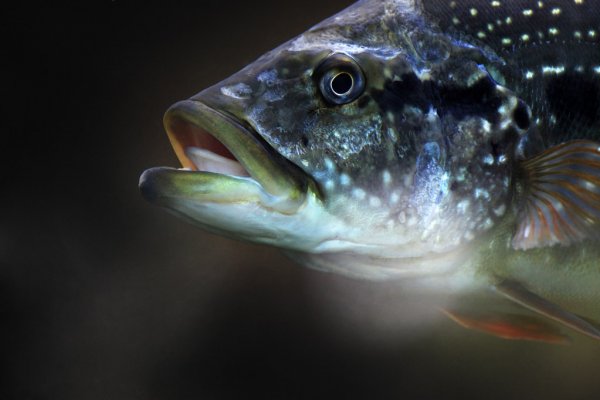
Carnivorous fish, on the other hand, have evolved to hunt down other animals for food. Many are mid-water-feeding cichlids since they need to be constantly on the lookout for smaller prey. They often have lean, powerful bodies built for sudden bursts of speed and wide mouths filled with sharp teeth.

herbivorous cichlids on a dark background

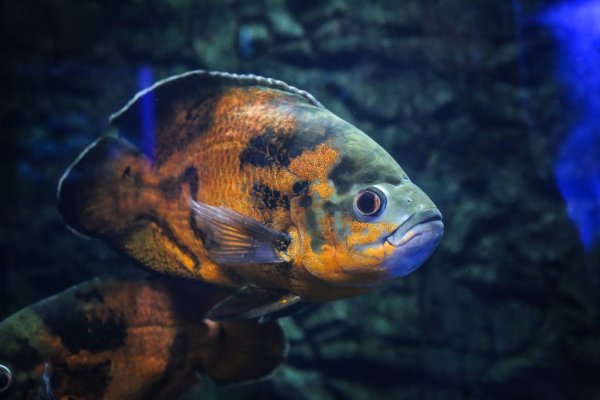
Since they feed primarily on animals, carnivores need higher amounts of protein in the fish’s diet than herbivores do. Well-known carnivorous cichlids include Oscars, Jaguar Cichlids, and Peacock Bass!

Omnivorous Cichlids

Omnivorous cichlids are very common, both in the aquarium hobby and in the wild. They will eat a little bit of everything to satisfy their appetites. Worms, plants, other fish, algae, insects…A varied diet is what they thrive on, just like us humans!

Aulonocara carnivorous fish

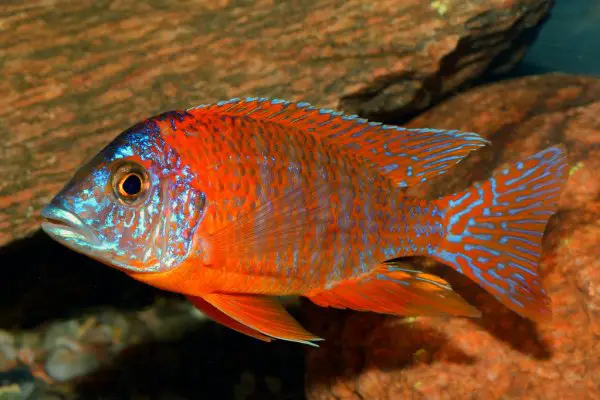
Omnivores are also variable in how they look, so they can be harder to identify at times. But a few common examples include Peacock cichlids (Aulonocara sp.) and Electric Yellow Labidichromis!

Selecting the Best Fish Food for Optimal Cichlid Growth, Color, and Health

What Sources of Nutrients are Best for Cichlids?

Something I always recommend doing is getting used to reading the nutritional labels on fish food. As with human food, manufacturers have to list what goes into a prepared cichlid formula.

The best food for cichlids comes from ingredients that are close to what they would find in nature. For example, protein sources are especially important to understand. Lower quality fish food blends sometimes skip them entirely, use tiny amounts of fish, or use inferior protein sources like soybean. While soybeans are rich in protein, plant protein is a poor substitute for the insects, worms, and fish that the bodies of omnivorous and carnivorous fish expect.

Protein is used for muscle building and repair and is a structural component for most major bodily systems. Even vegetarian fish need protein for the above reasons, though they can make better use of plant-based sources than others.

Nutrient sources matter. That said, there are several more essential nutrients to look out for when shopping for a good cichlid formula!

various multi-colored cichlids in aquarium

Other Important Nutrients for Cichlids

Carbohydrates

Besides protein and fat, carbohydrates are one of the three most commonly found organic molecules in both human and fish food! However, it is far less useful for fish than it is for us because aquatic plants have very little of it compared to terrestrial sources like grains, fruit, and tubers.

As a result, fish have very little use for carbohydrates. In fact, according to this study by Virginia State University, fish can only extract 1.6 calories of energy per gram of carbs, compared to 4 calories per gram for mammals.

Flour and wheat ears

This can be a problem when hunting for the best cichlid food because so much fish food out there is loaded with potato starch, wheat starch, soybean meal, wheat flour, and other cheap fillers to bulk up the product. If your cichlids are herbivores, this is less of an issue; herbivorous fish are better at digesting starch than carnivores. Bur for predators, you should be looking out for cichlid foods with protein-rich base ingredients like herring meal, salmon fish meal, brine shrimp, and other animal sources.

Omega 3 & Omega 6

Whole salmon and other fish are famous for being a source of food rich in omega-3 and omega-6 fatty acids. But the majority of fish don’t actually create these inflammation-reducing, heart and brain-healthy molecules themselves. They concentrate it on their prey. Natural sources of food rich in these agents include crustaceans, plankton, and algae. All of which are good cichlid food!

Study the ingredients label carefully to identify natural sources of Omega-3 and Omega-6, including whole Antarctic krill meal and spirulina algae.

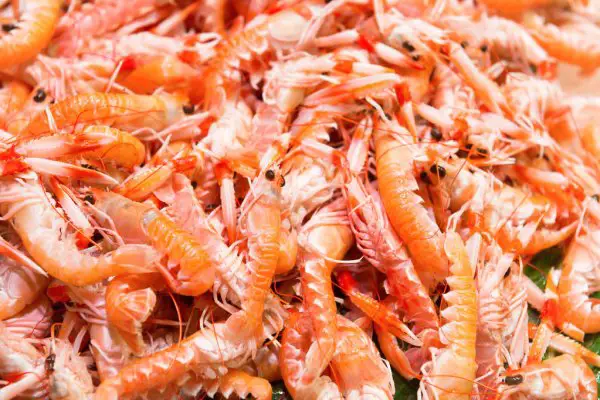
red fresh shrimps as one of the best food for cichlids

Insoluble Fiber

Insoluble fiber is and is not a “nutrient” for animals, including cichlids. Insoluble fiber is often thought of as the “bulk” portion of a balanced diet. Since most animals cannot digest it, it provides roughage and helps move gut contents along, from the stomach to the intestines to expulsion as feces.

Omnivores and herbivores need insoluble fiber much more than carnivores do, with their shortened intestinal tract. Fish foods with insoluble fiber also ensure that digestion doesn’t happen too quickly, and food stays in the gut long enough for all of the nutrients to be extracted.

Pigments & Color Enhancing Agents

Pigments and color-enhancing agents aren’t nutrients in the classical sense; healthy cichlids don’t really require them. But they do ensure that you can fully appreciate their natural bright colors!

This is because many of the molecules fish use to show off to each other are borrowed from the species’ preferred food source. For example, feeding cichlids a diet rich in Antarctic krill and other sources rich in astaxanthin will promote more vibrant reds in your fish.

An electric Blue Ram in a blackwater

Yellow pigments come from lutein and zeaxanthin, also found in crustaceans underwater. But also in terrestrial foods like carrots, turmeric, and egg yolk.

Color-enhancing fish food uses natural and artificial sources of these pigments that are incorporated into the cichlid’s bodies when fed to them!

Salt Levels

Salt is important for freshwater fish and serves several functions in the body, including ion regulation and immune system health. Exactly how important the salt content in cichlid food remains controversial. Some studies suggest that elevated salt levels can slightly boost growth, while others say otherwise.

Since salt is rarely listed as an ingredient in most cichlid food formulas, I wouldn’t pay too much attention to it. Most fish obtain all of the salt they need from their environment, even freshwater fish.

And many fish, including African cichlids, come from bodies of water rich in dissolved salts, such as the African Rift Lakes. So providing trace amounts of salt in the water of your fish tank will do more to keep your cichlids healthy than finding food with trace amounts.

Providing a Varied Diet for Cichlid Health

One of the best ways to keep fish healthy is to provide them with a wide variety of high-quality fish food. We don’t want to rely on just one formula to feed cichlids, no matter how healthy they may be. A balanced diet will include a few good prepared formulas mixed with helpings of live, frozen, and fresh foods! In this way, we can cover the nutritional gaps missed by any one cichlid food.

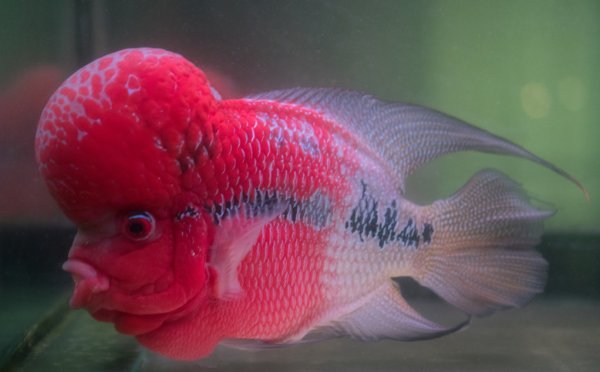
A Flower Horn Cliched fish in aquarium

A good food sampling for an omnivorous cichlid tank might include high-quality carnivore floating pellets, organic kelp, brine shrimp, green peas, and a vegetarian fish food rich in algae meal!

The 11 Best Cichlid Foods of 2021

Now that we’ve covered what nutrients are essential to a balanced diet, we should look at the best cichlid fish food on the market right now!

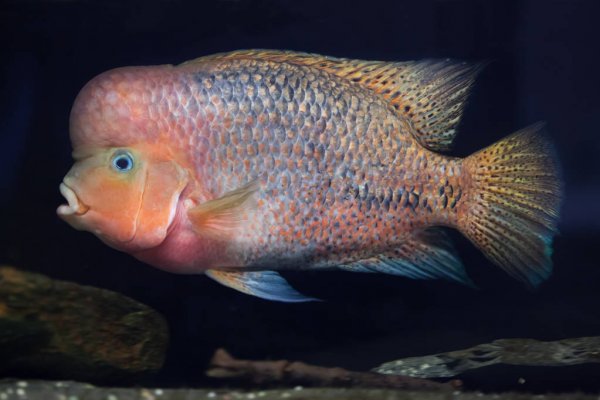
a close-up photo of Quetzal cichlid

#1. Fluval Bug Bites Cichlid Formula for Small/Medium Fish, 1.59-Ounces

The best food sources always include products that are identical to what cichlids would find in nature. Fluval Bug Bites is one of the best cichlid food sources because the main ingredient is black soldier fly larvae, farmed insects that are rich in protein. While Fluval Bug Bites come in various sizes, they are all slow sinking pellets that ensure fish in all regions of the tank can enjoy them.

And to better balance their formula for omnivores, Fluval includes a whole salmon meal for a dose of Omega-3 and Omega-6 fatty acids and fish protein concentrate before adding pea protein and other vegetarian sources.

Ingredients List: Dried Black Soldier Fly larvae, Salmon, Fish Protein Concentrate, Green Peas, L-lysine, Vitamin E supplement, Biotin, Niacin (Vitamin B), Vitamin B12 supplement, Beta-carotene, Rosemary Extract, Riboflavin, Vitamin A supplement

Pros:

  • Main ingredient is insect larvae, a natural food source for fish
  • First three ingredients are all high-quality animal protein sources
  • Highly palatable to most cichlids
  • Low in carbohydrates

Cons:

  • Consistency is fairly hard and takes time to soften

#2. Hikari Cichlid Gold Floating Pellets, 8.8 oz

Hikari Cichlid Gold Floating Pellets are a staple formula in the hobby for aquarists with medium to large-sized cichlids. Whole fish meal (typically herring meal) is the number one ingredient, providing quality protein for cichlids that need animal matter in their diet.

Garlic extract acts as a smell and taste stimulant, which improves its palatability for picky eaters. Spirulina provides fatty acids and stabilized vitamin C, vitamin A, and vitamin D further balance the nutritional profile. And true to its name, the astaxanthin content brightens gold, red, and yellow colors in your fish.

Ingredients List: Fish meal, Wheat Flour, Flaked Corn, Brewers Dried Yeast, Spirulina, Garlic, Stabilized Vitamin C, Astaxanthin, Vitamin A supplement, Niacin, Folic Acid, Vitamin D3 supplement, Biotin

Pros:

  • Astaxanthin for color enhancement
  • Garlic extract to stimulate appetite and boost immune system health
  • Stabilized vitamin C, A, and D

Cons:

  • Ingredients list includes many processed vegetarian sources of food

#3. TetraCichlid Cichlid Crisps

Tetra is a name brand for aquarists for very good reason, and their Cichlid Crisps are one of the best cichlid food sources for diverse sources of protein. Fish meal, yeast, shrimp, wheat gluten, and soybean meal provide a balanced variety of plant and animal-based sources. And the vitamin additives further enhance the nutrient profile!

Ingredients List: Fish Meal, Fish Oil, Dried Yeast, Shrimp Meal, Wheat Gluten, Dehulled Soybean Meal, Algae Meal, Ascorbic Acid (Vitamin C), Niacin, Vitamin E, Vitamin B12, Canthaxanthin

Pros:

  • Wide variety of plant and animal-sourced proteins
  • Enhanced profile of additional vitamins
  • Formulated to be more digestible, creating up to 35% less waste
  • Crisp formula floats longer compared to flakes

Cons:

  • Fewer whole ingredients compared to other blends

#4. Northfin Food Cichlid Formula

Northfin Cichlid Food is popular because it uses no fillers, artificial pigments, or hormones. Just whole animal and plant products, making it the cichlid food of choice for health-conscious aquarists.

These are small sinking pellets 2mm in diameter that are perfectly sized for medium-sized fish. A larger 3mm pellet is also available, and both are fully loaded with a complete spectrum of animal and plant-based nutrient souces.

Ingredients List: Whole Antarctic Krill Meal, High Omega-3 DHA Herring Meal, Whole Sardine Meal, Wheat Flour, Organic Kelp, Spirulina, Garlic, Astaxanthin, Montmorillonite Clay (rich in Calcium), Vitamin A Acetate, Vitamin B12, Niacin

Pros:

  • Slow sinking pellets ensure little goes to waste
  • Diverse spread of fish, crustacean, kelp, and algae-based nutrition
  • Fortified with garlic extract, vitamins, and pigment enhancers

Cons:

  • Pricier since it uses premium ingredients

#5. Omega One Super Color Sinking Pellets

A balanced cichlid fish food contains a broad spectrum of ingredients to appeal to omnivorous palates, as Omega One has done. Coupled with several pigment boosters, the orange, red, and yellow tones in your fish will be more vibrant than before.

Another aspect of this cichlid food that caught my attention is the reduced use of powders and meals. Many ingredients lose some of their nutritional content when dried and powdered, which accelerates oxidizing.

Ingredients List: Salmon, Whole Herring, Wheat Germ, Whole Shrimp, Pea Protein, Kelp, Astaxanthin, Canthaxanthin, Marigold Extract, Natural and Artificial Colors, Vitamin C, Niacin, Vitamin A, Vitamin D3, Vitamin E, Vitamin B12

Pros:

  • Uses fewer powder and meal-based additives, which are less nutritious than whole ingredients
  • Ash and fiber content of 10%, ensuring that 90%+ of the material is fully digestible
  • Great cichlid food for color enhancement

Cons:

  • Fewer whole plant ingredients, making it less suitable for herbivores

#6. Northfin Food Veggie Formula

The vegetarian Northfin cichlid food blend uses fewer but higher quality ingredients for cichlid fish health, like their omnivore formula. Kelp is the number one ingredient, balanced by spirulina, garlic, and a bit of animal protein to give vegetarians a protein boost.

This plant-based formula is the best cichlid food for African cichlids, many of which are primarily herbivorous!

Ingredients List: Kelp, Antarctic Krill Meal, High Omega-3 (DHA) Herring Meal, Whole Sardine Meal, Spirulina, Garlic, Astaxanthin, Montmorillonite Clay, Vitamin A, Vitamin C, Vitamin D3, Vitamin B12, Niacin

Pros:

  • Cichlid food formulated for vegetarians
  • Krill and herring for protein enrichment
  • Montmorillonite clay for calcium, pigment enhancers, and extra vitamins added

Cons:

  • Pricier cichlid food due to its use of whole plant and animal products

#7. Aqueon Cichlid Food Pellets

If you’re looking for an affordable formula to feed cichlids that covers most nutritional bases and uses processed ingredients to extend shelf life, then Aqueon Cichlid Food Pellets is ideal for your needs.

Interestingly, these floating pellets also contain marigold powder. Not only does it have antibacterial and antiviral properties, but it also includes the same yellow and orange pigments that give the flowers their vibrant hue.

Ingredients List: Fish Meal, Wheat, Shrimp Meal, Dehulled Soybean Meal, Squid Meal, Dried Yeast, Wheat Gluten, Fish Oil, Dehydrated Kelp, Chlorella, Vitamin C, Astaxanthin, Spirulina, Garlic, Aztec Marigold, Vitamin A, Vitamin D3, Vitamin B12, Vitamin K

Pros:

  • Powdered marigold for its color enhancing and antimicrobial abilities
  • Floating formula is easier to clean up if some pellets go uneaten
  • Formulated to not cloud the water

Cons:

  • Fewer whole ingredients

#8. TetraCichlid Floating Cichlid Pellets

Since large cichlids eat so much, many aquarists find it better to use a less expensive pellet as the bulk of their diet and enrich it further with whole fish, shrimp, and other ingredients. TetraCichlid Floating Pellets are ideal for this use.

The formula is further enriched with rosemary extract, which has antibacterial properties and enhances the smell and flavor!

Ingredients List: Wheat Flour, Fish Meal, Wheat Gluten, Potato Protein, Corn Starch, Corn Gluten, Dried Yeast, Shrimp Meal, Soybean Oil, Monobasic Calcium Phosphate, Lecithin, Algae Meal, Niacin, Vitamin A, Yeast Extract, Canthaxanthin, Rosemary Extract, Vitamin K

Pros:

  • Rosemary extract for immune health and flavor boost
  • Affordable formula for large cichlids
  • Floating formula that does not cloud the water

Cons:

  • Fewer whole ingredients relative to other brands
  • Wheat flour as number one ingredient

#9. New Life Spectrum Cichlid Formula

New life Spectrum Cichlid food is another formula that includes a diverse spread of ingredients to appeal to omnivorous palates. Your fish are treated to fish and shellfish-based protein as well as several varieties of seaweed and vitamin supplements, which boosts the nutritional profile even further.

And the addition of several pigment enhancers makes this an excellent cichlid food for color! In fact, if I were to choose a single pellet formula to feed my fish and nothing else, this would be it.

Ingredients List: Whole Antarctic Krill, Giant Squid, Whole Wheat Flour, Whole Menhaden Fish, Ulva Seaweed, Chlorella Seaweed, Wakame Seaweed, Kelp, Garlic, Ginger, Astaxanthin, Spirulina, Omega-3 Fish Oil, Marigold, Zeaxanthin, Capsanthin, Spinosum Seaweed, Bentonite Clay, Sea Salt, Vitamin A, Vitamin D, Vitamin E, Vitamin B12, Niacin, Vitamin C

Pros:

  • Excellent variety of whole animal and plant products
  • Vitamin additives
  • Color enhancers
  • Garlic and ginger for immune system boost

Cons:

  • A little pricier due to the high-quality additives and ingredients

#10. Omega One Veggie Rounds

If you’re looking for another vegetable heavy food for cichlids, Omega One’s Veggie Rounds are an excellent choice. While they are a little more protein-heavy than other brands, they include plenty of kelp, spirulina, and other plant sources to balance out the meat. This makes them a great protein-packed supplement for herbivore-leaning fish like Tilapia and truly omnivorous cichlids!

Ingredients List: Salmon, Whole Herring, Wheat Germ, Kelp, Rice Bran, Spirulina, Pea Protein, Whole Shrimp, Astaxanthin, Canthaxanthin, Vitamin C, Niacin, Vitamin A, Vitamin D3, Vitamin E, Vitamin B12

Pros:

  • Excellent suite of booster vitamins
  • Mostly whole ingredients
  • Color enhancing pigments

Cons:

  • Salmon and Herring are the main ingredients rather than vegetables
  • No garlic or essential oil additives for flavor and immune system enhancement

#11. TetraCichlid Floating Sticks

Tetra products have been around for a very long time, and many aquarists swear by them! Their TetraCichlid formula is designed to avoid clouding the water while remaining at the surface, waiting for hungry fish. They are sized appropriately enough to fill up a larger fish without anything going to waste.

The main downside is that TetraCichlid’s formula is mostly plant starch and protein once you get past the fish meal. It’s not very diverse and not especially nutritious, even for herbivorous cichlids. However, it makes a great main course so long as you occasionally supplement their diet with fresh and frozen food!

Ingredients List: Fish Meal, Wheat Germ, Dried Yeast, Wheat Starch, Wheat Gluten, Potato Protein, Corn Flour, Dehulled Soybean Meal, Soybean Oil, Algae Meal, Vitamin C, Niacin, Vitamin E, Vitamin A, Vitamin K, Vitamin B12, Vitamin D3

Pros:

  • An affordable formula that has been on the market for decades
  • Floating sticks are ideal for feeding large cichlids with little mess

Cons:

  • Sticks take time to absorb water and soften
  • Formula is mostly processed grains and starch

Wrapping Things Up

Which is the Best Cichlid Food for Me?

Each item on this list is suitable for someone out there! But as a lover of whole animal and plant ingredients and a minimum of preservatives and powders, I have to give the nod to Northfin Food Cichlid Formula. The ingredients are all top quality and perfectly balanced to meet the needs of any carnivore or omnivore. And if you have a tank full of vegetarians, the Northfin Food Veggie Formula is just as good!

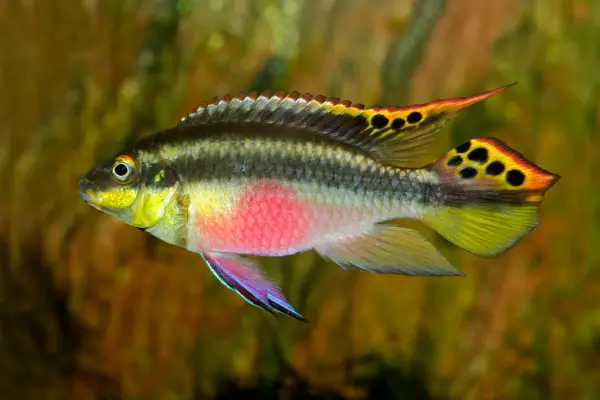
a photo of Kribensis or Purple Cichlid

What if I Want to Save a Little?

Northfin products are premium and priced accordingly. Therefore, I recommend taking a close look at Omega One Super Color Cichlid Pellets. Their formula covers all of the right bases, netting you color enhancers, vitamins, and both animal and plant protein.

But if you have a fish tank full of carnivores, Fluval Bug Bites pellets are hard to beat, thanks to their primarily animal-based formula!

FAQs About Cichlid Food

a cichlid feeding fish in aquarium

How Much Food Should I Feed My Cichlids?

For smaller cichlids, know that their eye is roughly the size of their stomach, so offer food accordingly. Larger cichlids have larger appetites, so you’ll have to provide enough that their bellies visibly swell without overfeeding.

How Often Should I Feed My Cichlids?

Cichlids are fairly active fish and should be fed at least twice per day. Even as adults, smaller cichlids can be fed three times per day, while larger species with slower metabolisms should only be fed twice per day once fully grown.

Do Cichlids Prefer Flakes or Pellets?

Pellets are almost always better for cichlids. Flakes are messier and only suitable for smaller fish.

What Human Foods Can Cichlids Eat?

Cichlids can eat many human foods! If you have carnivorous fish, offer them seafood like white fish, salmon, and chopped shellfish. Small pieces of lean chicken are also acceptable but stay away from beef or pork, which are too fatty and unhealthy for cichlids.

Can Cichlids Eat Vegetables?

Absolutely! In fact, I’d say vegetables are essential for herbivorous types. Lightly boiled lettuce, spinach, and kale are all enjoyable. And for larger species, you can offer them whole peas or corn kernels that have been balanced briefly!
Best Cichlid Foods Featured Image-2

source https://aquariumlabs.com/best-cichlid-foods/
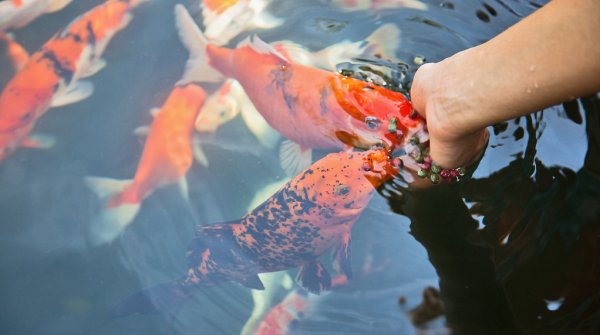
What Fish Eat Seaweed?

what fish eat seaweed

What is Seaweed and Why Do Saltwater Fish Eat it?

First off, you might be surprised to learn that seaweed is not truly a plant in the sense of a tree or shrub. It is actually a kind of multicellular algae that forms giant branching structures! Unlike most species of terrestrial plants, seaweed is much more simple in its structure.

In fact, they are close in form to some of the first plants that ever lived, which gave rise to terrestrial plants! We usually think of seaweed as being mostly green, but there are also red, purple, gold, and brown algae that form seaweed colonies.

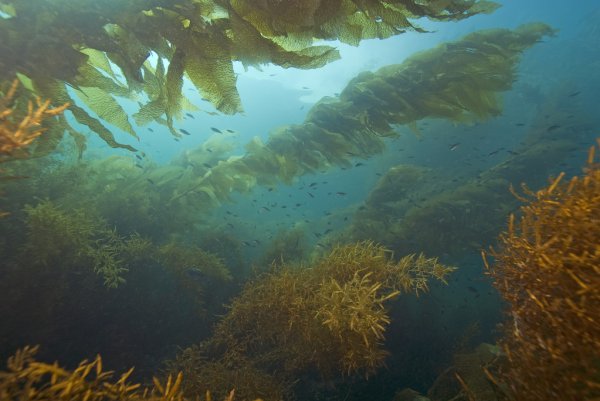
Seaweed is found mostly in coastal regions where sunlight can reach the depths. Since most seaweed has a holdfast to attach to coral and rocks, they need solid ground and sunlight! Coastal regions are also home to a wide variety of fish species as well. Saltwater fish of all kinds can use it as a food source.

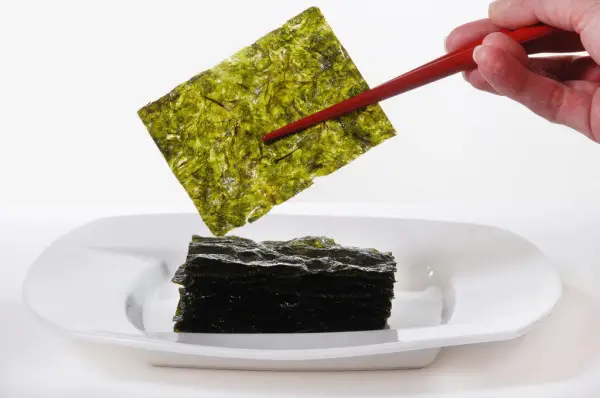
Seaweed is high in iodine, calcium, magnesium, polysaccharides, and fatty acids that herbivorous fish, invertebrates like sea urchins, and even humans need in their diet. If you’ve ever seen or eaten sushi, then you’ve already experienced seaweed in Japanese cuisine. The material used to wrap sushi is called nori, which is a pressed, dried seaweed wrap that holds the roll together!

What Do Fish Eat?

Herbivores, Carnivores and Omnivores

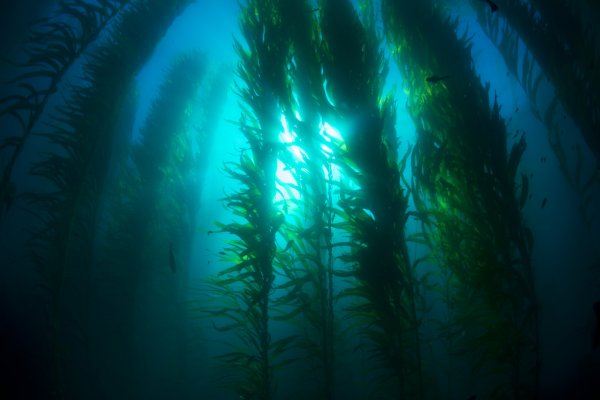
Herbivores are the most common marine fish that eat seaweed. Seaweed can be easily found and even grows into thick forests, such as the kelp forests of the Pacific Ocean and the Sargasso Sea of the Atlantic Ocean. Any animal that eats exclusively plants can be called a herbivore. Herbivorous fish that you can find at aquarium stores include Tangs, many Angelfish, Lawnmower Blennies, and Rabbitfish.

Omnivores are the next dietary group. Watch out when reading other fish care guides because the word “omnivorous” is readily misused. People sometimes think “omnivorous” means that a fish will eat anything you offer it, like pellets, flakes, and frozen foods. Guides might classify a Betta fish as “omnivorous” simply because it won’t turn down whatever you drop in the tank. Bettas are carnivores, by the way, and have a digestive system that’s too short to properly break down plants for their nutritional value.

In reality, omnivorous fish eat both plants and animals to varying degrees. In fact, we humans are a prime example of an omnivorous species. Omnivorous fish include Damselfish and Pygmy Angelfish. Feeding omnivores is easy so long as we make sure to offer plant-based foods alongside protein. Fortunately, there are many ways to feed seaweed to pet fish, which we will discuss below!

Last, there are carnivores, which need to eat meat to survive. We often think of predators like Sharks and Tuna, but even small fish that eat only plankton or animal protein are considered carnivorous, including Mandarin Gobies and Royal Grammas. A carnivorous fish should not eat seaweed; they won’t be able to digest it properly, nor will they obtain the right nutrients.

Do Invertebrates Eat Seaweed?

Yes! In fact, keeping species that eat seaweed is one of the best ways to control algae in aquariums! Common algae eaters include hermit crabs, shrimp, crabs, snails, and sea urchins. Many of these invertebrates also feed on detritus, including leftover fish food. But they should still be given algae and seaweed since it contains far more essential vitamins and minerals.

How Can I Feed My Fish Seaweed?

If you have Tangs, Blennies, Angelfish, and other herbivorous and omnivorous fish that eat seaweed, then you’ll need to provide a source of it so they can obtain the right nutrients.

Seaweed is by far the best source of vitamins and minerals that’s identical to what saltwater fish can find in the wild. Nori is inexpensive and very convenient to have on hand. You will just need a plastic clip to keep it submerged. Eventually, the nori will soften over a short period, and your fish can pick it into manageable pieces.

While all animals with a herbivorous diet should be given vegetables, they are especially important for Tangs. When fed improperly, Tangs develop a disease known as Hole in the Head (HITH) or Lateral Line Disease. While it’s not entirely understood how this occurs, there is a strong correlation between diet and hold in the head in Tangs.

eat seaweed

If not fed seaweed, deep pits start to form in their head and the lateral line that runs along their flank in a long strip of scale indentations. Eventually, the disease is fatal if left untreated. Fortunately, HITH can be mostly or entirely reversed if their diet is corrected to include vegetables!

But what if you live in an area where actual seaweed is hard to find? In this case, small pieces of terrestrial vegetables like spinach, kale, zucchini, and many other types of green food can also be used. Just make sure that you parboil these items briefly before feeding in order to soften them enough to be easily chewed and better digested by fish.

Nori does have a single minor downside: it is composed exclusively of red algae in the Polyphora genus. Offering nori is much better than not offering any seaweed at all, but many saltwater herbivores thrive on variety. That’s why I recommend adding dried seaweed supplemental blends that contain Sea Lettuce, Laver, Caulerpa, and other kinds for a nutritional boost.

Feeding Freshwater Aquarium Fish Seaweed

Just because seaweed is found exclusively in saltwater regions of the world doesn’t mean that it’s off-limits for freshwater fish. In fact, it is just as great a food source for them and should be included in the diet of omnivorous and herbivorous fish as often as possible.

Which Freshwater Aquarium Fish Eat Seaweed?

There are many fish that will enjoy seaweed being offered to them! Some of the most common include Mollies, Guppies, Platies, Barbs, and Goldfish. These fish are all omnivorous, with Mollies being almost true herbivores. African cichlids in the Mbuna group are mostly herbivores and love being offered full-sized sheets of seaweed like dried nori.

Remember, seaweed is actually a larger form of algae (macroalgae), which makes it perfect for many species of algae-eating herbivorous fish. Even larger fish like fully grown Koi, Silver Dollars, Plecostomus, and Pacus will gladly devour a full sheet of nori. Greens are required to help food flow completely through the longer digestive system of these fish. The vitamins and especially minerals contained in vegetation are great immune system boosters as well.

Offering seaweed can also help prevent other species of herbivorous fish from eating all of your plants. Many vegetarians will love to eat your soft, decorative plants like Cabomba and Elodea. But if you keep them full of cheaper, more convenient seaweed, then many fish will spare your aquatic garden!

In Summary, What Fish Eat Seaweed?

seaweed produce oxygen

Aquarium fish from both saltwater and freshwater environments love being offered seaweed. And if you keep snails, shrimp, crabs, and other aquarium invertebrates, then you should take a close look into the food they prefer.

Make sure you feed vegetables to your fish every few days as possible in the form of seaweed, nori, and other sources of healthy ocean greens. The health benefit is undeniable!

What Fish Eat Seaweed - Featured Image

source https://aquariumlabs.com/what-fish-eat-seaweed/

How Long Should I Leave My Aquarium Light On?

how long should i leave my aquarium light on

The day is coming to a close, and the sun is starting to set outside. But should you follow the sun’s example and turn off your fish tank lights? Or leave aquarium lights running for longer periods of time?

One of the most common questions I get asked is, how long should I leave my aquarium light on?

The honest answer is: “it depends.”

But one should always keep the lights on a schedule that closely resembles a natural environment. This best meets the lighting needs of fish and plants. Let’s dive deeper into this question, shall we?

Live Plants and Aquarium Lights

While tropical fish are very flexible in how many hours of light you offer them, aquarium plants are much more demanding. 8 hours of light is a minimum for leaving the lights on, with 12 hours of light being better. As you likely know, plants need good lighting for proper photosynthesis during daylight hours, or they will wither and die.

Aquarium Lights and the Color Spectrum

Fluorescent and LED lights are ideal for planted aquariums because they run very cool and can be purchased in an ideal color spectrum. Lights produce specific wavelengths of color, but not all of them are useful for photosynthesis. Proper aquarium lighting for aquatic plants needs to have a color temperature of 6200-6800K.

Unfortunately, many stock aquarium lights have a color temperature that is either too warm (<6200K) or too cool (7000K+). Even if you turn the lights up to maximum power, the plants in your aquarium won’t grow well.

aquarium lighting

How Much Light Do My Specific Plants Need?

The type of plants in your aquarium will also affect how long you will want to leave the aquarium light running. Are you keeping carpeting plants? Floating plants? Something else? Each member of a planted tank community has differing needs.

Aquarists with carpeting aquatic plants should provide them with extra lighting, depending on how intense your light is. Floating plants are a little bit odd in that they love powerful aquarium lighting. But since they are floating right near the surface, they can make the most out of even aquarium lights of standard brightness.

Stem plants like Parrot’s Feather (Myriophyllum aquaticum) and Red Hygrophila (Alternanthera reineckii) are usually the most demanding since they are both light hungry and grow under the water’s surface. They need at least 10 hours of light per day for good growth.

If you are keeping low-light tropical plants like Anubias or Java Fern, then you don’t need to pay as much attention to the hours of light per day. These slow-growing plants will get by with the same amount of light that fish need.

leave my aquarium light

Aquarium Lighting and Algae Issues

Algae growth is an unfortunate reality of owning a fish tank. Sooner or later, everyone has to scrape algae away from the glass. But knowing how aquarium light contributes to algae can make keeping it under control much easier!

Algae need not only light but nutrients to grow. And the more nutrients it has available, the heavier its growth will be. Aquariums with too many fish tend to grow heavier algae loads. In short, lowering the number of hours you leave the lights on, removing a few fish, feeding less, or performing more water changes can keep algae under control.

Algae and Ambient Light Sources

Another source of algae that might surprise you is ambient lighting from a nearby window. Ambient light is at the ideal spectrum that plants and algae need for photosynthesis.

Ambient lighting on top of what your hood is already outputting can be too much, resulting in heavy algae growth. Direct sunlight is even worse at causing algae issues.

If you’re having trouble with problem algae growth, you should reduce the hours a day your lighting fixture is running. And if ambient room lighting is also hitting the tank, I’d recommend either a solid background to block that light or moving the tank to stall the excess algae bloom.

Plants that float along the surface, like Red Root Floater (Phyllanthus fluitans) and those with large, floating leaves, like Red Tiger Lotus (Nymphaea Zenkeri), can also help control algae.

By physically blocking light from reaching it and absorbing extra nutrients when growing, these plants are highly effective at preventing algae issues caused by too much lighting!

cold water aquarium

How Many Hours of Light Per Day for Fish?

As we’ve established, tropical fish and plants have specific light needs. Interestingly enough, the recommended lighting guidelines for fish and aquatic plants are about the same: 8 to 12 hours of light per day!

10 hours is a happy medium in case you have scheduling and power concerns. Or if you aren’t keeping live plants at all, in which case you can use whatever color temperature or lighting intensity you want!

Plants may need different lighting in terms of color and intensity. But fish want the same hours of light to regulate their internal rhythms. Like us humans, fish have circadian rhythms controlled by natural light in nature and aquarium lights in a tank.

A sudden change in the amount of light is very stressful to fish because their bodies have been primed for slow shifts in seasons.

It’s similar to how out of balance you often feel when taking an international trip. The start, stop, and intensity of light disrupts your sleep patterns and leaves you feeling cranky and unmotivated for a few days until your circadian rhythm adjusts.

Lastly, don’t hesitate to provide subdued or even dim lighting for tanks with only fish. Many fish species, especially blackwater fish like Tetras and Angelfish, come from tannin-rich rivers that are tea-colored and extremely dim.

Low light levels help these fish species feel safe and more confident, which in turn encourages them to spend more time out in the open, swimming freely!

Do Aquarium Lights Raise the Water Temperature?

Generally no; when using typical fluorescent lights, you will see little to no increase in temperature. The output fluorescent lights provide is very efficient and transforms electricity into light with little waste.

And LED lighting is even better at creating light without heat. LED lights used to be extremely expensive; too much so for beginner aquarists. But nowadays, there are loads of high-quality LED aquarium lights available that are also very affordable.

But be sure to monitor the water temperature when running incandescent VHO fluorescent and metal halide lighting systems. These technologies are often used for marine reef tanks, professionally planted aquascapes, and other systems where intense light that resembles the sun is needed.

The high output of these types of lighting is incredible, but they also run very hot and can raise the water temperature if left on for too long.

But you’ll only ever run these aquarium lights for special use cases, like shallow-water coral reef aquascapes where you need to simulate the powerful equatorial sun using aquarium light!

What If I Am On Vacation?

If you have a trip coming up, what should one do about the tank lights? Simply leave them on all day with a vacation feeder?

No, as I mentioned earlier, leaving the lights on for extended periods is bad for fish health. Instead, I recommend picking up an automatic timer for your lights.

An automated timer can be set to turn the aquarium lighting on and off at a set time. This way, the tank won’t get too much light while you are away.

An automatic timer also helps regulate the system so your plants can become acclimated to a particular schedule. Plants have circadian rhythms just like fish and adjust their biochemistry to adapt to slow, seasonal rhythms, which light timers simulate!

Can I Leave My Aquarium Lights On All Night?

It is not a good idea to leave aquarium lights on all night. Fish of all kinds need to sleep, and light, even dim or blue light, disrupts their sleep schedule. Many light setups come with blue light bulbs and tell aquarists that you can leave the lights on all night to simulate moonlight using them.

Unfortunately, that’s not true and very bad for your fish. Firstly, the moonlight of a full moon isn’t available every night; it only happens every once in a while. Second, moonlight isn’t blue; it is reflected sunlight and therefore has a similar spectrum.

Nocturnal fish like knifefish and catfish also don’t need you to leave the light on for them. In fact, this will stress them greatly and prevent them from feeding at night as they normally do.

So leave the lights off at night, at least for 8 hours, if not longer!

aquarium

Summary

Whether you are keeping plants or fish in your tank, the vast majority will find 8 to 12 hours a day of lighting to be perfect for their needs. But you will need to adjust the hours of aquarium light you offer if you have fish and plants that need more or less.

Generally, this is done to ensure lighting hungry plants like carpeting and stem plants get as much light as they can.

But remember that while plants crave light, there is such a thing as too much lighting. Leaving the lights running for too long will encourage heavy algae growth, especially in tanks with heavy fish populations or excess nutrients.

And ambient light can also cause issues in a tank near a window lit by the sun.

Lastly, never leave the lights running for so long that your fish don’t get enough sleep. All fish sleep, even nocturnal species. And without a good night’s sleep, they won’t be able to recuperate from the day’s activities or fight off disease normally.

source https://aquariumlabs.com/how-long-should-i-leave-my-aquarium-light-on/

Do Fish Have Backbones?

do fish have backbones

When watching a fish swim, you might be charmed by the grace many species display. While they have entire systems designed to propel them, it’s easy to recognize that their skeleton plays a major role in their movement. Fish seem so fluid and flexible that it begs the question do fish have backbones?!

Vertebrates vs Invertebrates

When diving into the question of fish backbones, we need to first talk about vertebrates and invertebrates. Of the two, all fish are vertebrates. Many fish species don’t have true bones, such as jawless fish, but the majority of aquarium fish do.

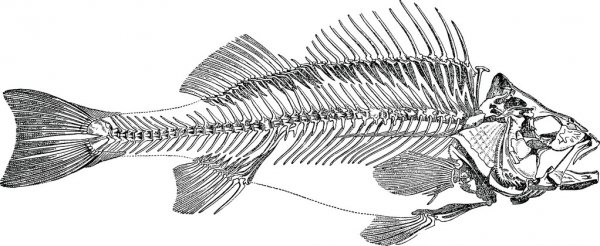
Backbones grow from an internal skeleton structure. This flexible bone support structure surrounds the spinal cord, a bundle of critical nerves that leads to the brain. Ribs, limb bones, and other skeletal components protect vital organs and give muscles a place to anchor.

What Are Invertebrates?

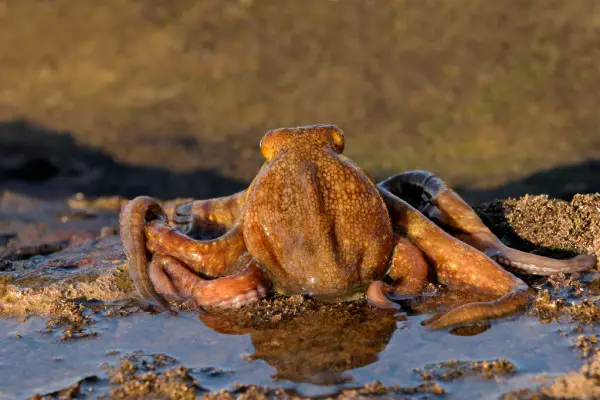
Invertebrates include animals like jellyfish, insects, spiders, squid, and starfish. They are called invertebrates because they lack a backbone.

called invertebrates

Some invertebrates instead use an exterior skeleton (exoskeleton) that acts like a suit of armor. The benefit is that their soft flesh isn’t so exposed to the elements and predators.

But the downside is that an exoskeleton can’t grow along with the soft internal organs. That’s why the majority of invertebrates with hard parts have to shed their skins periodically.

Unfortunately for them, this is dangerous since predators love nothing more than a freshly molted crab or spider that’s soft and defenseless.

Do All Vertebrate Fish Have a Backbone?

Yes, all fish have a backbone of some sort. While it isn’t always made of bones, As vertebrates (chordates), a backbone is the defining characteristic of this group of animals! Their body plan includes a backbone, cartilaginous rod, naked nerve cord, or other main skeletal structure. From this connective tissue, internal organs and other body parts branch out from it.

Chordates (phylum Chordata) is one of the most familiar classifications for animals. It includes not only fish but amphibians, reptiles, birds, and mammals like us! All chordates have a familiar bilateral symmetry that’s very obvious when looking at the skeleton and all their vital organs.

In their eggs, embryonic, or larval stages, all chordates have a primitive notochord that is the precursor to true backbone development. This notochord is similar to that found in tunicates and other primitive chordate ancestors.

fish have backbones

What is the Backbone for in a Vertebrate Fish?

Fish have backbones in order to provide structure and support for their muscles, organs, and the other bones in their bodies. The backbone is used the same way in the bodies of other vertebrates as well, including animals like mammals and birds.

What is the Difference Between Cartilaginous Fish and Bony Fish?

What Are Cartilaginous Fish

The first thing that might stand out to you is the word “cartilaginous,” from the word cartilage. This group includes sharks, rays, skates, and sawfish. Rather than bone, they have softer cartilage to provide structure for their bodies.

Other fish are classified as bony fishes: fish that use bones in their skeleton. This includes the majority of aquarium and game fish.

Many cartilaginous fish also grow their backbones using a very different process from bony fish. Using specialized cells called somites, they form their cartilaginous backbone.

What’s interesting about this is that land-dwelling vertebrate species, including birds, mammals, and humans, use somites to form their backbones.

Bony fish, on the other hand, are unlike all other vertebrate animals. They use a mixture of somites and cells called chondroblasts to form their backbone bone structure.

This suggests that sharks, rays, and other cartilaginous fish are much more than just “primitive fish.” They are very distinct in a number of ways and closer in some respects to land-dwelling vertebrates!

What Are Bony Fish?

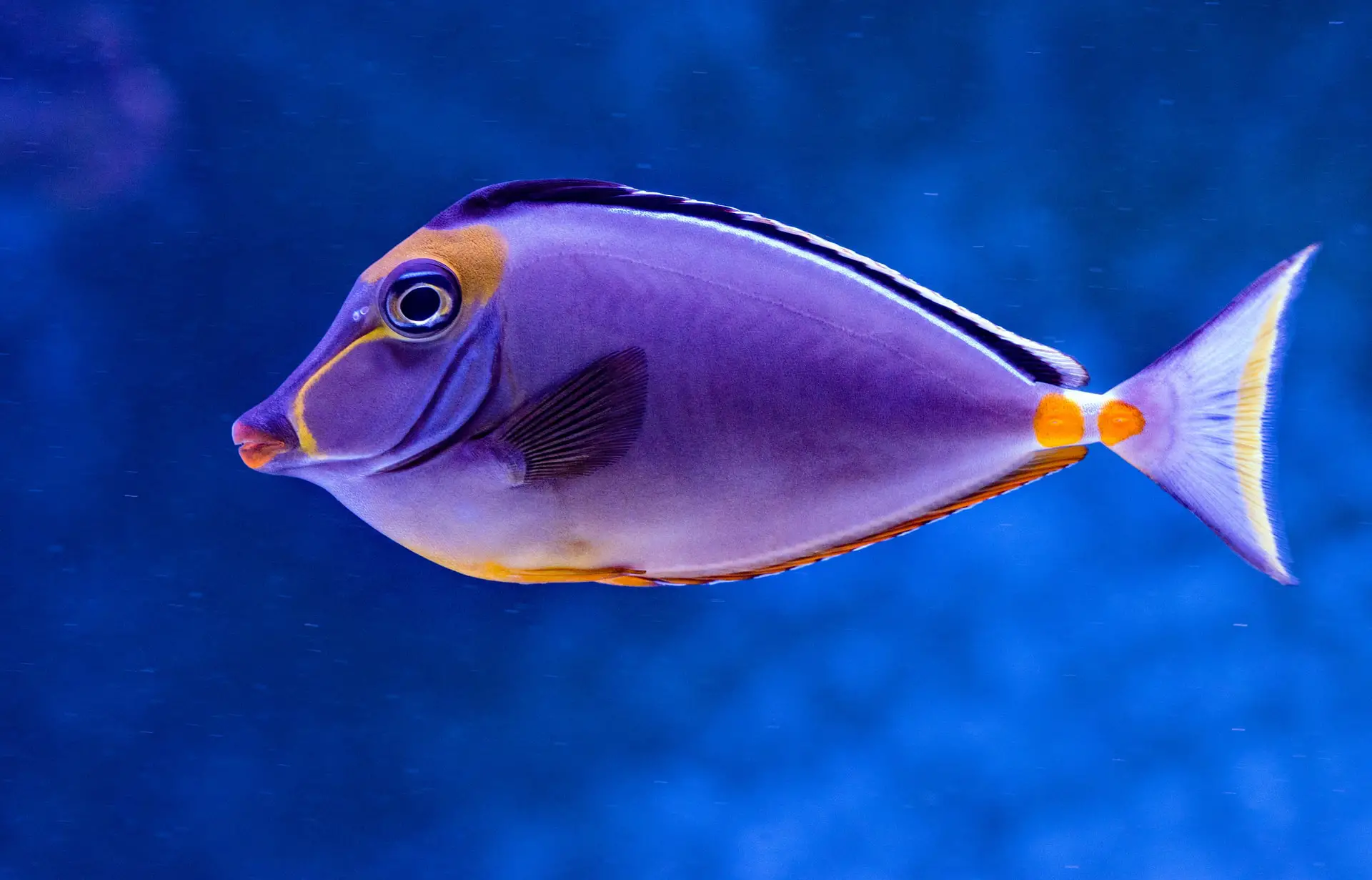
Bony fish have backbones like other vertebrates. There are two clades (groups) within this category: the ray-finned fish, which have thin membranes held up with rays.

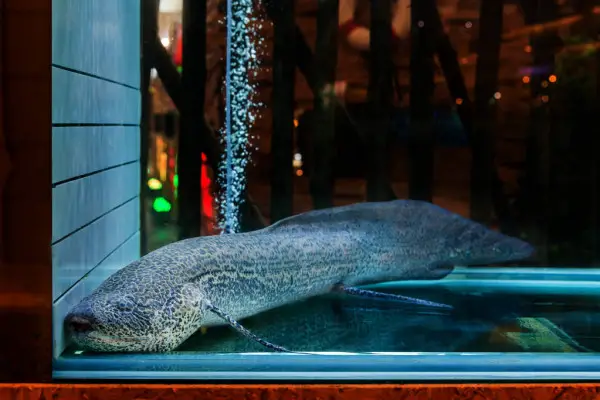
And the lobe-finned fish, which have fleshy paired fins that eventually evolved into limbs for ancestral amphibians. Lobe-finned fish still alive today include the many kinds of lungfish as well as the prehistoric-looking Coelocanth.

live young

The only exception is a bony fish that blurs the boundaries between bony and cartilaginous fish: the hagfish. Affectionally known as the “snot eel,” they are the only animal known with a proper skull yet no spinal column!

They do have rudimentary vertebrae that have almost entirely disappeared. But instead of a spinal column, they have a cartilaginous cord running along their spinal nerve.

Hagfish are also some of the only jawless fish left in the world, alongside the lamprey. The rest were some of the first vertebrates but evolved into different forms or went extinct millions of years earlier.

So why would a fish give up its vertebral column when other vertebrates don’t? The answer is in how hagfish feed and defend themselves!

The snot eel has the ability to literally tie itself in knots! They do so in order to gain leverage when ripping chunks of rotting flesh from dead fish (lampreys prefer live fish).

And if that wasn’t gross enough, they also expel copious amounts of blue slime when they feel threatened.

The slime from a single hagfish can clog a predator’s gill openings and make an entire bucket of water sticky! By losing their backbone, hagfish gained the ability to be impossibly flexible.

Summary

Since fish are vertebrates, the spinal column forms the body’s main structure from which other bones, muscles, and organs branch off from. Therefore, all fish have backbones and rely on them to support their body parts.

Cartilaginous fish and one species of bony fish (hagfish) bend this rule, though, since they rely on cartilage as a support structure rather than a vertebral column like most fish. Other fish have small amounts of cartilage in their skeletons but not nearly as much as cartilaginous ones.

This is the opposite of invertebrates, animals which don’t have a backbone or any other bones. Or they use a tough outer exoskeleton for a defense that needs to be shed in order for the animal to grow.

I hope you’ve appreciated this dive into what makes the vertebral column so essential not only to fish propulsion and evolution but how they compare to other animals and invertebrate species! Let me know your thoughts if any other questions arise!

source https://aquariumlabs.com/do-fish-have-backbones/

Can Fish Swim Backwards?

can fish swim backwards

At first glance, fish seem to all swim in more or less the same manner. They all whip their body laterally and use their tail fin to move forwards and backward… Right? Well, not quite!

Fish actually use five different swimming strategies when moving forward – but what about backward? Can fish swim backwards? And if so, how do they manage this feat? As it turns out, the closer we examine the fish world, the more secrets there are to find!

How Do Fish Swim?

Swimming is actually a very complex task that different fish accomplish in different ways! It involves not only fin movement and placement but how fish direct their bodies relative to the water. Fish use their caudal, pectoral, dorsal, and anal fins in different ways as well.

In fact, there are five types of swimming styles used by fish to swim forward and backward!

The first is anguilliform locomotion, and if you know a little about scientific names, then you might pick up that it’s referencing eels.

Anguilliform swimming involves whipping the entire body sideways, often including the head, in a sinuous, wave-like motion. Eels are the most common example in the world, but hagfish and lampreys are other fish that use this method.

Subcarangiform swimming is different, with the majority of bodily motion concentrated in the rear of the fish. Trout and salmon are fish that uses this style of swimming.

Carangiform swimmers take this one step further, concentrating the majority of their swimming motions in the caudal fin (tail fin) and surrounding muscles. It is very similar to the fourth type, known as thunniform swimming.

Except thunniform swimmers concentrate on side to side lateral motions and are champion distance swimmers. Tuna, swordfish, and sharks are examples of thunniform swimming fish. And their ability to create explosive power and speed by doing so makes them favorites of fishermen!

Finally, we have ostraciiform swimming, employed exclusively by boxfish (family Ostraciidae). These fish are entirely inflexible because they have fused bony plates that prevent their bodies from flexing like other fish.

They instead maneuver using their pectoral fins along with their dorsal and anal fins to propel themselves slowly through the water. What boxfish lack in speed they make up for in defensive capabilities!

How Do Fish Swim Backward?

Which Fish Can Swim Backward?

Nearly all fish backward swim if necessary. Usually, this means that they need to navigate some obstacle or escape the attention of a predator. But some of the best backward swimming fish are electric fish, including species like the Black Ghost Knife Fish and Electric Eel!

As you can see in the example video above, Black Ghost Knifefish swim backward better than most fish thanks to their extremely long, undulating anal fin, paired with their fan-like pectoral fins.

In most electric fish, it’s merged entirely with the caudal fin into one sinuous fin running along the belly and tail. Electric fish species move by undulating this fused anal and tail fin to maintain speeds similar to other fish with excellent maneuverability.

Electric fish are found in rivers where loads of silt and sediment make it impossible to see well. Others are nocturnal as well and feed mostly at night. Since their sense of sight is of limited to no use, they’ve evolved specialized body and tail muscles that create electrical currents.

Since these muscles have a secondary function and can’t be used to move the tail from side to side so easily, electric fish have to use alternative means of swimming.

But the key advantage these fishes have is the ability to find prey and navigate in complete darkness! Most are predators and are capable of sensing small animals that they run into thanks to their electric senses.

They can also find direction underwater and use their electrical field in avoiding predators.

What Fish Can’t Swim Backward?

The vast majority of fish can swim backwards if they need to, though not always quickly or very well. The only fish that can’t swim backwards at all are sharks! While it sounds like a strange oversight, there are a few very good reasons why this is the case.

First, there is the fact that sharks have fairly inflexible pectoral fins that can’t curve upwards or engage in the wide range of motion that bony fish perform when swimming backward.

If you watch an aquarium fish swimming backward, you’ll see it flex its pectoral fins, which sit on opposite sides of its body in a sweeping motion to propel itself in reverse.

Second, most (but not all) sharks have to keep moving forward in order to breathe! They engage in what’s called the ramjet principle because it’s almost identical to how an airplane jet engine works!

Sharks rely on moving forward through the water, forcing water over their gills, which gives them more energy to continue moving. Other fish have to open and close their mouths to force water over their gills but not sharks.

This ramjet principle means that if a shark were to swim backwards, then it would start to suffocate from lack of oxygen! Water is no longer flowing over its gills.

So sharks that use this style of breathing, including the Great White and Whale Shark, have no ability to swim backwards at all.

However, this is never a problem because these sharks live exclusively in the open ocean, where there are never any obstacles that require them to swim backward.

Sharks that live along the bottom, such as Wobbegongs and Cat Sharks, still aren’t very good at backward swimming. But they do have the ability to pull water through their mouth and gills as other fish do.

Do Fish Swim Against the Current?

Fish swim against the current regularly when searching for food. But tuna, marlin, and other thunniform swimmers tend to move with the current to conserve energy as they migrate across vast distances of the open sea.

When moving against the current, the head of fishes is shaped to allow them to minimize drag from water moving in the opposite direction. Sharks also breathe in such a way that they actually benefit from swimming against the current!

Since they use ramjet swimming, swimming against the current means, they are exchanging even more oxygen and carbon dioxide than normal.

And while their pectoral fins don’t allow them to swim backward very well, they do allow them to glide and cut through a current similar to a jet aircraft in the atmosphere. With a moderate current, a shark can swim endlessly, migrating across the ocean to find food to eat, new habitats, or mates.

So, Can Fish Swim Backwards?

As you’ve come to discover, swimming backward is a complex task that not all fish can reliably do! Bony fish are the best backward swimmers, while sharks are the worst since ramjet breathers have to swim forward for oxygen.

Unless you’re on a boat or visiting a public aquarium, you might not get much of a chance to study sharks, tuna, squid, an Electric Eel, or other exotic life.

So the next time your Molly or Tetra swims backward, take a moment to study how its fins and form shift to make the movement possible! There is a lot more going on when moving in reverse than you might guess!

Related FAQ:

source https://aquariumlabs.com/can-fish-swim-backwards/
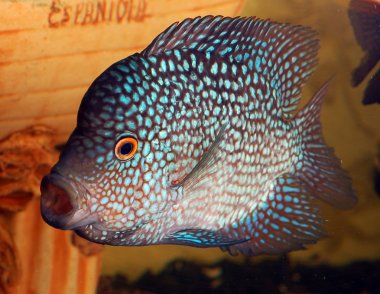
Can Fish See in the Dark?

When the lights go out, and it’s time for your aquarium fish to sleep, most species simply slow down and find a place to rest. But many of you have probably wondered whether your fish actually sleep. After all, they can’t close their eyes…

Do some feed instead? What about active nocturnal fish? Can fish see in the dark? And if not, what do fish do when the aquarium lights go out and night hours begin?

How Do Fish See in the Dark?

As it turns out, some fish can see in the dark! Night vision isn’t exclusive to land predators and humans with the right goggles. Some fish, such as many sharks, also have a version of night vision, with reflective guanine crystals lining the eye directly behind the retina. This allows light to bounce back into the retina, enhancing their vision acuity in low light conditions.

Many animals have senses that we humans lack entirely, and fish are no exception! Fish can see using their eyes, and they can detect sound normally. However, they also have the ability to detect movement and water pressure changes thanks to their lateral line. The lateral line is often visible as a row of pored scales along their sides called neuromasts, running from the head all the way to the tail of the fish.

Even fish that can’t see in the dark may be able to detect obstacles like rocks and other fish using the lateral line. Most fish rely heavily on their eyes, but others, such as the Blind Cave Tetra (Astyanax mexicanus), can use their lateral line along with their sense of smell to navigate in the dark!

detect movement

Other fish species have even weirder senses! Many fish see not only light and pressure but electrical fields as well! Sharks and rays have tiny jelly-filled organs called Ampullae of Lorenzini running along their bodies that sense the faint electrical current created by animal muscles. Even when hunting fish at night, they can lock onto prey without light.

Several aquarium fish species have a similar ability; only they create electricity using specialized organs and cells. The Electric Eel is the most famous example, but many knifefish and the Electric Catfish also do this. Their electric field warps when other fish or barriers pass through it, allowing them to move normally in the dark and catch prey.

Deep-Sea Fish and the Dark

The surface of the ocean is constantly bathed in powerful light from the sun. Yet that light has its limits, and fish living in the sea often have to make use of dim light – or no light at all!

Red light is one of the first wavelengths to be filtered out as sunlight hits the ocean. Within the first few meters, red’s intensity is greatly reduced, and by 200 meters, red light is entirely nonexistent in this zone. Blue light penetrates water the furthest, hence the ocean’s overwhelmingly blue color. But even blue light is absorbed by the immensity of the ocean as you travel deeper into the dark.

fish vision

In ideal conditions, light may penetrate as far as 1,000 meters before darkness takes over. But there is rarely any strong lighting beyond 200 meters; photosynthesis isn’t possible in this zone since many of the most useful wavelengths have been lost.

In the deep ocean environment, fish eyes often evolve to be larger to take advantage of what little light is possible. Fish are often colorless since patterns are of little use. Or they may be a bright red in color! At first, this seems like a strange discovery until you realize that red pigments look black in the deep sea.

Red is effectively a camouflage for deep-sea fish against animals that can see in the darkness. Light occasionally penetrates the dark when bioluminescent animals create it. This light can signal the presence of prey or predators like anglerfish, which use glowing fishing lures to attract meals.

What do Aquarium Fish Do at Night?

In the dark, fish typically slow down and prepare for sleep. But for some fish like catfish and knifefish, the fun is only beginning.

Can Fish Find Food in the Dark?

It’s best not to feed your aquarium fish at night unless they are nocturnal species that are too shy to eat during the day. Nocturnal fish almost always have sensitive olfactory organs, giving them a heightened sense of smell. Catfish whiskers are one example; these fish use them to navigate using both touch and smell in the darkness.

But even fish without heightened organs may be able to find food in the dark. Many smells can be detected much more readily in the water than in the air because water is much denser than air. A strong smell along with changes in the water current can lead fish directly to food, especially in an area as small as most fish tanks.

Many aquarium fish can see in the dark or the near-darkness of your home. If you have faint lighting from computers, street lights, and other plugged-in devices, many fish species can see from that. Catfish often have the guanine layers behind the retina I mentioned earlier; if their eyes shine like a cat’s at night, then that fish likely has night vision!

Should I Leave the Tank Lights Off at Night?

Around 12 hours of darkness is essential for all animals to sleep, and fish are no different. Without sleep, aquarium fish will become increasingly stressed and lose the ability to repair the small amounts of damage that accumulate during the daytime active period.

How Long Should the Tank Lights Stay Off?

There is no set number of hours to leave the aquarium lights off, but 8 to 12 hours is a standard period of darkness. This replicates the natural day-night cycle of the sun that fish sleep depends on. If this cycle is disrupted or made inconsistent in timing, you can see stress responses arise in skittish behavior, dulled colors, and daytime sleeping. Science shows that fish can act very similarly to a human that’s sleep-deprived!

Related: Aquarium Lighting Guide

Some aquarists find that they can’t turn off the aquarium light at a regular time. Perhaps you have a changing work schedule, a family that needs attending to – or you simply forget easily! If you have scheduling issues, then a light timer might be a good addition to your tank.

A timer will give your fish a regular dark period so they can rest naturally. And then, the light also returns at set hours, so their circadian rhythms can attune themselves properly.

sleeping fish

Can I Use Blue Tank Lights at Night?

Blue light LEDs are often sold as a low light feature for aquarium hoods so you can see them “in the dark.” A lot of websites and even fish keepers use them because they believe that blue light isn’t disruptive to fish sleep. Unfortunately, this isn’t true; blue light is actually the main regulator of animal circadian rhythms. It’s why we sell blue light glasses to prevent blue wavelengths from computer screens from disrupting our sleep schedules.

Bathing an aquarium in blue light instead of leaving your fish in the dark isn’t healthy for them. Nor does blue accurately reflect moonlight, as the advertising claims. And even if it did, the full moon doesn’t shine every night. Let your fish normally sleep at night, and they will be healthier for it!

water movement

So Can Fish See in the Dark?

Can fish see in the dark? The answer is that some fish see in the dark, especially predatory aquarium fish, but not all. Most rely on vision along with their ears for sound and lateral lines for changes in the water pressure. Other ways include enhanced senses of smell, touch, and even abilities that we humans can barely imagine, like electrical detection.

And remember that blue LED lights are not wise to use for an entire evening, no more than it would be enjoyable for you. Fish like true darkness for sleeping purposes, and the blue wavelengths are still disruptive to sleep patterns.

So regardless of your fish species, give them a break from the light with a proper 8 to 12 hours of rest. This way, you’ll be greeted by healthy, perky pets in your tank the following morning!

Do-Fish-Sleep-Featured-Image

source https://aquariumlabs.com/can-fish-see-in-the-dark/