Aquarium Labs was started by a group of friends who grew up with fish tank aquariums. Our love for having fish as pets has never ended. We joined forces to write about the topic and help others get started with their own aquariums!
When studying animals, from people to snakes, teeth are some of the first things that we notice. Teeth tell us a lot about the habits of an animal. Does it have sharp teeth for grabbing other animals? Flat teeth to grind and chew up plants? Or a mixture of the two, as omnivores do?
It’s hard to study goldfish and learn about their habits because it’s hard to know for sure! Unlike other fish species, goldfish don’t seem to have readily visible teeth. Or maybe their teeth are just really tiny and hard to see..? Let’s take a closer look at the question of whether goldfish have teeth or not!
Do Goldfish Have Teeth?
You’ll be surprised to learn that yes, they do! Goldfish have teeth and use them regularly. Unlike human teeth, goldfish continuously grow new teeth over time. They aren’t like sharks, which can show multiple rows of teeth at a time. Believe it or not, goldfish lose their teeth occasionally, too, just like we do when we are growing up. The tricky part is that if you look in the mouth of a goldfish, you won’t find a single tooth!
What Do Goldfish Use Their Teeth For?
Just like human teeth, a goldfish’s teeth are designed to help it obtain food and eat. Since goldfish are generalists, they need teeth that allow them to eat a wide range of food varieties. Goldfish eat aquatic plants, worms, snails, fish eggs, small clams, algae, and anything else organic and edible that they find along the bottom of ponds and rivers.
So their teeth are equally generalist, not sharp, like predatory fish. But also not just flat like the ones used by herbivores to grind vegetables. Here is a good video showing you exactly what an old tooth shed from goldfish looks like!
Where Are Goldfish Teeth Found?
If you have been reading this article, trying to find goldfish teeth, and have been unsuccessful, don’t worry! The reason why people struggle to find goldfish teeth is that they aren’t found in a goldfish’s mouth. In fact, goldfish have specialized teeth called pharyngeal teeth.
The word “pharynx” is the clue here, which is the technical term for the area of the throat directly behind the mouth. This means that goldfish have teeth, just not in their mouths.
Unlike other fish species with throat teeth, goldfish have just a single set on the lower part of their throat. They use these teeth to grind food against a tough upper pad of tissue against the top of their throat called a chewing pad.
Tropical Fish with Throat Teeth
This is true not only of goldfish but also of other fish in the order Cypriniformes. This is a large family of fish classification that includes not just goldfish but several popular pond favorites. Koi are also cyprinids – in fact, all species of carp are.
Indoor tropical aquarium favorites like barbs, danios, rasboras, and loaches are also members of the order Cypriniformes. Among other traits, they all also have teeth in their throats and toothless mouths! When watching a Clown Loach or Tiger Barb feed, you’ll see that they chew and swallow in a very similar way to your pet goldfish!
Do Other Fish have Pharyngeal Teeth in their Throats?
Believe it or not, quite a few fish have pharyngeal teeth in their throats. Carp are the most commonly encountered, but cichlids also have teeth in their throats. In fact, they actually have two pairs of teeth! Many have sharp teeth in their front jaws, just like you would expect. However, they have a second set of pharyngeal teeth used to chew and grab their food.
Cichlid and Moray Eel Throat Teeth
Unlike goldfish, cichlids have a pair of pharyngeal jaws that include both upper and lower teeth. Depending on the species, these may be flat teeth for grinding food, as in the vegetarian tilapia, or sharp and designed for tearing prey in predatory cichlids. These grinding teeth can even be human-like teeth, shaped similarly to human molars.
You can even find some saltwater fish with throat teeth! Moral eels are the best example and one of the more interesting ones because their pharyngeal teeth aren’t for chewing. Once prey is grasped in their mouths, they extend their throat teeth to grab and hold tighter onto prey. Two sets of jaws reinforce their bite strength, and the second set pulls their food into their throat!
Can Goldfish Use Their Teeth to Bite?
You have little to worry about from a goldfish biting your finger, looking for a meal! Since their teeth aren’t in their front jaws, they can’t bite you or even other fish. Have you ever tried sticking the tip of your finger inside your fish tank or goldfish bowl? Goldfish have thick, rubbery lips that are rough but entirely toothless.
When goldfish bite, they are actually grabbing onto items using their lips. If they like the taste of what they’ve found, these thick lips pass food back to the throat. If you watch your goldfish eat, notice how they close their lips entirely while chewing. They don’t bite down; they simply start grinding food at the back of their throat until it’s broken down enough to swallow.
What Happens if a Goldfish Bites You?
Since all of their teeth are located in their throat, nothing much! Not unless you have large, fully grown adult goldfish or koi. They might be large enough to be able to swallow a finger and use their pharyngeal teeth on you! However, their teeth are flat and much more of a danger to snails and other aquatic invertebrates than you.
At worst, you’d feel a pinch. But more than likely, nothing at all. By now, you’ve likely trained your goldfish to feed entirely on prepared foods like flakes and pellets. A finger may find its way into a fish’s mouth, but only in an exploratory taste.
Goldfish can’t even bite other types of fish. Remember those thick, rubbery lips? The best they can do is pluck at the fins and sides of their tank and pond mates. Which they occasionally do, especially if a male finds a female ready and willing to spawn with. But a goldfish love bite never results in injury because all of their teeth are safely out of the way!
Do Goldfish Teeth Ever Fall Out?
Goldfish lose their teeth continuously. While they do not have multiple rows at once, like a shark or stingray, they do shed them in order to make enough space for new teeth. Over time the old teeth get worn down and need replacing. So they fall out as new teeth grow in from underneath the old set.
If you’re attentive enough, you might even find lost pharyngeal teeth or see your goldfish spit out old teeth occasionally. This is a useful evolution because it means that they aren’t left with a single set that could be permanently damaged, as we are once we reach adulthood. If a set of teeth gets too worn or damaged, a new tooth will eventually replace it.
Wrapping Things Up
Do goldfish have teeth? The surprising answer is that they do! Goldfish bite, chew and swallow just like most other animals. The difference is that a goldfish’s teeth are found in a different place from other fish. They have a single set of lower teeth located in their throat rather than an upper and lower pair in their front set of jaws.
We’ve also learned that goldfish teeth fall out over time as they wear down from being used to chew hard shells and tough aquatic plants. When that happens, these teeth are spit out and left to fall, which you may discover sitting on the gravel during aquarium maintenance.
Fortunately, you won’t need to make a call to the dentist or veterinarian! Goldfish teeth continuously grow in overtime, and a new set is already in place! So keep any old teeth that you find lying around as souvenirs of your fish’s growth and conversation starters for people unaware of a goldfish’s teeth!
Aquarium powerheads are tools that not every beginning aquarist thinks about at first.
You might think that the flow generated by your hang on the back power filter is more than enough. But for aquariums with complex interior layouts or larger aquariums, a filter may not allow dead zones of cold, de-oxygenated water to be fully turned over.
Powerheads also offer several benefits to current and flow-loving pets, which we will discuss in this 2021 Buyer’s Guide! Let’s dive into the fascinating world of aquarium powerheads together, shall we?
Aquarium powerheads do something that appears simple at first glance but actually provides a ton of benefits for any freshwater or marine aquarium. They are water circulation pumps that aren’t (usually) attached to a canister or power filter. The sole purpose of an aquarium powerhead is to sit in your tank, draw in water, and push it right back out with force.
This current is the main draw. By acting as a circulation pump, a powerhead can mix layers of water that were previously dead zones in your tank. In smaller aquariums (30 gallons and under), this is rarely an issue with a standard power filter. Even an airstone can provide enough current to force mixing of all layers.
But in a larger tank (55+ gallons), a filter may not be enough to mix water throughout the entire tank evenly. Especially if the filter is rated for a smaller tank or the outflow is obstructed somehow. Water can pool behind decorations, on the opposite end of the tank, and in other spots.
These “dead zones” of no water flow can become depleted in oxygen and even be several degrees cooler than the surrounding water. If there is no water flow around your heater, it will also struggle to sense and maintain water temperature in your tank environment properly. A badly circulated tank will also throw off aquarium thermometers, as they will give a false reading if they are in a hot or cold area.
Some powerheads can even draw air from the atmosphere, adding bubbles to the current like an airstone would and increasing oxygenation in your fish tank. An optional air intake is a great feature to put to use if you don’t mind the resulting stream of bubbles!
The Best Aquarium Powerhead Reviews
1. AQUANEAT 60/130/210/320GPH Aquarium Powerhead
AQUANEAT makes four models with outputs ranging from 60 to 320 GPH, but the larger output models quickly go out of stock due to higher demand. Affordable and energy-efficient, this is one of the best aquarium circulation pump designs for beginners to set up water movement in a marine or freshwater aquarium.
A plastic strainer over the intake ensures no incoming debris can damage the magnetic impeller, and pets don’t stray too close to the intake’s powerful flow. This aquarium powerhead does require full immersion in order to function properly. However, you also have the ability to use the included aeration line to force water into the outflow, simulating the results of surface wave action for oxygenation purposes!
If you are an aquarist looking for an aquarium powerhead for a smaller tank, then the Odyssea EX line is right for you. The EX 350 DX is rated for 40-60 gallon aquariums, turning over up to 6x the water volume per hour. External durable suction cups fix this unit to the glass rather than clips, but given how lightweight it is, it makes attaching and adjusting the internal powerhead much quicker.
I especially like the filter cone included with this unit. You have the option of using the included mesh casing or even filling the container with crushed lava rock for additional biological filtration capacity. The Odyssea EX 350 can even be attached to under gravel filters, increasing the flow rate and filtration capacity of the unit!
An aquarium powerhead for a medium to large reef tank need not be ugly or obtrusive. Cobalt Aquatic’s Nano-Flow 2600 offers up to 686 GPH of flow while remaining discreet enough to be hidden behind live rock outcroppings or other decorations. Using only 4 watts of power, this is an especially efficient way to get water movement into your aquarium versus multiple powerheads.
Instead of suction cups, which can be vibrated out of place or lose adhesion, the Nano-Flow uses a strong magnetic clasp that will remain attached even through up to 3/4ths of an inch of aquarium glass. The tough, wide-angle ball joint also allows you to flexibly direct water at a high flow rate anywhere in the tank it is needed!
Combining the best of the circulation pump’s ability to rotate with the rugged durability of a traditional powerhead, the FREESEA 1050 and 1600 GPH Aquarium Powerheads are hard to beat! Each unit has a flow control valve, allowing you to customize the flow rates for smaller tanks or medium current needs. At minimum flow, the FREESEA design is suitable for tanks as small as 20 gallons, while at the maximum output, it can be used even in an 80-gallon tank!
Each unit can rotate a full 360 degrees and uses a magnetic attachment on the base rather than suction cups to stay in place. This allows you to even adjust the placement of the powerhead without getting your fingers wet! The FREESEA 1050 is a singular unit, while the FREESEA 1600 is actually two powerheads sitting side by side.
The units can be directed separately, allowing you to customize the flow rate and direction even more effectively for your corals and fish!
Like all of the best aquarium powerheads, the Marineland Penguin is simple to install yet highly successful at operating as a circulation pump! Marineland has three models ranging from 145 to 300 GPH in power output. You also have the option of using an aeration valve to push not only water but oxygenated bubbles across your fish tank!
Thanks to the flow diffuser, you can direct water flow easily in any direction, ensuring no dead zones are left for cold or carbon dioxide to settle in. Since it’s designed for saltwater and freshwater aquariums, the unit is entirely corrosion-resistant. Marineland has spent decades perfecting its filter and powerhead impellers. Despite this extreme reliability, they also offer a 2-year warranty on each unit, should the worst occur!
Compact and energy-efficient, the Hydor Koralia Nano is designed for smaller aquariums in need of significant flow, including small reef tanks and planted tanks. The most power unit outputs a very impressive 565 GPH, with the medium-sized model outputting 425 GPH and the smallest 240 GPH.
Unlike most aquarium pumps, the Hydors use patented magnetic suction cups to fix the circulation pump in place. These magnetic suction cups can be attached to both glass or acrylic and are easily adjusted from outside the tank.
They also have vibration dampening technology to prevent both you and your fish from being disturbed by the internal magnetic impeller!
7. Hygger Controllable Aquarium Powerhead and Wave Maker with Digital Led Display Controller
The Hygger Controllable Powerhead and Wave Maker offers a host of benefits like no other aquarium circulation pump! It is the best reef tank utility pump by far for tanks that feature fish, corals, and invertebrates found in the wave zone of coral reefs.
Not only does it make waves, but you can customize how those waves propagate through your saltwater aquarium. Sine waves, pulse waves, and random wave generation are all possible. The unit can also be programmed with a digital display controller to generate a given pattern at up to five different time intervals.
You also have the option of creating a steady flow throughout your saltwater tank, just like a traditional powerhead! This flow can be adjusted using three separate speed/power settings. The unit itself is extremely quiet, only putting out 20-30Db of sound. This makes it suitable even for quiet interior spaces like home offices and bedrooms.
One aspect of the AquaClear 50 Powerhead that you’ll love is the intelligently designed flow controls directly attached to the unit. Instead of being limited to maximum flow in a single direction, you can adjust how much current is required. The circulation pump can even be reversed, sending water downwards towards the substrate. Either direction can be used if you’re looking to run an under gravel filter using a circulation pump.
When running from the bottom up, you can send water along the surface or into a spray bar for increased surface agitation and oxygenation. This model is both compact, fully submersible, and quiet, allowing it to be hidden behind plants and decorations. Installation is extremely simple since the model comes ready right out of the box, and the flow rate of 270 GPH is ideal for small to moderately sized freshwater and marine aquariums!
9. SUN 2 Piece JVP Series Submersible Circulation Power Head Pump
Sometimes a single aquarium powerhead isn’t enough to get water where you want it. If you have a reef tank with a complex layout or an aquarium that’s especially long, a twin powerhead system might be your best option! Normally that would require purchasing several somewhat pricier models, but SUN’s JVP series are both small and affordable.
By operating two in tandem, you can move water into any section of your saltwater or freshwater aquarium you wish. You have the ability to adjust both circulation pumps to a full 360 degrees of motion to do anything from generating current to creating waves along the surface. The suction cups all have articulating ball joints for full freedom of motion.
The JPV Series comes in both two and four-packs, making them the aquarium circulation pump of choice for reef aquariums with demanding flow requirements.
The AquaTop Max-Flow Powerhead is a straightforward aquarium powerhead design that’s fully submersible. Four models exist, rated from 211 to 608 GPH in output, and all are designed for both the freshwater and saltwater aquarium. Aquatop uses suction cups to attach its powerheads directly against the aquarium glass.
An optional air intake and air regulator gives you the ability to further aerate incoming water by forcing air bubbles into the water current. In doing so, you increase the overall carrying capacity of your tank for fish and invertebrate life!
The Marineland Maxi-Jet Pro Pump is unique because it actually offers the functionality of three pumps! It can be not only an aquarium powerhead but also a utility pump and circulation pump! These models are extremely strong and meant more for larger tanks. The smallest starts at 500 GPH, while the largest is a very impressive 1300 GPH of water flow!
This is ideal for the large reef aquariums and saltwater tanks where wave action or a powerful current is needed. The Marineland Maxi-Jet Pro series is also fully compatible with both wave maker timers and under gravel filters, maximizing their flexibility and ability to integrate into your existing aquarium technological setup!
Fluval is a world leader in high-quality aquarium technology, making everything from canister filters to plant fertilizers. Small wonder they make this list of the best aquarium powerhead of 2021!
Fluval is very explicit in rating each of their aquarium powerhead models. The CP1 Circulation pump is designed for tanks up to 15 gallons in volume, while their largest model, the CP4, is meant for aquariums up to 90 gallons in volume.
Quiet, small, and sleek, the CP1 is especially good for smaller tanks because they take up so little physical and visual real estate. But unlike some of the other circulation pump designs here, the CP1 only offers 270 degrees of freedom. It’s hard to beat the full 360 degrees of motion offered by the SUN JVP Series.
However, even 270 degrees is much more than what the bulky, inflexible, box-like construction used by traditional aquarium powerhead models offer.
When looking at a fish tank powerhead, you will see many similarities to the pumps used in power and canister filters. For starters, most (but not all) aquarium powerhead designs use a magnetic impeller to spin a little turbine inside the unit. Electricity powers the turbine, spinning it with enough force to create current and force water in any direction you want.
A fish tank powerhead also has an intake with a plastic or metal grate covering it. This prevents small fish and invertebrates from getting sucked out of your reef tanks and chopped up by the impeller blades. It’s also entirely possible that a hard shell could get jammed within. This can cause even the best aquarium powerhead to seize up, breaking the impeller or burning out the motor.
In reef tanks and saltwater aquariums, coralline algae can sometimes form a crust over the intake, though, which can then allow larger particles to accumulate slowly. So be careful not to let encrusting organisms get too prolific!
In freshwater aquariums, the only real hazards are going to be bits of your substrate, small fish, or invertebrates like snails. As long as the powerhead is placed properly and the animals in your tank are well-chosen, there should be no hazard to the motor!
Most powerhead pump designs also have an outflow that can be shifted in order to direct water flow in any direction. Or the entire unit can be shifted in a way that simultaneously adjusts the flow direction. Many models also have dials or other controls to manage flow rates.
A Few Things to Keep In Mind When Shopping for the Best Aquarium Powerhead
What Does a Particular Powerhead Have to Offer?
As you’ve no doubt discovered by browsing the top 12 models we have to offer, the features on offer to aquarium powerhead buyers are nearly endless! Do you want a single unit to create just a little current? In that case, a lack of features might actually make things easier for you.
On the other hand, some offer integrated timers, allowing you to effortlessly customize flow along day/night cycle guidelines. These can be essential for cultivating and breeding sensitive fish and corals.
What if you want to send flow in multiple directions – or under obstacles? How much flow customization do you require in your aquarium powerhead? Knowing what’s on offer here will allow you to weed out the features you don’t need more effectively, saving you time shopping that could otherwise be spent enjoying your healthy aquarium!
Why Am I Buying a Powerhead?
This may seem like too obvious a question, but it’s worth carefully considering your fish tank needs a powerhead in the first place! Powerheads are great for achieving several goals at once.
But what if there is one benefit above others that is most important to you? Is water turnover most important – ensuring there are no dead zones in the tank where heat and oxygen aren’t circulating? If so, then the actual current strength of the powerhead may not be as important.
Are you looking to replicate natural reef currents for high-flow stony corals like Acropora? Then you may need something that’s both powerful and fully adjustable so you can direct flow in the right way.
The best aquarium powerhead is the one that best meets your needs; most of the time, there is no one size fits all solution!
How Large is My Aquarium?
The total water volume and design of your aquarium will also influence which powerhead is right for you. You should consider the flow rate; aquariums that are larger in volume need more flow to ensure water turns over properly.
That said, you might also decide to choose a smaller powerhead if you only want water flow in one region of the tank. You could keep a small powerhead next to some high-flow corals while keeping a still zone on the opposite side of the tank for different reef species.
What Animals Like or Need Current?
If your powerhead is for freshwater or saltwater aquariums with animals that love current, then you will likely want one that churns out as much water flow as possible. Denison’s Barbs, Rainbowfish, and Zebra Plecos are freshwater fish that love ample water flow.
Many reef organisms, including Chromis Damselfish, Montipora stony corals, and Feather Starfish, all desire strong water flow, which brings oxygen-rich water and plankton directly to them.
How Do You Install Your Aquarium Powerhead?
The exact installation procedure of your aquarium powerhead is going to vary a little based on the brand and model. But for the majority, you will be attaching the unit directly to either the lip of your aquarium or the glass itself.
Aquarium powerheads attach to the lip of the tank using clasps that twist using plastic screws. Other powerheads use suction cups that adhere directly to the aquarium glass in an instant.
When performing aquarium maintenance, it’s always a good idea to press on the powerhead a little because the constant vibration can cause them to slowly lose suction and even fall off. Fortunately, suction cups that are too loose are very easy to replace!
Another common way to install an aquarium powerhead is using a magnetic mount or clasp. One end of the magnet sits on the outside glass while the other is attached to the base of the powerhead.
These magnets have to be strong enough to not only attract through your tank glass but stay in place despite the continual vibration of the powerhead. So never allow fingers or other objects to come in between the magnets as significant injury can result.
Where Should a Powerhead Be Placed In An Aquarium?
Once you have attached your aquarium powerhead to the glass, you will need to direct the water flow to your coral, fish, or plant life. Circulation pumps can be rotated to direct water, while a traditional powerhead may have a spigot you can rotate or angle in a particular angle.
An upwards or straight across flow will mimic waves and natural water motion near the surface. If you can angle the flow downwards, you can send water directly across flow-loving corals, helping them to shed mucus and adding extra oxygen to their immediate surroundings.
Nearly all powerheads need to be fully submerged in order to keep water circulating effectively. A few may only require partial immersion but always be clear on this by reading the instruction manual. More importantly, most aquarium circulation pumps and powerheads need full immersion in order to stay cool.
The magnetic motor creates significant amounts of heat when running that’s dispersed by the water flow. You should never, ever run a powerhead out of the water because the motor can quickly burn out, ruining the unit and likely voiding your warranty.
If your powerhead is installed close to the waterline, be certain to continually top off your aquarium, so there is no chance of the unit becoming exposed to air and burning out.
Our Recommendations
Given how diverse the needs of freshwater and marine aquarists are and how much great technology there is in today’s hobby, it was a real challenge choosing a single best aquarium powerhead.
A powerhead with an integrated timer normally costs significantly more. Hygger also knows that the market for this product is mostly going to be marine reef keepers in need of replicating day/night cycles for light-sensitive corals.
Having a wavemaker function in a unit that costs less than $100 is really impressive. And even more impressive is the ability of the Hygger to operate as a traditional powerhead does – while also providing custom flow options. While the actual circulation pump itself is good, if not necessarily better than the competition here, the flow controller is absolutely brilliant and well worth the investment!
Frequently Asked Questions
Should I Put a Powerhead in My Freshwater Tank?
Powerheads are great for freshwater fish that love current. Convict Cichlids, Zebra Plecos, Rainbowfish, and Denison’s Barbs all come from mountain streams and river rapids and enjoy the exercise. A powerhead, when used properly, can also increase oxygen and heat dispersion around your tank, ensuring no dead zones arise.
What Size Powerhead Do I Need for My Aquarium?
The powerhead size needed is as much dependent on what you’re using it for as the size of your tank. For general circulation, a powerhead that turns over 5-6 times the aquarium’s volume per hour is going to be enough, especially if paired with a traditional filter.
For other purposes, such as providing flow for current-loving animals, it depends more on where you intend on placing the powerhead and whether you need loads of flow across the entire tank or focused just on a few flow-loving animals (such as a single outcropping of current-loving corals, leaving the rest of the tank relatively still).
Do Powerheads Oxygenate Water?
Not on their own unless your powerhead has an aeration line. This is usually a section of silicone airline tubing that sucks air directly into the outflow of the powerhead. It acts just like an aeration stone and air pump, forcing bubbles into your tank loaded with fresh oxygen.
If your powerhead does not have an aeration line, you can use surface agitation to increase oxygenation. Powerheads also indirectly increase oxygenation in parts of the tank that have gone stale due to poor water circulation. Fresh, well-oxygenated water can be pushed into these regions with a powerhead!
If you’re looking to keep your goldfish thriving and growing, then you’ll need to choose a formula that contains everything they need for optimal health.
In this complete breakdown of the best goldfish food of 2021, we’ll be taking a close look at each blend. You’ll also learn what makes each ingredient helpful and become more informed on how to shop for quality goldfish food!
If you prefer feeding goldfish food that’s made exclusively of unprocessed whole ingredients, then it’s hard to find a better blend for common and fancy goldfish! Organic kelp, Antarctic krill, and herring meal are the first three main ingredients, and at 36% crude protein, the formula is right where we want it!
Another aspect I love about the Northfin Goldfish Food formula is that they provide loads of beneficial additives, including Montmorillonite clay (a source of calcium), garlic for immune system health, and spirulina algae; one of the most nutrient-rich sources of food on earth!
Tetrafin has been making tropical fish and goldfish flakes for decades, and their ProCare formula is at the cutting edge of the science. Fish meal is the main ingredient, giving us a 45% crude protein formula that’s a great basis for a goldfish’s diet when paired with vegetable matter from another source.
The main benefit to using this particular blend is the addition of Tetrafin’s ProCare formula, a carefully calibrated blend of omega fatty acids. These chemicals are normally found in krill and oily fish and are essential for all animals’ nerve, muscle, and heart health! The only downside is that this pushes the crude fat content a little higher than I’d like (11% by weight).
Main Benefits:
Rich in protein and fat (supplement with extra veggies)
If you don’t mind doing a little bit of cooking, Repashy Super Gold is one of the best goldfish foods for aquarists looking to get whole ingredients to their fish. As a gel food powder that is added to hot water, you get the benefits of both fresh and prepared food.
It does not need refrigeration until you mix it with hot water. Any uneaten gel food can be placed in the fridge, where it will last for many weeks.
Repashy even includes black soldier fly larvae in their formula! Insect larvae are a very natural source of high-quality protein and fat for goldfish. Yet at 6% crude fat, this formula stays right within healthy boundaries for your fish!
Main Benefits:
Gel formula has the best qualities of both prepared and fresh foods
Several high-quality plant and animal-based ingredients, including black soldier fly larvae
High protein, moderate fat, and excellent moisture content
New Life Spectrum designed its goldfish pellets specifically for large fancy goldfish. These slow sinking pellets give them plenty of time to find and eat them before they fall into the gravel, potentially lost.
The main ingredients used by New Life Spectrum are whole krill, squid, and seaweed. Seafood is the most digestible animal protein for goldfish. And seaweed offers a broad range of vegetable-based nutrients, from vitamin C to soluble fiber!
Main Benefits:
Seafood and aquatic plant-based formula
Slow sinking pellets easy for fancy goldfish to find
Pond koi and goldfish tend to eat much more than their indoor dwelling cousins. TetraPond Goldfish Sinking Sticks offer substantially more nutrition for the price compared to smaller pellet and flake formulas.
At 28% crude protein, this formula is on the lower end, offering a vegetarian option if you also offer a high protein formula that’s too rich. Just be aware that since corn starch is the main ingredient, with wheat, soy, and other plant meals, it’s higher in carbohydrates than other blends.
Main Benefits:
Formulated to soften on contact with water for better digestion quickly
API’s Sinking Goldfish Pellets use whole menhaden as the main ingredient, a high-quality fish-based source of protein. Since this blend sinks, it ensures that all of your other fish get a taste, not just the surface-dwelling ones. API also claims that their goldfish food results in up to 30% less ammonia production compared to other brands as well!
Main Benefits:
Several nutritional additives, including garlic, yeast, Vitamin C, and Vitamin E
Sinking formula gets food to all fish, even bottom dwellers
Hikari Saki Fancy Goldfish food is a blend of processed animal and plant-based food fortified with several essential vitamins, minerals, and additives! One important additive is astaxanthin, which makes red colors in scales and fins more vibrant when added to fish food. Cultured spirulina also offers a potent nutritional boost.
Main Benefits:
Astaxanthin for richer colors
Excellent 10% moisture content
Spirulina, Vitamins A, C D3, E, and other enrichment
Whole foods are the best items to feed your goldfish since they are closest to how food exists in its natural state. But what if you don’t want to deal with messy frozen food or squirming live food? That’s where Tetra River Shrimp Fish Food comes in!
This formula uses all-natural ingredients since sundried river shrimp are the only ingredient in this food! The label calls them “sun-dried krill,” but that’s kind of a misnomer since these are freshwater shrimp, not krill from the sea, which are richer in omega 3 fatty acids.
I recommend breaking the shrimp into smaller pieces if they are too large for your goldfish. They can also be quite crunchy, so a presoak can make them more palatable for fish trying river shrimp for the first time!
Main Benefits:
Uses only whole river shrimp
Rich in carotenoids for color and chitin for roughage
When looking for a good prepared goldfish food, I prefer blends that use a long list of ingredients, as Aqueon Goldfish Granules do! While it does use a few more prepared meal formulas than we like to see, dried yeast, kelp, spirulina, and other plant-based additions help round out the nutritional profile of this fish food!
These granules also sink slowly, so you are less likely to end up with too much food falling beneath the gravel bed.
Omega One’s Small Sinking Goldfish Pellets are my favorite because we see a lot of WHOLE ingredients on the label. Whole herring, whole shrimp, and other whole foods mean your goldfish are getting the good parts of the animal, not just waste scales and shells. Salmon sourced beta carotenoids aid in color enhancement, while ocean sourced kelp further boosts the nutritional profile of this goldfish food!
Main Benefits:
Fish food uses whole fish and shrimp meal
Enhanced with beta carotenoids for color enhancement
Vitamins A, B12, C, D3, E, and others further enrich the blend
Building on the original TetraFin ProCare blend, TetraFin Plus also adds algae meal to the formula. Algae is one of the best natural foods that goldfish eat. It is packed with essential nutrients in a profile that their digestive system can make good use of.
And like TetraFin’s other formulas, TetraFin Plus is designed to not cloud the water even if you accidentally overfeed a little. Your goldfish also receive the same ProCare blend of omega fatty acids in this fish food!
Main Benefits:
Algae meal, which is a favorite food of pond and wild goldfish
Protein is an important building block for fish health, and goldfish are no exception! Herbivorous fish should have 15-30% protein, and carnivores need greater than 50% in a balanced diet.
Since goldfish are omnivorous, we want to feed goldfish a diet that is somewhere in between these numbers. Each of the goldfish pellets and flake formulas listed here is within this range.
But also consider ways to get more vegetable matter in their diet, to balance things out if a particular formula is on the higher side (>40%).
Look for shrimp and fish proteins when reading the ingredient labels on different goldfish foods. It’s better to stay away from land animal-based sources of protein, such as chicken, beef, or pork, when feeding your fish.
Not only are these the wrong kind of protein, but they also carry much higher concentrations of fat than fish can handle. Fortunately, fish meal is the most common protein additive for goldfish foods!
Carbohydrates
Carbohydrates are found in sugar and starch and are an important part of a balanced diet for people. But there are next to no aquatic sources rich in carbohydrates, which is why goldfish are very poor at digesting them.
Land mammals like us can extract up to 4 calories of energy from a gram of carbohydrates; fish, on the other hand, will only get up to 1.6 calories of energy from a gram of carbs.
This is why the best goldfish food has very few carbohydrates, focusing more on protein. Wheat flour, potato starch, and other starch-rich sources are sometimes used as binding agents and fillers to bulk up commercial goldfish foods.
While some starch is fine, be careful with brands that have several starch-rich sources as the primary ingredients! The flip side is that to be entirely free of starch, which has poor nutritional value, you have to stick to whole food blends that are significantly pricier in comparison.
Fats
Fat is essential for cell membranes and energy storage for winter hibernation. Goldfish also store fat for lean periods when food is scarce. Since lean periods and winter hibernation don’t happen in an indoor aquarium, you don’t need to offer much fat.
Natural sources of fat include insect larvae and worms, including tubifex and earthworms. So only offer low-fat foods to keep your goldfish healthy and trim! 5-10% crude fat or less is all that’s required in food for goldfish.
Vitamins and Minerals
Vitamins and minerals are part of any balanced goldfish diet. The list of macro and micronutrients is endless, and new items are discovered on a yearly basis. So it’s not worth trying to ensure that every single item is part of any one food formula.
That said, most of the goldfish food formulas above add supplements to boost their nutritional content. A few supplements to look out for include Vitamin B12, calcium, Vitamin A, Selenium, Vitamin C, and Zinc.
These elements and chemical compounds do everything from boosting the immune system of your goldfish to enhancing the skin pigments for better color! If a particular processed food doesn’t have many added vitamins or minerals, adding variety in the form of live or frozen foods will help make up the difference!
Essential Foraging
In a natural diet, goldfish never eat just a single food all day, every day. So no matter how advanced your favorite gel food or fancy goldfish formula is, you should always add extra treats and surprises for them to graze on.
That means offering them a mixture of frozen food, live food like brine shrimp, soft aquatic plants like Elodea, and even supermarket vegetables. Peas, spinach, zucchini, lettuce, and other grocery store staples are excellent ways to get essential vitamins and fiber into your goldfish.
Simply boil the fresh vegetables lightly for 5 to 10 minutes beforehand before clipping them in place with a goldfish veggie clip! Parboiling softens them so your toothless goldfish can tear pieces off and digest them easily.
This roughage helps move waste through the digestive system more effectively and slows things down enough for ideal nutrient absorption to occur.
Other Foods You Could Feed Your Goldfish
Live Food or Frozen Foods
Feeding a goldfish live food is a great way to provide healthy treats for your fish! Since goldfish are omnivores, they will consume just about anything small and slow enough to catch. But small invertebrates like snails, insect larvae, and worms are their favorite prey items.
Most aquarium specialty stores will carry live brine shrimp, blood worms, and tubifex worms to offer occasionally.
I would not rely on live food as a main food source because depending on the source you get them from, they can transmit pollutants, parasites, and bacteria to the fish that eats them. Especially tubifex worms, which normally are found in the muck and polluted bodies of water.
On the other hand, frozen food is excellent because the freezing process kills off most bacteria and parasites! Frozen brine shrimp, for example, offers a healthy boost of natural fat, protein, and carotenoids for goldfish.
And they are far more convenient to keep stored than live food since they can remain frozen indefinitely.
Freeze-Dried Food
I prefer feeding prepared, fresh, live, and frozen food over freeze-dried foods. Freeze dried food is convenient since it does not go bad unless it gets wet. But the dryness can be offputting if fed to your goldfish right away.
Any freeze-dried food should be soaked in water for a few minutes first to make it more palatable. Especially foods with hard shells, like shrimp and gammarus. You might find that your goldfish will eat freeze dried blood worms and brine shrimp with no soaking required, though!
Buyer’s Guide On Choosing the Best Goldfish Food
Avoid Low Quality Fish and Poultry Meals
Unfortunately, the terms fish meal, poultry meal, and other “meal” additives are misleading. We want to imagine it’s basically ground-up fish. Except fish meal consists of the junk parts that would otherwise go to waste from seafood processing.
That means bones, scales, fins, and maybe a bit of organ meat, but not very much. Poultry meal is even worse, almost always consisting of feathers, feces, bones, and other waste products from factory chicken farming.
In short, the lowest quality ingredients possible. You want to buy brands that use WHOLE fish meals. Other seafood meals, including squid meal, shrimp meal, and mussel meal, are also great since they use the entire invertebrate as an additive!
Avoid Too Much Corn, Wheat, Rice, and Soy
We want to avoid these products as much as possible when shopping for goldfish food. Why? After all, they are staples of the diet for not just humans but even food for dogs and other pets! But…
Goldfish don’t eat grain, tubers, or other highly concentrated sources of carbohydrates in the wild. Protein, fat, fiber, micronutrients, and moisture are far more important than carbs to them.
If you do find any of these popular filler or binding agents on the ingredients label, stay away if they are in the top three ingredients, as that’s simply too much filler to be a quality goldfish food formula.
Avoid Blends with Too Many Chemical Additives and Supplements
Vitamin supplements are a great way to boost the nutritional content of your favorite goldfish food formula. But take a moment to compare these additives with the quality of the ingredients I mentioned earlier.
No matter how many additives a formula adds, vitamin C, B, A, and so on. All the nutrients that matter most should be coming from quality ingredients. The best food for fish does not consist of a mixture of junk meals and corn starch plus vitamins.
Loads of preservatives are also bad for goldfish health; many can disrupt proper digestion and fish metabolism.
How Much Do I Feed My Goldfish?
A common question that many goldfish keepers have is how often and how much to feed your goldfish! When younger, goldfish need to eat more frequently because they are still growing. Their metabolisms are also faster compared to large, adult goldfish.
I recommend feeding as much as they will eat in 5 minutes, 2 to 3 times per day. Unlike younger fish, grown adult goldfish tend to slow down enough that 1 or 2 feedings per day are often enough. But this does depend on goldfish growth, water temperature, food quality, and other factors.
The author of this educational video breaks down the most popular strategies to ensure your goldfish get enough food! Regardless of the exact method you choose, setting a feeding routine is a good idea because all animals prefer stability!
Our Best Goldfish Food Top Picks
Well, if you’ve read this far then, the best goldfish food should not be a surprise. Northfin Goldfish Food formula gets the nod today thanks to its focus on providing whole quality ingredients and cutting out all fillers from their formula! Organic kelp, spirulina, whole herring, and sardine meal.
We see a little wheat flour but far enough down the list that it acts as a binding agent rather than a filler. The formula is further enriched by garlic (immune system and flavor), montmorillonite clay for calcium, and other goodies!
The Omega One Goldfish Pellet formula is at a close second, thanks to its emphasis on whole fish and shrimp meal and enriching vitamin additives. The slow sinking formulation and binding agents prevent cloudy waters and add to its appeal as a goldfish food!
Frequently Asked Questions
Should Goldfish Be Fed Every Day?
For the most part. Skipping a meal here and there is not an issue and can actually be healthy – not just for goldfish but people too. A skipped meal helps clear the intestinal tract and ensures stored fat has a chance to burn off. Food does not need to be constantly digesting in their bodies.
How Often Should I Feed my Goldfish?
Goldfish of all ages should be fed at least once per day. In fact, twice per day is a better minimum, and young goldfish, which are growing quickly and continually, should be fed up to three times per day!
Just make sure to remove any uneaten food if it looks like your goldfish is full. Rotting food is the main cause of cloudy water and ammonia spikes, which can lead to disease or death in your goldfish tank.
How Long Can Goldfish Survive Without Food?
It is best not to try and test this out for oneself. Experts suggest two weeks is the maximum before starvation begins to become debilitating. Stress sets in roughly after a week.
How Do I Feed My Goldfish When I’m Away Or On Vacation?
If you need to take a 2 or 3 day weekend trip, you need not worry about your fish starving to death; they will be eager to eat when you get back, but no harm will be done. But you can always leave a weekend vacation block or schedule a sitter if you feel bad for them!
Automatic fish feeders are popular purchases leading up to a longer trip. Once calibrated and set up, they can dispense pellets or flakes as many times per day as you wish in just the right amounts!
Can Goldfish Eat Betta or Tropical Fish Food?
Whether or not a goldfish can eat betta or tropical fish food depends mostly on the formulation in question. I would not feed predatory cichlid pellets to a goldfish since they are too rich in protein. But standard community tank flakes and pellets should be just fine. Bettas are also carnivorous so take a look at the ingredients label using the information in this guide to determine whether it’s formulated right for your goldfish!
Everyone knows that aquarium aeration is an important part of keeping a fish tank healthy. But why is that? Does your tank have enough aeration of the right kind – or have dissolved oxygen levels become a problem?
Let’s take a look at the role of oxygen in fish and how to increase oxygen in a fish tank!
Understanding the Role of Dissolved Oxygen
Oxygen is essential for most aquatic life. Fish need it just like we do to fuel their metabolic growth processes. Oxygen is like fuel for a fire, and without it, that flame will quickly burn out. You likely also know that plants provide oxygen – but they also consume it at night when the lights go out!
So how does the oxygen in a fish tank get there in the first place?
The atmosphere is by far the most important source. It is around 1/5th pure oxygen, making it a huge reservoir of the gas for life all over the world, put there by plants and algae. Using light, they continually create more by cracking apart carbon dioxide (CO2) and water (H2O) molecules. They use some of the molecules to create simple sugars for food and discard the remaining oxygen back into the air, which animals then inhale!
Ensuring your aquarium water has enough oxygen is an important part of keeping your pets alive and thriving. Too much oxygen is rarely an issue. It is possible to increase oxygen levels beyond what a particular temperature would normally carry; this is called supersaturating the water. But this can only really be done using a lot of turbulence and a cold water temperature, which will be even more stressful for your fish.
Signs Your Oxygen Levels are Too Low
Since oxygen is invisible, how can you tell if your tank has a low oxygen supply? Unfortunately, unless you have a dissolved oxygen test kit, it is almost impossible to know for sure.
But the best way to tell is to simply watch the way your fish breathe and their behavior. Gasping for air near the surface, labored breathing, and continual slow swimming are all signs that there is less oxygen in the water than there should be.
You should also know a little about your particular fish. Surface dwelling fish like hatchetfish, arowanas, and African butterflyfish aren’t gasping for air most of the time. They simply prefer swimming right near the top of the tank.
Bettas and gouramis intentionally take a gulp of air every few minutes, even in aquariums with high oxygen levels. They have evolved a specialized organ, the Labyrinth Organ, that is effectively a primitive lung!
In their Southeast Asian homeland, bettas and gouramis are found in hot, stagnant water full of rotting vegetation. The combination of heat, bacterial action, and lack of water movement means that most fish can’t survive in these places.
Yet, these areas are where mosquito larvae and other tasty bugs tend to thrive. Their labyrinth organ allows them to consume oxygen directly from the air and thrive in an environment where few other fish can compete with them! It’s also why bettas can live in small bowls for so long.
Lastly, be on the lookout for a rotten, sulfurous smell. Anaerobic (oxygen-hating) bacteria thrive in low oxygen environments. When they decompose organic matter, they create hydrogen sulfide (H2S), which has a distinct aroma like old eggs. That smell is a sign that you need to somehow increase oxygen (and circulation) in your aquarium water.
How to Increase Oxygen in Fish Tank?
Surface Agitation
The simplest way to increase dissolved oxygen levels is to agitate the surface. “Agitate” is a fancy word for moving and splashing: forcing air into greater contact with the water, which causes gas exchange to happen faster.
River rapids and the area immediately downstream of waterfalls are the most oxygen-rich environments for fish precisely for this reason.
The water can even become supersaturated with oxygen, holding more than you’d expect for the temperature. Trout, salmon, freshwater clams, and other organisms thrive in these conditions and are indicators of clean water loaded with oxygen!
Since a waterfall is probably beyond your budget, here are a few ways to simulate this process in your fish tank!
Using Powerheads On Your Aquarium
Powerheads are slightly more common for saltwater fish keepers because the water movement is handy for growing many specialty corals that need current to clear mucus and find food. But freshwater aquarists can also take advantage of a strong powerhead!
Water movement is useful for giving fish a force to work against, providing them with exercise, and simulating the rivers and streams that many fish species naturally call home. But if properly placed near the surface and angled to agitate your tank water, a powerhead can raise the oxygen level of even warm water by forcing air into contact with it!
A powerhead runs continually, but they tend to be extremely quiet thanks to their magnetic impellers, which are further muffled by the water. The water circulation they create also improves the distribution of both oxygen and heat by ensuring no region of the tank is uncirculated. This is an especially big problem for larger tanks with filters that don’t provide enough flow.
Hang On the Back Filter
Since an aquarium is cut off from the immense volume and biological processes that keep wild animals healthy, all aquarium fish need filtered water for good health. Your filter outlet not only returns purified water to the tank; it also creates surface agitation in the right conditions.
The filter output can be controlled in most models with dials that control the flow rate. Setting the flow to maximum will create a powerful current that may also be directable with your model.
Some power filters use a simple return ramp, while others can be adjusted in any direction. If you can set the unit up so that it sends water along the longest axis of the fish tank, you can maximize surface agitation and how oxygen levels are thereby improved!
Using an Air Pump
An air pump and air stone are a classic combination for several good reasons. As air pumps operate, they force air through tubes that connect to ceramic air stones.
Extremely fine air bubbles are then created that facilitate gas exchange across their surfaces. It’s essentially the same kind of oxygen exchange that happens at the surface. In this case, the “surface” is thousands of microbubbles beneath the surface!
There are a few advantages to doing things this way. For one, air pumps create a current that circulates water from the bottom to the surface. This current ensures that oxygen levels in all areas of the tank are as saturated as possible. Without this turnover, oxygen levels tend to be higher near the surface and drop off along the bottom.
Water can more readily release carbon dioxide contained in it as well. After all, it’s not enough to simply increase oxygen without simultaneously removing CO2.
By the way, a battery-powered air pump is one of the best affordable backup options for fish tanks that you should keep on hand. Thunderstorms, snowstorms, and other inclement weather events that knock out power for hours or days can lead to death in a fish tank with too many fish.
Getting oxygen in your fish is paramount, so having an air pump that doesn’t need power is very handy.
Live Plants and Oxygen
Adding live plants to your fish tank is a very effective way to directly get more oxygen into the water. Plants are like living filters, sucking up carbon dioxide and using it to build their stems and leaves.
As they photosynthesize, they release oxygen as a waste product, which fish need to breathe properly. They also consume ammonia, nitrite, and nitrate as fertilizer!
The only real downside is that plants do have specialized care needs of their own, and if you aren’t familiar with them, they can easily die. Bright full-spectrum lighting is the most important thing plants need.
Without it, they won’t produce oxygen and will simply decay and die. Plants also need elements like iron and potassium, many but not all of which can be found in fish waste.
Aquariums with a Larger Surface Area
There is an important aspect to choosing a fish tank that few aquarists consider. Did you know that the design and shape of your aquarium have a dramatic effect on how much oxygen your fish take in? This is all thanks to the water’s surface.
As I explained earlier, the water surface is where carbon dioxide leaves and oxygen enters the water. If your aquarium’s water surface is smaller relative to its volume, as it tends to be in “high” and “tall” designs, then the tank will not hold as much oxygen as a standard or “long” design.
If you heavily stock both a 20 gallon “high” and a 20 gallon “long,” you would need to increase surface agitation moreso in the “high” design because it has less surface area. Fancy cylindrical tanks have even more problems with low oxygen levels if you don’t create surface agitation.
A “breeder” style aquarium is the best fish tank to keep oxygen levels high because it is designed to maximize floor space for substrate spawners like cichlids. Since the opening of the tank mirrors the bottom, you have a nice, wide tank for the same volume!
Water Temperature Control
Believe it or not, the temperature of the water has a strong effect on the amount of dissolved oxygen it can hold. The cooler a body of water is, the more oxygen it can contain. On the other hand, oxygen levels drop off as temperatures rise. This graph by the USGS demonstrates this readily enough.
Oxygen concentration drops off in warmer water because the gas isn’t all that soluble in water. Despite the atmosphere being 21% oxygen, the dissolved oxygen content of water is far lower.
A given water sample will hold around 3% of the oxygen contained in a similar volume of air at the same temperature. Water is around 1000 times denser than air at the same temperature as well; this density allows it to better contain the oxygen molecules that do diffuse into liquid water.
This process is the foundation behind the gas exchange that occurs near the surface. But oxygen really doesn’t want to stick around; most of it eventually goes back into the air. And the warmer the conditions, the faster the water and oxygen molecules are moving. All of this jiggling about causes the oxygen level to drop because the molecules are moving that much faster.
If you’ve ever seen fish gasping for air at the surface on a hot summer day, you’ve directly seen the result of low oxygen conditions caused by warmth. Direct sunlight can also transmit heat into a pond (or aquarium), driving off too much oxygen for fish to survive.
Keeping your aquarium on the cooler side and out of direct sunlight can help the tank absorb oxygen and hold onto it more effectively.
If you’re keeping tropical species, the warmth is more important – so don’t keep the tank so cool that they become stressed. But most popular species do just as well at 74°F as they would at 80°F. The cooler temperatures also allow you to use less electricity in the process!
Aquarium Carrying Capacity
The last way to ensure that your fish don’t encounter low oxygen levels is to not overstock the aquarium. The more fish you have, the more oxygen they need to remain healthy. If your tank is also too warm and not getting enough agitation or water turnover, then it is very likely you will see signs of stress at times.
Too many fish also causes problems with ammonia, feces, and other issues that require more power filters extra water changes. You’ll also see more territorial aggression from fish forced into constant contact with one another. So make sure to give your fish a little extra “breathing room!”
Conclusion
Marine and freshwater fish need ample amounts of dissolved oxygen to remain healthy. This can be provided in several ways, including an air pump, live plants, the outflow of your filter, or powerheads. You can also carefully monitor the water temperature, so the heat doesn’t drive off what dissolved oxygen you have.
And even the design of the fish tank you choose will affect the oxygen-carrying capacity! It’s worth taking some time to think about ways to maintain or increase oxygen levels for your fish. And hopefully, this guide gives you a good idea of just how to do so!
Bread is always on hand, and you’ve likely seen aquarists offering it to goldfish at least once. But, can goldfish eat bread?
What does bread have to offer as potential fish food? Let’s take a closer look at bread and decide whether it’s worth offering to goldfish!
Can Goldfish Eat Breadcrumbs?
Perhaps you’ve spent time at the local park, where an outdoor pond full of goldfish exists. You might see young kinds feed bread to the goldfish there and wonder: can goldfish eat bread? Maybe I should offer it to my goldfish at home.
Goldfish will eat just about anything, which is why they are so popular. Like many generalist animals, they are omnivorous, meaning they need to eat both plant and animal matter. Since most of us eat bread, a convenient plant-based source of calories, it seems like a convenient, easy food to feed goldfish… At first.
Is Feeding Bread Bad for Goldfish?
Unfortunately, goldfish should not eat bread. There are a number of problems with it, some of them actually being dangerous to the health of your fish.
Starch is a major ingredient in bread flour, which is made from powdered and milled grain. Grain is not something aquatic life ever encounters in the wild, nor do goldfish require it. A few aquatic tubers do contain starch, but these aren’t foods goldfish, or indeed, most fish in general, ever eat. Starch is a good source of energy for us but feeding goldfish bread is not a very efficient way to feed fish.
For example, Virginia State University found that out of 1 gram of carbohydrates, fish only obtain 1.6 calories of energy from it. Compared to mammals, which will obtain up to 4 calories of energy from the same amount of starch. The majority of it simply goes to waste, inefficiently extracted and used by the metabolism of your fish.
Another problem is all of the additives found in most bread products. Standard fish food contains only additives proven not to harm fish health. Basic preservatives, vitamins in the right ratios and amounts, animal protein sources, etc. Bread, on the other hand, is formulated to be ideal human food rather than goldfish food.
That means there will be vitamins fish don’t need at all – or possibly even vitamins and other additives in toxic quantities to fish.
Internal Bloating
Digestive problems are an even bigger problem that can arise from feeding bread crumbs. When a goldfish eats bread, all that starch is digested poorly, as I explained earlier. But the consequences go deeper than just metabolic issues.
The stomach and intestines of goldfish are home to loads of bacteria that help goldfish digest food and feed on any available nutrients. Feeding a goldfish bread instead of goldfish food unleashes a starch-based sugar-bomb in the gut that causes bacterial populations to explode. This starch is digested slowly and inefficiently while the bacteria go crazy, creating loads of gas that goldfish can’t effectively handle.
The end result is internal bloating. Goldfish keepers often mistake this for swim bladder disorder since the end result is the same: your fish becomes visibly bloated and starts uncontrollably floating towards the surface. Internal bloating is even more dangerous since fish don’t really “fart,” which would help expel that gas. Bloating can cause internal ruptures of the intestine, which is always fatal.
When bloating starts to happen, your goldfish will stop eating as well. The only cure is a strong broad-spectrum antibiotic and time. So avoid feeding bread to goldfish; stick to items you can safely feed!
Poor Water Quality
Any uneaten food can contribute to poor water quality, but bread tends to be worse than most food goldfish eat. Since bread causes bacteria to go crazy, it tends to fuel cloudy water-causing organisms, which are a mixture of bacteria and the microscopic protists that feed on them.
You may have noticed when feeding your goldfish that they are very messy eaters. Goldfish swallow tropical fish flakes, pellets, and other items and then chew them up, allowing fragments of food to float freely. These bits of uneaten food will eventually decay, leading to elevated levels of ammonia and other nitrogenous waste products if your filtration is weak or you aren’t performing enough water changes.
What Household Foods Can I Feed Goldfish?
Just because we should not add bread to a goldfish’s diet doesn’t mean there aren’t items in our kitchen worth trying!
Did you know that goldfish also eat lettuce, spinach, zucchini, and other vegetables? These veggies are loaded with healthy fiber, which helps move food through the gut tract and feeds beneficial bacteria.
All that you do is lightly boil these vegetables before clipping them in place along the aquarium glass. Goldfish can eat other human foods, including green peas, which are conveniently sized to be swallowed whole by an adult goldfish but are likely too large for a small fish. Whether fresh or frozen, simply boil these lightly, let them cool, and then remove the skins for a healthy green snack!
What Household Foods Should I Not Feed Goldfish?
We’ve previously discussed whether or not to feed goldfish rice as well. Just like bread, it is loaded with starch that is both unhealthy and potentially fatal.
Instead of trying to make goldfish eat rice, it’s much better to stick with vegetables. While they are true omnivores, animal fat from terrestrial sources like chicken, pork, and beef are a problem. There is much more fat in land animals than aquatic sources, which can cause the same problems in goldfish that it does in people.
Take a look at the ingredients label, and you’ll find that most fish food is very low in fat compared to raw meat. If you want, you can offer seafood, including white fish like tilapia and shellfish (chopped shrimp and mussels). Seafood has fat and protein in the right ratios for goldfish. Just feed it sparingly because raw seafood rots very quickly, contributing to high ammonia levels. You must quickly remove uneaten food when offering seafood of any kind.
What is a Good Diet for Goldfish?
When choosing food for a proper diet, we want to aim for as much variety as possible! Let’s take a look at some healthy foods that we can add to our goldfish’s basic diet!
Animal Protein: one of the best sources of animal protein for fancy goldfish is frozen food blends, which store easily and are convenient to offer. Bloodworms, brine shrimp, tubifex worms, and other sources are perfect for feeding your goldfish. Invertebrates are the animals most frequently eaten by goldfish in nature, and their hard exoskeletons add valuable roughage to their diets. Live food is also great as an occasional treat. I prefer frozen food because the freezing process kills nearly all internal parasites carried by live food, and there’s no chance of it rotting in storage.
Plant Matter: Goldfish can eat not only animals but also aquatic plants. If you can find cheap bunches of soft aquatic plants like Cabomba or Elodea, feel free to add a few to your fish tank. Even if your goldfish do not eat them right away, plants will also remove carbon dioxide, increase oxygen levels, and lower nitrogenous waste concentrations through their growth.
Prepared foods: Prepared food can take up a major portion of a goldfish diet. Pellets, flakes, crisps, gel food, and other formulas can all be a mainstay of a varied diet. When buying fish food, make sure you take the time to carefully examine the ingredients label. Cheap regular fish food often contains potato and wheat starch as the main ingredients, which are just inexpensive, poor quality filler. Look for fish meal, krill, spirulina, algae, and other higher-quality ingredients to feed your fish! Gel food is a favorite for many fish keepers because it combines the convenience of being able to store it at room temperature with the freshness and nutritional benefits of live food!
Wrapping Things Up
Can goldfish eat bread?
Yes, they will eat just about anything that hits the water. It’s a major reason why they have been popular for centuries. But should they eat bread?
You should not feed goldfish bread under any circumstances. You may think that it’s okay to offer occasional treats of bread crumbs. But why, when there are so many healthier food alternatives to offer your goldfish as a treat that won’t lead to poor digestion and internal bloating? You could instead feed peas, lettuce, spinach, bloodworms, brine shrimp…Feeding your goldfish bread only leads to problems.
Poor water quality in your fish tank will be another major issue, with cloudiness, bacterial blooms, and higher levels of ammonia all directly caused by offering bread instead of fish food.
Hopefully, you have a better idea of why bread or bread crumbs are bad for goldfish and what you can instead feed your goldfish that will boost their longevity and health!
People that enjoy using bowls for fish often prefer a minimalist approach when setting the system up. A simple desk or counter space over a stand, natural light over a hood, and so on. This keeps the system looking sleek and attractive; I get it!
But we don’t need to make compromises on the health of our pets in the name of simplicity! A basic filters for fish bowls offers a wealth of benefits and will pay for itself in disease and stress-free pets!
Do I Really Need a Filter for a Fish Bowl?
Absolutely! A good filter adds air to the system as well through increased circulation. Many of the filtration system designs for fish bowls are actually run using an air pump. These models can simultaneously filter the water for impurities and oxygenate the bowl at the same time!
Without a filter, you’ll see your water quality begin to fall within days after each water change. Ammonia, leftover food, and fish waste aren’t being properly processed in a filterless bowl. The water may even begin to stink and grow a thin sheen of decay-causing bacteria. Yuck!
What Fish Can Live Without a Filter?
I don’t really recommend keeping fish trapped in a bowl with no filter. Small filters are very inexpensive in most cases and provide a ton of benefits. These range from increased oxygenation thanks to surface agitation to their ability to break down waste and uneaten food.
But maybe your pet fish are subjected to power outages at times. Or you’re on a tight budget. In that case, you might try keeping a betta fish (Betta splendens). In the wild, bettas can be found in puddles, stagnant ponds, and other bodies of water where the conditions are poor: low dissolved oxygen and high levels of pollutants. These places are where their favorite food lives: insect larvae.
Bettas are so hardy because they have a labyrinth organ, a specialized set of structures that allow them to breathe air. Atmospheric air holds far more oxygen than even well-aerated water generated by an air pump. That said, we still should always strive to keep our pets in a healthy environment instead of being lax in cleanliness because they can tolerate it.
Sponge Filters for Fish Tanks and Bowls
What’s most important when choosing a sponge filter for most people is selecting one that hits as many of the aquarium filter types as possible. To polish aquarium water, you need to provide mechanical, biological, and chemical water filtration. But if you’re missing one of these links, you can always perform water changes more often to compensate. Or keep your fish in a larger aquarium where the extra volume prevents things from getting too foul too quickly.
In a larger power filter, the cotton floss would normally keep the water clear. Sponge filters provide ample mechanical filtration by physically screening out small particles in the water column. Mechanical filters are the simplest form since they can’t act on free-floating problem molecules, but they are still essential!
Sponge filters also provide biological filtration by providing a home for beneficial nitrifying bacteria. See all of those miniature pores in your sponge? Billions of bacteria set up shop there, consuming ammonia and releasing nitrite. And a second set of bacteria eats that nitrite and converts it into nitrate.
Nitrate is the safest form of nitrogenous waste and is well tolerated by fish up to around 20-40 parts per million. That said, it’s still not great for their health at high levels. So you eventually need to remove nitrate in a timely manner through water changes. Plants will also consume nitrate as fertilizer!
Last but not least comes chemical filtration! The vast majority of fish tank and bowl filters use activated carbon (charcoal), which can bind to dissolved organic matter, preventing it from decaying into ammonia. This activated carbon needs to be replaced every couple of weeks; checking on it is always a good idea when performing water changes!
Sponge Filter Maintenance
Simple fish tank filters like sponge filters may not offer all the tricks and benefits of more advanced designs, like canister filters. But for small tanks (5 gallons and under), they do a fine job of keeping the water clean!
All that’s required is taking the time to detach the sponge from the air pump and squeeze it in a container of aquarium water. But there are two things to keep in mind: you should never clean a sponge filter in tap water. Remember those beneficial bacteria I mentioned earlier? The chlorine and chloramine in tap water is a disinfectant and therefore poisonous to them.
Second, don’t try and get the sponge completely sterile. Even if the sponge is completely clogged, we still want to preserve as much bacteria as possible. So get much of the gunk out but leave some behind so you don’t fully reset your aquarium cycle. When this happens, your filter loses its ability to provide proper biological filtration, which can lead to a sudden increase in ammonia levels.
Many filters for fish bowls also have chemical filtration included through activated carbon cartridges. Any activated carbon unit needs replacement during water changes – fortunately, it’s very inexpensive to purchase and quick to swap out!
Undergravel and Power Filters for Fish Bowls
I’m not a fan of adding an under gravel filter to a fishbowl or even a regular tank. These designs pull waste and excess food under the gravel, where it slowly decays. These decay products include ammonia and nitrite, and they aren’t prevented from simply recirculating back to your fish.
Power filters are another option to consider. They provide all three filtration modes: biological, mechanical, and chemical, and are very effective at oxygenating aquariums. Unfortunately, the majority are too strong for a small fish tank. The flow they output would simply blow your pet fish all over the place in a bowl or small tank! However, I managed to find a few sized perfectly for a bowl and included them above in the Recommended Fishbowl Filters section!
Recommended Fish Bowl Filters
Shopping for a fishbowl filter can feel overwhelming with so many options available for aquarists. So we’ve taken the time to curate this list of some of our favorite filtration options for a small fish tank or bowl! These are not only bestsellers but highly effective at providing circulation for tanks and bowls.
Buying air or electric-driven filters is very popular for fish tanks. But what if I told you that you could make your very own biological filtration system for a tank or bowl?
There are aquariums designed to use live plants as a source of filtration! Heavy plant growth can replace a filter entirely because plants use ammonia, nitrite, and nitrate as a source of food. To fish, these are harmful chemicals. But for plants, they are an important source of nitrogen!
Plants also consume the carbon dioxide (CO2) released by fish, releasing oxygen in exchange, which all animals need for survival. And considering how little water circulation and filtration that most bowls have, extra oxygen is always useful!
There is a wide variety of plants that can be kept in a small tank or bowl. So long as you have enough light to help them grow, that is. Just don’t rely on the plants to provide food for the fish, as many goldfish and betta bowls with spider lilies advertise. They suck up excess nitrogen and add some oxygen. But you’ll still need to feed your fish and perform regular water changes as normal.
Anacharis (Egeria densa) is a favorite for many fish bowl keepers. It is a vibrant green plant with soft leaves that enjoys ample light but is otherwise easy to grow. Another is Hornwort (Ceratophyllum sp.).
The more light you have, the more your options open up. One advantage that fish bowls have over a tank is that they are usually much shallower. This means that it’s easier to get bright light all the way down to the bottom, where carpeting plants grow.
Wrapping Things Up
New aquarists often buy fish bowls for their simplicity and beauty. While they can be small and simple, I still recommend having a filter in a bowl. Fish create waste like any other animal, and those agents need to be cleaned up to avoid stress and disease. Filters also circulate the water, providing oxygen and preventing the water from becoming stagnant and smelly.
If you have an aversion to using any more technology in your fish bowl, then consider adding live plants instead! Once established, they do everything that a standard filter does while providing an extra dose of beauty to the environment. They do need ample lighting – but a bowl is shallow enough for even a small light to be enough. And if you have a nearby window, then natural light can also keep your plants thriving and, by extension, your fish healthy!
House cats are the favored companions for many people. And goldfish are just as well-loved and appreciated. But what happens when you mix the two in one home? Are your fish in danger?
Will and Can Cats Eat Goldfish?
Absolutely! The felines we keep today are fluffy and pampered, as they should be. But they are still the descendants of wild hunting animals that have strong predatory instincts. Anyone with an outdoor cat knows that they have no problem catching and killing other animals. They may not eat the birds, lizards, mice, and other small critters they catch; they may simply place them on the doorstep of their humans.
Unfortunately, you might find other issues arising should your cat decide to catch and eat fish. Goldfish are full of tiny bones that a cat will simply crunch and swallow. But thin rib bones and the harder skull can easily cause bowel obstruction somewhere in the intestines, which can end in an expensive trip to the emergency ward of the local veterinary clinic. If the vet realizes there is possibly a bowel obstruction, the surgery can run anywhere from $800 to $7000.
Those small bones can also cause choking should one get swallowed the wrong way. While cats can eat fish, it doesn’t mean there is no chance of it occurring.
In addition, raw fish carry diseases that cats can catch. Even well-cared-for goldfish can transmit worms, flukes, and other parasites to your cat if eaten. These parasites end up in the intestines, drinking blood and other vital fluid and sapping away the health of your feline friend.
Why Are Cats So Interested in Goldfish?
As I said before, a cat’s diet is exclusively other animals in nature. Even when well fed, those predatory instincts don’t just go away. Pair that with the often boring interior of a home with little stimulation, and you’ll see how much sense it makes for a cat to be interested in goldfish. They often watch windows, televisions, and other sources of movement for the same reason: they get bored.
Small goldfish are in the most danger. They are small and easier to handle and move much quicker and catch the light in a way that cats love.
Adult goldfish are anywhere from 8 to 12 inches long, something even a large cat will have trouble catching. Still, given how stressful any attempt would be, it’s best not to tempt your cat with easily caught goldfish.
Keeping Goldfish From Becoming Cat Food
If you keep cats alongside your fish, then you should take a few precautions to keep them safe. The best thing to do is to ensure your goldfish are out of reach. Goldfish bowls are unfortunately the worst if you have a cat at home because the cat can easily leap up onto the table.
Bowls with an open-top are easy enough to reach into. And since your goldfish are trained to see activity near the surface as “feeding time,” they will make an easy meal for your felines.
It’s better to place a bowl on a stand or other area where a cat can’t get beside it. Kitties will still want to watch, but at least they can’t go fishing. An aquarium with a lid is an even better idea, though. An aquarium is best not only because it’s more secure, but it also provides plenty of space for a goldfish to grow, allows for better water circulation, and your fish won’t foul its water as quickly as in an unfiltered bowl.
Another way to save your fish is to provide toys that give your cats an outlet for their predatory impulses! Cats love small items that wiggle enticingly; feathered toys, fake mice, and other toys that look like animals drive them wild for good reason! If possible, add a little catnip to the toy, and your cats should have little desire to eat fish.
Pond Goldfish and Cats
If you have an outdoor pond, that is going to be the safest place for your fish. Cats absolutely hate getting wet, and your fish will be able to simply stay in the deeper section of the pond if your cat comes poking around.
Ponds without a shallow transition zone, such as many hard-preformed pond liners, are also helpful. Since these ponds start off a few inches deep, they provide an even larger barrier to keep cats from catching fish.
Wrapping Things Up
While a cat can eat a goldfish, you can take precautions to make this very unlikely. And it’s best not to wait until it happens. Provide your cat with plenty of entertainment to divert its predatory instincts elsewhere.
That said, if your cat eats one of your fish, don’t panic! They likely chewed up enough of the bones while eating for bowl blockage not to be an issue. Simply keep an eye on them and report any symptoms to your vet.
When setting up a new aquarium, there are certain pieces of equipment that every aquarist has to buy. There is the hood, the light bulbs, the filter, the substrate, a heater… And, of course, a good thermometer! Having a thermometer means you can quickly tell whether the temperature is right where your fish like it or in need of adjustment.
Our Top Picks for the Best Aquarium Thermometers of 2021
A thermometer does have a straightforward job: giving you a readout of the aquarium water temperature. But as you’ll come to appreciate, there are quite a few different ways of doing so – and many of these thermometer models even have added features to aid you in keeping the water temperature right where you want it! So let’s dive into this list of the 10 best aquarium thermometers of 2021 together.
Believe it or not, there is quite a bit of variety out there in terms of choosing an aquarium thermometer! They come in three main styles, which we’ll outline for you here.
Floating or Standing Aquarium Thermometers
When looking into a tank to measure the water temperature, there is a good chance you will see a glass tube floating along the surface. It may also be standing erect on the gravel or hanging on the side of the tank rim. Also known as a liquid thermometer, these models hold a small amount of mercury or alcohol.
As the tank temperature goes up, the liquid inside expands with the collected heat, marking its progress against the bright cardboard backing. And when the water temperature goes down, the reverse happens! To find the correct water temperature, simply match the highest level reached by the fluid to the units displayed.
This style of aquarium thermometer gives fairly accurate readings, usually within 1-2 degrees. While that’s enough for most purposes, you may need a more accurate thermometer at times.
Digital Aquarium Thermometers
Ultimate accuracy is where a digital aquarium thermometer comes in! A digital thermometer measures changes in the expansion of the metal probe that sits within the tank rather than any liquid. Plastic suction cups affix the probe to the sides of the glass tank so the water temperature can be displayed continually via an LCD display.
The water temperature range offered by a digital aquarium thermometer is much more precise. They can sense shifts down to 0.01-degree changes in ambient temperature. A wire runs from the probe submerged underwater to the actual thermometer unit sitting outside your fish tank.
Stickable Aquarium Thermometers
Stickable aquarium thermometers are also known as LCD thermometers or LCD digital thermometers, which can be confusing when you think about the battery-powered models mentioned earlier. Stick-on thermometers do use liquid crystals and readout in digits. But they aren’t the same as the LCD digital display used in a true digital thermometer.
Instead, as the temperature changes, the colors of the liquid crystals also shift. Since the color changes are gradual, these tend to give the least accurate temperature reading of any thermometer. Usually, you’re going to be within 1-2 degrees of your target temperature, sometimes 3 degrees off with models that have large gaps in number coverage. The more temperature gradations the thermometer has, the more accurate your reading of the tank temperature.
When shopping for a thermometer, make sure that your LCD thermometer is the kind you’re looking for. An LCD digital aquarium thermometer is quite different from an LCD thermometer that sticks on the exterior glass.
Why Should I Be Using a Thermometer in My Tank?
The main purpose of an aquarium thermometer is pretty straightforward: we want one in order to measure the water temperature at all times. Many of the fish we are caring for are from tropical climates, where the temperature tends to be much warmer than where we live. The ambient room temperature can be enough in some tropical countries where you need no heater in the tank.
But in most cases, we will be using both a heater and a thermometer to keep the temperature range at a preferred level. Usually, that’s anywhere from 72-84 degrees Fahrenheit (22-29 Celsius). Thermometers can alert us if the temperature falls during a power outage or when too much cold water is added during a water change. Having to treat cold water shock can be averted entirely with an accurate reading from a thermometer.
If you’re looking to breed your fish, then you’ll likely need to adjust the aquarium water temperature to match a specific range. Seasonal cues matter a lot to fish, and shifts in water temperatures are the main ways fish sense the onset of the breeding season.
Reviewed: The 10 Best Aquarium Thermometers
1. Zacro LCD Digital Aquarium Thermometer
At 1.46 x 2.17 inches, this digital thermometer is hard to beat in terms of compactness. The suction cups allow you to both attach the temperature probe to the inside glass and place the digital thermometer against the glass to keep things looking tidy.
Best of all, the minimalist design uses just a single power button, ensuring digital monitoring of water temperature doesn’t become a complex affair. A single LR44 button cell battery is included, and all it takes to power this unit!
Pros:
Straightforward and easy to use
Compact; digital pocket thermometer
Easily attaches to fish tank glass
Accurate down to 0.01 degrees
Cons:
Unlike submersible aquarium thermometers, this unit should not get wet
2. Capetsma Digital Touchscreen Aquarium Thermometer
For folks looking for a few more functions, it’s hard to beat the digital thermometers on offer from Capetsma! Thanks to the 2 included CR2 batteries; the unit will run for ages before needing replacements. But the real draw is the touch interface, allowing you to shift the temperature reading from Fahrenheit to Celsius.
You also have the ability to set a safety zone indicator. If the temperature drops or rises too high, the numbers begin flashing to alert you to a possible problem. Lastly, the temperature scale covers 32°F – 158°F, ideal for any aquarium setup!
Pros:
Clear background for a more stylish look
Several touch functions beyond simply monitoring the temperature
High measurable temperature range
Eay to read LCD readout
Cons:
A little less affordable than other digital display thermometers
3. Marina Deluxe Floating Thermometer with Suction Cup
The Marina floating thermometer is a classic glass thermometer that needs no power to provide constant temperature readings. And since it floats, you won’t have to get your whole arm wet to make adjustments or get it back. Marina also thoughtfully included a suction cup so you can attach it to the glass if you’d prefer to keep it in the same place continually.
The only drawback with this model is that they use a blue background rather than the classic yellow. It can be hard to see the mercury level when measuring temperature in the ideal range.
Pros:
Affordable, straightforward thermometer
Floating thermometer is easy to access from the surface
Suction cup allows you to attach the thermometer if desired
Cons:
A little harder to read the ideal temperature range
Water temperature may fluctuate more often near the surface
Unlike their floating thermometer, Marina’s standing thermometer is designed to go straight to the bottom. Once there, the unit uses the weight of all the metal inside to stand up along your gravel or sand bed, where it can continually measure water temperature.
The green, safe zone this unit offer is easier to read than the purple of the floating version. And it covers an ideal 70-80°F, which is preferred by the majority of tropical fish. The extra weight also makes this unit harder for bottom-dwelling fish to dislodge while hunting for food!
Pros:
Easy to use; no setup needed
Requires no additional power to operate
Samples water temperature near the bottom rather than the top
Thermometer sticker strips have some distinct advantages worth considering. But one disadvantage is that most have a narrow range of temperature to display. SunGrow remedies this problem by using a scale that ranges from 64-94°F, well above and below the temperature favored by tropical fish.
No suction cup is needed since you can stick it directly onto your aquarium glass. And stick-on models require no power; the colors shift along with the water temperature! Just keep direct sunlight away from any sticker thermometer since the light will cause it to read hotter than it actually is.
The main drawback of using an LCD digital aquarium thermometer is that they are often not entirely water-resistant. However, this design by Fischuel is very different. Stick on submersible thermometers like this can give more accurate readings since they aren’t being affected by the glass barrier or the ambient air temperature.
Other digital thermometers use a probe and cord to overcome this weakness, but these can also be damaged in accidents. And being IPX-8 waterproof, the Fuschuel Submersible Aquarium Thermometer can be submerged down to 100 inches with no issues.
Pros:
Fully submersible thermometer
Uses a single watch battery
Accurate to 0.01 degrees
Cons:
Takes getting wet to change the battery
Many users report switching from Fahrenheit to Celsius to be difficult
Not as aesthetically pleasing as many other digital thermometers
7. American Thermal Liquid Crystal Aquarium Thermometer
One issue I find with many thermometers is that the thermometer display takes up too much space. They can be distracting from your fish, plants, and aquarium design. American Thermal’s Liquid Crystal design addresses this by virtue of its small size.
The scale for measuring aquarium water is smaller than that offered by the SunGrow design; only 68-82°F. But this is still fully within the safe zone for the majority of fish; it’s rare to go much higher or lower than these parameters. That’s why sticky LCD thermometers like these are often found in small aquarium starter packs. They get the job done effectively and without standing out very much!
8. Marina ” Diameterorado” Digital Aquarium Thermometer
The Marina “Diametorado” is a liquid crystal digital aquarium thermometer with ample coverage for aquarium fish (66-88°F). The high end is a little extreme, but 82-86°F is useful if you’re into breeding tropical fish, which often need these temperatures.
The Marina also has a Celsius scale (19-31°C) on the opposite side, making it perfect regardless of where in the world you live. At 3 inches long, this LCD digital aquarium thermometer is just large enough to be easily read without detracting from the appearance of your fish tank. And setting it up is as simple as can be: all you need to do is attach it securely using the adhesive backing!
Pros:
Excellent readability
Plenty of steps in the degree scale for accurate temperature readings
No batteries, suction cups, or other accessories needed
Penn Plax is a popular maker of aquarium products, so it’s no surprise to see one of their products on this best aquarium thermometer list! Like the Marina Floating Thermometer, the Penn Plax design includes a suction cup in case you decide you want it to stay in the same place. And rather than the slightly more difficult to see purple scale Penn Plax stuck with a traditional green, which is easier to see against the red interior fluid.
Unlike many digital aquarium thermometer styles, liquid and glass designs don’t need batteries or anything else. Simply drop it into your tank and watch it give an accurate water temperature reading! Being fully submerged in your fish tank it’s also entirely unaffected by the ambient air temperature.
Pros:
Included suction cup to attach to the glass of fish tanks
10. Hygger Stick-on Digital Aquarium Thermometer with Alarm
Hygger is a newer manufacturer of products for both fresh and saltwater tanks. And this LCD digital aquarium thermometer of theirs has some interesting features worth exploring! For starters, it does not use a cord and probe; instead, the Hygger takes temperature readings through the aquarium glass.
The main benefit to doing so is fewer cables getting twisted about your tank! But the main downside is that it’s not as accurate as other digital aquarium thermometers. Instead of getting within 0.01°F, you’re looking at 1-2 degrees of accuracy.
We also have an option to set up high and low-temperature alarms, alerting us to potential equipment malfunctions through a continuous beeping sound. The digital display is simple and easy to read as well!
Pros:
High and low-temperature alarm
Straightforward digital display
No cables or plastic probe
Cons:
Not as accurate as other LCD digital aquarium thermometers with probes and cables
A Buyer’s Guide to Choosing the Best Aquarium Thermometers
With all of the incredible aquarium thermometer options available here and elsewhere, choosing the best digital aquarium thermometer can feel like a bit of a chore. So here are some good questions to ask yourself when shopping around to help narrow your options down a bit!
What Sort of Temperature Accuracy Do I Need?
Generally speaking, there’s no competition here between using a battery-powered digital aquarium thermometer with an LCD screen versus the other types. Digital thermometers can give accurate readings down to 0.01°F thanks to the probe running from the unit into your fish tank.
That said, floating and standing thermometers are still very accurate; to within 0.5-1°F. They aren’t always as quick to be deciphered, though. And they take a few minutes to readjust in the face of sudden temperature shifts, such as during a large water change.
Stickable thermometers are the least accurate models due to the air temperature and the barrier formed by the glass. But they still get within 1-2°F, which is plenty accurate for most purposes!
Temperature Readout and Visibility
The problem with some LCD digital aquarium thermometer designs is that reading the result isn’t so easy. Models with large numbers and a large display make it easier to read the digits as far as the other side of the room. The simple black and white display make it even more effortless.
But smaller designs may require you to be right up against the tank. Liquid crystal sticky thermometers are more difficult. And glass floating or standing thermometers are the most challenging; you have to be right up against the fish tank glass to properly read one.
How Easy is it to Set Up the Aquarium Thermometer?
There are a few units with a complex setup process. If they have an alarm, temperature alert, or other features, then you’ll need to program them. Many digital thermometers also need to be shifted from Fahrenheit to Celsius, which may take a few button presses. If you’re allergic to too many additional features, then simpler models might be right for you!
How Rugged a Thermometer Do I Need?
Most aquarium thermometers are some of the hardest-to-break pieces of aquarium equipment that you own. But many of the more advanced LCD digital aquarium thermometer models can be a bit fragile. With some designs, the LCD screen can be a little sensitive to too much pressure. Accidentally applying too much force when attaching it to your fish tank can result in a cracked screen.
Floating and standing glass thermometers, on the other hand, will last for decades so long as you don’t drop them on the floor or knock it against your aquarium driftwood or rock. Stickable aquarium thermometers are also quite durable since they are too flexible to be broken easily!
Which Aquarium Thermometer is Best?
Honestly, we like many different aspects of each of these fish tank thermometers! But if we have to choose one among the top picks for the 10 best aquarium thermometers, then the Zacro LCD Digital Aquarium Thermometer is hard to beat! It’s simple to set up and accurate down to 0.01°F! The unit is very affordably priced, uses a simple watch battery for power, and the LCD display is easily readable with little extra info cluttering it!
Some folks may find needing to use a battery to power the unit off-putting. Or they don’t want to fuss with cords and probes. In that case, take a look at the Penn Plax Floating Aquarium Thermometer. It uses a classic mercury scale with green backing to highlight the ideal temperature range for fast, sensitive readings. And while it does float, the included suction cup allows you to attach it to the fish tank wall as needed.
But sometimes, you don’t want wet fingers and prefer being able to tell the temperature at a quick glance. If you don’t mind being a couple of degrees off on occasion, then stickable designs like the SunGrow Aquarium Thermometer will be perfect! They attach directly to the exterior glass and give a solid breakdown of the temperature in both Fahrenheit and Celsius.
That said, each of these thermometer designs has something to offer most aquarists. What features many will decide are necessary may be entirely useless for you, and vice versa. Good luck choosing your favorite, and do let us know what you decide on!
Garden variety worms are simple enough to find since they live by the thousands in just about anyone’s yard. If you’re finding them while planting in your garden, you’ve probably wondered, ‘do goldfish eat worms like those?’ And if so, what other kinds of live foods can you offer them. Let’s take a look at worms and other live foods for goldfish!
Can I Feed My Goldfish Worms?
Absolutely! Worms are great live foods for goldfish because they are rich in protein and fat. And when rooting around the bottom of ponds and rivers in the wild, they find worms occasionally. But we need to be careful with all that fat; feeding too much of it is no better for goldfish than is for you.
What Kind Should I Offer?
Common worms that you can feed include bloodworms (which are actually insect larvae and not so fatty), earthworms, tubifex worms, and nightcrawlers. Wild earthworms are fine food for goldfish. Nightcrawlers might be too large for your fish, so choose these only for fully grown goldfish.
Most pet stores carry tubifex – you don’t want to collect these from a wild source to feed your goldfish because they tend to thrive in polluted conditions. If eaten, wild tubifex can pass on heavy metals, agricultural fertilizers, industrial waste, and other poisons.
Brine Shrimp and Other Invertebrate Foods
Goldfish eat worms but also other live foods like insects! Invertebrates, in general, are some of their favorite things to consume. Daphnia (water fleas) are tiny crustaceans excellent for smaller goldfish but are too small to feed larger fish. They also have indigestible shells that make them a great cure for constipation!
Color Enhancing Food
Goldfish of all sizes love brine shrimp, which are another fatty food but perfect to feed in moderation! Brine shrimp, krill, and other yellow/orange/red crustaceans also have carotenoid pigments that enhance these same colors in your fish if fed to them!
Since goldfish are intensely orange, we want to ensure they get plenty of these pigments in their diet. I’ll also recommend a few more foods with pigment enhancers below if you don’t feel like messing with live foods.
Feeding Snails to Goldfish
Small snails are another treat they will thank you for. Goldfish are actually specialized to feed on hard-shelled foods! In order to do they use the second set of jaws in their throats equipped with flat, crushing teeth (pharyngeal teeth). Feeding snails give these teeth a good workout and are a great addition to a balanced diet.
Giving Goldfish a Varied Diet
Feeding goldfish can be a little trickier than you might expect because they are true omnivores! This means that, like us humans, they need both plants and animals in their diet. If fed only meat or only vegetables, a goldfish will suffer from deficiencies from a lack of nutrients only found in one or the other.
“Vegetables,” in this case, include aquatic plants and green algae in the wild. Softer plants like Cabomba and Anacharis are best since goldfish don’t have primary teeth for biting as true vegetarians do. But you can also offer them terrestrial vegetable foods like peas, spinach, lettuce, and squash! Simply boil these vegetables for a couple of minutes in aquarium water to soften them enough for your fish before feeding.
Animal-based food is also important. Goldfish love live foods like worms, shrimp, fish eggs, and snails. But they shouldn’t receive too much protein, either.
Lastly, we want to base our goldfish diet on a prepared blend. Prepared formulas are great because they combine plants and animals in a single serving, making each feeding a simple matter!
Includes algae, a natural source of vitamins and nutrients for goldfish
Wrapping Things Up
Since your goldfish can’t choose what they are eating, it’s up to you to ensure they get the varied diet that all omnivores need for good health. This means not only live foods and fresh greens but prepared foods rich in both. Fortunately, the list of options I’ve included above contains everything required to keep your fish growing and your tank crystal clear!
Considering they can live for several decades, buying a goldfish is a long-term commitment. But sometimes Life happens. You move to an apartment that does not allow pets. You have a job that’s taking you overseas. Or some other issues arise where your fish needs a new home.
What to do with unwanted goldfish? Let’s take a look at the options you have for rehoming your poor fish!
Why Shouldn’t I Release My Goldfish Into the Wild?
You might think you are doing your unwanted goldfish a favor by moving it to such a big new environment. But truthfully, aquarium-bred goldfish are better off in a home pond or fish tank.
Most of the time, a fish dies when it is released into the wild. Larger fish, herons, frogs, snakes, and other animals end up eating it because goldfish haven’t developed the right habits to avoid predators. Worse, they are extremely visible thanks to their golden scales. A pet goldfish cannot stay hidden even among aquatic plants.
The Impacts of Invasive Species
Invasive species are animals not from local waterways that find their way there thanks to human action. Unfortunately, lazy pet owners are a major source of animal invaders. And these fish can have massive impacts on local fish communities.
For example, aquarium fish released into the wild can spread diseases to native fish that eat or come into contact with them. They carry parasites like ich and bacteria that local fish may not have a natural resistance to.
Also, remember that it’s not just you releasing fish into Mother Nature. There are hundreds of people with the same idea doing it yearly. A few goldfish survive and breed, which is a problem because they eat the aquatic plants native fish need for habitat. Goldfish can cause other issues like clouding the water by rooting around the bottom or eating endangered snails and native fish eggs.
Lastly, releasing non-native species into a local lake is illegal for the above reasons. If the Fish and Wildlife service catches you, they will write you a citation or worse.
Taking Your Unwanted Fish to the Pet Shop
The most popular option is to take your aquarium fish to a local pet store. Local fish stores have so many aquariums that a few are bound to be open and accept healthy fish in need of a home!
You will have more success rehoming a goldfish if it is impressive in size, vibrant in color, or an ornamental breed. This is because pet stores don’t want to be stuck with caring for your unwanted goldfish forever – they want to sell it to fish collectors!
Local stores are one place to check. But many nationwide chains, including Petsmart and most PetCo locations, are more than willing to accept a fish that’s about to be homeless. You should check in-store with the staff beforehand to see if they will take your pets. And if they say yes, ask for some plastic bags to transport your fish with!
You aren’t likely to get paid bringing them to a fish store since they are doing you a favor and likely have plenty of other fish for sale. Not unless your goldfish happens to be a rare variety. But at least you won’t be harming a local lake or feeding a heron with your fish!
Pet Fish and Local Fish Clubs
Another way to get rid of a goldfish is to find other fish owners through the internet. Most major cities will have at least one local fish club where aquarists gather to trade live fish and discuss feeding, breeding, and other care aspects. By joining a meetup, you may find someone who has a nice big tank or even a mate for your lucky goldfish!
A member of a local aquarium society may also offer you something in trade when you surrender fish. They might provide you with food, plants, books, other fish, or something else that pet shops usually won’t do!
Other Ways to Find Fish Owners Online
The connectivity afforded by the Internet makes it easier than ever to rehome pets as needed. Any online forum dedicated to fishkeeping will have sections for sales, meetups, and free fish giveaways.
Craigslist is a top-rated public service where folks can rescue goldfish from ending up in a lake! In the Services section, you can post under the Pets subsection to find someone willing to take in your aquarium fish. You will often see goldfish alongside other pets like birds, snakes, hamsters, and other small animals.
Businesses With Aquariums
One last place to check is with businesses that have aquariums. Dentist offices, nursing homes, and restaurants are a few places that tend to have fish tanks to relax waiting customers and patients.
Ask the staff or manager if they have room for one more pet in need! Many will eagerly take in a healthy goldfish you’re looking to get rid of! And by offering your fish to a place like a nursing home or school, you may be providing people with a source of relaxation, joy, or education!
Summary
What to do with unwanted goldfish or extra goldfish? As it turns out, you have several humane options that are better than releasing them into the wild, which can damage waterways and disturb wildlife.
Most local fish stores will occasionally take in goldfish; the bigger and rarer, the better. And you should definitely look into a local fish club or meetup group as well since these are the folks most likely to care well for your goldfish!
Online sales forums like Craigslist can be a place to find a new home, as are local businesses with aquariums. In short, there are plenty of ways to find a new home for your unwanted fish!
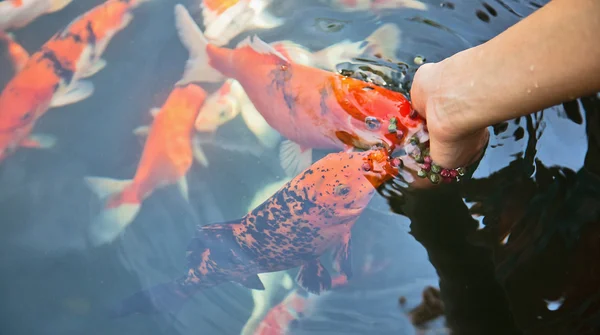
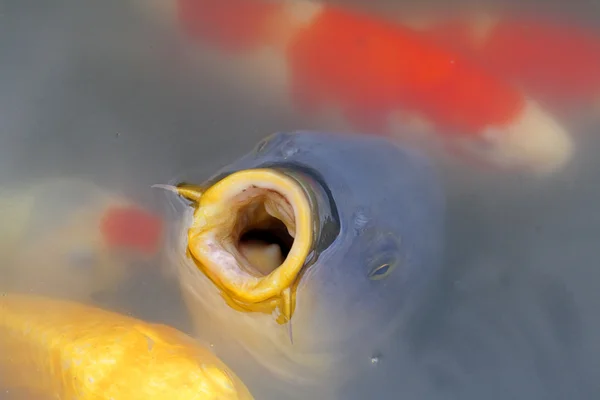
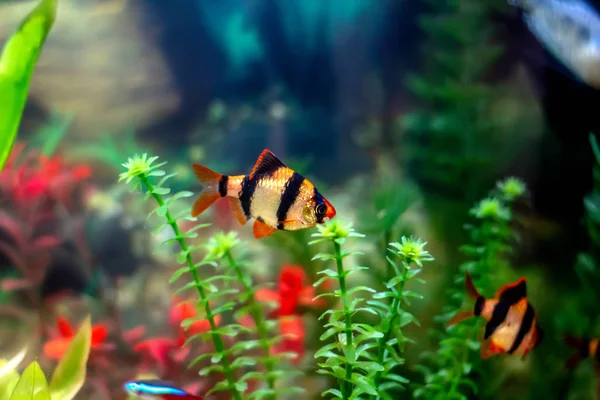
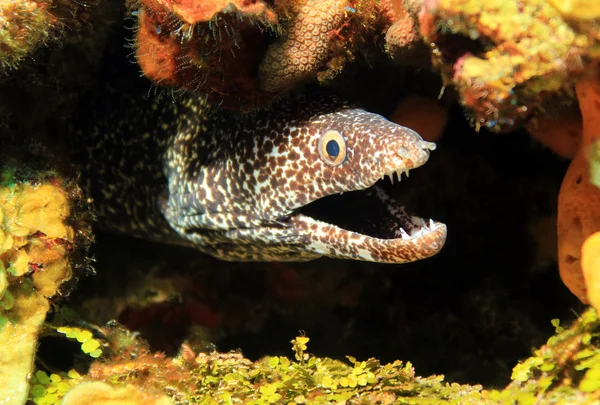
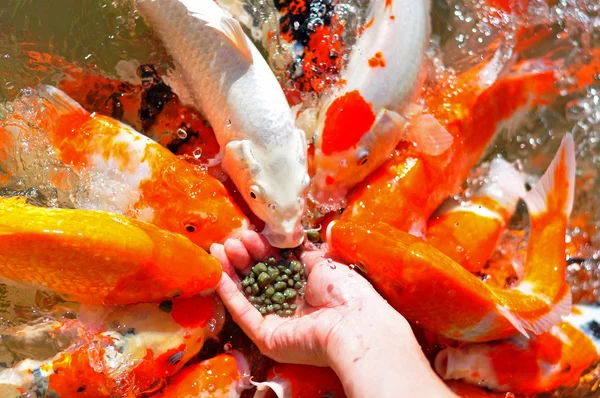


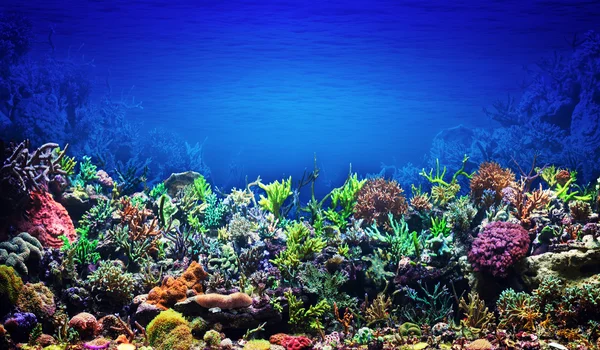
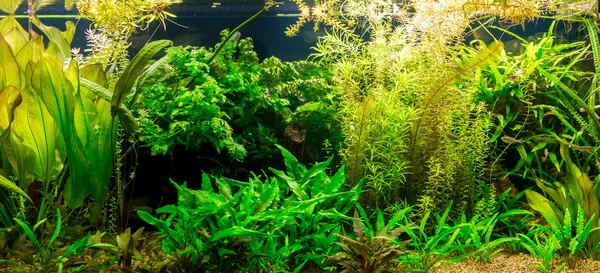
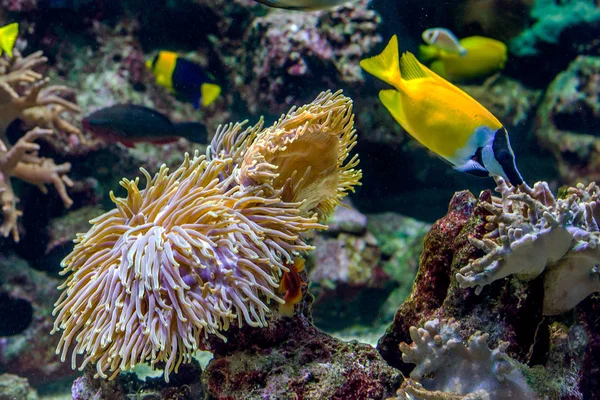



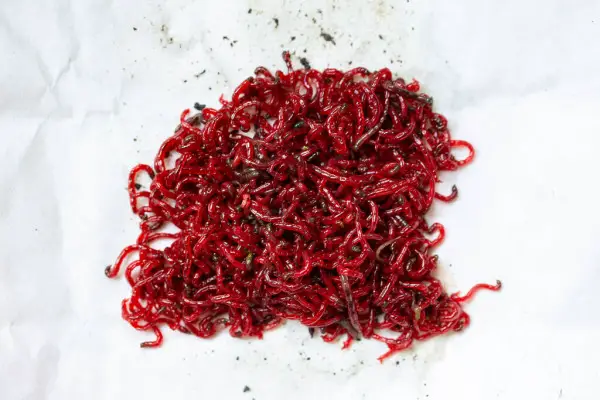

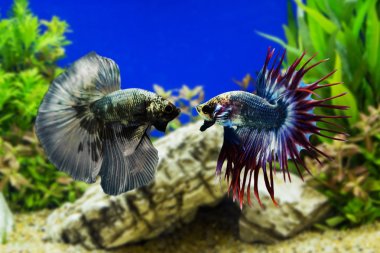
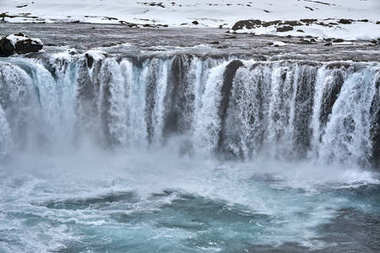
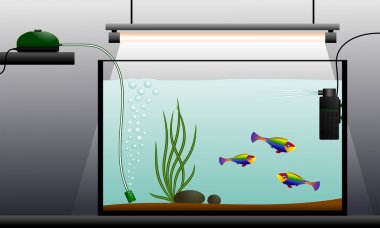
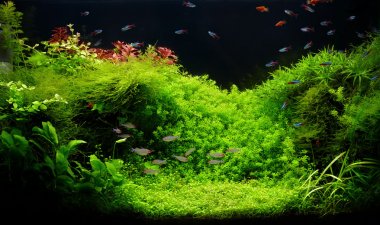


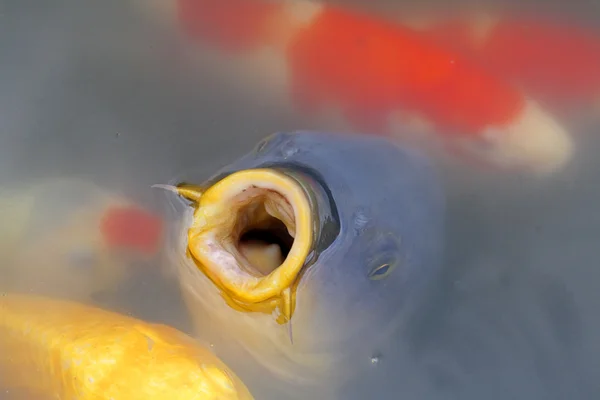

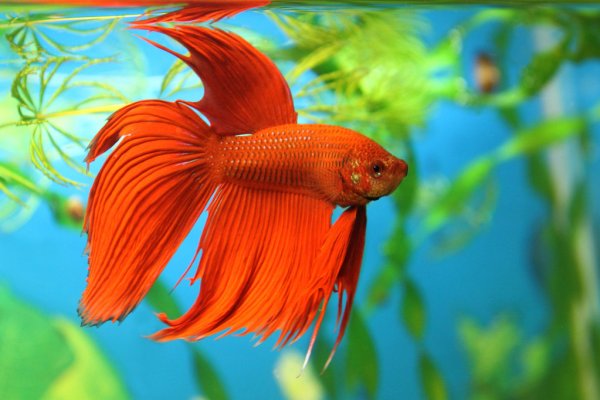


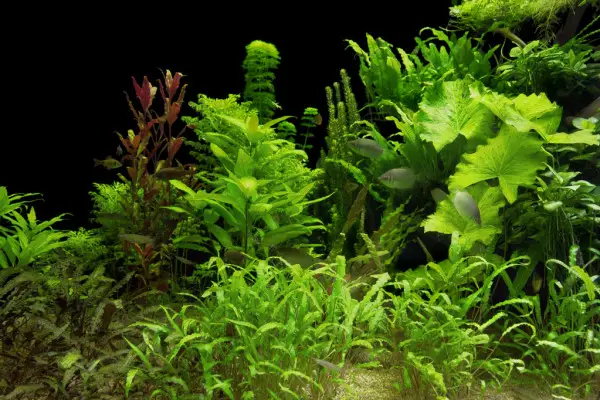

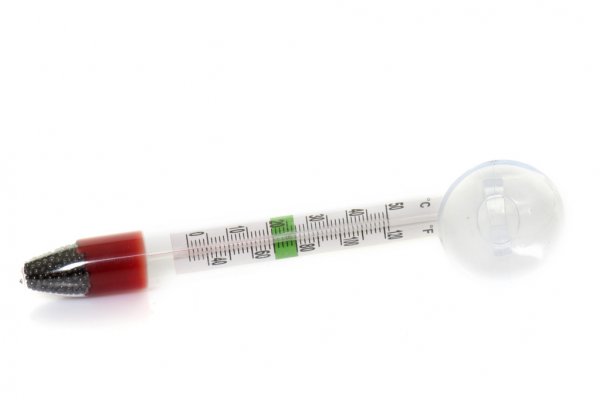
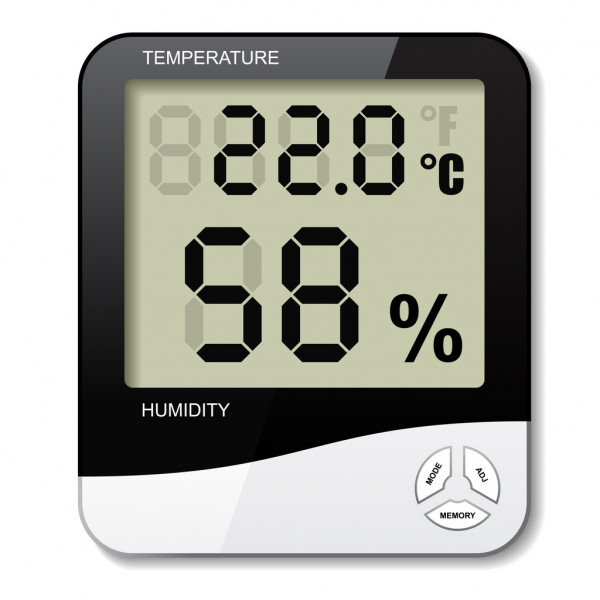
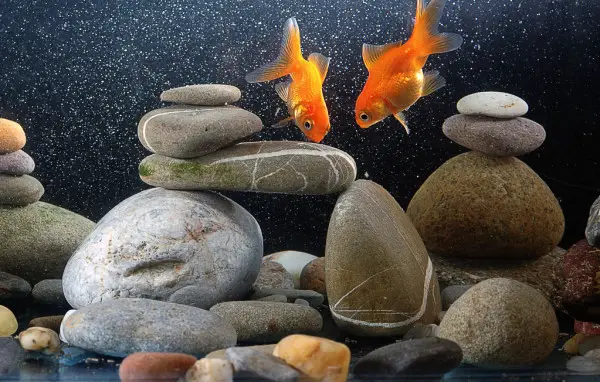






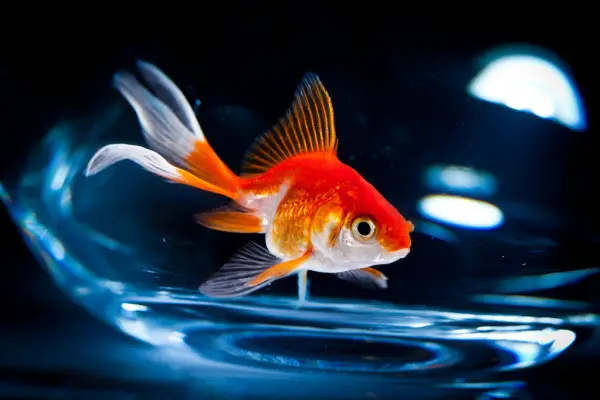

 Aquarium Labs