Aquarium Labs was started by a group of friends who grew up with fish tank aquariums. Our love for having fish as pets has never ended. We joined forces to write about the topic and help others get started with their own aquariums!
When you spend time watching your goldfish navigate its aquarium, does it seem happy and engaged with the world? Or are you worried that it might have grown lonely over time? After all, your fish went from being in a tank full of its own kind to having a place all to itself.
It is easy to anthropomorphize animals like this when their brains are very different from ours. And yet it is true that some animals do have social requirements that need fulfilling. So can a goldfish live alone or do they get lonely when kept on their own?
Can a Goldfish Live Alone?
This is a great question to ask because any social animal, including schooling fish, will become anxious and lonely if kept without their own kind. As medium-sized carp, are goldfish schooling fish? Or do they prefer to live alone?
Goldfish don’t really get lonely in the usual sense because they don’t really school. Occasionally a few goldfish live together for a short period. But only when there is a nearby food source. If one goldfish sees other goldfish gathering together, it may assume that there is a rich patch of algae with grazing on.
Goldfish live alone until it is time to breed. Then you will often see more than one fish coming together to compete for access to mates and spawn. After which, the goldfish will then depart and go back to living alone.
That said, there are benefits to keeping two goldfish or more together. More fish in a tank means more stimulation in an environment that rarely changes much. Enrichment is important for all animals. So I recommend keeping two or more goldfish together. Goldfish don’t get lonely like social fish or mammals do, but they do benefit from other tank mates! These tank mates don’t have to be other goldfish, by the way! Any small fish will work!
Is it Better to Have 1 or 2 Goldfish?
I recommend keeping a single goldfish unless your tank size is large enough to provide space for other fish. Goldfish are cute and very manageable when bought as smaller fish. But even these little babies will grow to be anywhere from 8 inches to a foot long when fully mature. Adult goldfish live alone often because they are simply too large to be kept in large numbers indoors.
If your aquarium is larger than 20 gallons, then definitely try giving your goldfish company! Past 20 gallons, you can keep an extra goldfish per 10 gallons. A big aquarium ensures that there is enough space for all of your fish to explore.
Also, remember that goldfish are very messy fish. They continually root along the bottom even if you offer them enough food! And they create loads of feces. All of this contributes to poor water quality and problems with ammonia, nitrite, and nitrates.
If your goldfish tank is on the smaller side (less than 20 gallons), then it is better for your goldfish to live alone. The water quality will be maintained, and the health of your goldfish will be vastly improved versus crowding them together.
Goldfish Versus Schooling Fish
So now that we’ve established that goldfish can live alone, how do they compare to schooling fish species?
Well, schooling fish absolutely need to be kept with other fish of the same type. If these pet fish are kept alone, they will visibly suffer. They will typically become very shy, hiding in dark corners of the tank or beneath plants. They may or may not eat, and their colors will grow very pale. A schooling fish may even die of loneliness as it constantly thinks its companions are hiding from a predator!
More active fish like Zebra Danios, Neon Tetras, or Giant Danios are just a few of the fish species commonly seen in the hobby that school. There are also shoaling fish, many of which are also smaller fish than goldfish.
A shoal is more like a loose social group. The fish will move independently but remain in a cohesive group. Barbs are an example of a shoaling fish. On the other hand, a school of fish moves in sync with one another!
Goldfish don’t really shoal, either. Again, they may occasionally group up when there is a food source to be exploited. And they may swim in the same direction together at times, especially in the confines of a goldfish pond or fish tank. But goldfish live alone for most of their lives.
Goldfish Tank Mates
If you have decided that you want to give your goldfish a non-goldfish tank mate, then you have plenty of good options!
Setting Up a Tank with Other Fish Species
Other fish can live alongside goldfish with no trouble so long as you remember that both species have specific care requirements that do not always overlap. Water temperature and aquarium size are some of the main issues you will run into.
Goldfish prefer large, cold bodies of water, while tropical fish love warm conditions and can do very well in smaller fish tanks. Let’s take a closer look at how to navigate these challenges!
Water Temperature
The main issue you are going to run into is finding a tank mate that enjoys the same water temperature as your goldfish. Nearly all of the tropical fish you will encounter in a pet store needs heated aquarium water that is 73-83°F.
Comets, shubunkins, and other standard goldfish strongly prefer temperatures no higher than 73°F, with cooler being much better for their health. When kept in tropical conditions, goldfish live accelerated lives, eating and pooping more than they would in cold conditions. This shortens their lifespans considerably.
Fancy goldfish like orandas, lionheads, and black moors are slightly different. They have been tank-raised for so long that they are less cold-hardy than their wild forebearers. Instead, these fish should be kept at room temperature to tropical conditions and are often much better tank mates for tropical fish!
So, what kinds of other fish should you be looking at? Other cyprinid fish are a great place to start! Cyprinids (carp) get along well with each other because they often have similar dietary and temperature needs. The majority are generalists that eat plants and animals alike; many are shoaling, but most can also live alone.
Some cyprinid relatives of goldfish that are also good in cold water include Zebra Danios (Danio rerio), the Dojo Loach (Misgurnus anguillicaudatus), Rosy Barbs (Pethia conchonius), and White Cloud Mountain Minnows (Tanichthys albonubes).
Koi carp (Cyprinus rubrofuscus) are another great tank mate idea to consider! Just remember that these fish grow even larger than goldfish, up to 3 feet long when fully mature!
Aquarium Size
Next, we need to ensure that our tank is large enough if your goldfish get lonely. A goldfish tank should be no smaller than 20 gallons in size, which is really only enough space for a single fish with no other fish crowding it.
If you want more pet fish, then you are looking at a bigger tank. You need at least a 30-gallon tank for your fish to not create too much pollution for a filter to handle.
Some of the possible tank mates I mentioned above, like Rosy Barbs, are not especially small fish either. And since they are shoaling fish, you should be keeping them in groups of 5 or more. A 55-gallon tank is best if you are keeping a goldfish with several tank mates of the same size or larger.
Tank Mate Temperament
And the last requirement is that you choose fish with a similar nature. Stay away from semi-aggressive fish that will claim a territory and defend it. A few cichlids are also cold-hardy, but they tend to nip fins and cause goldfish stress.
Slow swimmers are best because they reflect back a calm living environment. A tank full of fish dashing around can signal to your goldfish that there is danger lurking nearby. Tetras are poor tank mate choices for this reason. These fish tend to continually dart around, picking at each other and fleeing if you move suddenly around the fish tank.
Wrapping Things Up
We’ve covered a lot of ground in this article and have looked at the positives and negatives to keeping goldfish singly, in groups, and with other fish.
So, just to summarize, goldfish can live alone with few issues. They don’t suffer from clinical depression or isolation. Nor will they die of loneliness. But the more stimulating you can make their environment, the better. And other goldfish – or other fish of any kind – really helps make their world just a little more interesting and engaging!
I’m a firm believer in not providing the bare minimum for our pets. So look into giving your goldfish a companion. Just make sure that you have enough space to provide for everyone!
Whether you have all fish of the same species or a mixture of fish in community tanks, there is bound to be a little chasing at times. But fish have very different behaviors that make it unclear why they are chasing each other. Are they being aggressive? Territorial fish chasing their tank mates can cause significant stress. Or are they trying to breed with another of their kind?
Why do fish chase each other? Let’s look into some of the most common reasons why fish chasing is seen in an aquarium. And whether you should be happy or need to step in and change something about your fish tank!
Is it Breeding Time for Your Fish?
One big reason why fish chasing can be a good thing is when a male and female are interested in spawning. Or, much more likely, the male is very interested, but the female fish isn’t having it. So he is chasing her around the tank, trying to wear her down.
The best way to tell if a fish chase might lead to spawning is to understand how sexes look with the different species of fish that you have. Male fish tend to be larger and more colorful than female fish but not always. Some fish may have longer fins as well or a thick hump around the head, like male cichlids.
Male fish are also usually the ones trying to chase a female fish around the tank. So if you have fish in your tank that are almost impossible to sex visually, like tetras and danios, then fish behavior is your best visual clue!
Do I Have Aggressive Fish?
Sometimes there is no easy solution to stop chasing behavior from happening. Especially if you have aggressive fish that are not always tolerant of their tank mates.
The problems with territorial fish are always made worse when you have too many fish, or the tank is too small. Less dominant fish or more peaceful fish will be harassed mercilessly in these settings.
First-time cichlid keepers often run into these problems. Even smaller fish like Convict Cichlids (Amatitlania nigrofasciata) are extremely aggressive compared to nearly all the fish you will find in the average pet store. They will bully weaker fish mercilessly.
Big fish like Jaguar Cichlids (Parachromis managuensis) have the power and teeth to simply kill any tank mates they don’t like. And if they end up breeding, your other fish will all be forced into the far corners of the fish tank with bites and endless chasing.
So how can we manage fish chasing when we have fish that love chasing all of the time?
Managing Aggressive Behavior in Territorial Fish
It may be that you simply need a bigger space for your pets. This way, the other fish that are less aggressive have room to avoid the turf claimed by your most dominant fish.
Tank decorations are another effective way to manage aggressive behavior in territorial fish. A group of aggressive fish in the same tank will try and establish boundaries for each territory. Rocks, plants, driftwood, and other elements help these fish form natural borders that maintain harmony.
Just be sure that you don’t add too many obstacles to your aquarium. Every item that you add to a fish tank reduces the water volume.
And the less water volume you have, the easier it is for pollutants like ammonia and nitrite to negatively impact water quality. Aggression in aquarium fish is bad, but so is poor water quality!
If you are hopelessly in love with a semi-aggressive or aggressive fish, then have you tried making it the new fish? One common way to reduce aggression is to add the most territorial fish last. If you add an aggressive fish to an aquarium first, it may see the entire tank as its territory.
After all, there are no other fish around! But it will then bully anything you add to the aquarium, even other fish species. And since your new fish are still trying to settle in, they will be forced into a lesser role.
Lastly, if you have incompatible tank mates, you may need to move weaker fish to different tanks. Keeping a hyper-aggressive cichlid with a gourami that is very similar in shape and color but can’t fight back would be cruel.
Fish compatibility does not always work out, so setting up a separate tank may be what’s needed.
Competition for Food
Are you offering enough food for your fish? Competition for food can result in a lot of fish chase behavior. Especially in fish of the same species.
Often the dominant fish will immediately try and bully subdominant fish that try to eat. This way, he remains the biggest and strongest fish. So how can we make sure that other fish get to eat as well?
When feeding time comes around, try feeding the fish in your tank from opposite ends at the same time!
Two sets of feeding rings can help keep any floating food in place so the dominant fish that is eating in one area won’t be able to get close enough to chase away his rivals eating elsewhere.
It does mean that you may end up adding more food to the tank than you normally do. So be careful not to overfeed your fish. We don’t want fat aquarium fish or poor water quality!
What If My Fish Is Chasing Other Fish Species
When you see a fish chase other fish, they will usually be of the same species. But sometimes a fish will chase other fish even if they aren’t the same kind.
How can I find good community fish that aren’t so aggressive towards their tank mates?
Choosing Good Community Fish
Fish that are solitary, predatory, or territorial are usually the ones most likely to chase others. Cichlids, many catfish, large cyprinids, bettas, and certain gouramis tend to be famous for chasing other fish, even if they aren’t like them. All of these fish have social or territorial behavior.
Schooling fish are almost always great for community tanks because they focus all their attention on each other. Occasionally you may see some squabbling or even nips in “peaceful” fish like Neon Tetras.
Livebearers will chase each other, especially when a male fish is looking to breed with a female fish. But they almost never chase or bother their tank mates!
Small barbs like Cherry Barbs are another great choice for community tanks. And always look into smaller fish from more aggressive groups. Dwarf cichlids and gouramis are good additions to most fish tanks, especially when they have enough space to claim a tiny turf of their own!
Are My Fish Playing or Fighting?
It is hard to determine if fish play or not. It is easier to see play in mammals like dogs, cats, and even birds. But fish are so different from us that seeing any activity as play is almost impossible.
Since we are all pet owners, let’s be charitable and assume that fish do play with each other and even their tank mates.
We also know for a fact that fish can be aggressive rather than playful. Since we know what aggression is like, how can we determine whether a chase is harmless “play?”
Signs Your Fish Chasing Behavior is Harmless
Watch how a fish swimming into a chase behaves beforehand. How does it hold its fins? Many fish telegraph their actions by holding their fins erect or outwards.
This is a threat display meant to make the fish look larger than it actually is, like men puffing out their chests or cats raising their backs and fur before fighting.
A fish chasing for play will lazily swim towards the other fish. It won’t spread its fins in a threat display but keep them held naturally as it swims. An aggressive chase is also very fast, sometimes so fast you won’t be able to keep up.
The fish that recognizes a playful chase may not even flee; the two fish may make physical contact. One fish might then bump the other, but it does not go any further than this.
Sometimes aquarists mistake lazy aggression for play, however. Lone fish may decide to tolerate tank mates that are very different from them. Semi-aggressive large cichlids like Oscars often do this. They will swim slowly towards a transgressor, who will slowly flee the other way. And then that’s the end of it.
The cichlid is still territorial, but it’s just not interested in spending more energy catching the intruder. So long as the other fish in your tank has room to swim without being chased and aren’t visibly stressed, then this is not a problem!
Signs Your Fish Chasing Behavior is Aggressive
So how can we tell if your fish are just playing or actually being aggressive? Are there two fish of the same sex involved in the chase? That almost always means that you are looking at a social or breeding dispute of some kind where one fish is establishing dominance over another of the same sex.
Do you see visible signs of damage to the fish being chased? Missing scales and nipped fins are the most common signs, but sometimes you may even see missing eyes if one fish has sharp teeth. Any visible damage is a warning sign that it may be time to remove a fish to a new tank.
And even if you don’t actually see a chase happening, is there a fish that is sticking to hiding places? Fish that feel threatened by a pursuit will try and stay hidden since they can’t actually leave the area like they would in nature.
A fish that hides even when it is time to eat really should be moved to its own space where one fish won’t bully it to the point of starvation.
Wrapping Things Up
Tropical fish chasing each other can be hard to sort out. Are the fish playing, being aggressive, trying to breed, or something else entirely? If only fish compatibility were an easy thing to sort out…But fish can be as complicated as any pet when it comes to their social dynamics!
Hopefully, the tips and suggestions I’ve included in this guide will help you understand how to reduce aggression, territoriality, or make it easier for male fish and female fish to breed. Or, if it comes down to it, help a constantly bullied fish find a new home!
There is a lot of emerging research on the inner world of fish. Fish can plan, form memories, recognize their owners, and more. But what does that depth of feeling mean? Do fish cry in response to feeling sad or lonely? Let’s look more into what fish can do with their eyes and feelings!
Do Fish Cry?
Since we cry when we feel sad or emotional, what about fish? Do fish cry when they are feeling emotional or are in pain?
Do Fish Produce Tears?
Fish eyes are very similar to those of mammals and other land animals. After all, we did evolve from underwater creatures. Since their eyes are constantly bathed in a watery medium, fish don’t need to produce tears.
The primary function of tears is to keep eyes from drying out. Therefore fish don’t have tear ducts or tear glands and cannot cry, leak, express pain using tears, or much else with their eyes. Fish don’t blink either since they don’t have eyelids.
However, fish can move their eyes. How much depends on the fish species. Some can hardly move their eyes at all, while others can roll them, shift them in different directions at once, and perform other advanced maneuvers!
Your pet fish is more likely to be in the “hardly moves their eyes” category, though Corydoras and a few others will “wink” to clean them. However, this wink is more of a sinking of the eye into the eye socket than an actual blink. Corydoras fishes lack eyelids just like any other catfish.
Fish and Emotions Tears
Humans are the only animals known that produce tears for emotional reasons. And while this is very obvious to us, its reasons still aren’t well understood. It is thought that there may be a shedding of stress hormones.
This seems to be the case since emotional tears in humans have higher levels of adrenocorticotropic hormone and leucine enkephalin, natural painkillers. So it is possible that emotional tears have a regulatory function in humans.
Do Fish Have Emotional Depth?
While fish do not cry or shed tears, is it, therefore, true to say that fish don’t have emotions of any kind. Well, this field of research is unfortunately still in its infancy. Fish memory is what scientists tend to concentrate more on because it is a lot easier to study. For example, recent research shows that fish can hold memories for up to 12 days rather than only 30 seconds, contrary to popular belief.
Identifying complex cognitive abilities in other animals becomes more difficult the further away we get from other mammals. But just because we don’t know how to identify intelligence and emotions in “simple creatures” does not mean that we should deny them the same mental complexity.
For more evidence, take a look at the work of Victoria Braithwaite. She is another major researcher in the world of animal emotions who has performed intensive research on fish.
In her book “Do Fish Feel Pain,” Dr. Braithwaite says, “I have argued that there is as much evidence that fish feel pain and suffer as there is for birds and mammals—and more than there is for human neonates and preterm babies.”
So just because fish can’t cry does not mean that fish express pain in ways that we can’t understand. They also seem to feel stress similarly and even can be treated with drugs that reduce stress. See here for more research by Dr. Daniel Cattaert from the University of Bordeaux.
Anatomy of a Fish’s Brain
Fish have a much smaller brain compared to many other animals. Compared to a bird or mammal, a fish brain is around 1/15th the size. This suggests that fish have a much more limited ability to learn, theorize, and feel higher-order sensations like emotions.
Birds and mammals grieve when they lose a companion, but fish don’t really seem to notice. They will often go back to eating within minutes of losing a tank mate or being made fearful.
Fish and the Cerebral Cortex
That said, mormyrid fish (elephant nose fish) and sharks have brain sizes comparable to birds and mammals. This suggests that they may have a wider range of experiences than other fish. But this growth is entirely in the cerebellum because fish don’t have a cerebral cortex. They do have simple structures that were the foundation that the cerebral cortex evolved from but no true cerebral cortex structure.
The cerebral cortex is responsible for higher-order conscious thinking, personality, emotional regulation, and other conscious processes in animals like us. On the other hand, the cerebellum is responsible for balance, motor functions, heartbeat regulation, breathing, and other mostly autonomic functions.
But like all animals, fish have an intricate nervous system where it is hard to draw simple conclusions. Emotions aren’t found exclusively in one region of the brain or another. They are formed as a complex interplay between many regions of the brain, including both the cerebral cortex and the cerebellum.
So just because fish don’t have a cerebral cortex does not mean they don’t feel emotions. It’s only proven that fish cannot cry and shed emotional tears since they don’t have tear glands or tear ducts.
Do Fish Feel Pain?
What is of just as much interest is whether fish feel pain or not. Pain in response to both emotional and physical stimuli. Once again, the jury is still out, and the research is ongoing. But just because fish don’t seem to have cerebral cortex regions in the brain where we find emotional pain responses in humans does not mean that fish, therefore, don’t feel pain.
As Phil Halper, a British researcher, explains: “Claiming that fish don’t feel pain due to the absence of these regions of the brain could be much like concluding they can’t swim because they lack arms and legs.” It’s too human-centric to make this claim about their mental capacity.
What About Crying Noises?
While your fish will not ever produce tears, it may make noises that can convince you fish cry. Many fish cry underwater using organs, fins, scales, and other structures to make noise! These communications have many functions, including echolocation, finding mates, and social display.
What Fish Species Make Crying Noises?
Some fish make crying noises that sound very much like a person crying. The Three Spined Toadfish is one suck fish, making a loud crying noise to attract mates. It will also sometimes cry if caught, possibly trying to get its captor to release it from the shock.
That said, very few fish can make a real crying sound. Many more can make grunts and other grinding sounds. Fish don’t have tear glands, and they also don’t have a voice box or mobile tongue like people. So how do fish “talk” out loud like this?
Some can vibrate their swim bladders using internal muscles to literally beat their inner gas balloon like a drum. These include the Drums in the family Sciaenidae. Other fish can grind their fins, scales, teeth, and other structures to make noise.
Believe it or not, it is not a quiet place under the waves. The sea is full of non-linear sounds from animals hunting, fleeing, and talking to each other.
Here is an amazing video from The Guardian with recordings of the noise that various species of fish, shrimp, and other animals make. Coral reefs are constantly bathed in the sounds of happy fish!
What About Marine Mammals?
We have fully established that while they do feel pain, fish cannot cry. But what about other marine animals? In particular, whales and dolphins? As social mammals like us humans, they are more likely to have deep emotions that are similar to what we experience. Do whales and dolphins cry?
It was discovered recently in 2007 that dolphins have spindle neurons in their cerebral cortex. Spindle neurons are special cells that help humans, and other social mammals understand how others think, socialize, and regulate many emotional responses. So they are deep feelers.
But do they cry when they feel sadness or pain?
When asked about emotional tears in other animals, Frederick A. King, the director of Yerkes Primate Center in Atlanta, reports that whales, dolphins, and seals secrete watery mucus. This helps protect their eyes from stinging saltwater. But they do not seem to produce emotional tears as we do.
His report is similar to what we’ve found when researching other findings. Whales and dolphins do secrete mucus-laden tears to protect their eyes. But no one has ever seen them crying, even though we know that dolphins can grieve and show other strong emotions.
Wrapping Things Up
So now we know the truth: the jury is still out on whether fish can feel sad, get depressed, feel lonely, and other emotions that make us cry. But fish have no ability to cry because fishes lack the structures to do so: tear ducts and tear glands. They are bathed in a watery medium, so their eyes never dry out, which is why we land animals have tears.
Just remember that even though we have superior intelligence, it is hard to determine how emotions look in fish. It is best to assume that they do and treat your fish very well while they are in your care!
Aquarium filters mean life or death for your pets. Few aquatic animals can live without a filter, and choosing the right one is the first step in getting a tank running that will last you years if done right.
Therefore, it is a really good idea to take the time to understand exactly what you are getting with your aquarium filter rather than simply buying the first thing in front of you.
In this guide to the best aquarium filters of 2022, we will take a comprehensive look at the best models around and what makes for a good filter. By the time you’re done reading this article, you’ll also know precisely how a filter works and why they are so effective for your fish’s health!
Getting to Know Aquarium Filters
Aquarium filters are an essential component of the life support system to any aquarium. Without a filter, your animals would very quickly choke in their own waste and die.
Filters process waste products, remove floating debris, assist carbon dioxide in leaving the system, and help heat and oxygen find their way to your pets!
While maintenance can sometimes be a drag, many filters only take minutes per month to clean and get running once again. Since there are few reasons not to run one, let’s first discuss how an aquarium filter even works!
How Does an Aquarium Filter Work?
At first glance, an aquarium filter may seem like a complicated beast of a machine. But believe it or not, they all work in very similar ways that can be easily understood with a bit of research!
The majority of aquarium filters pull in water and force it through a series of filter media chambers. The number of chambers may be one, as in the case of a simple sponge or power filter. Or there can be several, like more advanced power filters and canister filters offer!
Once water enters the unit, it comes into contact with each media chamber. After it has been polished of ammonia, nitrite, and nitrate (nitrogenous waste products), as well as free-floating organic compounds like proteins and amino acids, it then gets sent from the filter back into the fish tank.
Aquarium filters are essential because no matter how large your fish tank is, it is far more crowded than any natural ecosystem. In nature, pollutant levels like ammonia are usually so low they are undetectable.
This is because plants, bacteria, and other organisms all suck up and reuse anything that would normally go to waste. Many aquariums don’t even have live plants, so we need to provide a home for beneficial bacteria.
Also, we can use a good aquarium filter to simulate other natural processes by using chemical filtration methods!
What is Filter Media?
Filter media is what makes aquarium filters work! Otherwise, you just have a pump and a box, which may look fancy but does not do very much. Simple aquarium filters may have one chamber for filter media, which isn’t necessarily bad!
A single chamber can still combine all three of the filtration types we are going to discuss below. These aquarium filters are the best freshwater aquarium filters for hobbyists that don’t keep demanding fish or invertebrates.
But many of the best aquarium filter designs include several chambers for all sorts of media. This allows you to add extra amounts of your favorite kind or target specific problems with specialty media.
For example, if you are having an ammonia spike due to an unreachable dead animal, you can add ammonia-absorbing zeolite resin to your filter’s media chamber. This resin will soak up ammonia much more quickly than your bacteria population can, reducing harm done to your pets!
Mechanical Filtration
The first stage an aquarium filter provides is mechanical filtration. This mode involves the use of a physical screen to trap particles floating in your water. Mechanical filtration sounds simple, and it usually is since cotton mesh or foam blocks are by far the most common methods.
But they also include more advanced designs like diatomaceous earth powder, which is fine enough to screen out microorganisms and fine particulates, polishing your water as it is pushed through!
Filter media using mechanical filtration can also provide extra living space for the elements that make up your biological filtration system (see below). Replacing mechanical filtration media usually involves either scrubbing it and putting it back in place or throwing it out for new media.
Chemical Filtration
Filter media that use chemical filtration take an even finer toothed comb to your fish tank water. As aquarium water enters the fish tank, filter free-floating ions like ammonia, amino acids (the precursors of proteins), and other molecules far too small to be trapped by a mechanical filter.
Usually, this means either an electrically charged attraction or an actual chemical reaction. Filter media that uses electrical attraction like many resins are actually rechargeable since you can free up the trapped ions by introducing new ones, like table salt!
On the other hand, activated carbon is the kind that gets used up as it collects molecular waste and needs to be thrown out and replaced.
Biological Filtration
Biological filtration is the last and most essential step of the aquarium filtration process! Saying it is the last step is a bit inaccurate, though, since it’s actually happening all of the time.
There are microorganisms living all throughout your fish tank that feed on nitrogenous waste products.
When fish release ammonia, it is poisonous to them – but both plants and bacteria find it to be a great source of nitrogen to consume! Eventually, nitrifying bacteria release nitrite, a lower energy product. Nitrite is less toxic than ammonia but still not very good for fish.
Fortunately, a second set of bacteria feed on nitrite, converting it into nitrate, which is only slightly poisonous. Fish tolerate nitrate levels anywhere from 10 to 40 ppm.
Nitrate can be metabolized by denitrifying bacteria as well into nitrogen gas, which just floats out of the fish tank. But these bacteria rarely exist in large numbers in home aquariums because they are anaerobic (oxygen-hating).
So you’ll have to step in at this point by performing regular water changes to remove nitrate from the system. Aquarium plants also consume nitrate but much more slowly than they feed on nitrite and ammonia.
The entire aquarium nitrogen cycle can sound a little complex if you are still new to cycling a filter and fish tank. Fortunately, Fluval Aquatics has made a great short video that explains the entire process for you to watch:
Aquarium Filter Types Explained
Now that we’ve covered how an aquarium filter operates at a basic level let’s talk about the differences between the types of aquarium filters out there! In this way, you will be better able to make an informed decision when setting up a new fish tank!
Hang on the Back Power Filters
When most people think of aquarium filtration systems, these are the first thing that comes to mind. Hang on the back filters, also known as HOB filters, draw water right out of your aquarium.
They are a type of stage filtration, forcing water through one or several filter pads as well as media chambers.
Once the water comes into contact with all of the internal media, it is then sent right back into the tank. Some models use the outflow for surface agitation as well, which helps oxygenate the water and outgasses carbon dioxide.
HOB filters are the best filtration system for people looking for a good balance between effectiveness, water flow, ease of maintenance, and affordability.
While they don’t offer quite as much customizability as a canister filter, they can do 90% of what they do and cover all three of the major filtration types!
Benefits of a HOB Power Filter
HOB filters usually use easy to swap out media cartridges for fast maintenance
They can be set up and running within a few minutes
The pumps used can be adjusted to provide very powerful water flow for surface agitation and even mixing of aquarium water
Drawbacks of a HOB Power Filter
There is usually not enough room for specialty media pads like in a canister filter
HOB filters take up space on the side or back of a fish tank, which can complicate placing the tank where you want it
Who is this Filter For?
HOB power filters are ideal for aquarists of all skill levels because they combine the benefits of most of the other types of filtration systems.
They are quiet, very effective, affordably priced, provide good water flow, and are simple to operate and maintain. The other types of filters are better used for specialized purposes or advanced aquarium setups.
Canister Filters
Canister filters are the aquarium filter of choice for intermediate and advanced fishkeepers with tanks 55 gallons in size or larger. They offer several benefits over traditional hang-on-back power filters that are worth considering.
For one, they can hold far more filter media than any power filter. The largest canister filter can hold a few gallons of material inside and effectively push water through it all with little to no bypassing.
These are by far the best aquarium filter for heavily stocked or large tanks, thanks to the power of the water flow they offer.
Canister filters have staged media baskets where you can add several kinds of custom media, something only a few power filters and no others allow.
Many also have advanced technological additions like release valves for instant water changes, precision flow control, and maintenance alert LEDs that make upkeep a breeze!
These filters are ideal for intermediate to advanced aquarists who have fish that are highly sensitive to dissolved waste and need the best water quality.
If you have an aquarium larger than 125 gallons, a canister filter is essential for good water turnover. And large, predatory fish keepers should be using one to ensure poop, ammonia, and nitrite are properly captured and processed.
Undergravel Filters
Undergravel filter units are some of the oldest designs still in existence. The basic concept is simple: they are attached to air pumps which force water to be drawn down through the gravel, acting as a mechanical filtration screen.
Waste gets pulled into the substrate and trapped beneath it and the filter plates, where it stays while the screened water gets released back into the fish tank.
This approach can work well for many months at a time and is actually one of the best filtration system options for planted tanks. The debris caught under the substrate forms a thick mulm that provides endless fertilizer for heavily planted aquascapes.
However, for most fish-only tanks, undergravel filters only delay eventual maintenance. And when it is time to maintain it, which usually needs to happen every 6 months or so, it can be a very messy affair.
Once you lift the filter plate, it’s difficult not to have loads of gunk start floating up into the main area of your aquarium. Not only is it messy, but your gravel gets easily displaced, and much of it will now get trapped underneath your under gravel filter plates.
In theory, they are supposed to keep waste trapped until it decays. But it never fully does so – plus, even if it all breaks down, you are still left with heavy concentrations of nitrate and organic matter that mean more frequent water changes.
I only recommend under gravel filters for lightly stocked aquariums or heavily planted tanks for fertilizer.
Benefits of an Undergravel Filter
Undergravel filters are highly discreet and minimize hoses and lines running to the fish tank
These aquarium filters pull water through all levels of the tank, ensuring everything mixes equally
They are very affordable and simple to set up and run, often lasting many years longer than complex power filter designs
Drawbacks of an Undergravel Filter
Undergravel filters provide practically no biological or chemical filtration; only some premium undergravel filter designs have carbon attachments
An undergravel filter does not work with fine sand or gravel; the slots work best with standard gravel grains only
They need to be added to a brand new tank, not one that is already running
Fish waste is trapped under the plate indefinitely until you clean underneath, which is extremely messy
Who is this Filter For?
Planted aquascapes where you won’t be disturbing the substrate and the plants will absorb the collected waste
Sponge Filters
Sponge filters were one of the first filters used in aquariums – but while they are the simplest, they are still very effective. A sponge filter is exactly what it sounds like: a sponge that is attached to an air pump to create a flow of water through it.
As water is pulled through, it is subjected to mechanical filtration that screens out floating particles of waste.
Sponge filters are the best aquarium filters for systems that need a gentle flow. Especially if you have a fry rearing tank for newborn fish, dwarf shrimp, or other critters that are in danger of being sucked up by power filters.
But is that all there is to a sponge filter? They actually offer excellent mechanical and biological filtration because the sponge becomes a place for beneficial bacteria to colonize.
The sponge pores hold loads of surface area for these bacteria to live in, breaking down waste products like ammonia into nitrite and nitrates.
Modern sponge filters also can hold activated carbon media cartridges if you want to add chemical filtration to the system. Lastly, they are extremely low maintenance, fast to set up, and very affordable!
Benefits of a Sponge Filter
Low maintenance and very uncomplicated
Gentle current keeps baby fish and shrimp from being killed
Adequate biological and mechanical filtration for smaller tanks
Chemical filtration can be added on
Drawbacks of a Sponge Filter
Sponge filters are less effective for tanks larger than 30 gallons due to the weak flow rate
Smaller tank filters may not provide water turnover for effective heat and oxygen exchange
Not very customizable
Usually terrible looking
Who is this Filter For?
Sponge filters are best for aquarists who are setting up a tank for a very specific purpose, such as rearing baby fish or a temporary quarantine for sick fish. Or if you are an aquarist on a very strict budget and can afford nothing better for your small tank.
Wet/Dry Filters (Sumps)
Sump filters are quite special and are especially popular in the saltwater world. They are extremely customizable and are basically a secondary aquarium that sits below the first! A wet/dry filter adds significantly more water volume to the system, increasing its carrying capacity.
And depending on how you set it up, it can provide mechanical, chemical, or biological filtration – or all three in stages. Sometimes, a sump uses entire sections full of living organisms (a refugium) like macroalgae, soft corals, and microcrustaceans.
These organisms feed on nitrogenous waste, leftover food, and feces, breaking it down before it returns to the main tank. And you can even harvest small numbers of these organisms to feed your fish and corals!
Wet/dry filters are less common on freshwater tanks but not unheard of. Especially for pet stores and warehouse distributors that need to manage the huge bioload of all that animal stock!
Benefits of a Sump Filter
Significantly increases the carrying capacity of your tank with so much extra water
Very customizable as you have room for any kind of filter media you want
Uses a gravity-fed system and only requires a weak return pump, making it very quiet
Drawbacks of a Sump Filter
Complex and expensive to set up; they are the best aquarium filters for advanced fish keepers
A sump filter can take up a lot of room; as much as a second aquarium
Sumps are usually used in addition to a hob filter or canister filters
Who is this Filter For?
Sump filters are ideal for reef keepers that need to absorb every trace of pollutants to keep their corals healthy. They also can add as much as an extra 30% to the water volume of your system, improving the health of all your animals through extra oxygen and a larger buffer against waste products.
Submersible/Internal Filters
Last we have internal filters, also known as submersible filters. These models are designed similarly to a canister filter or power filter. Most have either internal media compartments or a filter cartridge that you remove every few weeks for a new one.
The difference is that these aquarium filters actually sit inside your fish tank rather than being placed underneath or staying clipped onto the side.
This allows them to create a current that can be directed like a powerhead effectively with little surface agitation with the noise and splashing that entails.
Submersible filters also make placing an aquarium flush against a wall or other home element easier, saving you space externally at the cost of some internal swimming room for your fish. And don’t forget: since the unit is submerged, you’ll need to get a little wet to perform maintenance on them!
Benefits of a Submersible/Internal Filter:
Discreet, silent, and easy to maintain
Does not take up space around the exterior of the aquarium
Provides good water turnover without making noise at the surface
Drawbacks of a Submersible/Internal Filter:
Maintenance can take a little longer since you have to reach in and replace the unit each time
They are no more effective at providing good water quality than power or canister filtration designs
Who is this Filter For?
Internal filters are ideal for fish keepers looking to provide gentle current for their fish and want a silent running unit.
Submersible filter outflow can be very easily directed in ways that canister and HOB power filters can’t.
They are also a great filter choice for space-conscious aquarists, such as home office and dorm room setups that need to make the most of every inch!
Our Pick For The Best Canister Filter
There are dozens of great canister filters on the market, but one standout candidate that makes the best aquarium filter lists time and time again.
The Fluval FX6 is a canister filter using the latest technology combined with the decades of prior experience that Hagen-Fluval has in developing aquarium equipment.
Here we have a leak-proof 563 GPH (gallons per hour) canister filter with nearly 5 gallons of space for biological filtration media. Maintenance on canister filters can be a tremendous pain due to the water-filled lines, which can send gravity flow onto your floor when opening the unit.
But the Fluval FX6 uses auto stop-valves to prevent this.
Five internal filter media chambers give you loads of room to add your favorites.
Since you’ll likely be caring for large fish for specialized needs, these might include ammonia absorbing resin pillows, phosphate reducers for coral reef tanks, and other specialty media options that would not fit in a standard HOB power filter.
What’s more, the Fluval FX6 improves on standard aquarium and canister filter maintenance! A utility valve at the base of the unit allows you to perform quick and easy water changes, emptying and refilling your aquarium from the filter.
The FX6 also auto purges any air that gets trapped within the system on a 12-hour cycle – air that would normally disrupt the flow of water.
Interestingly, even though the FX6 is a stronger unit in terms of flow than the FX5, it actually uses 10% less power, according to Fluval-Hagen, making it a very energy-efficient filter.
Still, this huge canister filter is rated for aquariums of 400 gallons or more in size. If you’re looking for the best aquarium filter for modestly large units (150-300 gallons), then the FX4 is a better purchase.
Pros:
Great aquarium filter for extra-large tanks (400+ gallons)
5 stackable filter media chambers with a total volume of 5 gallons
563 GPH turnover rate ensures adequate flow in all regions of a large tank with no dead zones for heat or oxygen
Self-priming and air purging; also has a base valve for speedy water changes
Cons:
Not nearly as affordable as other external canister filter options
This category of aquarium filters was by far the hardest to choose from because several manufacturers have been perfecting their products for decades. But our personal favorite by a slim margin is the Marineland Penguin Bio-Wheel Power Filter.
Marineland Penguin was the first to come up with the Bio-Wheel idea decades ago, and it is still a brilliant notion. Nitrifying bacteria that digest ammonia into nitrite and nitrite into nitrate are aerobic, meaning they breathe oxygen.
The Bio-Wheel ensures they are given exposure to the hundredfold increase of air in the atmosphere, plus allowed to remain moist and in contact with food.
The rear compartment is where you add Marineland filter cartridges, which use a plastic frame with cotton fitted over them. You can buy Marineland filter cartridges in just about any pet store in the country; that’s how big the brand is.
Inside, you will find activated carbon, the chemical filtration media of choice for the aquarium world.
Each filter pump uses just enough flow without becoming overly noisy. Marineland Bio-Wheel HOB filter is rated for aquariums up to 75 gallons in size. While larger tanks are less common, it does limit their utility somewhat.
Pros:
Bio-Wheel design brilliantly oxygenates bacteria for instant ammonia and nitrite breakdown on contact
Quiet running and affordably priced unit
Marineland Penguin has perfected the design over decades
3 Year Manufacturer’s Defect Warranty
Cons:
Does not offer the customizable inner space of some other power filters or canister filters; it only allows you to add filter cartridges made by Marineland Penguin
No models made for aquariums larger than 75 gallons unless you add multiple aquarium filters to the tank
Internal aquarium filters offer several major advantages, including taking up less space on the sides of a fish tank and being able to be hidden by plants and rocks. Our pick for the best internal aquarium filter is the Fluval U Series Underwater Filter for Aquariums!
These internal filters use a three-stage media chamber design, ensuring you get the most out of your mechanical, biological, and chemical filtration media!
Fluval designed their internal filters to be customizable in how the units are placed as well. You can opt to attach the unit vertically against the glass for a horizontal flow – or let it sit on the bottom and allow water to be pushed upwards!
Changing the media of internal filters does usually mean getting your hands wet. But the speed of access to the internal chambers makes this even less of an issue compared to a power or canister filter, which can be a much fussier process.
Lastly, you have a 3-way adjustable flow feature with this internal filter! Water flow can be customized to agitate the surface, maximizing gas exchange.
A midwater flow can be set to spread the current evenly across your aquarium. Or you can prioritize bottom-level turnover with the third setting, ensuring no heat or oxygen dead spots form along the substrate.
Pros:
Flexibly positioned anywhere inside your aquarium, freeing up outside space of boxy HOB filters
3-way adjustable flow feature
Quick access to interior chambers for maintenance
Cons:
Maintenance requires getting a little wet
Internal chambers are small compared to canister and HOB filters
Smaller aquariums in the range of 5 gallons can be a little complex because they are larger than desktop models but too small for many power filter designs. In that case, why not try the Boxtech Aquarium Hang On Filter models?
Boxtech designed these aquarium filters for tanks of all sizes, but their 5 to 10-gallon model is especially handy for small tanks. We want just the right amount of water turnover without blowing our fish around, which can easily happen if your power filter is too strong.
And should you need greater or lesser flow, a flow control knob sits directly on the front of the water intake tube. Even many more advanced hob filters don’t always provide these, making this a solid win for boxtech!
These boxtech models use power filter cartridges that provide mechanical, chemical, and biological filtration all in one unit. We would have liked to see greater biological filtration capacity; maybe some bio bag filter cartridges or something similar.
But given the size of the unit, space is at a real premium.
Pros:
Sized small enough for 5-gallon aquariums
Includes filter cartridges that provide all 3 modes of filtration
Classic hob filter design for easy installation and maintenance
As the UPETTOOLS Aquarium Biochemical Sponge Filter proves, sponge filters have come a long way from the old days of simple blocks of foam! What immediately catches our attention is the way the foam sponge has been cut with deep grooves.
These grooves increase the surface area of the sponge and improve both the rate of particulate capture as well as provide more living space for bacteria that help break down collected waste!
What’s more, UPETOOLS includes a second stage of filtration using bio balls to provide more living space for beneficial nitrifying bacteria to live in.
While sponge filters already do a decent job at biological filtration, you can never have enough, especially given how weak their flow is compared to HOB, internal, or a canister filter.
We also like how they use both single and twin sponge designs, giving you as much or as little capacity as you need for your aquarium. According to UPETOOLS, their twin sponge filter are a good aquarium filter for tanks up to 55 gallons in volume!
Pros:
Uses both single and twin sponges for aquariums of all sizes
Provides gentle flow for baby fish, shrimp, and other sensitive creatures
Second filtration stage uses bio-balls to increase the number of beneficial bacteria living inside the aquarium filter
Cons:
This aquarium filter provides no chemical filtration, which some other sponge filter designs do offer
Flow rate is too low for good turnover in larger aquariums
Our Pick For The Best Under Gravel Fish Tank Filter
Undergravel filters are making a comeback these days! While they do have some drawbacks, they can still be one of the best aquarium filters, especially for planted tanks!
For starters, Penn-Plax includes clever clipping mechanisms that hold the filter together. This prevents determined diggers like cichlid and loaches from getting underneath the filter, which would send a plume of fish waste into the water column.
This model also uses corrosion-resistant plastic, making it safe even for saltwater aquariums, which are sometimes hard on cheaper equipment.
And best of all, we have activated carbon inserts attached to the water outflow, giving your aquarium an extra scrubbing to remove any dissolved organic matter!
Pros:
Chemical filtration and locking plates address two of the traditional weaknesses of undergravel filters
Corrosion-resistant plastic makes it a good choice for even saltwater aquariums
Comes in sizes large enough for 40 and 55-gallon tanks
Cons:
Debris still remains trapped underneath the filter plate rather than removed effectively from the system
Maintenance on undergravel filters is always very messy
AquaClear HOB filters are some of our favorites because they combine many of the benefits of canister filters with the easy maintenance and low cost of power filters. For example, the AquaClear Power Filter lineup offers loads of space in the media chamber, enough for custom media bags.
Even in their smallest tank filters, rated for 5 to 20 gallons, you can choose between their media bags or making your own.
I always recommend AquaClear filters for aquarists making specialized nano tanks in need of such media, including nano reefs and planted tanks with exacting water chemistry!
The water turnover rate is very high as well, making them the best fish tank filters if you need a replacement for an air pump or powerhead.
AquaClear includes not only a foam block and activated carbon package but also their BioMax ceramic rings. Each ring provides loads of surface area for nitrifying bacteria to colonize, increasing the waste breakdown potential of the filter!
Pros:
Customizable power filter that is similar to a canister filter in design
Strong water flow from the magnetic pump
Cons:
Few additional features; the unit is effective but very simple
Beginning aquarists often pass over canister filters because they are a pricier option. Still, there is no question that they are the best aquarium filter for larger and heavily stocked fish tanks.
Like many of the best canister aquarium filter designs, the AMOSIJOY has adjustable flow rate controls on the top of the unit, allowing you to fine-tune water flow to the fish tank.
The motor is designed to operate quietly, and when paired with the rubberized footing, it is nearly silent, making it ideal for bedrooms, offices, and other noise-sensitive spaces.
We even have the option of models for aquariums as small as 30 gallons in volume. Few canister aquarium filters have pumps gentle enough for these tanks!
AMOSIJOY does not include quite as much media as we would have liked to have seen; you do receive ceramic bio balls and a cotton screen as basic filter media. But you’ll need to buy your own bulk media to fill the space within effectively!
Pros:
Very affordably priced line of smaller canister filter
Best aquarium filters for the most common medium-sized aquariums of 30 to 75 gallons
Rubberized casing and silent magnetic driven motors for silent operation
Adjustable flow rate controls on the hood of the filtration system
Cons:
Filtration system comes with few media options; you need to supply all of them
No filtration system lineup would be complete without an example from Tetra! Their dedicated lineup of aquarium supplies includes some of the best aquarium filters you will find: the Tetra Whisper Internal Filter.
This design is more straightforward in concept than the previously mentioned Fluval U Series Underwater Filter. What you’ll notice right away is that Tetra’s internal filter is more of a hybrid between a submersible filter and a hang on back filter.
The Tetra Whisper filters sit inside the tank but hang on the lip and can’t be fully submerged.
However, it does prevent space from being taken up outside the filter, making it easier to place aquariums flush against a wall or home decor. The Tetra Whisper aquarium filter also comes in models small enough for desktop nano and betta tanks 1 to 4 gallons in size!
Pros:
Simple and effective filtration for smaller desktop aquariums
Uses a single filter cartridge for fast and easy maintenance
Sits inside the tank, allowing you to move an aquarium flush against a wall or home decor
Cons:
Not a true internal filter since it can’t be fully submerged, unlike the Fluval U Series internal filters
Nicrew is something of a new player in the fishkeeping world, but people have been increasingly excited about their products. They make not only high-quality, affordable LED lighting and circulation pumps but also great internal filters!
The NICREW Aquarium Submersible Power Filter is our favorite example, thanks to it being significantly smaller than Fluval’s option while also being truly submersible, unlike the Tetra Whisper.
What’s more, you can also use the included spray bar attachment to provide surface agitation, something internal filters normally don’t do very well!
Four suction cups adhere the unit to the side glass of your fish tank and allow you to easily access it for maintenance purposes. And with models rated from 2 to 40-gallon aquariums, Nicrew has offerings for all of the most popular fish tank sizes!
Pros:
Submersible filter small enough for desktop tanks and large enough for aquariums up to 40 gallons
Spray bar provides excellent surface agitation and spreads flow around to avoid disturbing sensitive fish and plants
Fully submersible unit
Cons:
No effective options for aquariums larger than 40 gallons
Only meant to be run sitting vertically, unlike the Fluval U Series, which can be placed on the substrate
As you’ve no doubt come to appreciate, aquarium filters are a complex topic. There are dozens of brands and hundreds of models, many of which only vary from each other a little bit. That can tempt you to simply reach for the first or cheapest thing you come across.
Fortunately, this guide demonstrates that there are differences worth noting. And that not all aquarium filtration systems are equal. Each of the best aquarium filter options listed here offers solid benefits for fish keepers.
Whether you are a beginner in need of a simple to run sponge or power filter or an advanced aquarist looking for a canister filtration system for a reef tank, there is something for everyone here!
Mixing animals of different groups can result in some fascinating displays!
Fish and reptiles like turtles are naturally found together in nature, right? So why not keep them together in your home aquarium or pond?
What fish can live with turtles in a tank?
Read on to find out!
What Fish Can Live With Turtles in a Tank?
Let’s dive right into this topic by stating right from the start that keeping fish in a turtle tank is not an easy task.
Most turtles eat fish any chance they get; turtles are omnivores and eat any plant or animal matter they can overpower.
Freshwater fish are a delicious and normal part of their diet. But with a little planning, it’s not impossible for turtles and fish to share the same tank!
Aquatic vs Semi-Aquatic Turtles
When setting up a habitat for your fish and turtles to live in the same aquarium, you’ll need to consider the needs of your turtle. Most turtles need both water to immerse themselves in as well as a warm, dry place to bask in the sun.
There are very few turtle species that are fully aquatic. Basically, sea turtles are the only ones that don’t need land to bask on. And even they still return to the shore to lay their eggs in the sand.
All other turtles live both on land and in water to varying degrees. Some, such as snake-necked and soft-shelled turtles, spend a lot of time in the water.
While others, such as the Red-Eared Slider, bask often. And there are land dwellers like Box Turtles, which don’t swim very much and prefer staying on land.
Turtles need a lot more space than you might expect. They are stereotyped as sluggish and slow – and they are when they are still cold from the night and haven’t basked to soak up heat from the sun.
Once your turtles are fully warmed up, they are very fast and active. Fast enough, unfortunately, that they often catch fish from their hiding places.
Turtles and Fish: Dietary Concerns
As I mentioned earlier, the main problem with keeping turtles and fish in the same tank is that turtles love eating fish.
Most turtle species that live in the water eat fish occasionally, including common pet store species like Red Eared Sliders, Painted Turtles, and Mud and Musk Turtles.
Turtles are well adapted to hunt fish as they swim quickly and are very agile underwater.
Fish also have no real escape since they share the same aquarium. Eventually, a fish will get trapped in a corner or inside their hiding places, and the turtle will win an easy meal.
One way to keep your tropical fish from ending as lunch for your turtles is to keep your turtles very well fed.
Feeder fish can be used as sacrifices; they are ideally sized to be eaten
by turtles. This is perfect if you have very small or very large fish that live inside the turtle tank.
Feeder fish include goldfish, rosy red minnows, but not feeder guppies. Guppies are too small for adult turtles to catch, but they make a good tank mate since they breed readily!
Turtles and Turtle Waste
Anyone who has kept a turtle tank knows that they are extremely messy animals. Turtles both eat and poop in their water, which can become incredibly foul if not well filtered and changed on a regular basis.
In fact, this is why turtles under 4 inches are illegal in the USA; they were extremely popular with children.
However, kids weren’t keeping their turtle’s tank clean enough, which caused a spike in cases of salmonella and other bacterial diseases to surge across the country.
Turtles and Water Quality
Many fish species are also very sensitive to the high germ load that an unclean turtle or fish tank creates. Fish can also be harmed by elevated levels of ammonia, nitrite, and nitrate, which turtles produce a lot of.
Aquatic turtles often poop directly into their water, which means feces, bacteria, leftover food, and more, all wafts into the gills of their tank mates constantly.
Even if you aren’t keeping turtles and fish in the same tank, the turtle setup should have powerful filtration. A power filter hanging on the back with a siphon is a bare minimum.
But a strong canister filter will do an even better job processing turtle waste and keeping both the turtle and fish species healthy!
Even turtles don’t enjoy water full of bacteria and ammonia to swim in and will be sickened by it if the conditions never improve.
Can Goldfish Live with Turtles?
Many tropical fish do better when keeping turtles in the same tank. But koi fish and goldfish offer some real problems when kept alongside turtles. Turtles eat fish, and goldfish are the most common species to offer them.
They are fairly slow and easy to breed and catch. So many turtles recognize goldfish and koi fish as food and will chase them down mercilessly.
Large goldfish and koi may be safe in an aquarium with turtles, but it is still very risky. Should the turtle decide to try biting its fish tank mates, the goldfish will likely get wounds that become infected, possibly killing it.
Goldfish produce a lot of waste as well. Not as much as turtles, but they are still dirtier than most tropical fish. Even a powerful filter might not be able to keep up with the leftover food and poop from both goldfish and turtles.
Keeping Goldfish, Koi, and Turtles Together in Outdoor Ponds
If you want to keep goldfish, koi, and turtles together, then you are much better off keeping them in a pond. Ponds offer several benefits for all of these animals. They provide enough space for even bite-sized goldfish to escape a hungry turtle.
Ponds ensure that your fish grow large enough to no longer be considered food. And it is easy to provide enough water to prevent all that turtle and fish poop from easily fouling it.
Good pond turtles include Western Painted Turtles, Softshell Turtles, and the Red-Eared Slider, all of which are commonly found in pet stores. Since these turtles all mature anywhere from 8 to 12 inches in shell length, they are too small to do harm to an adult goldfish or koi.
Feeding Your Pond Turtle
The key to keeping the two together in a pond habitat is accounting for size and hunger. The hungrier your turtles are, the more likely they are to try for a fish. But if they are trained on regular feedings, then they know to wait on you.
Besides a high-quality prepared turtle food formula, you should also offer meaty snacks on occasion to stave off any cravings they may have. Slices of raw seafood like white fish and shrimp will give them any missing nutrients and fat they crave that their pellets aren’t providing.
Watch Out for Snapping Turtles
That said, stay away from the many species of snapping turtle. Both the Common and Alligator Snapping Turtles are specialist fish hunters. They have razor-sharp jaws that allow them to not only catch small fish but literally bite larger fish in half.
Snapping Turtles rarely adapt to eating pellets and will eat any fish in the same tank or pond.
They also grow huge! Alligator Snapping Turtles are one of the heaviest turtles in the world, adding hundreds of pounds in bulk over their lives and measuring several feet long. They are a danger not only to your fish but also to you.
Alligator Snapping Turtles have been known to sever fingers and toes with the strength of their bite! They will even eat smaller turtles.
Can Betta Fish Live with Turtles?
Unfortunately, bettas and turtles should never be in the same tank. Turtles love eating fish, and bettas are one of the easiest meals they will ever come across. Betta fish are very slow, with long fins to weigh them down.
They are also fairly small, at only 2 to 3 inches. Even a baby turtle will gladly snap at a brightly colored betta – and an adult turtle will eventually make a snack out of it.
Bettas are also tropical fish that need warmer conditions than many turtles do. Many fish and turtles prefer warm, heated water (70-82 Fahrenheit). But sometimes aquarists decide to keep the water at room temperature because temperate species, like Red Eared Sliders, will still thrive.
Also, many turtles dive and swim recklessly, which can end up in a cracked heater. Cracked heaters are extremely dangerous because the electricity can cause the death of your turtles or other animals.
So, in short: the best tank mates are fish that are faster, larger, or very tiny compared to your turtles.
Good Tropical Fish Species to Keep with Turtles
We’ve talked a lot about goldfish and koi as possible aquarium fish to live alongside turtles. But what other options are out there?
Tetras and Guppies
Believe it or not, small fish can make excellent tank mates for turtles. The key is to provide the turtles with enough food that it’s simply not worth trying to chase down small, fast-moving fish.
Stay away from fancy guppies, which have long, flowing fins that not only slow them down but are eye-catching and tempting for turtles to chase.
Feeder guppies are both quick and inexpensive in case a turtle succeeds at grabbing a few. They also reproduce so quickly that you’ll likely end up with many more than you started with.
Tetras of all kinds are extremely quick and all but impossible for a turtle to catch in a fish tank. These aquarium fish do need both warmth and clean water.
Unfortunately, most indoor aquariums with turtles can become very high in ammonia due to their leftover food and feces, which tetras tend to be sensitive to. So keep up with the maintenance if you decide to choose them!
Feeder Fish like Rosy Red Minnows
Rosy reds are actually a popular species of feeder fish that are often sold as turtle food. They are cyprinids (carp) and therefore closely related to goldfish and koi. But they are much slimmer than their bulkier cousins.
Rosy reds are also very hardy and can tolerate the higher levels of waste found in a turtle tank. So long as the tank has plenty of swimming space to avoid a hungry turtle, they will live well alongside them.
Rosy red minnows are hardy and omnivorous, feeding on flakes and any leftover food the turtle drops in the water! By scavenging on turtle meals, these fish also help keep the tank clean by reducing the chances of ammonia forming from rotting food.
Ensuring Your Fish Survive Alongside a Turtle
Choose a Small Turtle
Young turtles are better for aquarium fish because they are too small to do much harm, especially if your fish are larger than the turtle. Just be sure you aren’t choosing fish that get large enough to eat the turtle! An Oscar or other predator would certainly love eating a small turtle.
Small turtles will likely try eating guppies and other small fish, but they aren’t very good at catching them, especially if the tank is spacious enough.
Keep the Turtle Well Fed
One of the best ways to ensure your fish can live alongside turtles is to keep the turtles well fed.
Once the turtles are trained to know that food is available on-demand as needed, they won’t bother working hard to chase fish around.
Like all ectothermic animals (those that don’t produce their own heat), turtles have a strict energy budget. And they never expend more than they need to.
Provide Plenty of Living Space for Both
Fish and turtles both enjoy having as much living space as possible. Extra space provides them with enough room to avoid one another.
In a small tank, a turtle going for a swim can’t help but notice the colorful meals wandering around. In a larger tank, the fish can steer clear, and everyone is happier.
Extra space also helps when you introduce fish to the tank for the first time. A new fish will likely be confused and dazzled by the lights and newness of its surroundings. Dashing about, it may attract the attention of a hungry turtle.
These first few minutes are often the most dangerous for your new fish since it doesn’t know where to swim to safety. A spacious tank ensures that the turtle can’t easily trap the fish and grab hold of it.
Choose Very Large or Very Small Fish
Lastly, it’s best to stick to the extremes when choosing other fish to live alongside your pet turtle.
Very small, schooling fish are so fast that the turtle will likely give up, especially if the tank is spacious. And very large fish are too big to make an easy meal. This includes large carp like goldfish and koi as well as tiny fish like feeder guppies and neon tetras!
Wrapping Things Up
Keeping a turtle alongside fish is a risky project. Turtles are messy predators and can easily kill fish indirectly through bacteria and ammonia buildup. Or directly by grabbing an unwary fish. It takes a lot of planning to make it work if you are keeping them together in an indoor aquarium.
But you will have a much easier time of it when keeping turtles and fish together in an outdoor pond. The sheer amount of space makes it too much trouble for a lazy, well-fed turtle to bother!
Have you ever found out that a guppy soared out onto the floor after what seemed to be a peaceful night? Unfortunately, aquarium fish can decide to jump for many reasons.
While a secure lid is the best cure for this problem, jumpers can still be injured from the attempt.
So why do fish jump out of the tank, and how can we prevent this?
Sudden Fright
A frightened fish is a fish that is very likely to jump, especially in an aquarium where there are few hiding places. Fish know to jump because it is an excellent way to escape predators.
A smaller fish being pursued will shoot up to the surface, which has a refractive index that is different from the surrounding water. By leaving the water, their pursuer loses sight of their prey entirely.
While the fish jumping comes down close by, it often confuses the chaser long enough for the prey species to escape!
Fish and Aquarium Lights
Another common cause of fright is suddenly turning on and off the aquarium lights. Major shifts in lighting trigger danger cues in fish because normally, this would signal a predator is overhead.
A sudden shadow or revealing light means that they are exposed and vulnerable. Fish will often dash or even leap when the light levels are changed.
Therefore, one way to stop fish from jumping is to slowly turn on and off the aquarium lights. Some even have built-in settings or timers. These allow the light levels to be gradually ramped up over the course of a few minutes or hours, just like true morning and evening!
Fish that Tend to Jump when Frightened
There are a few species of fish prone to leaping out of the water frequently. Any fish in the Characiformes group tend to be very skittish, especially when kept alone. These are mostly Tetras but also include their larger cousins like Silver Dollars, Pacu, and even the fearsome Piranha.
In fact, Piranhas are infamous among aquarists who have kept them for their nervous personalities. Any sudden movements around their tank may cause them to dash into a favorite hiding place, against the decoration, or straight out of the water!
Some other skittish fish include Dennison’s Barbs, Giant Danios, Rainbowfish, and many fast, schooling fish that rely on speed and numbers to escape predators. And in the ocean world, there is the world-famous Flying Fish, which leap and use their pectoral fins to glide across the water.
Hatchet Fish actually evolved to occupy a similar niche, by the way! They are shaped like hatchets because they have massive pectoral muscles in their chest that help them not only glide but actively flap when fleeing predators!
So it goes without saying that a well-fitting lid is mandatory when keeping these freshwater flying fish.
Floating Plants and Fish Jumping
Unfortunately, decorations near the surface can also make it more likely that your fish jump if startled. Since floating aquatic plants break up the boundary between the water’s surface and the lower layers, a fish may think it’s heading for a safe thicket. Instead, the fish ends up rocketing right out of the tank!
Therefore it’s a good idea to remember that fish require hiding places to feel secure. And paradoxically, the more hiding places you offer them, the more often your fish are likely to stay out in the open.
Fish that feel safe, knowing that secure hiding spots are only a body length or two away, will be bolder about swimming freely. And it certainly won’t bother jumping if it can hide in plants or behind some driftwood instead!
Living With an Aggressive Tank Mate
Another reason fish may abandon their tank water is that they were forced to. Aggressive tank mates may be so pushy that subdominant or peaceful fish may treat them like a predator by leaping.
Cichlids are infamous for being antisocial towards one another and their tank mates. Many of the larger Gouramis and Killifish will also treat their tank mates poorly, chasing them around.
Your Fish Tank is Too Small
Even if your fish aren’t living alongside aggressive tank mates, your aquarium may have too many fish. Many fish are social and will react to others kept in too close a proximity. Even asocial fish will feel stressed when kept cramped alongside other fish, which may decide to pick at them.
Fish of many different species kept together will also have a hard time reading the signals given by other species of fish.
For example, an aggressive tankmate may decide that an entirely unrelated fish is a rival because it has similar colors or holds its fins erect in a threatening way. And, more rarely, a fish may decide that another entirely unrelated species is a mate to impress.
Whether your tank is too small, you have aggressive fish living alongside peaceful ones, or both, more space in your tanks is the best answer for both problems!
Surface Dwelling Fish Species
Believe it or not, many fish actually have natural jumping behavior. Several common aquarium fish tend to live near the surface of the water. Here they can watch for insects that fall onto the water’s surface.
Many other fish take this a step further and will jump out of the water to catch small animals that land on tree branches and leaves near the water’s surface.
Surface-dwelling predatory fish jumping for food means that you absolutely need to have a hood, lid, or other covering on your tank at all times. It only takes a couple of minutes of inattention to end up with a dried-up and dead fish on the floor of your home.
Common Tropical Fish that Jump
Tropical fish whose natural behavior is to jump for prey include Arowanas, Archerfish, Hatchet Fish, and African Butterflyfish. Many species of surface-dwelling fish may not jump for food but simply hanging around near that region makes them more likely to jump. This includes Killifish, Guppies, and other small fish.
You can often identify surface-dwelling tank inhabitants by their basic body plan. Surface dwellers tend to have an upturned mouth and a flat top of the head and back, sometimes as far as the dorsal fin.
Betta fish and Gouramis also have this body plan because they live in shallow water and come to the surface continually to breathe air. While they swim in all levels of the water column, these are classic indicators of a fish that evolved to spend a lot of time near the surface!
Nocturnally Active Fish
Do you have fish that only come out at night to explore? These fish are much more likely to jump from tanks when the lights go out. Usually, these fish don’t intentionally end up jumping from the tank. Instead, they slither, eel-like, from the water’s surface.
Many of these fish have adaptations for nighttime wandering. They may have the ability to breathe air for short periods by respiring through their skin, stored water pouches, modified swim bladders, or some other breathing organ. The cool air and lack of daytime land predators make wandering at night not so dangerous.
Fish That Are Very Active at Night
The natural environment of many of these fish makes it safe for them to wander around and above the water’s surface at night.
These fish will commonly swim right along the water’s surface, hunting for holes and loose points in the lid. If they can, they will push their way through, which may end up with them falling to the floor.
Some fish well known to be nocturnal escape artists include Moray Eels, Knife Fish, Snakeheads, some Catfish, and Spiny Eels. These fish can slither in between ponds, staying moist in mud and cool grass for minutes to hours, even days at a time.
Low Oxygen Levels
This last reason doesn’t directly lead to fish jumping out of the aquarium water. After all, it’s not like many can breathe air (even though air does hold 100 times as much oxygen as water).
However, a lack of oxygen will lead to your fish crowding near the surface. They do this because this is the place in your aquarium where oxygen levels are highest.
The air is saturated with oxygen, and it will diffuse slowly at the surface into your fish tank. However, if something is causing it to be used up too quickly, they will begin to suffocate from the lack of oxygen.
Since your fish are hanging near the surface for more oxygen, they are more susceptible to the conditions I’ve laid out earlier. If startled by you or a tank mate, they may jump out of the tank instead of diving deeper.
Conditions that Affect Dissolved Oxygen Levels
The water temperature is a major influence on how much dissolved oxygen your tank water can hold. Warmer water holds significantly less oxygen than colder water does.
So it’s best to provide water conditions that are just warm enough without going over since an incorrect water temperature means less oxygen. Especially if you have a heavily stocked tank, which means more fish breathing in what little is available.
Water circulation also makes a big difference. By ensuring water from the surface turns over into the middle and bottom levels of your fish tank, you’re less likely to see fish hanging around near the surface trying to breathe properly.
Lastly, high levels of fish waste, leftover food, and other organic debris will cause oxygen levels to drop. This comes from aerobic bacterial decomposition. The word aerobic means that these germs take in oxygen to do their work.
If you already have lower levels and little circulation, any leftovers that haven’t been removed can cause oxygen levels to become dangerously low. This leads to your fish hanging around near the surface, which can then lead to an accidental fish jump. So keep an eye on your water quality and remove any decaying plants or uneaten food.
Conclusion
Why do fish jump out of the tank?
There are many reasons for this. Fish jump for prey and to escape being prey. They jump if they are startled while trying to get more oxygen.
Fish jump if an aggressive tankmate makes things too hard for them. And many nighttime explorers may accidentally jump while trying to find somewhere new to visit.
Now that you understand fish jumping behavior, you should have some ideas on how to keep your fish from jumping. Good decorations, peaceful tank mates, freshwater, and good light discipline can all help keep your fish feeling secure and at ease in your tank!
Coming home to a floating, dead fish is one of the worst things that can happen to an aquarist. But finding your fish alive but twitching in the grip of a sudden seizure can be almost as bad.
Seizures can come on in seemingly mysterious ways, and there isn’t much information out there on how to treat them.
Can goldfish have seizures?
Let’s take a closer look at what seizures are and how to nurse a fish back to good health!
Can Goldfish Have Seizures?
Yes, goldfish can have seizures. In fact, any animal with a brain and nervous system could have a seizure. Seizures come from excessive abnormal electrical activity in the brain, causing the muscles and body to spasm uncontrollably.
Epilepsy is the most well-known example in people, but seizures can also be caused by an injury, disease, and even medications.
While goldfish are capable of having seizures, seizures in fish are a very understudied topic. The vast majority of seizure research goes into understanding and preventing them in humans. There is precious little information out there on true goldfish seizures, unfortunately.
Seizures When Death Draws Near
One time you might actually see true seizures is when a goldfish is close to death. As the brain starts to shut down in a dying fish, they may start to twitch and seize up.
The goldfish will likely be floating near the surface, slowly breathing. If this happens, there is nothing you can really do to help as it’s already dying and will be gone within minutes.
Symptoms Mistaken for a Seizure
Seizures are very, very rare in fish. Most of the time, when you see what looks like a seizure from without, you’re looking at a very different problem.
Even if the fish is twitching and writhing in the water, it’s a sign that there is a different issue. Fortunately, I’ll be going into great detail on identifying and treating the actual causes of these “seizures” below.
Some seizure-like symptoms to keep in mind include:
floating and twitching uncontrollably near the surface
fighting to swim and maintain buoyancy
rapid shaking of the head and gills
suddenly dashing around the fish tank
crashing into or “flicking” against decorations
All of these movements have causes that usually aren’t seizure-related. So with this in mind, let’s talk about issues that are often mistaken for a seizure in goldfish!
Poor Water Quality
One reason why goldfish may act like they have seizures is because of poor water quality in your fish tank. High levels of nitrogenous waste products (ammonia, nitrite, nitrate) can all cause your fish severe skin and gill irritation.
These chemicals are all fatal if levels reach high enough concentrations, with ammonia being the worst and nitrate being the least.
Nitrate levels tend to be low but detectable in most aquarium water tests. Anything under 15 ppm is ideal, but goldfish easily tolerate up to 20-30 ppm of nitrate. Beyond that, your fish will have trouble breathing.
Nitrate displaces oxygen in the bloodstream, which will cause your fish’s gills to turn visibly brown. They will also start having seizures and spend all of their time near the surface trying to get as much oxygen as possible near the air.
Always perform a water test if it looks like your goldfish is having seizures. If ammonia, nitrite, or nitrate levels seem too high, then do an immediate water change to remove some of these agents and then re-test the water.
If you haven’t performed regular goldfish filter maintenance in weeks, now is an excellent time to clean it or buy new filter media.
Sudden Change in Water Parameters
Sudden shifts in water parameters are one of the most common issues mistaken for seizures. Goldfish will display all sorts of unusual behavior if the water chemistry is causing them stress.
Even when performing positive duties like a water change, you may see seizure-like activity in some cases.
Did You Dechlorinate the Water?
Forgetting to dechlorinate your freshwater during water changes is a major reason why fish may act like they experience seizures. Chlorine is a very helpful molecule and is used by municipalities to kill any bacteria that escape the water treatment process on the way to your faucet.
The amounts found in drinking water are harmless to us but still dangerous for aquatic life. Remember, chlorine gas was used as a weapon of war in World War 1.
Chlorine outgasses within 24 hours and is not always in levels high enough to outright kill a tank of fish, especially larger goldfish. But smaller fish are often more sensitive to dissolved chlorine levels.
When chlorine remains in the tank water, you will often see your fish begin to flick about quickly. Their gills are receiving chemical burns from the dissolved chlorine, which can cause them to twitch and display seizure-like behaviors.
Some municipalities add chloramine to the water instead. Chloramine is even more problematic because it doesn’t disappear so quickly. You should always be using a tap water conditioner every time you perform an aquarium water change to ensure these chemicals don’t harm or kill your goldfish.
What is the Water Temperature?
Sudden shifts in water temperature are how many fish end up showing seizure behavior. When you add fresh water after a water change, do you monitor how different the water temperature inside the tank is from the incoming water?
You should be using a thermometer to get the temperatures as close as possible to one another. 2 to 4 degrees Fahrenheit is an acceptable difference when performing a water change of 20% or more.
Any more and you may see your fish begin to twitch and dart around from temperature stress, similar to seizures.
The only difference is if you are performing a small water change for a larger tank size. If you have a 55-gallon tank and only do a 5-10% change, the water temperature will not shift all that much, even if the water is many degrees colder or warmer.
Smaller tanks – and larger changes for larger tanks – are where your fish are most sensitive to temperature shifts.
An Unseen Injury
If you’ve noticed your fish having seizures take some time to study its skin and how it is swimming. Many fishes react with seizures from the pain of a fresh injury. Wounds from a territorial tank mate, parasites, or scratches against decorations can all cause a stress or pain response in goldfish.
The injury does not even need to be big. Missing scales might indicate a wound that did not break the skin but is still painful. In this case, it is normal for your goldfish to show odd behavior until the wound reseals itself.
If your fish has an open wound, then first try to discover the cause of the injury. Once your fish is safe from future damage, add an antibacterial remedy like Melafix to prevent infection and speed healing!
Illness and diseases are also often mistaken for seizures. If you see your goldfish darting around the tank or flicking its sides against decorations, it’s likely trying to scratch an itch. Parasitic infections like ich and gill flukes can cause constant irritation as they feed on the blood of your goldfish.
Fortunately, parasites usually respond very quickly to medications used on the fish tank. The aquarist in this video does a great job of demonstrating how to diagnose and treat a parasitic infection in her goldfish!
Wrapping Things Up
As you can see, seizures in fish aren’t quite the same as they are in humans. When you see a goldfish having what looks like a seizure, it’s much more likely to be indicating an issue about your fish tank environment.
Poor water quality, toxic chemicals, injuries, and other issues are usually the reason for a “seizure.” Hopefully, the information in this guide will help you figure out which fish tank problem you’re dealing with and treat it quickly!
For many aquarists buying an aquarium light is as simple as whichever unit comes with the tank hood. But the deeper you get invested in the planted aquarium or reef tank hobby, the more you learn how important the quality of light is.
We are especially lucky these days because the number of brands making extremely affordable, high-quality LED lights is larger than ever before!
With that in mind, let’s dive together into the exciting world of aquarium LED lights and see what’s right for your system!
VIPARSPECTRA Timer Control Series V165 LED Aquarium Light is scientifically engineered to keep the balance of the PAR output and coverage.
Internal timer allows you to turn the light on or off automatically and separately. Dimmable feature can be used to adjust two channels brightness individually.
V165 is full spectrum with our proprietary layout, which is contributed by thousands of ReefCentral members, has had years of success.
Suitable for all photosynthetic corals, be sure to acclimate your tank or new corals to the new light by slowing increasing its exposure/intensity to the light.
1 year local warranty plus 30 days satisfaction or return guarantee.
Bright LEDs with 5 colors, full spectrum LEDs and makes phycophyta vivid
Extendable bracket makes LED light fits different size aquariums in extendable range
High-quality LEDs, can be used at least 50000 hrs
If one of the LEDs is not working by being misused, the others would not be affected (But other cheaper ones will be extinguished lots of LEDs and can’t be used any more)
High efficiency, low energy dissipation, save cost, extend LEDs life span
SUPER BRIGHT- 6500k White LEDs and rich 445Nm Blue LED’s come together in an amazingly sleek Fixture that’s dialed in for freshwater Aquatics like nothing before
MULTIPLE MODES- With modes that dim periodically to create cloud cover effects, storm modes that will blow you away complete with lightning strikes and innovative evening modes that include lunar and dusk – it’s sure to add excitement and intrigue to any aquarium.
EASY INSTALLATION- Sliding docking legs allow quick and easy adjustments for a wide variety of installations. This system also makes adding multiple fixtures a snap.
REALISTIC EFFECTS- Beyond the world of white and blue light, the Satellite LED also features effects that mimic real-world aquatic conditions.
30 DAY GUARANTEE-We are so sure you’ll be happy with your purchase that we offer a “30-Day Money-Back Guarantee” to ensure customer satisfaction of our Current USA products. If for any reason you wish to discontinue using the products, we will promptly issue a refund.
4 Modes: ①Default Mode. L: All-optical + Blue light(can change); Brightness is simulated sunrise to sunset + night effect. ②DIY Mode. L1-L6: All-optical; L7-L8:Blue. The brightness(10 kinds) and time (any time) of each stage(8 stages in total) can be set by yourself. ③Gradient Mode. The brightness time cannot be set. Cycle colors-dark blue, green, purple, light blue, yellow, red. ④All-day All-optical Mode.Can fine-tune the color temperature of RGB light, can not set the brightness and time.
New Upgrade: Lamp beads IP68 waterproof, and easy to clean and wipe. The separable adapter, even if it is damaged, no need to replace the light to avoid waste. Power off memory function, after the power is restored, the local time of the light will default to 12 noon, other settings remain unchanged, and then continue to run. The extendable bending bracket can be adjusted in length and easy to install, and can be applied to various freshwater tanks.
High-quality Light: the color of the fish tank light is all-optical, dark blue, green, purple, light blue, yellow, red, dark red (sign of the start color cycle mode). The light is soft, the color rendering index is close to natural light, up to 89%, protecting eyes and fish, to refuse the discomfort caused by stroboscopic for fish and viewers. Using high-quality 2835 + 5050 model lamp beads, long service life, at least 50,000 hours. And there are 10 kinds of light brightness can be adjusted.
LCD Display Operation: There are four function keys, mode setting / up / down / light setting keys. The main screen mainly displays the real-time local time (optional 12 hours/24 hours), the time is accurate to the second. The following two small screens are program timers, which used to set the start and end time of day and night in mode.
BRIGHTER, MORE COLORS- Your aquarium is full of spectacular colors, why not bring them all to life. Introducing the new Orbit Marine LED. Now packed with even more ultra-bright LEDs in a far wider color spectrum, it will make your corals and fish look even more spectacular. And it’s now in the LOOP, providing both light and pump control, taking your aquarium experience to a whole new level.
SUPER COLOR- Producing eye-popping color rendition and brilliant shimmer effects, the Orbit Marine produces a limitless number of color spectrums. A higher ratio of actinic blue spectrum LEDs balanced with full spectrum creates the perfect color combination for fish, inverts, live rock and corals to fluoresce and look amazing. Wide angle dispersion lenses evenly spread light over your entire tank while ensuring superior color blending.
MULTIPLE MODES- With modes that dim periodically to create cloud cover effects, storm modes that will blow you away complete with lightning strikes and innovative evening modes that include lunar and dusk – it’s sure to add excitement and intrigue to any aquarium.
EASY INSTALLATION- Extendable brakets allows this LED light to fit most aquairum fish tanks 18-24 inches wide.
REALISTIC EFFECTS- From start-up to sundown, the Orbit Marine gradually mimics the effect of a slow sunrise, bright daylight, dimming sunset and moonlight. Built-in lighting programs create a 24-hour natural biorhythmic lighting cycle, while on-demand dynamic weather effects gently roll clouds across your reef.
High Power Output: Super bright 120w COB integrated chips with 60pcs 3w leds, custom-made PMMA optical lens, equally-distributed illumination and strong penetrability, no light spot.
Full Spectrum Color: Range from UV to red, the spectrum has been designed carefully to deliver the most photosynthetically useful light to Coral after extensive testing, 100% usable and efficient for your reef.
Efficient cooling system: Aluminum fins passive cooling and PWM technology to control fan’s speed and noise, self-monitoring function, noise level is 29db, silent operation.
Dimmer knobs: Manual knob to dim 4 channels separately and customize the spectrum to your liking. Rustproof bendable gooseneck with 90 degree adapter, the lamp can be installed on rimless tank. The clamp is wide enough for 1.0inch thick glass, plastic screws won’t scratch the tank glass.
Lastest DMX Technology: (need to buy Wifi Controller separately)One Wifi Controller can control multiple lights together on iPhone or Android phone, 4 programmable channels, timing and dimming. Thunder storm, moonlight, sunrise, sunset, cloud simulation.
The most popular types of aquarium light for fish tanks are fluorescent and LED aquarium lighting.
Fluorescent fixtures use mercury vapor and a ballast, running electricity through the tube to create a glowing bar of light.
The benefit is that they are more efficient and run cooler than incandescent bulbs. But they are larger, and the ballast takes up even more room.
Using LED lighting for an aquarium light offers several benefits. Each unit is actually composed of dozens to hundreds of individual LED bulbs.
Each LED (light-emitting diode) bulb is a semiconductor that emits light when a current is passed through it. Unlike fluorescent lighting, they are tiny and also run even cooler.
Aquarium LED light fixtures also last longer, typically between 25,000 and 50,000 hours of runtime. This adds up to nearly 7 years of continuous run time for 12 hours per day!
What Are the Benefits When Using LED Lights for Aquariums?
Besides running cooler and more efficiently, there are several benefits to using LEDs as aquarium light! For starters, each LED bulb burns out individually, rather than an entire set or fixture burning out all at once.
This means you can replace individual bulbs over time if you’re good with tools, extending the lifespan of your aquarium LED light infinitely.
Each LED aquarium lighting unit is also much more easily customized for specific purposes. This is because they are built one LED at a time. If you have plants that need a little more red, you can find LED aquarium lighting that meets that need.
If you prefer stronger actinic lighting when looking at your tank – but also want regular white light for general photosynthesis, many aquarium LED light options can toggle between both outputs with ease!
There are no heavy metals like mercury are used in their construction, lessening their environmental impact compared to compact fluorescents and metal halide lighting.
LED lighting fixtures are also not fragile like fluorescent tubes, which break if dropped and often crack if splashed when running hot.
Things to Think About Before Buying Aquarium LED Lights
What Is the Main Reason You Are Buying an Aquarium Light?
This might sound a bit silly, but the reason you are buying an aquarium light actually matters a lot. There are many features that plant and coral LED lights have that you might not want to pay for if you are lighting up a fish-only aquarium.
And vice versa; the needs of a fish-only tank are mostly aesthetic in nature. You can use dim LED aquarium lights or lights that output unique colors so long as they make the tank look as good as you wish!
What Are the Needs of Your Aquarium Animals and Plants?
If you are buying an aquarium light to provide radiation for plants or coral, you’ll need to be sure that you’re buying the right intensity and color temperature. If you keep mostly low light plants, a light that’s higher in intensity might still do them good and boost their growth.
However, if their growth can’t keep pace with available nutrients, then you’ll see an immediate boost in algal growth as well.
LEDs and Photosynthetically Active Radiation
Photosynthetically active radiation (PAR) is what’s most important when providing light for increasing plant growth. As you likely know, plants use sunlight to crack apart water and carbon dioxide, creating simple sugars that they use for food. However, not all light is created equally.
PAR is mostly in the green-yellow-orange spectrum, similar to the color temperature output by LED lights made for planted tanks (5600-7000K).
Incandescent lighting, which is used in many older aquarium hoods, has a warmer temperature of around 3-5000K, while fluorescent lights can go anywhere from under to well over this range, as high as 10,000K (actinic lighting).
Many of the best aquarium light fixtures for coral mix in actinic light bulbs, which have the effect of brightening the colors of coral. Many species have fluorescent pigments that become positively vibrant with the right aquarium lighting.
Many species are also photosynthetically sensitive to actinic blue LEDs, though precisely how much is required is still a topic of intense debate.
Some aquarists find that providing purely actinic lighting or standard 5600K lighting is all that’s required for healthy coral growth, depending on the species. Others find that a mixture of the two light temperatures is best.
What Are the Dimensions of Your Tank?
The length of your tank only matters so much as to make sure that your new aquarium light reaches across without too much overlap. But the width and depth of your tank matter even more.
A bright light is very important if you have a deeper tank. Shallower tanks, such as a 20-gallon long (12 inches high), need less light intensity than a tank that’s taller, such as a standard 20-gallon tank (16 inches).
That extra 30% of height translates to needing as much extra light intensity if you want the same amount of light to reach the bottom.
If you’re growing corals, you can always move them closer to the light source. But if you grow carpeting plants like Dwarf Baby Tears or Monte Carlo, then there is no substitute for having an LED light that’s strong enough to light up the bottom properly!
When buying a wide tank, such as a 40-gallon breeder or standard 75-gallon aquarium (both 18 inches wide), the light may be intense enough directly under the bulb or strip. But you will likely see significant falloff along the sides of the tank.
Depending on the fixture’s design, you may see as much as a 50% decrease in intensity along the sides of a wider fish tank versus directly under the fixture.
In this case, buying two fixtures will give you better coverage along the sides, ensuring all of your corals and plants grow naturally! Some aquarium LED light models are designed to spread their output fully across the bottom, but this usually comes at the cost of total light intensity.
What Features Are Included With Each LED Light Option?
Besides the LED lights themselves, you should also think about what features each aquarium light has to offer. Are you looking for water resistance?
Some of the units here are only protected via a plastic or glass guard, while others are fully waterproof and can even be briefly submerged.
Some use LED bulbs with color temperatures maximized for coral viewing pleasure or plant photosynthesis. Are you looking for a remote control to operate the unit? Weather simulations, timers, and so on…
There are many additional features that will influence your buying decision of any aquarium lighting. Having a list of “must-haves” for your fish tank light can make shopping easier since you can then make informed decisions on which “nice-to-haves” are worth spending a little more on!
What Sort of Budget Do You Have to Work With?
Lastly, you should carefully consider the budget you have to work with. Some of the most affordable LED lights don’t have the customizable controls and other features that pricier models do.
You’ll likely have to pay extra for the top-shelf features. But if you’ve invested thousands of dollars into a mature coral reef tank, there’s little reason not to provide them with the best quality lighting!
10 Best LED Lights for Aquariums Reviewed
1. Finnex Planted+ 24/7 LED KLC Aquarium LED Light
The Finnex Planted+ 24/7 LED KLC Aquarium Light is a high-quality model from a high-quality brand. Finnex makes some of the best LED aquarium lighting for freshwater and marine reef tanks.
This particular light fixture has a color temperature of 7000K, which is noticeably cooler thanks to the added blue LEDs within the fixture. Yet, it’s still fully within the photosynthetically active range for freshwater plant life.
Another feature we like about the Finnex Planted+ is the upgraded remote.
Using AAA batteries instead of the usual watch battery, it can program the light to create an authentic day-night cycle, with warm sunrise, intense noon colors, a redder sunset, and finally starry night blue moonlight. You also have the option of programming in thunderstorms and cloudy days for variety!
The Finnex Planted+ is also water-resistant, so splashes of water won’t short circuit the LED light. Given how flexible the programming is and the intensity of the bulbs, this unit can be used for low, medium light plants, and high light plants alike!
Main Benefits:
Remote control allows for full control of weather, light intensity, and timer
7000K color temperature good for plant growth but slightly cooler than traditional 5600K
Useful for both low and high light planted aquariums
If you’re looking for an option for compact reef tanks, the VIPARSPECTRA is one of the best aquarium LED lighting options!
The mixture of actinic, blue, and white LED light, with a little red and green for balance, gives it a pleasing output alongside good light penetration.
The actinic bulbs highlight the fluorescent colors in corals and anemones, while the whites provide plenty of full-spectrum output for photosynthesis.
Unlike many of the LED lights here, the VIPARSPECTA is meant to be attached to a ceiling fixture and hung directly above reef tanks. Light output, intensity, and duration can be controlled via dedicated controls on the unit as well as with the included remote control.
This LED lighting source is designed with high light corals in mind. When positioned 8 inches from the surface, the PAR rating is up to 1000 6 inches below the surface, directly under the light, dropping to 500 along the sides.
Even at its lowest intensity, 24 inches underwater, you’re looking at 100-325, which is excellent for a wide range of low and medium-light corals!
Main Benefits:
High intensity LED lights for corals of all kinds
Compact design for nano and pico reef tanks
Balanced actinic and full-spectrum LED light arrangement
Sometimes fish tank owners don’t want a lot of extra features like programmable remote controls or weather settings. If you’re looking for an LED aquarium lighting source that offers simple controls and quality output, the MarineLand Energy Efficient LED Strip Light is a good match.
The color temperature is an attractive 6000K thanks to the collection of white LED lights balanced by the occasional blue LED light. You have the option of setting the unit to a Lunar setting, providing pure blue light for a moonlight-like output!
MarineLand rates this light fixture as 20% brighter than their previous model. It uses adjustable mounting legs to sit securely along the lip of your aquarium.
Compared to incandescent and fluorescent lighting, this light fixture can save you up to 25% yearly in electricity costs thanks to its low energy, cool-running LED light bulbs.
Main Benefits:
Beautiful 6000K color temperature for coral and plant growth
4. Finnex FugeRay Planted+ Aquarium LED Light Plus Moonlights
The Finnex FugeRay Planted+ is a current-generation model by the company. They have taken the bulk out of classic aquarium LED lighting and exchanged it for a slim, sleek style without sacrificing quality in any way!
Splash guards protect the unit from stray drops of water, and the machined aluminum construction both reduces weight and transports heat away from the bulbs.
Unlike the Finnex Planted+ 24/7, the Finnex FugeRay includes their True Red 660 nanometer bulbs. According to Finnex, this wavelength of light is one of the most efficient for photosynthesis and also adds a lovely warm balance to the white and blue bulbs of the unit.
The FugeRay Planted+ has a lifespan of 40,000+ hours and has an ideal 120-degree spread.
Within that arc, there is very little fall off of intensity from the center to the corners, making it ideal for growing aquatic plants that need intense light across the bottom like Dwarf Baby Tears.
Main Benefits:
True Red 660 nm bulbs are ideal for both photosynthesis and viewing
Lightweight yet powerful enough for all planted aquariums
Full 120 degrees of light coverage with little falloff along the edges
The 45-50 inch Koval aquarium LED light has 156 total LED bulbs scattered across 5 different colors. Unlike many of the other light fixtures designed primarily for coral or plant growth, the Koval also includes more pink and green for a warmer look.
Rated up to 50,000 hours in run time, this unit is straightforward to set up, requiring you only to attach the mounting brackets to the rin of your fish tank and power the unit on.
The power line does have an attachment for an in-line timer if you wish to attach one. The Koval line covers aquariums ranging from 24 to 50 inches in length (15 to 75 gallons).
Main Benefits:
Simple and intuitive setup
50,000 hours of runtime
Warmer look thanks to the green and pink LED light bulbs
6. Current USA Satellite Freshwater LED Plus Aquarium Light
The Current USA Satellite Freshwater LED is another model optimized for growing aquatic plants. The razor-thin, minimalistic design helps it take up little visual real estate on the tank while still providing plenty of LED lighting for ideal growth.
Like the Finnex Planted+ fish tank light, the Current USA Satellite freshwater LED light also has a Dynamic Weather mode that simulates thunderstorms, gradual sunrises, cloudy days, and more for true variable lighting conditions!
The color temperature ranges from 5500-10,000K, depending on the colors selected on the remote control. However, at the full regular output, the color temperature is 6500K!
In terms of overall intensity, this LED light fixture is better suited to medium light plants unless your tank is shallower than normal.
Main Benefits:
Slim, minimalist profile
Dynamic Weather mode simulates clouds, storms, and sunrise/sunset
7. Hygger Programmable Full Spectrum Aquarium LED Light
hygger is a newer player in the world of aquarium LED lighting. Their products are affordable while still offering the customizability and quality construction of larger name brands like Finnex.
Their Programmable Full Spectrum aquarium light lives up to its name, offering 10 stages of brightness (10-100%) and 8 programmable times for the light to output light at a given brightness.
The Hygger LED aquarium light is also tested and rated as IP68 waterproof, meaning it can be submerged more than a meter without being damaged for short periods.
While it offers an excellent full-spectrum output for planted tanks, you can also set it to create green, pink, red, and other light tones if desired!
Main Benefits:
Rated IP68 waterproof in case accidentally dropped into tank and completely protected from splashes
Fully programmable for both light duration and intensity
Light can be programmed to output other colors, including green, pink, and red
The Current USA Orbit Marine is a high-end aquarium lighting option for saltwater tanks. Silent and cool running, this model provides more blue and actinic lighting for maximizing the viewing pleasure of marine fish and corals.
A shimmer effect simulates the look of metal halide lighting above the surface, while full-spectrum white and RGB lighting provides the right colors for coral photosynthesis.
The included controller allows you to customize the time of day, color output, and intensity.
You can also set it up to operate Current USA’s line of wave pumps, providing circulation and lighting at a fixed time alongside the light, making it ideal for tanks that have corals that demand both current and strong lights, such as Acropora!
Main Benefits:
Actinic, white, and blue LEDs for marine viewing
Remote controls not only light output but also Current USA wavemakers
9. BeamsWork DA LED Aquarium Light Pent Freshwater
If you’re looking to choose LED lights that are simple and effective, this model by BeamsWork is one of the best. The 30-inch lighting system has 80 LED bulbs in total, with a color temperature of 6500K that is perfect for growing plants in freshwater aquariums.
BeamsWork doesn’t include a programmable timer, but it can be purchased separately, or one from another brand can be added onto the power cable.
The available modes are daylight and moonlight using its 51 blue actinic bulbs. Overall, it is lightweight, effective, and an excellent value!
Main Benefits:
Color temperature of 6500K is ideal for plant growth and viewing
80 LED bulbs in total can be attached to a programmable timer (not included)
Another way of attaching a fish tank light to the setup is by clipping the light directly onto the frame. The Lominie Full Spectrum Aquarium Light bends upward and then down, similar to a contemporary desk lamp in design!
While it is the most unique in terms of style, it’s just as effective at growing plants and corals housed in cubic or cylindrical aquariums. The collection of RGB, cool white, blue, and actinic LED bulbs provide the right spectrum for photosynthesis.
And while it does run hot built-in fans cool the unit as it runs. At 29 dB, the fans are quiet enough even for office and bedroom spaces.
The light levels outputted by the Lominie lighting system are intense, with PAR readings given by the company so you can decide for yourself if it meets the needs of your high light plants and corals!
Main Benefits:
Unique clip-on design with curling metal neck and round fixture
There is something to love about each of the best LED aquarium lighting options I’ve laid out here. From customizable weather to compactness, there is something to offer both freshwater and marine enthusiasts.
I believe that breaking this category up into the best LED lighting for a freshwater fish tank and the best option for reef tanks is the best way to go since they have very different needs.
The Best LED Aquarium Light for Planted Tanks
From the list above, the best LED aquarium lighting is the Finnex FugeRay Planted+ Aquarium LED Light! It has all of the best features of the Planted+ 24/7 while adding the True Red 660 nanometer for additional plant photosynthesis.
This unit is also slimmer in profile, taking up less visual real estate.
If you prefer having the ability to customize light intensity and duration through the use of a remote control, the Finnex Planted+ 24/7 LED allows you to do so. It even simulates thunderstorms, cloudy days, sunrises, sunsets, and other changes in weather!
The color temperature is bluer thanks to the actinic output, bringing out the brilliant colors in corals and sea anemones but still providing enough white lighting for photosynthesis.
The remote control and light fixture can also be paired with Current USA’s line of wavemakers, providing a single control unit for both light and water flow! For more details read our review of this lighting system here.
Both use slightly different mounting systems that allow them to hang from above.
The VIPARSPECTRA offers more blue, while the Lominie is more like traditional sunlight in color. But both offer the right spectrum and light intensity for medium to high light corals in smaller fish tanks!
Absolutely! While they run cooler than fluorescent and incandescent lights, LED fixtures offer bright lighting for plants that’s both cool running and power efficient!
Does the LED Light Spectrum Affect the Growth of Plants?
Yes, the light spectrum is very important when choosing an aquarium light. LED lighting that’s too warm (below 5600K) or too cool (greater than 7000K) is less efficient for photosynthesis to occur and can cause plant growth to slow or stall out entirely, no matter how bright your aquarium light is.
The same is also true for coral in reef tanks, except that they can use light as cool as 10,000K+ (actinic lighting) for photosynthesis.
Will My Aquarium Plants Grow Under LED Lights?
Yes, plants grow as readily under LED lighting systems as they do under fluorescent lights or even the sun.
Are LEDs Really Better than Fluorescent Tubes?
LED lighting offers several advantages compared to fluorescent light tubes. Fluorescents run hotter, take up a lot more space, don’t last as long, and are very easy to break.
LED lighting systems use less power, are cool to the touch, can be as slim as a few inches across and a few millimeters thick, and are typically very durable.
How Long do LED Aquarium Lights Last?
An Aquarium LED (light-emitting diode) will last anywhere from 25,000 to 50,000 hours of continuous run-time. That’s up to 7 years of usage if run for 12 hours per day.
Many aquarium LED light manufacturers give ratings for their bulbs. And since the diodes burn out individually, they can be replaced one at a time!
Do LED Aquarium Lights Cause Algae?
Any light source can cause algae to grow since algae is a plant. So providing the right intensity is important. In fact, LED aquarium lights are less likely to cause algae so long as they provide a proper spectrum of light for your plants or corals to grow.
Healthy plants and corals will out-compete algae for nutrients. On the other hand, poor lighting will make plants and corals unhealthy, which can cause algae problems to arise.
Goldfish are normally very long-lived fish. In fact, owning a goldfish is more like entering a long-term relationship. They normally live for several decades when well cared for.
If your goldfish are dying quickly, it is a sign that something is wrong with either their environment or the fish itself. So, why do goldfish die so fast? Let’s talk about several reasons why you might find a dead fish one day.
Poor Water Quality for Aquarium Fish
By far, the common reason why you might wake up one day to find a dead fish is because of problems with poor water quality. Goldfish are very hardy, hardier than most pet store fish, in fact. They can thrive across a wide range of water temperature and chemistry levels. But if the water parameters stray into toxic regions, then your fish will die very quickly.
High Levels of Ammonia
If you have been keeping fish for some time, then you’ve likely come across the term “ammonia” when reading about water quality. Ammonia is the main chemical that fish release as a waste product. It is produced when fish metabolize protein. In nature, a body of water is usually so massive that fish waste doesn’t create any significant pollution. Ammonia and other fish waste substances are also fertilizers for aquatic plants and algae.
Separated from this web of aquatic life, ammonia can accumulate. If you have too many fish, the problem becomes even worse faster until you have goldfish dying from too much ammonia in the water. Symptoms of high ammonia include black or red patches forming in the skin, lethargy, and inflamed gills.
Excess food is another major reason why tank water becomes polluted. Rather than fish waste, the source is bacteria that start rotting the leftover food, releasing ammonia and lowering the water quality.
Regular water changes and a healthy nitrogen cycle are key to helping a goldfish thrive and live a natural, long life. Goldfish should also be kept in aquariums with filters instead of bowls. Goldfish bowls have no water circulation, change in temperature very quickly, no filtration system, and are far too small for these large, dirty fish. Hopefully, pet stores will one day stop carrying them.
Adding the Wrong Tank Mates to Your Goldfish Tank
Another reason why a goldfish dies is from keeping them in the same tank with aggressive or territorial fish. The nice thing about keeping goldfish is that they are very peaceful, easy-going pets. Even in an overcrowded tank, goldfish don’t pick at rivals, fight, set up territories, or bite. But this is not true of many other fish – in fact, even in a bigger tank, they may decide to make enemies out of your goldfish.
Goldfish and Aggressive Tank Mates
Cichlids, large catfish, and certain barbs are just a few of the many aggressive fish out there that may pick on your goldfish. Fancy goldfish are at an even greater disadvantage – their bulbous eyes, slow movements, long fins, fleshy protrusions, and other growths make for obvious targets. And once they have been bitten, these regions can then catch a bacterial infection that may lead to death.
Even normally peaceful fish like plecostomus may decide to take advantage of a slow fancy goldfish. They sometimes attach to their sides, rasping on the nutritious mucus on their skin, which is very stressful to your pets and can cause infections and death.
Good Tank Mates for Goldfish
Tankmates for goldfish need to be considered carefully since they are so peaceful and defenseless. Good tank mates include other large cyprinids like koi, tench, and large vegetarian barbs like Tinfoil Barbs.
Peaceful bottom dwellers like loaches and catfish are also a good match, so they don’t mind cooler water conditions! And, of course, other goldfish are very compatible with one another!
Was Your Goldfish a Carnival or Feeder Fish?
Many aquarists had their first chance to keep a fish as a pet when winning a goldfish as a prize at the carnival! Or you might have decided to give aquarium fishkeeping a try since you had an existing tank, and a feeder fish is an inexpensive entry point.
In both cases, the vast majority of these pets end up dying. Why is that?
It turns out that healthy goldfish need filtration to provide clean water, good quality good, and the same other inputs as any pet. This naturally raises their cost a lot. Pet stores and carnivals both rely on mass-produced cheap feeder fish, which are raised in huge ponds and tanks, overcrowded to the extreme to save money.
When kept in an overcrowded tank, diseases can spread to every fish in the system in a few days. Feeder fish are often covered in ich, mouth rot, body fungus, and parasites.
And even if they don’t have any exterior issues to show their sickness, they are still very fragile from being raised, fighting off both disease and high ammonia levels constantly. Many are weeks or even days away from dying, no matter what you do.
So if you bought a feeder fish and it dies, then it’s more than likely not your fault.
Keeping Cheap Feeder Goldfish as Pets
That said, if your budget can’t be budged or you really want some smaller fish, then feeders can still make good pets. I would strongly recommend quarantining them for a few weeks in a separate tank before adding them to your main aquarium or pond.
This way, you can allow any diseases to manifest to be treated with medication, clean water, and good food.
Feeder goldfish can potentially live as long as any other healthy goldfish. Given how much stress they undergo on a daily basis their entire short lives, it’s unlikely.
But giving these fish a spacious new home with a loving owner instead of a quick death can be a real gift! Feeder goldfish are also good first pets for children who you aren’t sure will remain interested in the tank. This way, you aren’t spending as much as you would on fancy goldfish.
Did You Introduce Your Goldfish to the Tank Properly?
If a new fish died within minutes or hours of introducing them to your new tank, then it’s possible that the problem lies with something in the new aquarium’s water.
One reason for sudden death in fish can be due to extremes in temperature. Any time you buy a new fish, you should never simply drop it directly into the aquarium.
Temperature and Chemistry Shock
The shock of hot or cold water can kill even hardy fish like goldfish. Instead, the bag of water and fish you received from the pet store should be floated inside the aquarium for around 15 minutes.
Assuming you came straight home from the pet store, the bag should hold more than enough oxygen. So no need to rush at adding your new fish to the tank!
If I have the time or suspect that the pet stores have water chemistry that is very different from mine, I will take even more time to acclimate my new goldfish.
If the pH is significantly different, say 8.0 vs 7.0 at home, adding a small amount of aquarium water every 15 minutes over the course of an hour will help the fish get used to the difference.
Remember, pH is a logarithmic scale, meaning that a pH of 7.0 to 8.0 represents a tenfold increase in ion concentration, which is a big deal for aquatic animal life!
Proper Aquarium Setup
There is more to adding a new goldfish to your tank than just temperature and pH. Any tap water you use to fill the aquarium must be treated with a liquid, fast-acting dechlorinator before adding your pet fish.
Chlorine is added to tap water to kill any leftover bacteria and viruses that the water treatment plants may have missed or are found in old pipes along the way to your faucet.
However, chlorine is also deadly to healthy fish, as well as the beneficial bacteria that live in your filter and substrate. Goldfish die quickly when added to an aquarium filled with untreated tap water.
Death by Goldfish Disease
One of the fastest reasons why goldfish die so fast is because they had a disease that you were not aware of. Many infectious diseases are slow-acting and very obvious.
These include ich, which manifests as a sprinkle of white dots across the skin of the fish. Ich is rarely fatal unless your goldfish is already weakened by something else.
Many diseases are caused by an internal bacterial infection that may not be obvious when looking at the fish. You may see bloating, or the fish may have trouble with its buoyancy, which can be signs of a swim bladder or intestinal illness. Internal parasites are also not at all obvious and can go undetected for the entire life of your pet fish!
Signs of Sickness and Stress in Goldfish
A stressed fish will often act in predictable ways, regardless of the size or species. Clamped fins, lethargy, listlessness, passive floating, and a lack of appetite all signal to you that something is wrong with your fish. The exact cause could be a stressful shift in water temperatures or conditions, parasites, bacteria, or something else.
When you know your fish is stressed, take the time to look for actual injuries as well. Missing scales, small wounds, torn fins…All of these can indicate problems like aggressive tank mates, sharp aquarium decorations, or something else.
Is your goldfish losing weight? Are their colors pale? Are their eyes clear or cloudy? All the fish symptoms listed here can help you diagnose and treat problems before your fish ends up dying.
Choosing a Healthy Goldfish
The best way to keep your goldfish from dying quickly is to choose healthy fish from the start! Take the time to study a goldfish you may end up taking home for a few minutes. Are its eyes clear and free of cloudiness or injuries? Is it actively swimming around its environment, with expanded fins and a natural motion?
Sometimes if you ask the pet store, employees will throw in a little food. This way, you can confirm that a potential new pet has a healthy appetite, especially if you are interested in a pricier goldfish.
What if you aren’t 100% convinced of a fish’s health but don’t see any immediate signs of illness? If you can, wait a few days before buying newly imported fish.
Often diseases come up because of the stress involved in shipping fish around the world. They are kept for days in dark, crowded conditions with no food. The fish will often get brief food and rest break at the distributor’s warehouse but eventually ends up being boxed again to be sent to a pet store.
And then, from there, they take one last trip to your home and their new home. All this moving around can be too much stress if they weren’t healthy to begin with.
Wrapping Things Up
Goldfish don’t normally die quickly. They are very hardy, long-lived fish that can live for many decades in the right conditions.
So the most likely answer to a goldfish dying too fast is that either the fish was about to die or there is something about your tank that killed it. Hopefully, the tips in this guide will help you sort out which is which!
Since fish can’t breathe air, aquariums are a very technology-oriented hobby. From lights to filter systems, there is a lot of mediation needed to help keep your wet pets alive and happy!
But sometimes, choosing filters gets a little confusing. Since a little filtration is a good thing – what about a lot more? Can you over filter a fish tank with many filters – or too much of one?
Can I Over Filter My Fish Tank?
Too much filtration is usually not a problem, but it can arise in rare cases. Sometimes, it is even a good thing! So let’s take a closer look at whether over filtering is an issue for your fish keeping!
Using a Large Filter on a Small Aquarium
Water flow is the main reason why a large filter can be a problem for small aquariums. When you shop for a new filter, you’ll notice that they have ratings for a particular tank size or range of tanks. A filter rated for 55 gallons should not be placed on a 10-gallon aquarium. Why not? Isn’t more aquarium filtration better?
The problem is that the pump attached to filters rated for large tanks will kick out water with excessive force. A large tank will disperse the flow quickly due to its volume; only the region right around the outflow will experience strong turbulence.
Too much flow from a pump that’s too strong for your tank can exhaust small fish that have to fight the continually generated current. Their food gets blown all over your new tank.
And poor swimmers, especially long-finned fish like bettas and guppies, can have their fins caught in the current. This results in them being smashed against tank decorations and aquarium glass, likely injuring them.
Little to No Extra Biological Filtration Capacity
Another reason why over-filtering is bad is that the biological filtration capacity of your tank does not improve all that much. Sure, you gain extra chemical filtration capacity – the ability to use agents like activated carbon to pull organic waste out of the water. And your mechanical filtration chamber (sponges, cotton, and other physical filter media) may also be larger.
But the nitrogen cycle is reliant on how much food for your bacteria there is. If your tank is stocked appropriately, then there is only so much food in the form of ammonia and nitrite for your beneficial bacteria to consume.
Adding extra biological filtration capacity only spreads your bacteria thinner – which isn’t a bad thing – but not helpful, either. It takes more food to get more good bacteria, not simply more space!
When is Extra Filtration a Good Thing?
Sometimes having extra filtration is a good thing! In these cases, over-filtering a fish tank is helpful.
Current Loving Fish
Do you have pets that crave water movement? Convict Cichlids, Dennison’s Barbs, Giant Danios, and Acropora Coral are just a few animals that love good flow around their aquarium. Filtration systems provide some, but over-filtering with one larger unit or using multiple filters can add extra current.
Using more than one filter on a fish tank has several benefits! By using multiple filters, you can direct water flow in ways that one filter would be too limited to achieve.
On the other hand, there are devices that do the job better than most filters. Powerheads and wave generators are dedicated devices meant to create current. They are more flexible and often create stronger, more focused currents compared to using, say, two filters.
But many aquarists prefer being able to add extra filtration capacity. Since filters create both flow and current, and more filter media is never a bad thing, over-filtering is a popular option!
Overstocked Aquariums
It is more difficult to over filter a tank that is heavily stocked with fish. Perhaps you are new to fish keeping and added too many fish to your first tank. Or you have a holding or hospital tank that is almost always overstocked.
If a system is beyond maximum capacity for the tank volume, then adding two filters or more is a good way to keep animals healthy. You really should not be keeping fish in an overstocked tank long-term, though.
Social stress accumulates, and there is no room for territories, free swimming, avoiding aggressive tank mates, and other natural behaviors. Overstocked aquariums should always be a short-term issue for hobbyists and a major one only for retailers and distributors, who have systems in place for this.
You may not need an extra power filter, though. Even adding a sponge filter can help with all of the other fish adding toxic ammonia to your tank. A sponge filter has the added advantage of not creating too much flow, the main problem of an over filter addition.
A sponge simply provides a home for beneficial bacteria, extra mechanical filtration (screening), and even a bit of aeration since they usually run attached to air pumps!
Besides adding an extra filter, you should also perform regular water changes to further reduce ammonia levels. Your bacteria only work so fast, and fish will become stressed in the meantime by high concentrations of toxic chemicals.
Do I Need a Filter in a Planted Tank?
If you have a fish tank full of live plants, then a filter is of less importance. In fact, it can even be a problem, effectively causing over filtering. Plants feed on ammonia, nitrite, and nitrate, just like your good bacteria do.
They also make use of free-floating organic molecules that would normally accumulate and need to be removed by a filter or water changes. Too much filtration sucks up available nutrients before live plants can use them.
That isn’t to say you don’t need a filter on a planted tank. Aquarium plants don’t usually suck up nutrients right away, so they can still cause stress to fish if they reach toxic levels. Only that you definitely don’t want to over filter if keeping live plants since fish pollutants are plant fertilizers.
There are systems where the live aquatic plants can actually replace your filter entirely! Walstad aquariums are the most common design, using a soil bottom to encourage the growth of both plants and beneficial bacteria.
Water flow is still recommended in this system, but the soil and plants act as a living biological, mechanical, and chemical filter, effectively replacing your normal filter!
These tanks do need to be carefully planned, using the right plants and lighting levels. Walstad aquariums are always lightly stocked with fish as well.
Wrapping Things Up
Can you over filter a fish tank? It is possible if you run with two filters or more. Extra filtration does not always mean your fish will be healthier, especially if your tank is not overstocked in the first place.
Strong filters can also batter around weak swimmers with current, not to mention disrupt and suck up food before it gets eaten.
Even when you need extra filtration, say from overstocking a fish tank, it still does not address other problems like aggression and stress from overcrowding. So unless there is some very specific reason you need extra filtration, it is better not to over filter a fish tank!
Frequently Asked Questions on Over Filtering
Is it OK to put 2 Filters on a Fish Tank?
Yes, so long as the filters are both on the smaller side, so they don’t make it too difficult for your fish to swim or feed.
Can a Filter be Too Strong for a Fish Tank?
Yes. Strong filters can create currents that are dangerous for small fish or weaker swimmers.
How Many Times Should a Filter Turn Over an Aquarium?
Six to ten times the volume of the aquarium per hour is a good turnover rate for most systems!
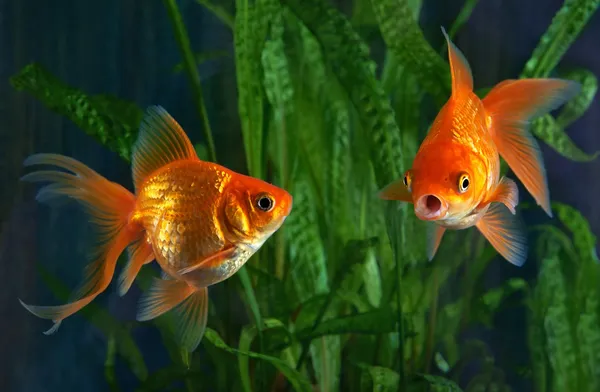
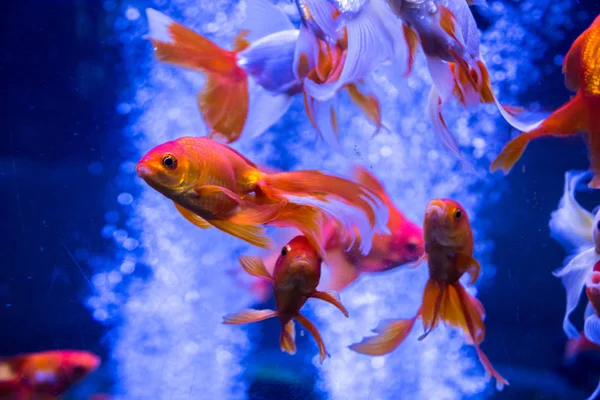

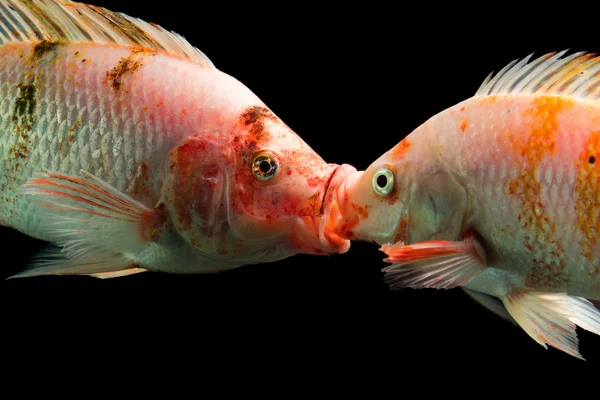
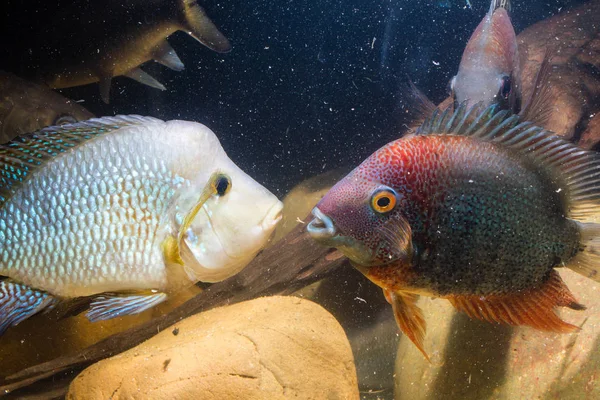
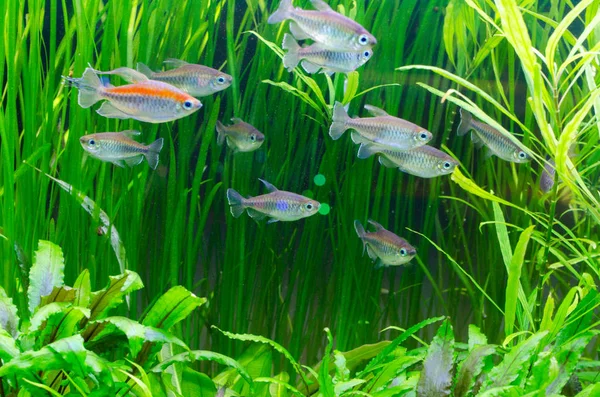
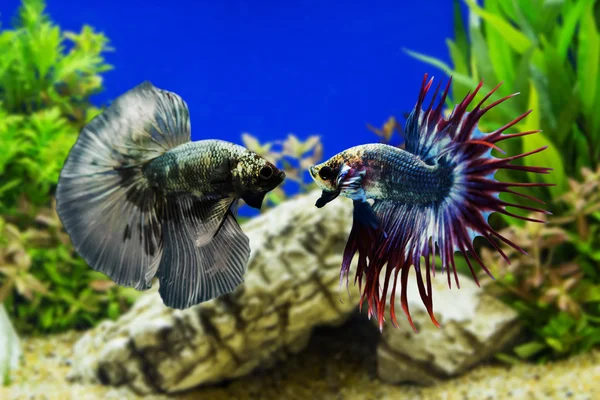
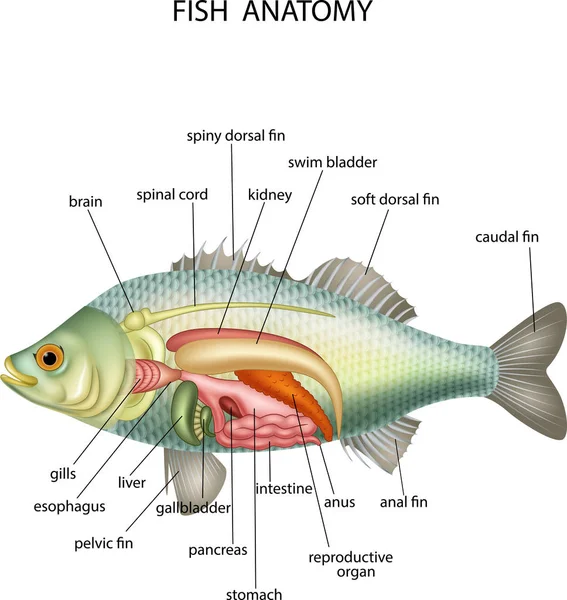
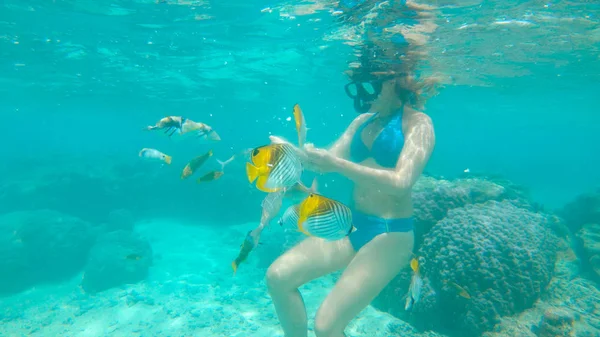
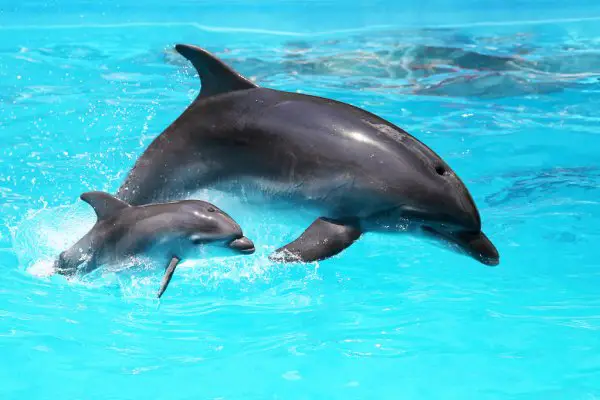
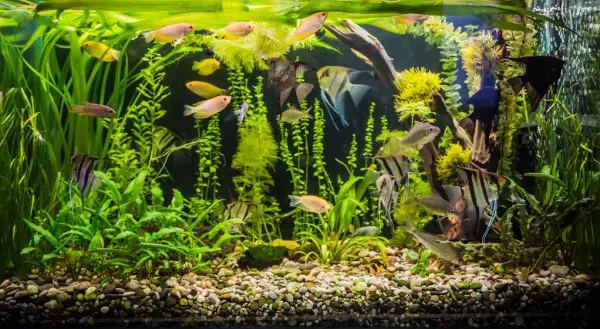
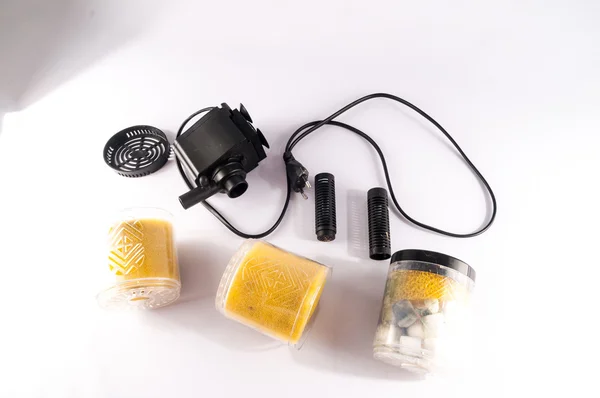
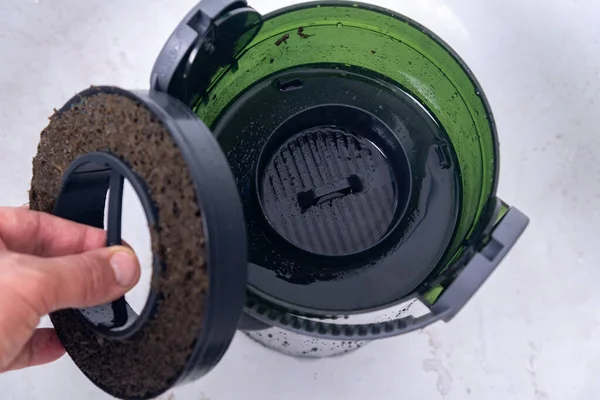
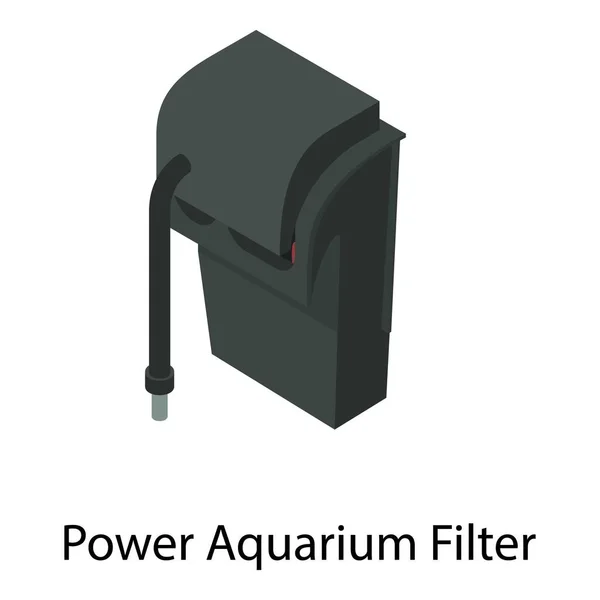
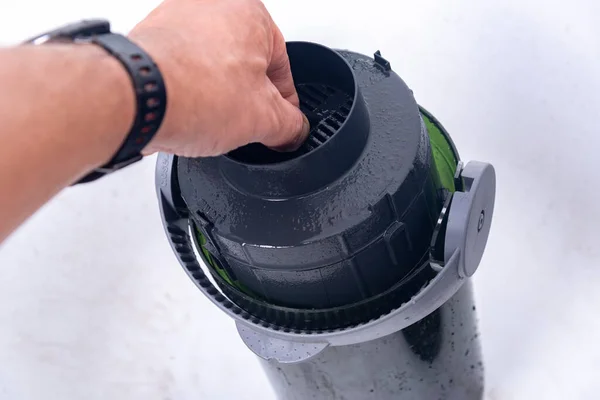
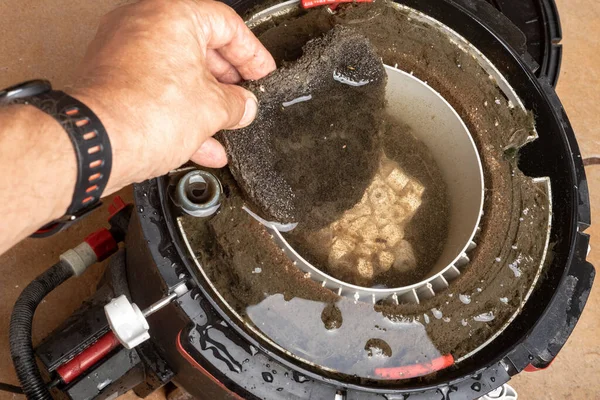
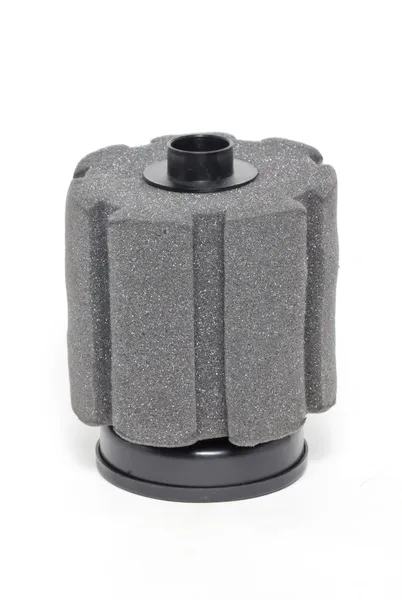


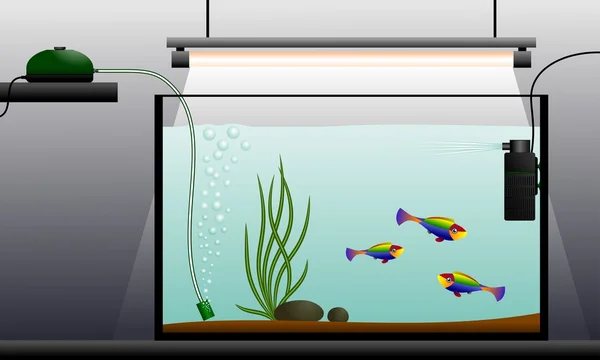
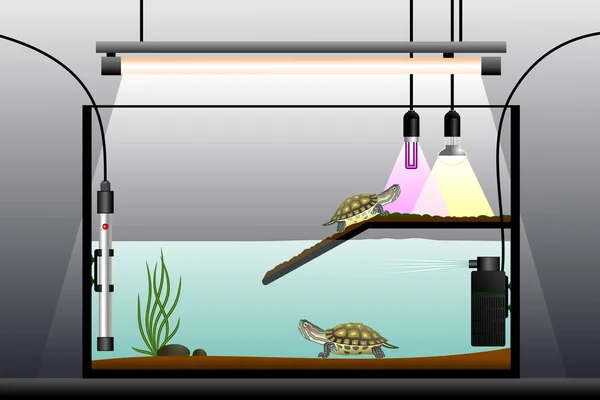
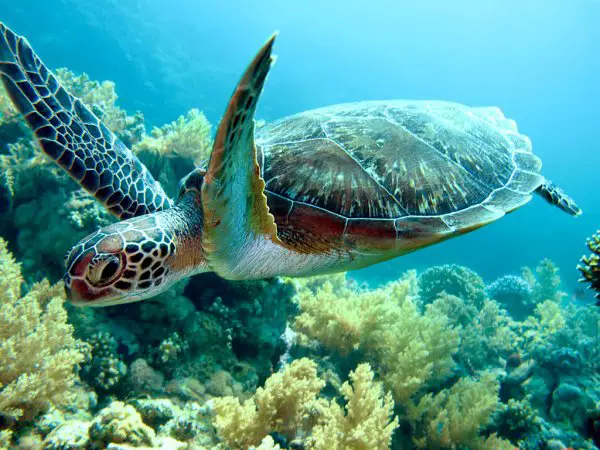
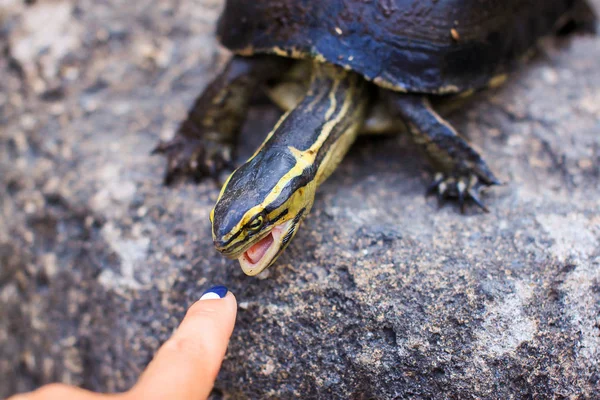
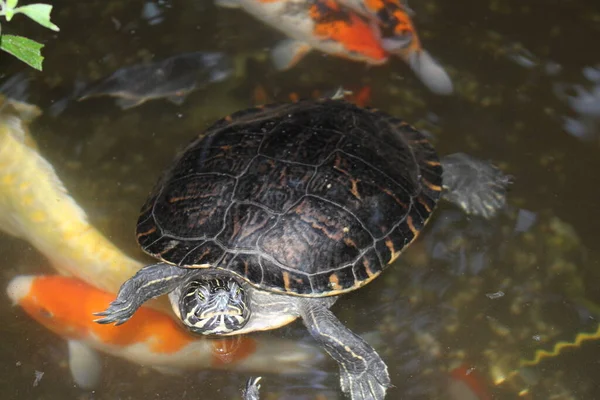
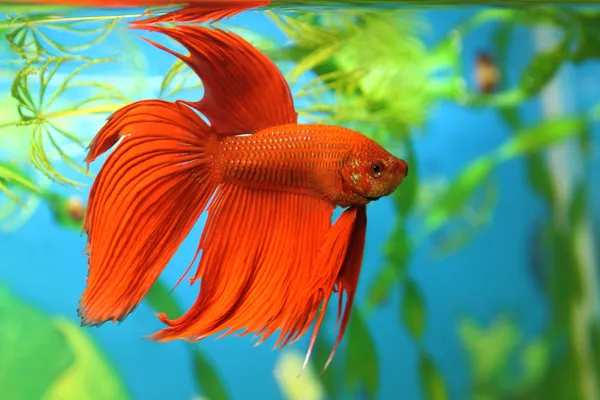
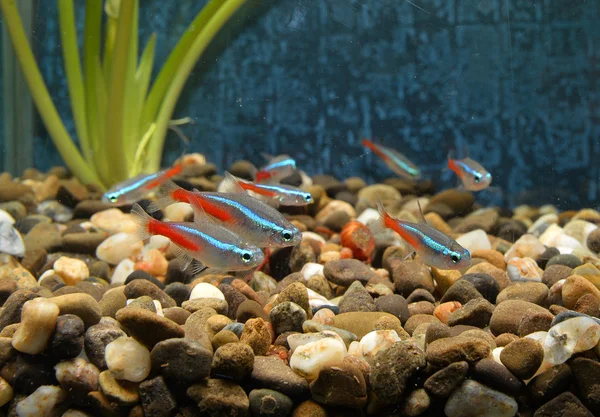
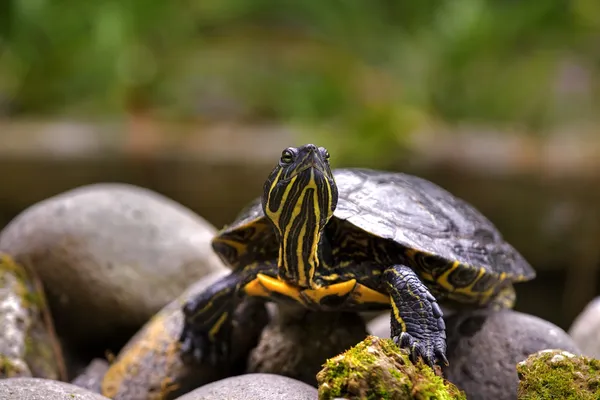
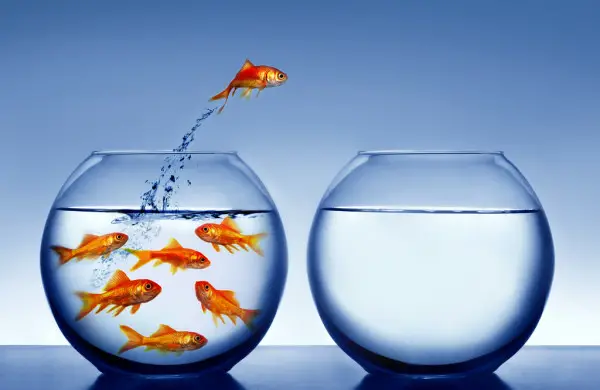
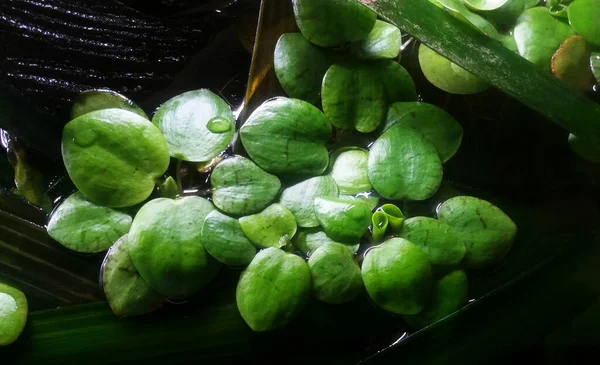
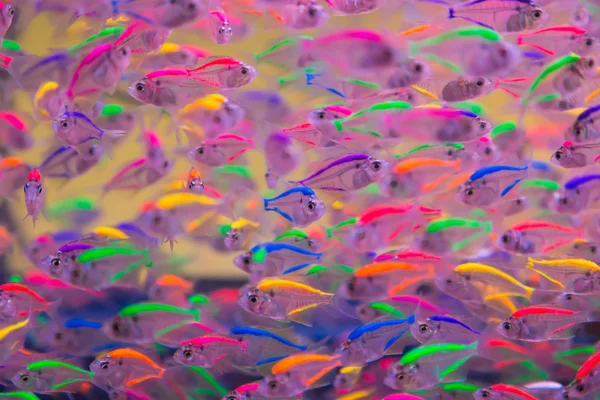
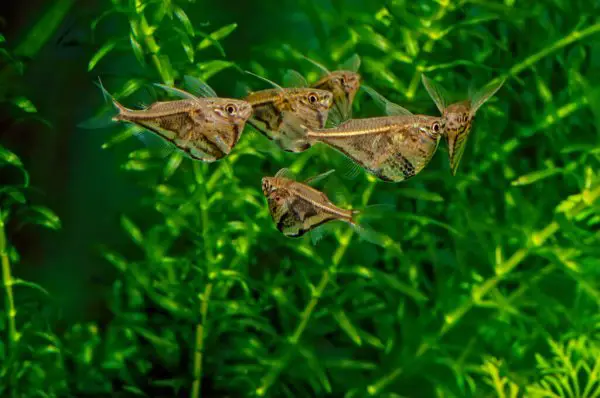
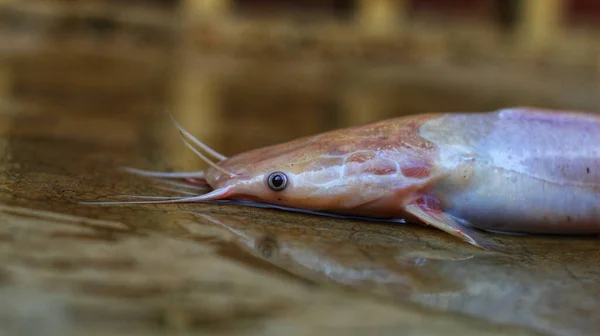
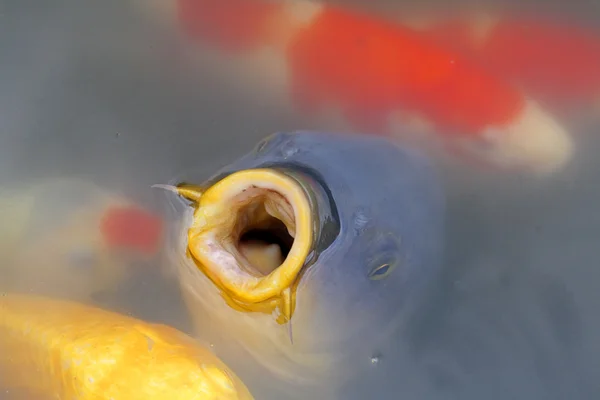
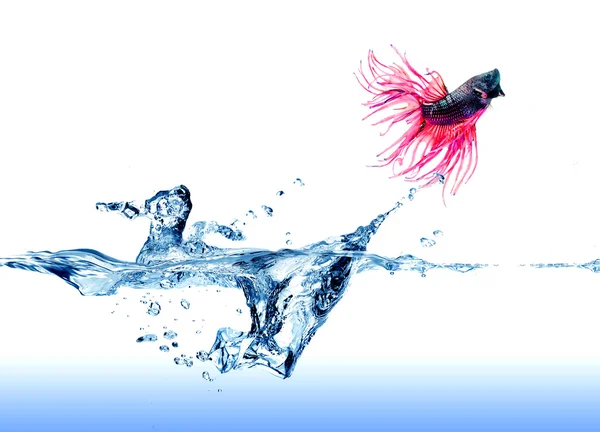
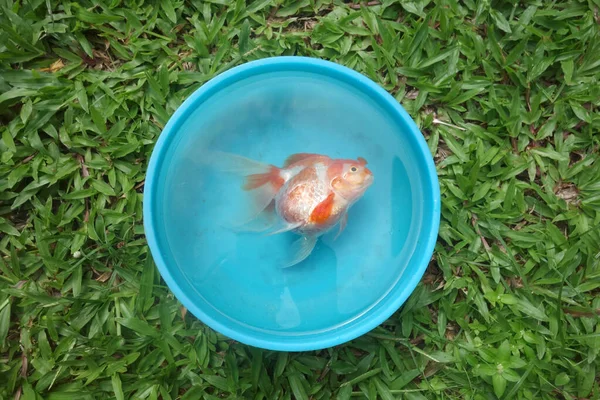
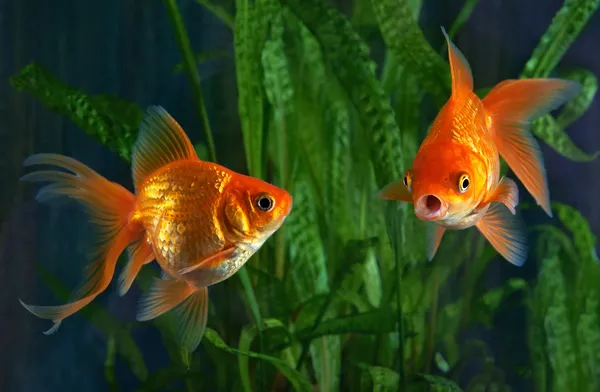
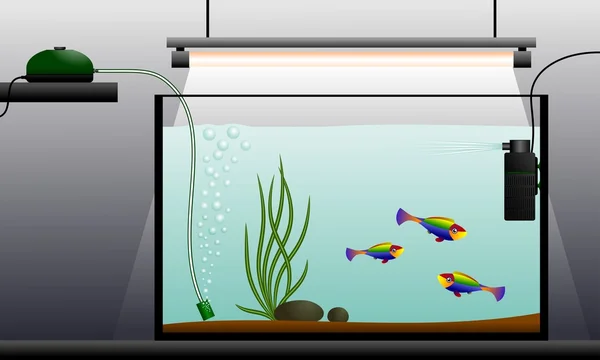
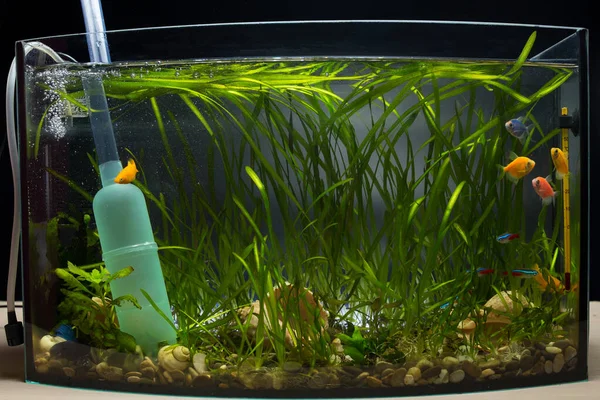
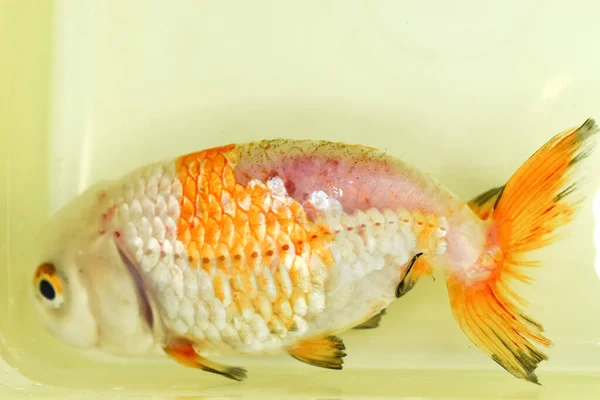
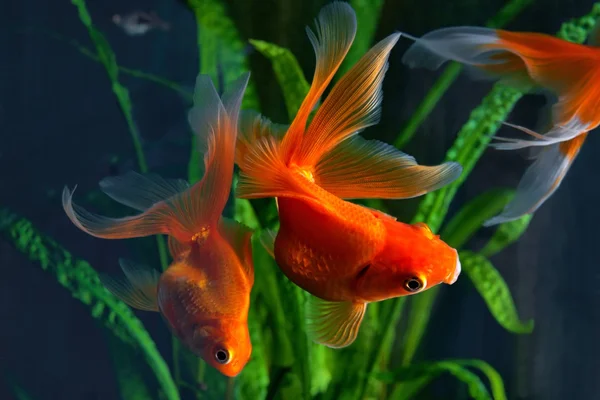
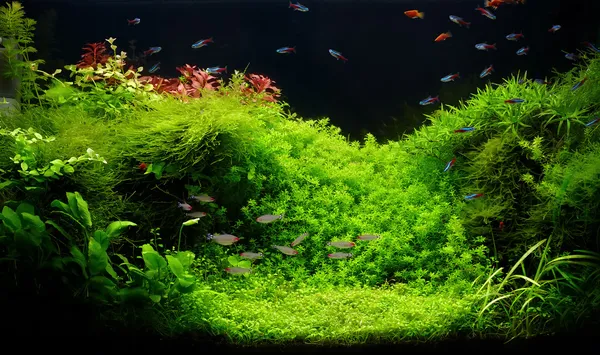


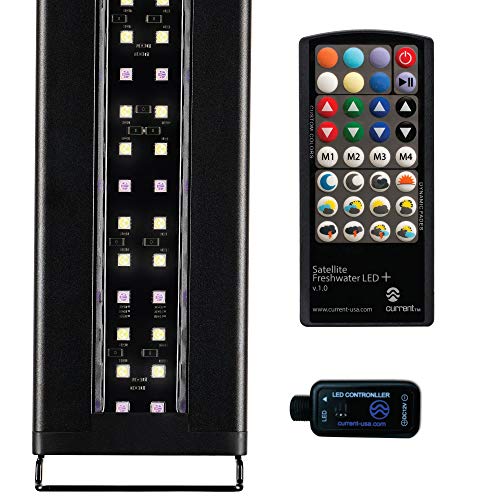
 4 Modes: ①Default Mode. L: All-optical + Blue light(can change); Brightness is simulated sunrise to sunset + night effect. ②DIY Mode. L1-L6: All-optical; L7-L8:Blue. The brightness(10 kinds) and time (any time) of each stage(8 stages in total) can be set by yourself. ③Gradient Mode. The brightness time cannot be set. Cycle colors-dark blue, green, purple, light blue, yellow, red. ④All-day All-optical Mode.Can fine-tune the color temperature of RGB light, can not set the brightness and time.
 New Upgrade: Lamp beads IP68 waterproof, and easy to clean and wipe. The separable adapter, even if it is damaged, no need to replace the light to avoid waste. Power off memory function, after the power is restored, the local time of the light will default to 12 noon, other settings remain unchanged, and then continue to run. The extendable bending bracket can be adjusted in length and easy to install, and can be applied to various freshwater tanks.
 High-quality Light: the color of the fish tank light is all-optical, dark blue, green, purple, light blue, yellow, red, dark red (sign of the start color cycle mode). The light is soft, the color rendering index is close to natural light, up to 89%, protecting eyes and fish, to refuse the discomfort caused by stroboscopic for fish and viewers. Using high-quality 2835 + 5050 model lamp beads, long service life, at least 50,000 hours. And there are 10 kinds of light brightness can be adjusted.
 LCD Display Operation: There are four function keys, mode setting / up / down / light setting keys. The main screen mainly displays the real-time local time (optional 12 hours/24 hours), the time is accurate to the second. The following two small screens are program timers, which used to set the start and end time of day and night in mode.
 Technical Specifications: Aluminum alloy plastic case. ①LIGHT SIZE:45*10*2.2cm. ②APPLICATION: 18~24inch. ③INPUT VOTAGE: AC100-240V. ④OUTPUT VOTAGE:DC15V. ⑥LED QUANTITY:77PCS. ⑦RENDERING INDEX:89. ⑧LUMENS:1290. ⑨Color temp:6500-10000K. ⑩POWER CORD:4.9ft.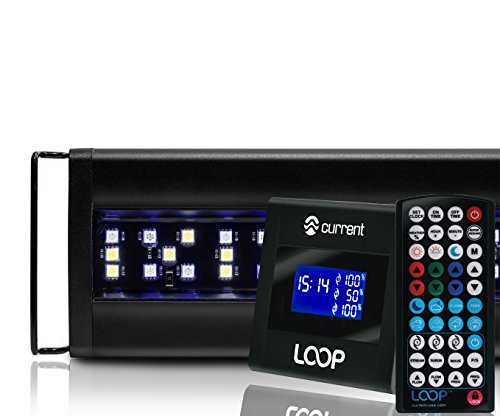


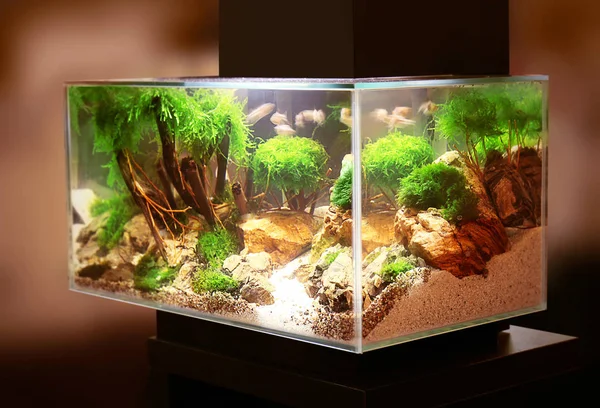


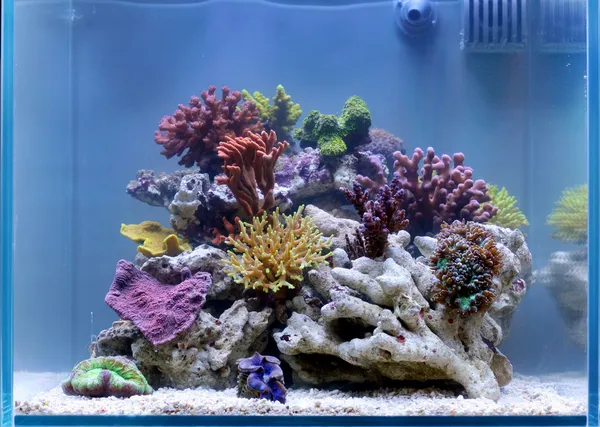
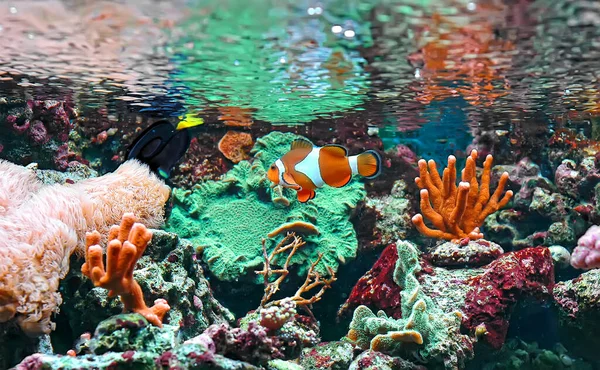
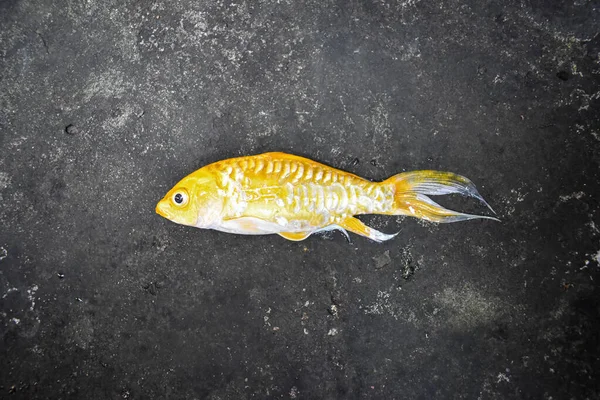
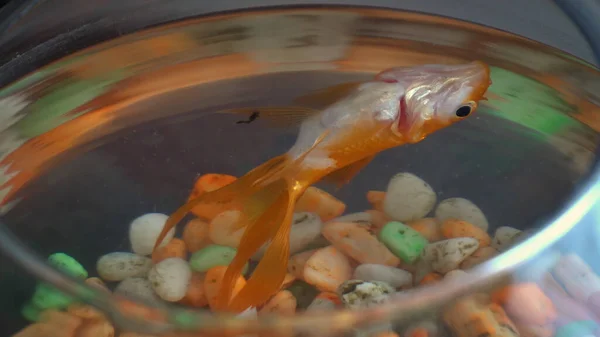
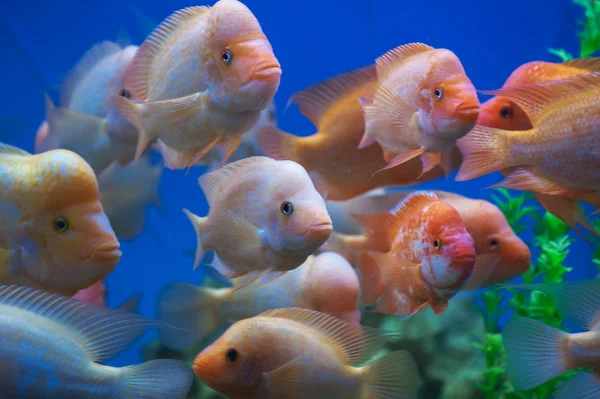

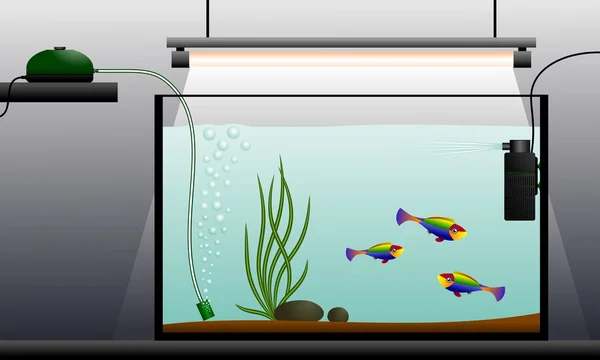
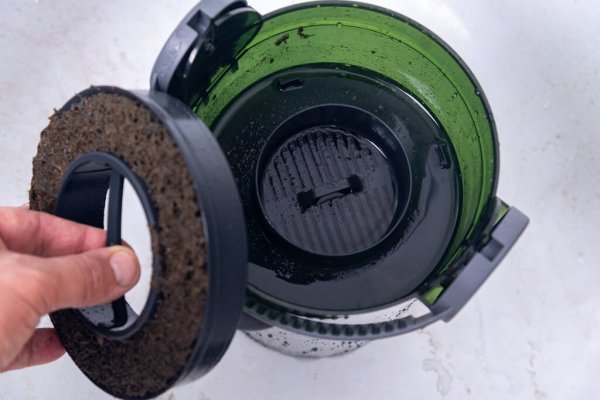
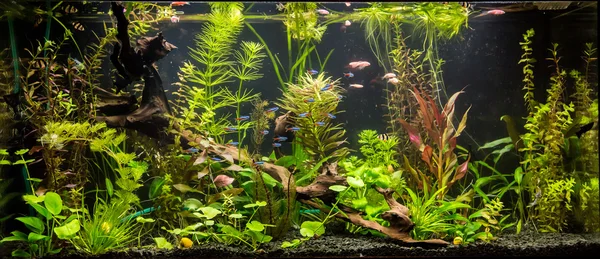
 Aquarium Labs