
Are you looking to get driftwood for your aquarium use and wondering why it is so expensive? Is your aquarium in need of driftwood, and you’re wondering how to procure some?
In this article, I’ll review the reasons why is driftwood so expensive, but why is it worth the cost.
Reasons Why Driftwood So Expensive?
Setting up a new tank requires procuring supplies which at times include driftwood to the mix. However, there’s a hefty price you have to incur to buy this unique aquarium wood.
Below are some of the reasons that make aquarium driftwood expensive;
Reason #1: Preparation Process
Preparing driftwood for use in aquariums doesn’t come cheap. There is a lot of lengthy processes involved that increases the eventual price of the driftwood. Although it might resemble regular wood, this is hardly the case as it often involves extensive processing involving:
The first step in the preparation process is for sellers to take adequate care to select the right piece of aquarium driftwood.
Then they proceed to cut down the wood into various sizes and shapes.
The curing process is initiated to eliminate dirt, bacteria, algae, and other elements that might affect the tank water quality.
The wood is cured through smoking and boiling to remove tannins that can affect the overall chemistry of the aquarium water. This process might last from several weeks to months. The labor involved is a leading factor in the high price of driftwood.
Reason #2: Shipping Costs
Another reason that makes aquarium driftwood expensive is the high cost of shipping and handling. Buying driftwood for large aquariums could be very expensive as it is large and heavy.
Sending parcels across the world could be relatively expensive, which you have to incur as the buyer.
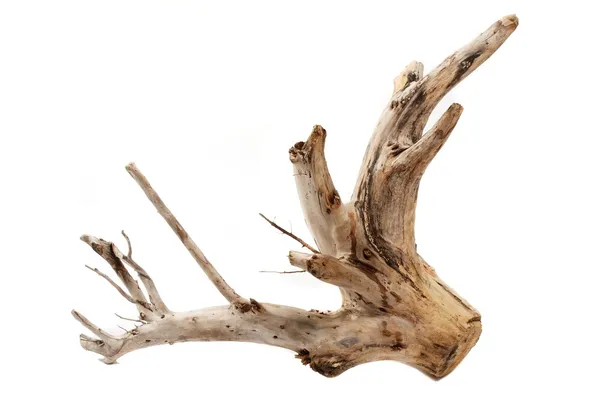
It is not out of place to notice that the shipping cost of driftwood pieces could be as high as the price of the driftwood itself. For example, a decent size of aquarium driftwood could sell at $50, and the handling and shipping costs could easily be that high. Now imagine how much can be incurred for large pieces with significant weight for larger aquariums.
Even smaller driftwood pieces will come in at a weight that will increase the price. The seller transfers the handling and shipping costs to the buyer, which translates to expensive driftwood.
=> Check Driftwood Prices Here
Reason #3: Supply And Demand
The principle of the market forces of economics also comes to play in determining the high costs of driftwood. There is not enough supply to match the millions of driftwood demanded by many aquarium owners for their tanks.
The law of supply and demand explains this situation effectively; an increase in demand will limit supply and, in the long run, result in a price rise.
The rarer it is to get quality aquarium driftwood, the more expensive it gets, as the seller exploits the situation and charges a premium price.
It has to do with competition arising from the limited competition (one of the primary laws of economics). It explains that although there are quite a few sellers of aquarium driftwood in the market today, the supply is just unable to keep up with the demand for this essential element of any standard aquarium.
Reason #4: The Willingness Of People To Pay For Aquarium Driftwood
There is a slight relationship between the point mentioned above and this reason, though this edges more towards the supply side of the equation as supply will be willing to sell at high prices as long as people are willing to pay.
However, the difference is that this edges more towards the demand side of driftwood. There is almost an abnormal demand curve for driftwood as buyers are willing to buy this wood for their fish tanks despite outrageous prices.
Supply will most likely keep increasing the prices as long as demand is willing to pay; suppliers will keep raising prices.
To further put it in perspective, if aquarium enthusiasts are willing to buy a piece of driftwood for $50, then there is no reason for the seller to consider charging a lower price.
Sellers will only be pushed to price reduction when the demand has shown an unwillingness to pay such high costs for just a tiny piece of wood.
Reason #5: Products Designed For Specific Niches Are Generally More Expensive
It is also a closely economics associated point that products explicitly designed for a specific niche are naturally more expensive than others.
In this case, the aquarium driftwood is considered a luxury product as retailers are well aware that someone with a large aquarium is definitely a fish hobbyist and will most likely be willing to commit funds to the purchase of driftwood even at a high price for the comfort of his fish. Thus, they sell these aquarium supplies at a high rate.
This is closely related to supply and demand as there are only a few sellers of driftwood compared to the multitude of people who are willing to make a purchase. Thus, the sellers can profit through scarcity by charging a premium for the limited available resource.
It is capitalism at its peak, with supply willing to exploit consumers willing to pay high prices for their specific niche product.
Reason #6: Some Types of Driftwood Are Exotic
This is another point closely related to the law of supply and demand. The more limited the supply of a type of driftwood, the higher the propensity that sellers would be willing to charge high prices for it.
The reason for the expensive nature of some brands of driftwood when compared to others is that some are very rare and unique, such as the Manzanita and bonsai trees, to mention a few; thus, the rarer the driftwood, the more likely you’ll be charged a premium to procure.
What Makes The Driftwood so Special?
You might wonder what makes a simple piece of aquarium driftwood so expensive and why you’d have to pay such a high price for a seeming piece of wood; below are some of the several benefits that make it your best bet.
Regulation of pH
Like most wood, driftwood contains a certain amount of tannin, which is still retained even after the curing process.
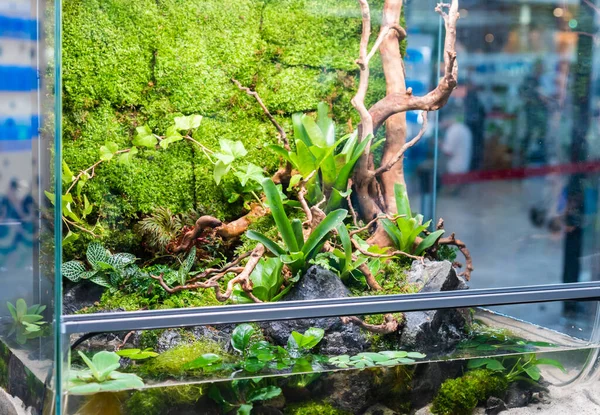
These tannins contain acidic properties that are released into the aquarium water over time and will eventually help lower the pH of the water. Certain bacteria cannot survive in an acidic environment; hence, It is your best bet if you desire a natural way of maintaining the water chemistry and acid level of your aquarium water.
Beautiful Look
The presence of driftwood in your tank helps to beautify the tank, giving the feel of a natural-looking tank. Some exotic driftwood can be considered art as they are available in various sizes, colors, and shapes and serve to beautify your tank, providing the fish with ample hiding places.
Ability To Control Bacteria Level
Driftwood makes tannin leach into your aquarium water which helps remove bacteria from your tank.
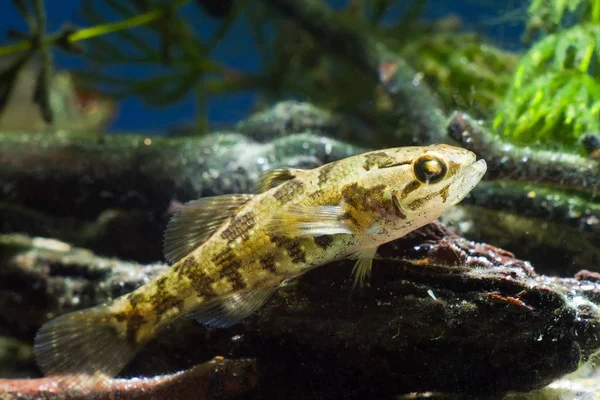
The acidic level of your tank is not a conducive environment for bacteria and other parasites to thrive; thus, having this special wood in your tank can help make your tank a lot safer for your fish.
Importance Of Curing Your Driftwood
Buying uncured driftwood could be an invitation of several issues to your tank.
Prevents Rotting
The wood could rot inside your tank, and rotten wood gives off ammonia that would harm your fish. Rotting of driftwood defeats the reason for keeping driftwood in the tank in the first instance.
Limits Bacteria
Putting uncured driftwood in your tank could lead to inadvertently introducing foreign bacteria that could be detrimental to the health of your fish.
Reduces Tannin
The dissipation of tannin into your aquarium water is another reason you should cure your driftwood to limit the quantity of tannin in your water.
Tannins affect aquarium water chemistry and are responsible for the change in color of your tank to yellow, which, if not controlled, could affect the ability of the plants in your water to get adequate light.
How Can You Tell Real Driftwood?
Real driftwood will have an irregular, unique and natural look. Thus, the first step to telling natural driftwood from a fake is sight. Fake driftwood looks plainer and tends to give off a faux wood look.
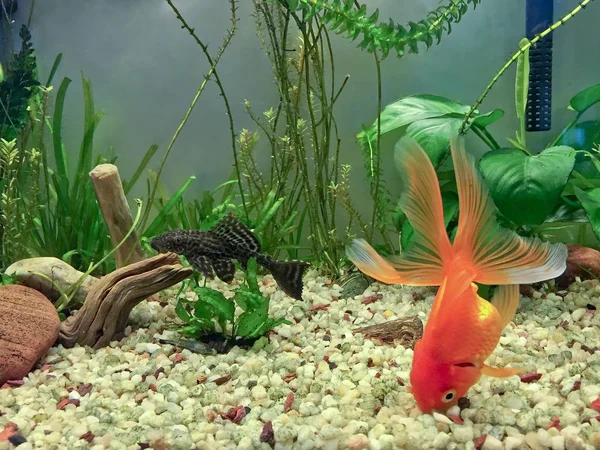
You can also tell real driftwood by touch; real driftwood will have natural roughness, while a fake is smoother to the touch.
Lastly, you can tell from the smell, natural driftwood gives off an earthly scent, while a fake has a plastic smell that would be hard to miss in the aquarium water.
Conclusion
The presence of driftwood in aquarium water has numerous benefits, which continuously increase its demand by fish hobbyists. The high demand for exotic wood has led to the expensive nature of the wood. The price is not expected to be lowered anytime soon as current demand exceeds supply, thereby jacking up the price.
Related Reading:
- Excellent Gifts For Aquarium Lovers
- How Do You Keep Floating Plants Away From Filters?
- How Long Can Fish Survive Without a Filter?
source https://aquariumlabs.com/why-is-driftwood-so-expensive/

 Aquarium Labs