Are you wondering why you keep seeing signs like “Don’t tap on the fish tank” outside aquariums? Have you ever considered it an overreaction on the part of the aquarium owner? Is tapping on fish tank glass okay, or does it affect them?
Fishes don’t have any visible ears to hear sound… right?
This article will review all you need to know about why tapping on a fish tank is such a bad idea.
When you tap on the fish tank, you create sound waves that might seem pretty small to your ears outside the tank but are more of a jumble inside the aquarium as the tap leads the aquarium water to ripple.
Tapping on an aquarium has been proven by research to result in increased stress to fish! Excessive stress can result in injuries for your fish and ultimately shorten their lifespan. Thus, to fully understand why you shouldn’t tap on a fish tank, it is essential to understand what’s happening under the water.
Tapping On Fish Tanks Create Sound Waves
Regardless of the port of creation, whether land or water, all sounds create waves. When it comes to humans, all sounds travel through the air and cause vibrations in the eardrum. The brain then registers this vibration caused by the sound. And as you would notice, the closer we are to the source of the sound, the stronger the sound is to our ears.
When sounds are too loud, it can result in pain in the ears, so it is essential to wear ear protection when near heavy sounds, the same way it affects your fish in an aquarium glass.
Impact Of Sound Waves On Fish
Now, let’s evaluate the impact of sound underwater. When sound waves move through water, the effect is five times faster and more potent than air. For example, if your head is submerged underwater, you will likely experience a louder sound. You are also likely to feel the sound throughout your body, as the sound would be picked up by your whole body and not just your eardrum.
This explanation implies that what you might consider simple tapping on the fish tank glass would be amplified, and the sound emanating made much louder underwater. Therefore, this alien sound is bound to cause panic in your pets and is made worse as they might not be able to identify the source of the sound quickly.
Tapping sounds in water often travel much longer distances, meaning your fish hiding inside a cave or under brushes will have no escape from the tap on the glass. Fish are likely to hear the sound very loudly even when you tap the side of the aquarium glass far from where they are hidden.
Do Fish Have Ears?
Fish do not possess ears in the same manner as humans. However, they have certain body parts that are capable of interpreting sounds. They possess lateral lines and otoliths, which can be used to hear sounds.
The presence of lateral lines serves as a sensor capable of detecting vibrations in the water and can be used to detect current. It is also a determinant and affects how fish react to sound.
Otoliths, also referred to as ear stones, also aid hearing in fish, and like in human beings, this organ helps to coordinate balance.
Tapping sound on the glass of the tanks could activate these sensors on the fish and result in stress in the pet and reduce its ability to swim around for fun. Thus, despite not having ears, the impact of sound in water is more felt than in air and will lead to a reaction from your pet.
Effects of Stress On Fish
Having understood that fish are capable of hearing sounds underwater and are sensitive to these sounds, we will now explain why creating these sounds could be detrimental to your fish. A sudden or loud sound could startle your fish and result in a fight or flight in your fish.
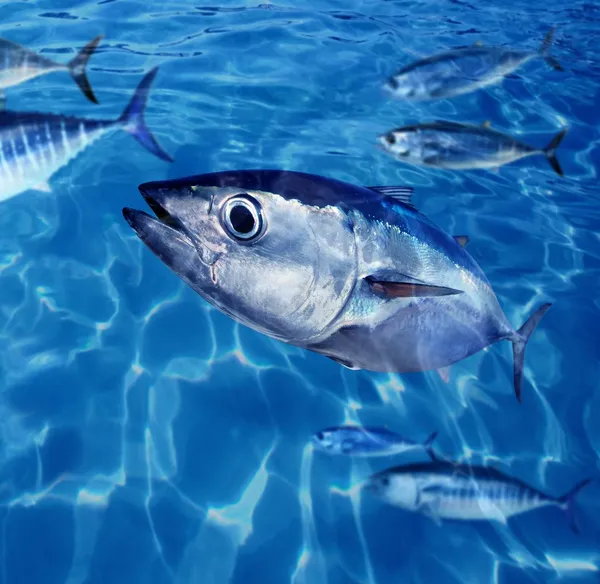
Once the fish hears the sound and its sensory organ picks up these waves caused by the tap, its natural response is to seek to escape such sound as it perceives it as a danger.
The result of such a startling sound is that the fish will not move away gently from the sound; it will dart away as fast as possible as a rush of adrenaline courses through its body. Moving fast in the water could ultimately harm your fish, as it could swim headlong into harmful objects in its hurry. Fish might also swim right into the tank’s body out of fear, thus, stunning it if there is enough momentum in its speed.
Aside from the immediate injury, tapping sound is likely to result in stress from activating flight which could result in long-term health consequences for your fish.
A fish hearing these loud noises in the tank constantly would make it consider its environment unsafe, which might be more problematic as it is unable to escape its confines. The adrenaline rush could spike the fish’s heart rate, blood pressure, and breathing rate. Overexertion could be lethal to your fish; therefore, you must ensure that your fish feels safe at home.
The increased stress level in fish releases the stress hormone called “cortisol.” Excessive release of this chemical could result in stunted growth in fish and develop digestive problems.
Knowing this, you would understand that keeping your fish in a constant state of stress and fear is cruel and needs to be prevented. Tapping sounds on the glass scare your fish pets.
How To Get Your Pet Fish Attention Without Tapping
Getting your fish’s attention could be quite a challenge, especially when the fish is shy. However, there are many things you could do to coax your fish out of its hiding place without tapping the glass and make it answer your calls.
You must understand the cause of your fish’s desire not to come out and play and seek to remedy these factors. Sometimes, you need to separate your fish from overly aggressive tank mates who might harm it to enable it to swim freely rather than hide.
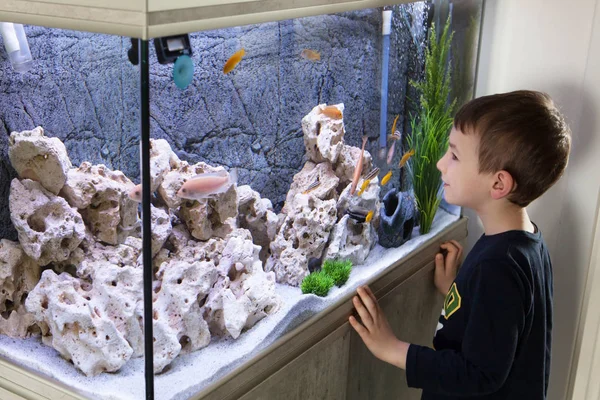
Another factor to be considered is the instinct of your fish. Is your fish nocturnal? If your fish is active at night, you will be better able to enjoy viewing them at night when they are active. You can secure a variety of lights that helps you mimic the night and day cycle to the benefit of your fish and limit the desire to hide.
Food is another great motivator to get your fish out of its hiding place. Fish bond well and recognize humans that feed them, and establish a trusting relationship. Suppose you realize that your typical flake food doesn’t do justice to lure your fish out.
You might follow another tack by feeding your tasty pet treats like bloodworms, daphnia, or brine shrimp. These meals can be easily sourced online or from your local pet store.
Conclusion
Tapping on the glass of your fish tank is not suitable for your fish. Fish are generally delicate, and the sound waves from these tapping could inadvertently result in stress in your fish. Despite not having the same ears as humans, they are sensitive to sound waves through their active sensory organs.
Thus, tapping on glass or other environmental stressors should be reduced to allow your fish to enjoy the comfort it will naturally do in the wild.
If you live in a household with people who do not have an idea nor understand the importance of keeping a healthy aquarium like children, be sure to educate them on the importance of adequate care for the fish that your pet fish deserve.
As a pet owner, the well-being of your fish is your responsibility; therefore, you should make it a point to ensure and take understand that they live a quality life devoid of stress lies with you.
Other Frequently Asked Questions:
- Why Do Fish Tanks Get Dirty So Fast?
- What Are the Best Glass Cleaners for Algae?
- How Do I Properly Clean a Fish Tank?

 Aquarium Labs