
Are you wondering if, do bettas eat snails? Or is your betta fish eating just about anything in your aquarium?
In this article, I will review all you need to know about betta fish and snails and the best type of snails to keep as a betta tank mate.
Most bettas are noted to be curious marine animals and would likely eat anything in the tank if given a chance, so yes, bettas eat snails.
However, this doesn’t mean that bettas will naturally go after snails as their preferred meal, so it is essential that the snails kept in the same tank as the mystery fish are larger and are better capable of defending themselves.
Can Betta Fish Live With Snails?
The answer is yes. Regardless of tank size, generally, adding snails to your tank will not necessarily make bettas turn aggressive. Though your betta may nibble at the snail and try to get to the fleshy parts, they often spit it out as they do not like the shells.
However, keeping snails in the same tank with your betta is also dependent on your betta. If you note that your betta displays traits of aggressiveness, it is in your best interest to avoid keeping them with other tank mates. But if your fish has relatively calm tendencies, you can add the snail and watch for its reaction.
Different Types Of Snails
The type of snail to keep in your tank depends on various factors, such as the ability of the snail to survive in the tank. Thus, it is crucial to select the best from the variety of the exciting breeds of snail to keep.
It is essential that you can successfully keep your snails alive, as a dead snail in the tank might contaminate your tank with its decaying body.
Below are the types of snails.
Turret Snails (Malaysian Trumpet Snails)
- Water pH: 7.0 – 7.5
- Temperature 70 – 78°F
- Lifespan: 1 Year
- Average Size 1-5 Inches
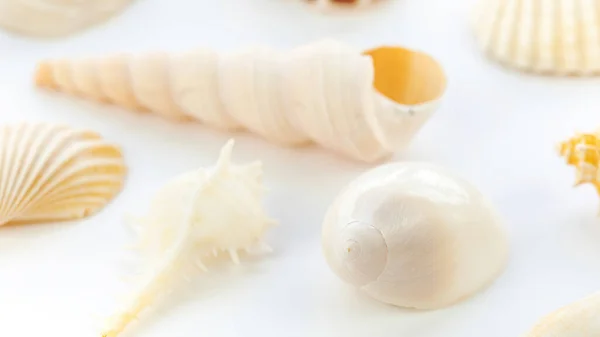
Malaysian trumpet snails are beginners’ snails you can keep in your tank. They are easy to keep with your betta as they can survive under the same tank conditions (pH 7.0-7.5, Temperature: 70 – 78°F) as the mystery fish.
Turret snails can grow up to 1.5 inches with a life span of 1 year. These snails do not require much upkeep and will thrive under ideal tank conditions.
The Malaysian trumpet snail exhibits almost the same attributes every day and is likely to be seen foraging leftovers, and they also eat algae. However, the possible demerit of turret snails is that it breeds quickly, and you might have unwanted snails in your tank.
Ramshorn Snails
- Water pH: 7.0 – 7.5
- Temperature: 70 – 78°F
- Lifespan: 1 Year
- Average Size: 1-1.5 inches
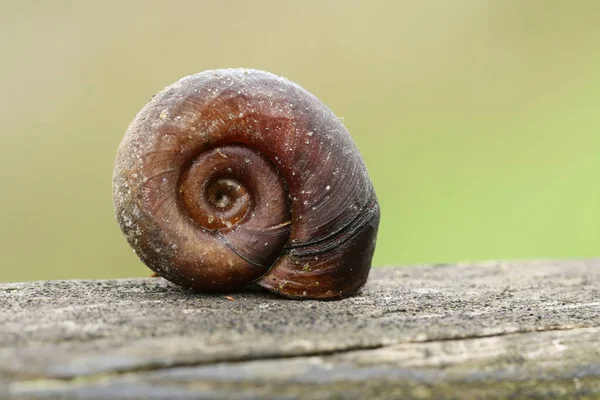
Ramshorn snails are similar in size and life span to the turret snail. They require the same water temperature and pH as betta fish, meaning you needn’t worry about special tank treatment to meet requirements.
Ramshorn snails are prone to eat plants if placed in tanks with plants in them, though they might survive in a tank without plants as they feed on algae and old food.
Like other snails, you need to be wary about excessive reproduction from the snails as they are likely to breed exceedingly if well-fed and tank conditions are good.
Pond Snails
- Water pH: 7.5
- Temperature: 70 – 78°F
- Lifespan: 1 Year
- Average bodySize: 1 Inch
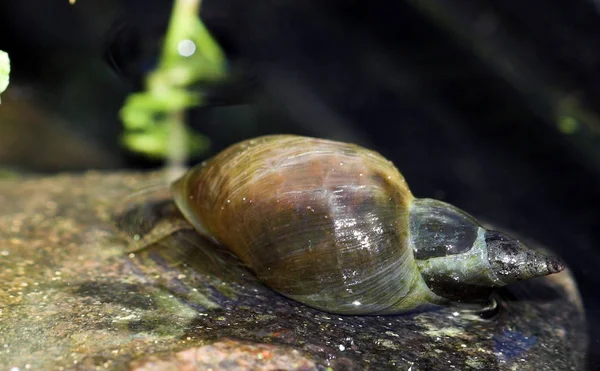
These are the most common snails you can find in your tank. They can even make their way into your tank from live plants in the tank without your realizing it. They also feed on algae and old food in your tank as they can help keep your tank clean.
Pond snails tend to survive better at a pH of 7.5; however, they can still stay under 7. They top the list in terms of reproducing activity as they can produce steadily once the tank conditions are ideal and well-fed.
Assassin Snails
- Water pH: 7 – 8
- Water Temperature: 75 – 80°F
- Expected Lifespan: 2 Years
- Average Size: 3 Inches
As you can deduce from its name, assassin snails eat other snails and are the best snails you can turn to when other snails are overcrowding your tank. Assassin snails reproduce slowly and can still survive on food in your tank, meaning you can keep them even when you don’t have snails in your tank.
However, to keep your snail alive for a long time, they must get enough meat. Hence, you can feed them meat in the form of freeze-dried blood worms or other meat which your betta will also eat.
Assassin snails are tough to keep, that doesn’t mean you should worry, though, as you are good to go as long as the parameters in the tank are ideal for your snail, one being the same ph as for a Malaysian trumpet snails.
I would naturally only keep assassin snails only when they are needed as the betta fish might consider them a threat due to their size. Thus, it would be best to keep an assassin snail when your tank is overcrowded with other snails.
Mystery Snails
- Water pH: 7.0 – 7.5
- Water Temperature: 68 – 82°F
- Lifespan: 1 Year
- Average Size: 2 Inches
Keeping mystery snails is not complex as long as they are adequately fed. It is easy to care for these snails.
Mystery snails don’t require extra effort to keep them fed, though, as they can feed on fish pellets or live food reaching the substrate that your betta will ignore but makes a good meal for the mystery snail.
Nerite Snails
- Water pH: 7.5
- Water Temperature: 72 – 78°F
- Expected Lifespan: 1 Year
- Average Size: 1/4 – 1/2 Inch
Nerite snails are the smallest-sized snail on this list; however, you shouldn’t overlook their small size as they are the best at removing algae pellets from your tank.
However, it would be best if you were extra careful about keeping nerite snails as they require a temperature and pH level that differs slightly from the requirement of the betta fish. Thus, it is essential to maintain a steady pH and temperature level to ensure survival.
Nerites are beautiful, and you can get a variety of choices of these snails as they come in different colors and patterns. You can go for these snails if you have the time and don’t mind breeding snails that need a little extra care.
Most snails survive in a betta aquarium, and keeping aquarium snails could help eliminate soft algae and algae wafers from your betta tank.
Can Your Snails Clean Your Fish Tank?
Snails are notable for their ability to eat any material at the bottom of the tank and are often considered good tank cleaners; however, they will produce as much waste themselves.
If you intend to keep snails in your betta tank to get them to clean your tank, then you are a bit misled. The waste of the snails could rapidly deteriorate the water conditions of the tank and lead to the death of the snails, and ultimately you could lose your betta fish.
Therefore, if you intend to keep more snails in your tank, you must be an aquarium hobbyist who is ready to do constant clean-up of the tank. You must be ready to make it habitable for your betta fish and the snails by ridding of waste, dead plants, and dead snails. Achieving this could help keep your tank spotless.
Do Bettas Eat Snails?
This depends on the temperament of your Betta; an aggressive betta tends to attack small snails when it considers them a threat or an extremely docile snail will also be subjected to threat. A calm betta makes good tank mates. Betta is not exactly passive fish and will also attack snails when they aren’t well-fed.
A mystery snail is also considered a perfect meal for betta as its eyes look like a pair of worms synonymous with the food for the betta. To reduce the chances of the betta attacking your snail, you should endeavor to feed your betta fish appropriately.
You may also keep plants in your tank to provide ample cover for your snails as the betta cannot eat what it can’t see. The territorial nature of the betta fish extends to its family, as both female bettas and male betta fish cannot co-exist as tank mates.
What Snails Should You Not Keep With Your Betta?
Large snails with pronounced eyes (those that appear like worms) should not be kept in the betta’s tank, as your betta might attack the eyes vigorously. This is often common with mystery snails, repeatedly attacked mercilessly by betta.
You may also avoid snails that hitch rides on the beautification aquarium plants in your fish tank. This can lead to potential diseases in your betta. Snails kept in the aquarium are commonly snails that can turn into an army overnight. Therefore, you need to be capable of tolerating pest snails as you might otherwise be subjected to stress.
Snails overrunning your planted tank can be eliminated with a dip in potassium permanganate. This will prevent them from taking over your aquarium and stressing their tank mates.
How To Protect Your Snails From Your Betta Fish
Betta fish could be less welcoming hosts to snails; thus, you might be reluctant about keeping snails with your betta fish.
Below are a few tips to minimize the risk your snail is likely to face from being betta tank mate and reduce its interest in eating the snail and make it possible to live with bettas.
Buy Larger Snails
Despite this not being a total guarantee of the survival of the betta fish, getting a bigger snail is a good start. Size has been discussed all along in this article, but it cannot be overemphasized.
Bettas exhibit carnivore instinct and will try to eat whatever they can. Thus, the larger snails breed has a higher chance of living peacefully with the betta fish.
Buy Hardy Snails
Another tip for the peaceful coexistence of betta fish and snails is to buy hardy snails. When you purchase hardy snails for your tank, they are more likely to survive in the tank with the betta fish.
Avoid keeping delicate and easily stressed snails in the same tank as your betta fish as they will try to eat it. It is essential to keep baby snails in the same tank as your betta fish, as they are not large enough to fend off attacks from the betta fish and are highly susceptible to being preyed upon.
Add Snails Before The Betta Fish
Introducing the snail first to the tank is another tip to limit the risk to the snail. Bettas are primarily territorial and like to protect their domain from intruders.
Thus, putting the snail first helps protect them from attacks that would be expected if the betta stayed in the tank for a long time. If you are setting up a tank for the first time, keep your snail in first and get your snail to acclimatize before introducing the betta fish.
It can possibly hide amidst the aquatic plants and make it easier for the snails to be betta tank mates.
In Summary: Do Betta Fish Eat Snails?
The decision to keep snails in the same tank as your betta should be backed by your determination to ensure the survival of both species. Snails can be relatively safe when kept in the same tank as the betta; this might be correct in some cases, and wrong in some, since bettas can get aggressive and try to eat the snails.
Therefore, if you intend to keep these species together, you should ensure that the snails are capable of reproducing on their own and surviving in the same tank conditions as the betta. This assurance will help you retain the presence of snails in your aquarium even when the betta eats up some of the snails. Another factor determining if snails will get eaten by betta is the size. Tiny snails are more prone to be eaten by betta.
Overall, there is no telling how an individual betta fish will react to the company of a snail or other fish, and you’ll often have to see for yourself.
Related Reading:


 Aquarium Labs